
Trasforma le intuizioni dell’IA in azioni concrete

Tendenze
Categories
Why Airlines Are Retaining Older Aircraft Longer
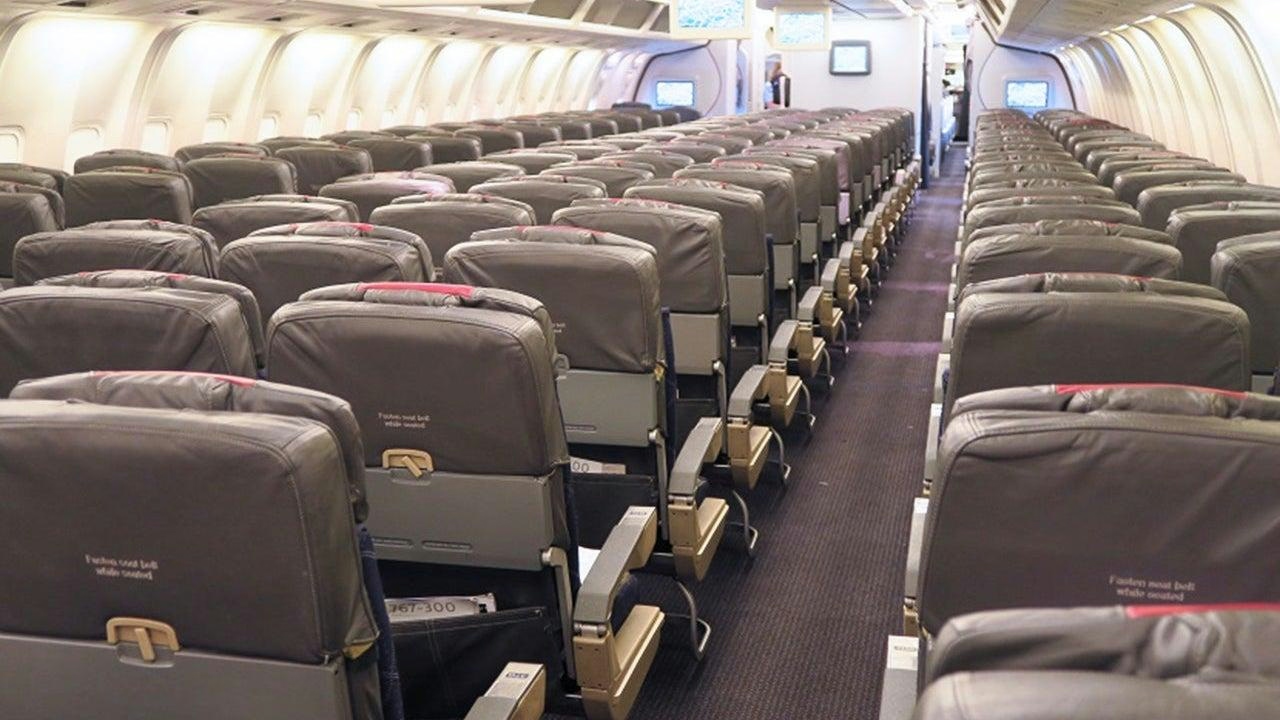
Why Airlines Are Retaining Older Aircraft Longer
The aviation industry is grappling with a persistent challenge that has evolved from a post-pandemic production slowdown into a long-term operational constraint. Airlines are compelled to keep older aircraft in service far beyond their originally planned retirement dates. This situation stems from significant delivery delays from major manufacturers such as Airbus and Boeing, exacerbated by ongoing shortages of parts, skilled labor, and limited production capacity. As a result, carriers have limited options other than extending the operational lifespan of aging fleets.
Aircraft Shortages and Supply Chain Disruptions
The current backlog of aircraft deliveries remains substantial, with more than 17,000 new planes on order and deliveries still approximately 30% below pre-pandemic levels. Airlines face wait times measured in years rather than months, unable to meet the surging demand for air travel. This backlog is not solely due to slowed production at the primary manufacturers but also reflects widespread disruptions throughout the aviation supply chain. Thousands of suppliers provide essential components—including engines, avionics, and advanced materials—and shortages in any segment can halt the entire manufacturing process.
Engine availability has emerged as a particularly acute bottleneck, with extended maintenance turnaround times reducing aircraft availability. These constraints have increased demand for engine leasing, spare parts, and maintenance services, placing considerable strain on maintenance schedules and parts inventories across the industry.
Extending the Life of Older Aircraft
In response to these challenges, airlines are investing heavily in maintenance, cabin upgrades, and refurbishment programs to ensure older aircraft remain safe and operational. Planes once scheduled for retirement are now being retained for several additional years. While this approach is necessary, it carries inherent trade-offs. Older aircraft tend to be less fuel-efficient, incur higher maintenance costs, and require more frequent inspections and repairs.
Airlines must carefully balance the financial pressures of fleet modernization with stringent safety requirements. Managing the residual value, retirement planning, and remarketing of older aircraft adds complexity, especially as new models gradually enter service.
Operational and Growth Impacts
The shortage of new aircraft is having a tangible impact on airline operations worldwide. Some carriers have postponed launching new routes, reduced flight frequencies, or delayed expansion plans due to the scarcity of available planes. The limited supply has also driven up leasing costs, intensifying competition for a shrinking pool of aircraft. For passengers, this translates into fewer flight options and reduced flexibility, while airlines must navigate rising demand with constrained resources.
Environmental Concerns
One of the most significant long-term consequences relates to the aviation sector’s climate goals. New-generation aircraft offer substantial improvements in fuel efficiency and emissions reductions. By retaining older, less efficient planes for longer periods, airlines are delaying the environmental benefits that fleet renewal would bring. This situation poses a considerable challenge to the industry’s ambitions to achieve net zero emissions.
Looking Ahead
At present, retaining older aircraft is less a strategic choice than a necessity. Until supply chain disruptions ease and production rates recover, airlines will continue to rely on aging fleets. This approach requires a delicate balance of safety, cost management, and environmental considerations as the industry navigates an uncertain path to recovery.

Etihad Airways Suspends Airbus A380 Flights on Key Route

Aditya Birla Group Seeks Approval for Aircraft Leasing in GIFT City

Qatar Airways Highlights Innovation and Connectivity at Arabian Travel Market 2026

Hong Kong's Five-Year Plan Includes Andrew Fan's Aircraft Parts Processing Hub Proposal

ACIA Aero Leasing Delivers ATR72-600 to Air Nostrum

RTX Appoints Jill Albertelli as Head of Pratt & Whitney

TAT Technologies Joins Beyond Aero Hydrogen Aircraft Program

AURAK Study Highlights Barriers to Air Taxi Adoption in Emerging Economies

Xiamen Air Selects Altitude for 787 Maintenance at Heathrow

Etihad and Swissport Extend Global Partnership
