
Trasforma le intuizioni dell’IA in azioni concrete

Tendenze
Categories
Why Boeing Designed the 747 Freighter with a Nose Door
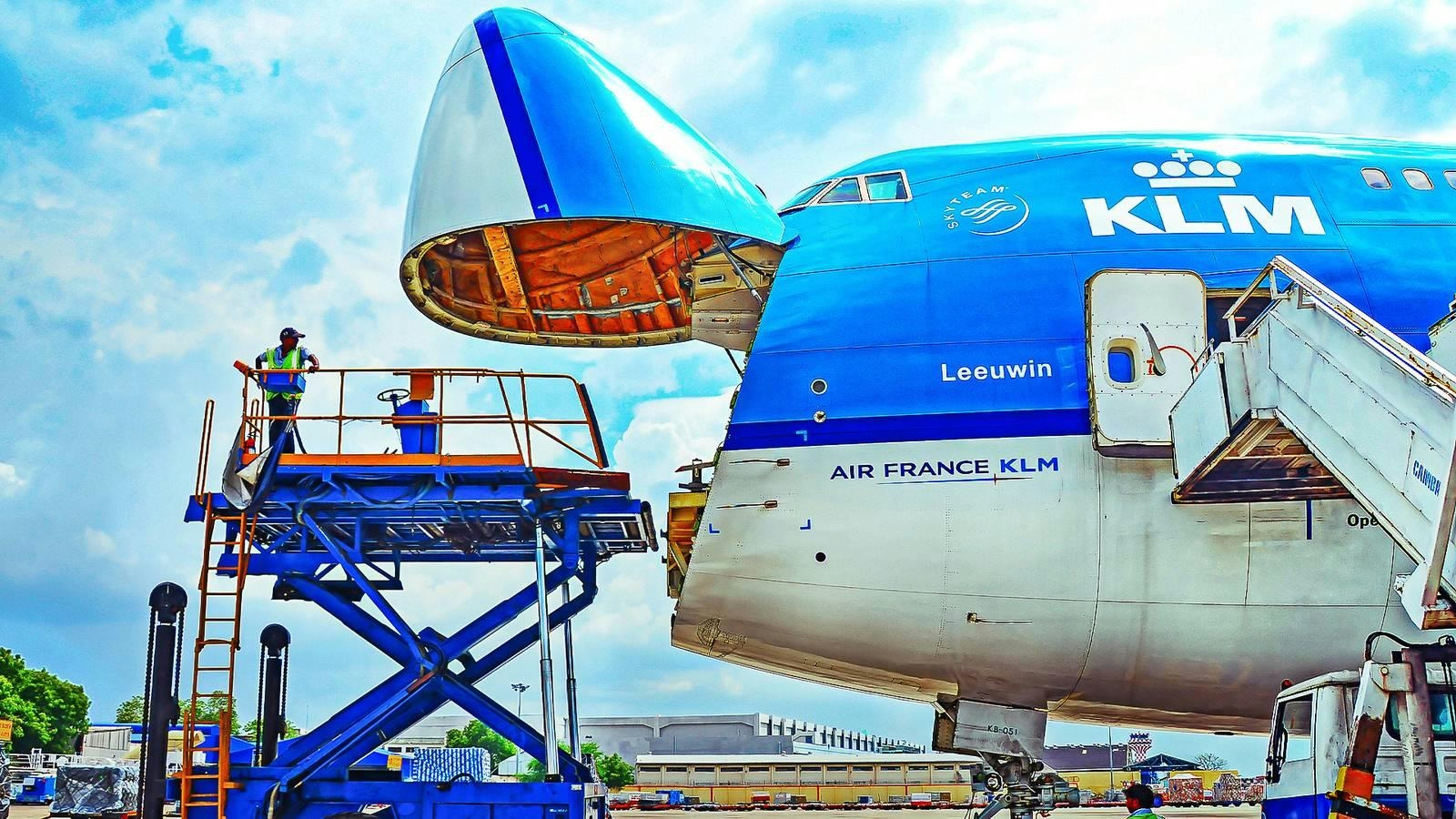
The Strategic Innovation Behind the Boeing 747 Freighter’s Nose Door
The Boeing 747 freighter is distinguished in the cargo aviation sector by its iconic nose door, a feature that epitomizes the aircraft’s exceptional versatility. Unlike traditional freighters that depend solely on side doors for loading, the 747’s nose door was specifically engineered to address the challenge of transporting cargo that is too long, bulky, or irregularly shaped to pass through conventional openings. This innovation has become a defining characteristic of the aircraft, enabling it to accommodate a wide range of freight with remarkable efficiency.
This design breakthrough was made possible by the 747’s unique partial upper deck configuration, which positions the flight deck above the main cargo hold. By relocating the cockpit, Boeing created an unobstructed front access point, allowing oversized cargo to be loaded directly onto the main deck through the nose. This nose-loading capability is a standard feature on all factory-built 747 freighters, spanning from early variants such as the 747-100 and 747-200 to the more advanced 747-400F and 747-8F models.
Operational Mechanics and Industry Impact
The operation of the nose door involves a sophisticated system comprising a dedicated control panel and sixteen latches secured by pin mechanisms. The door itself is mechanically opened by an electronic motor located at the aircraft’s nose. Ground crews must carefully evaluate cargo dimensions to determine whether items can be accommodated through the side door or require nose loading. This flexibility allows for precise repositioning and alignment of long pallets, facilitating the safe and efficient handling of even the most challenging shipments.
Cargo airlines have consistently favored the Boeing 747 for its blend of capacity and adaptability. The 747-400F variant can carry payloads up to 120 tonnes, while the 747-8F increases this capacity to 140 tonnes, distributed across the main, lower, and upper decks. This exceptional payload capability, combined with the unique advantages of the nose door, has sustained the 747’s popularity among cargo operators, even as most passenger airlines have phased out the type. Furthermore, cargo carriers often prefer acquiring older 747 models to minimize costs, making the aircraft a practical choice for fleets with lower utilization rates.
Despite its advantages, the nose door design has presented certain challenges. Market dynamics and competitive pressures have influenced the freighter landscape significantly. For example, Airbus has encountered substantial delays with its A350F freighter program, frustrating airlines such as KLM that rely on the 747-400 to comply with stringent airport noise regulations. These setbacks have reinforced the 747’s role as an indispensable asset for cargo operators requiring dependable, high-capacity aircraft.
Safety and operational complexities are also critical considerations. While the nose door facilitates efficient loading, incidents like the nose gear collapse of a Boeing 787 at Frankfurt Airport—which resulted in injuries—highlight the necessity for rigorous engineering standards and meticulous ground handling procedures when operating nose-loading aircraft.
The Boeing 747 freighter’s nose door is more than a distinctive design element; it represents a strategic solution that has profoundly influenced the cargo aviation industry. Despite evolving market conditions and operational challenges, this unique feature continues to provide unparalleled flexibility and capacity, cementing the 747’s enduring legacy as a cornerstone of global air freight.

Etihad and Swissport Extend Global Partnership

Sepehran Airlines B737 Returns to Mashhad After Tyre and Engine Issues

Etihad Deploys Widebody Fleet to Meet Strong Demand

Korean Air Finalizes $36.2 Billion Deal with Boeing

Australia’s RFDS Queensland Section Orders Six King Air 260Cs

Korean Air Finalizes Order for 103 Boeing Jets and Engines
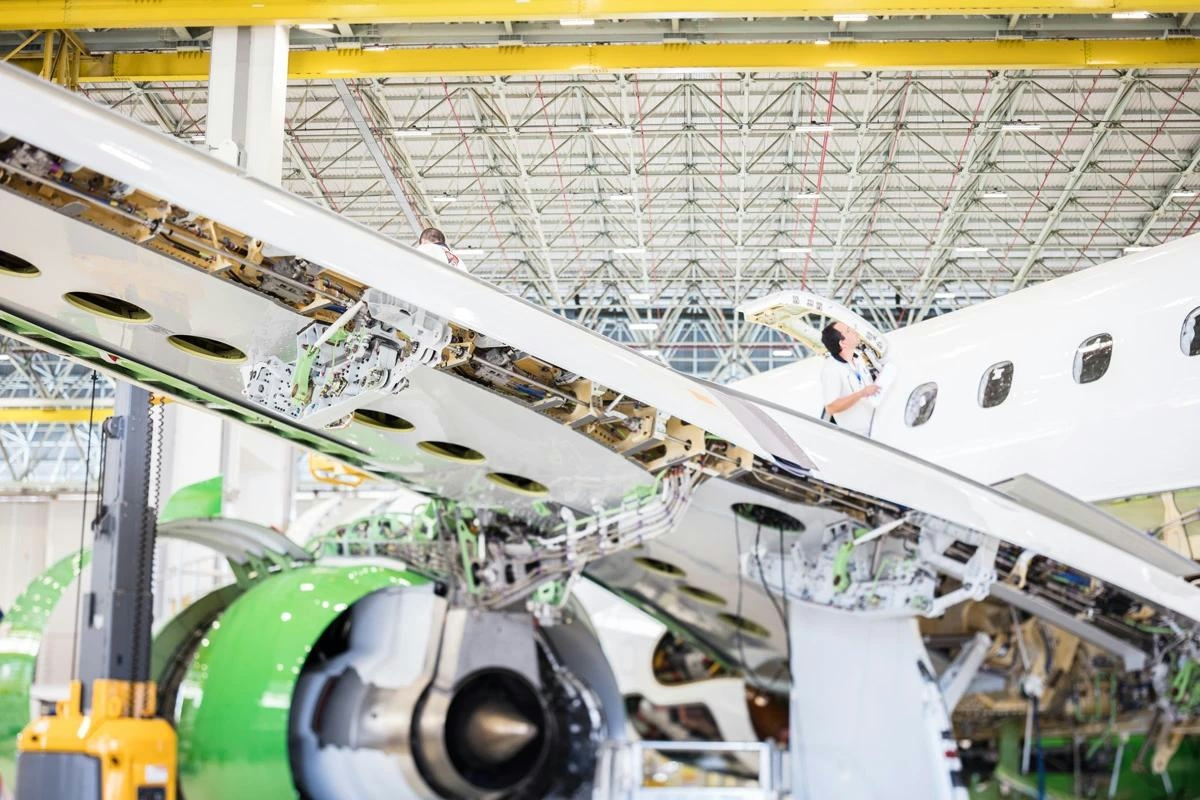
Embraer E195-E2 Features Distinctive Engine Placement Among Regional Jets
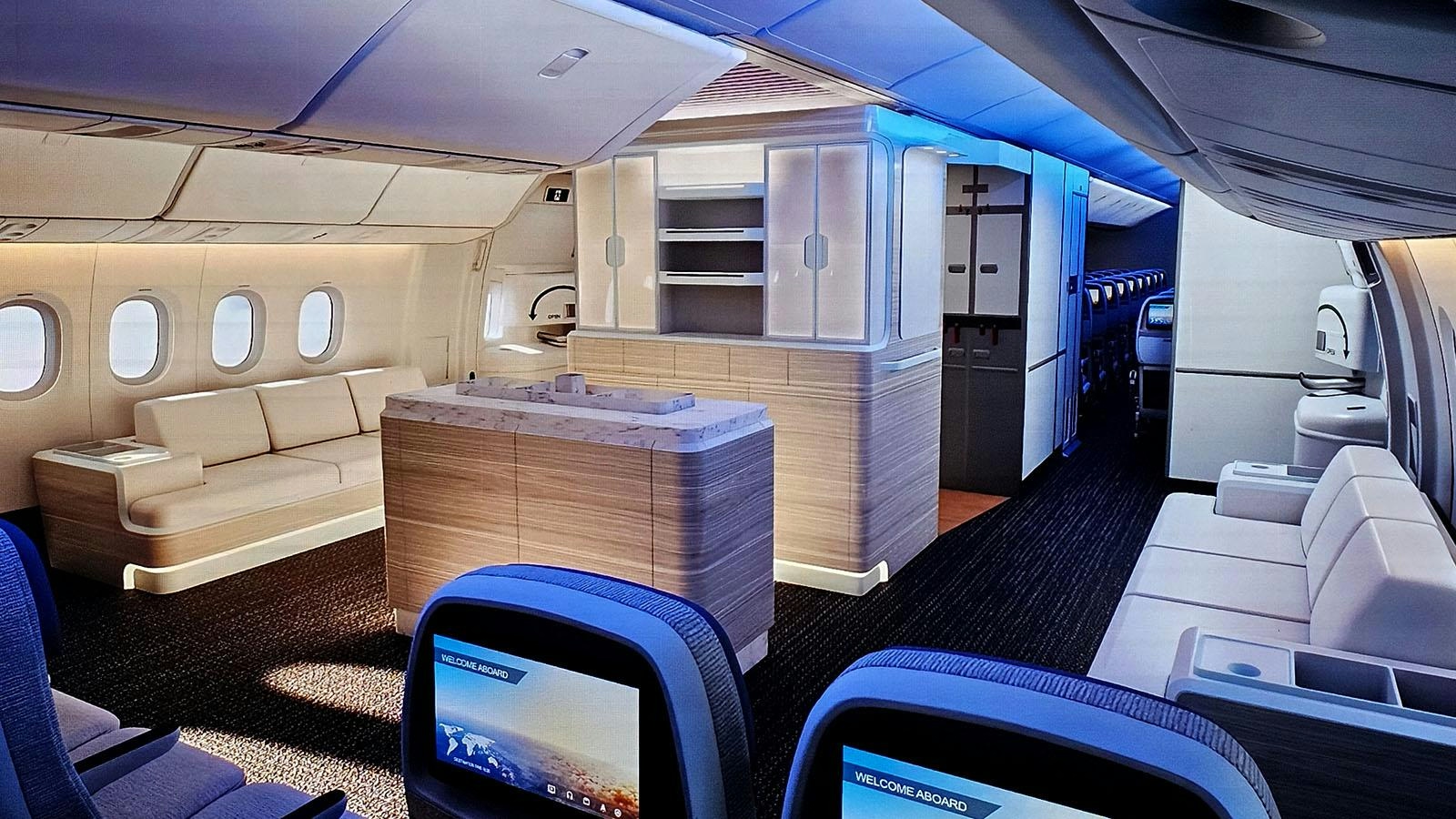
What Passengers Can Expect on Boeing’s New 777X Jet

How Ethiopian Airlines Became Africa’s Leading Carrier Amid Gulf Competition

Joby Aviation Extends Autonomous Flight Capabilities with Cross-Country Tour
