
Trasforma le intuizioni dell’IA in azioni concrete

Tendenze
Categories
Why Pilots Sometimes Shut Down an Airbus A320 Engine During Taxi
Why Pilots Sometimes Shut Down an Airbus A320 Engine During Taxi
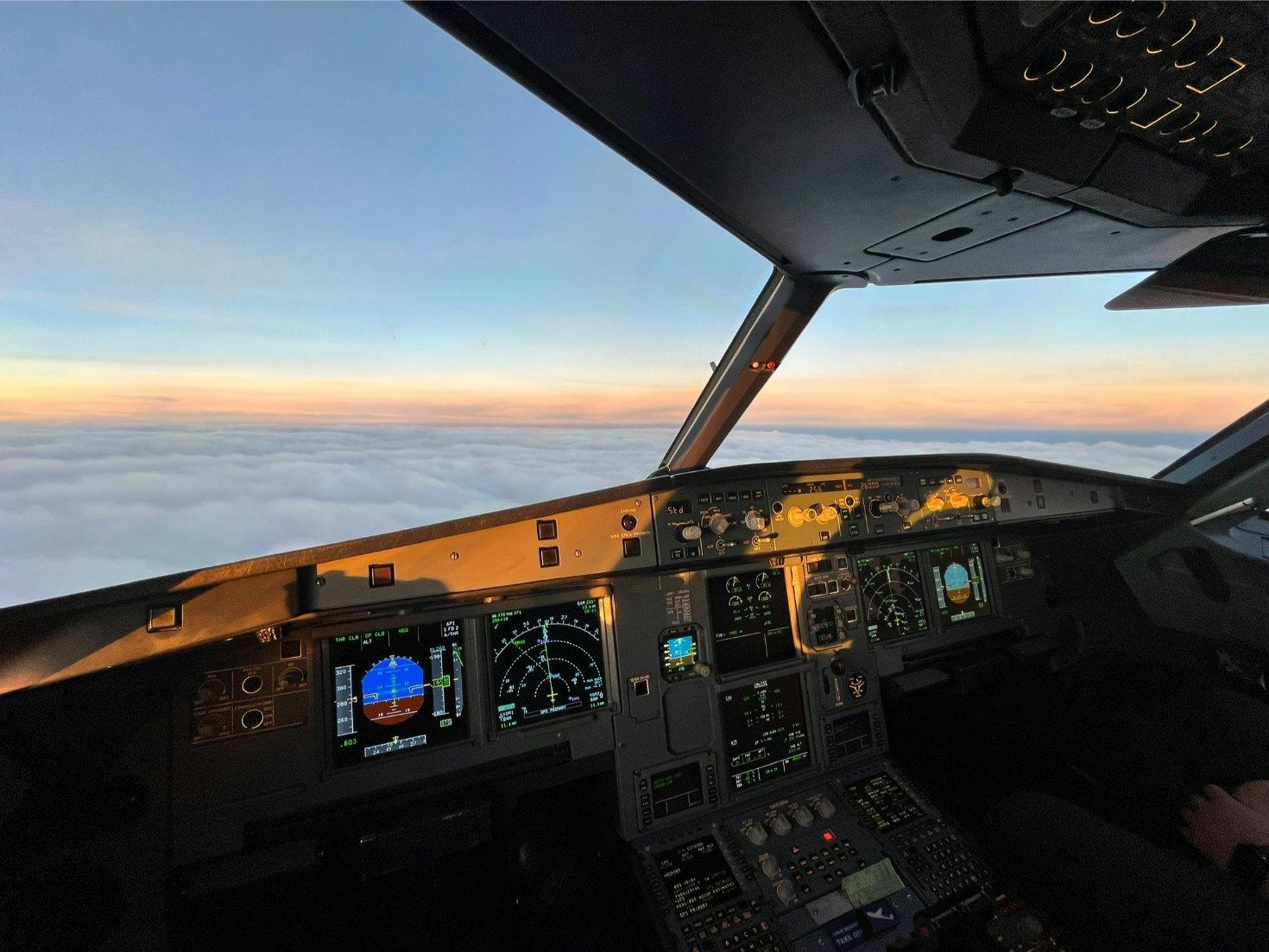
Passengers observing an Airbus A320 taxiing to or from the gate may notice an unusual sight: one engine’s fan blades remain stationary while the other continues to operate. This practice, known as single-engine taxiing, has become a widespread standard within the airline industry. Its adoption, however, extends beyond operational convenience, encompassing economic, environmental, and safety considerations.
From Cost-Saving Measure to Industry Standard
Single-engine taxiing initially emerged as an optional technique, primarily employed by ultra-low-cost carriers or during prolonged airport delays to conserve fuel. Over time, rising fuel prices and growing environmental concerns have driven airlines and manufacturers to emphasize operational efficiency more rigorously. What began as a marginal cost-saving tactic has evolved into a fundamental component of contemporary airline procedures.
Airbus played a pivotal role in this transition by revising its official pilot documentation. The company relocated the single-engine taxi-in procedure from the Supplementary Procedures section to the Standard Operating Procedures within the Flight Crew Operating Manual. This change, implemented in coordination with aviation regulators, effectively established single-engine taxiing as the default recommendation for A320 flight crews worldwide. Consequently, airlines updated their operational manuals accordingly, and for pilots, shutting down Engine Two during taxi-in has become as routine as deploying flaps or activating the taxi light—except when specific environmental or mechanical conditions necessitate the use of both engines.
The Economics and Safety Behind the Practice
The primary impetus for single-engine taxiing is economic efficiency. Jet engines are optimized for performance at cruising altitudes rather than idling on the ground, where fuel consumption remains disproportionately high. Operating both engines during taxi, especially amid congested airport conditions, results in significant fuel burn. By shutting down one engine, pilots can reduce idle fuel consumption by nearly half. On average, an A320 saves approximately 8.8 pounds (four kilograms) of jet fuel per minute when taxiing on a single engine. When aggregated across thousands of daily flights, these savings yield considerable economic and environmental benefits.
Safety considerations also influence the decision to taxi on one engine. Pilots may shut down an engine in response to malfunctions or to mitigate potential hazards prior to takeoff. In such instances, safety imperatives override efficiency concerns, with airlines prioritizing the well-being of passengers and crew. These safety-driven practices can affect market perceptions and encourage competitors to adopt similar protocols or revise their operational standards accordingly.
Looking Ahead: The Future of A320 Operations
The adoption and normalization of single-engine taxiing exemplify broader trends in aviation, where efficiency and safety are increasingly integrated. As Airbus prepares to introduce the A320’s successor, currently designated as eAction and expected to enter service around 2030, industry standards and market dynamics are poised to evolve further. Advances in aircraft design and operational procedures will continue to influence how airlines balance efficiency, safety, and environmental responsibility both on the ground and in flight.

Etihad and Swissport Extend Global Partnership

Sepehran Airlines B737 Returns to Mashhad After Tyre and Engine Issues

Etihad Deploys Widebody Fleet to Meet Strong Demand

Korean Air Finalizes $36.2 Billion Deal with Boeing
Australia’s RFDS Queensland Section Orders Six King Air 260Cs

Korean Air Finalizes Order for 103 Boeing Jets and Engines
Embraer E195-E2 Features Distinctive Engine Placement Among Regional Jets
What Passengers Can Expect on Boeing’s New 777X Jet

How Ethiopian Airlines Became Africa’s Leading Carrier Amid Gulf Competition
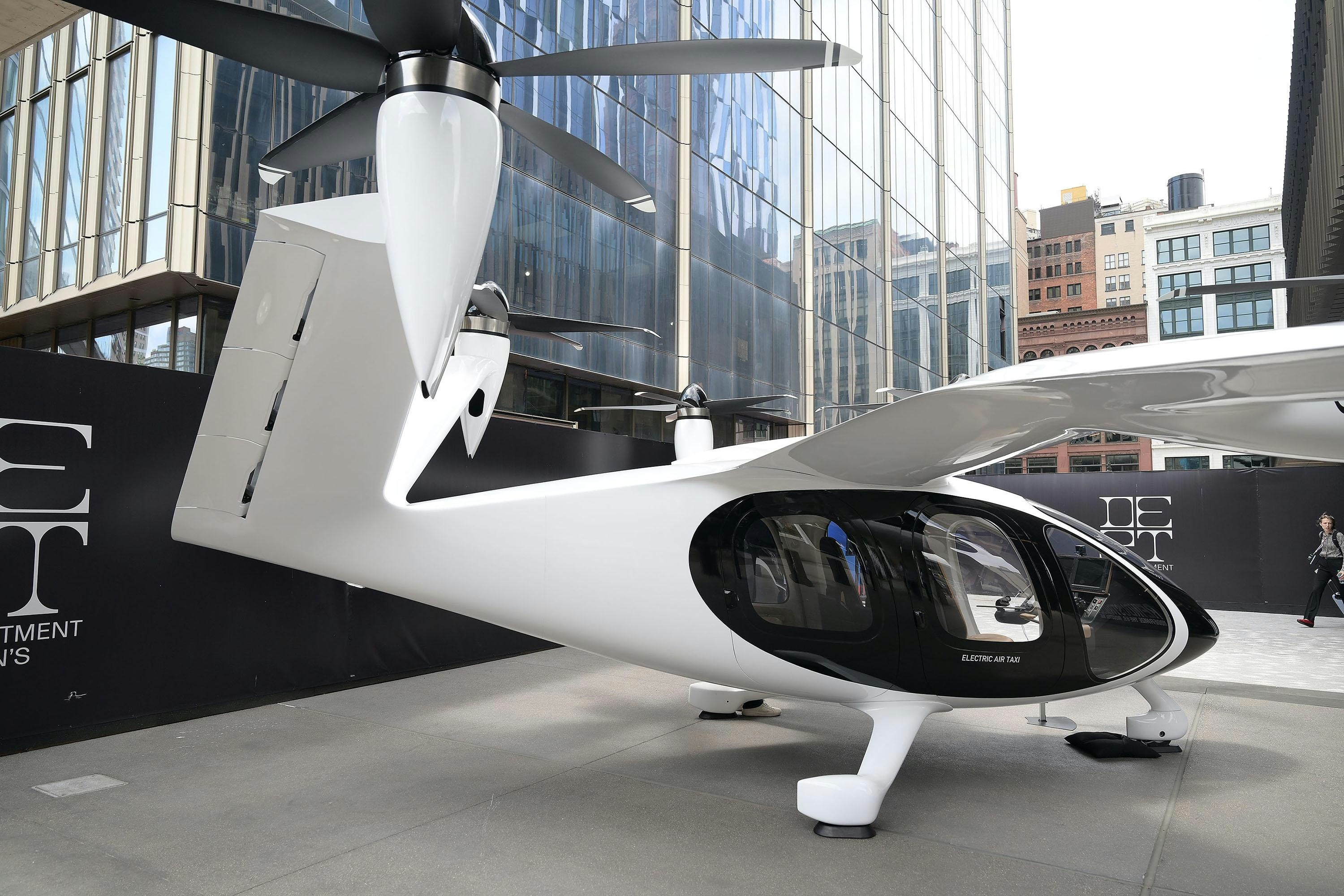
Joby Aviation Extends Autonomous Flight Capabilities with Cross-Country Tour
