
Zet AI‑inzichten om in gerichte actie

Trending
Categories
Advancing Precision Engineering in Aerospace and Aviation
Advancing Precision Engineering in Aerospace and Aviation
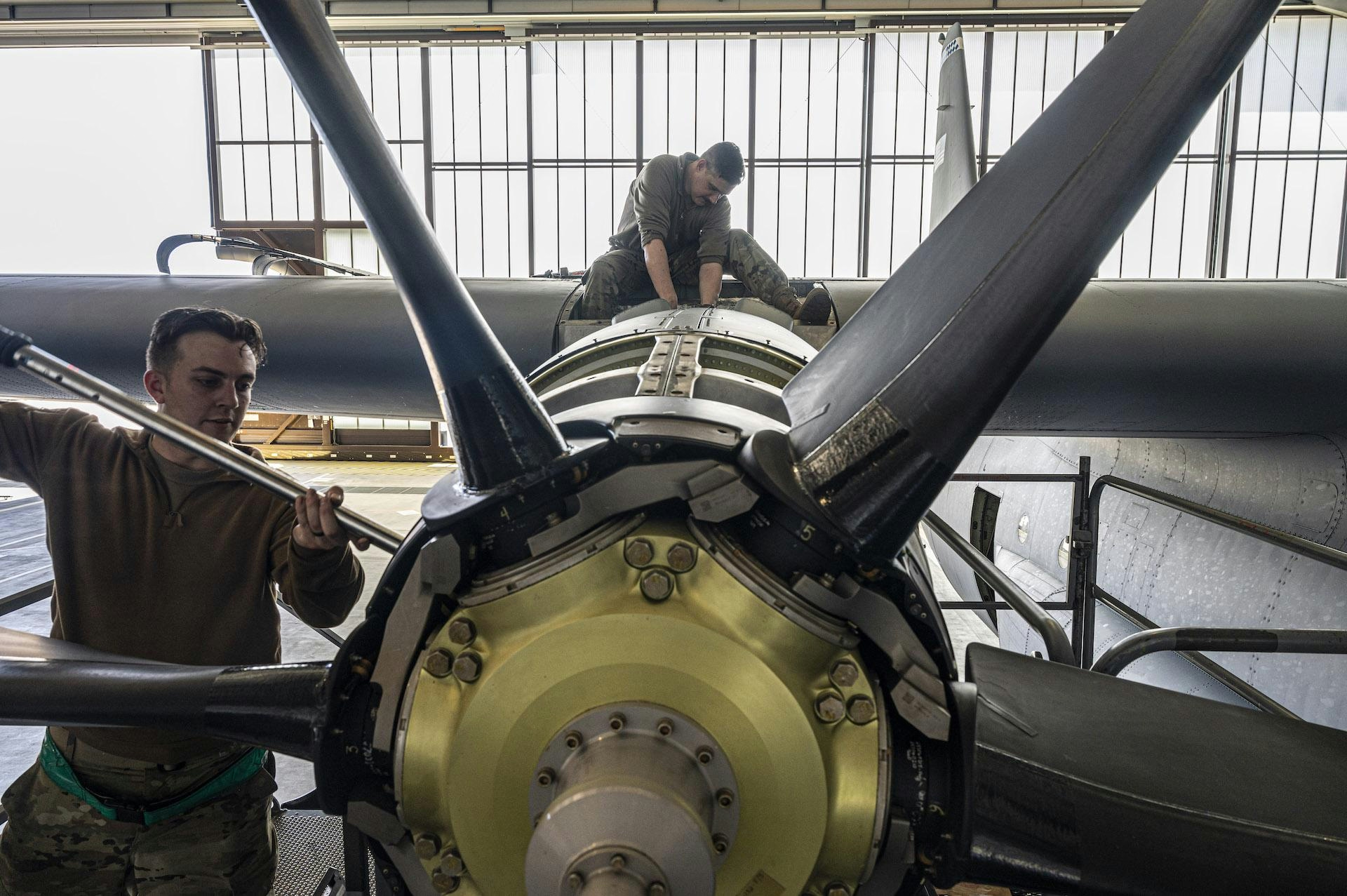
Aerospace industrial development occupies a pivotal role in modern engineering, forming the backbone of the aviation ecosystem through the design, manufacturing, and maintenance of highly complex systems that ensure aircraft remain safe, efficient, and operational. This sector spans a broad spectrum, from commercial airliners and military platforms to space exploration vehicles, all unified by a commitment to precision, durability, and performance. As the aviation industry continues to evolve, the demand for lighter, stronger, and more efficient aircraft intensifies, driving innovations that enhance fuel efficiency, reduce operational costs, and improve flight safety, thereby reshaping the future of global aviation.
The Foundation of Aerospace Industrial Development
At its essence, aerospace industrial development is a multidisciplinary pursuit that integrates engineering design, advanced manufacturing techniques, material science, and system integration. The production of critical components—such as fuselage structures, landing gear, turbine parts, and avionics housings—relies on specialized processes including machining, forging, casting, composite fabrication, and additive manufacturing. Each component must adhere to stringent international standards established by regulatory authorities like the Federal Aviation Administration (FAA) and the European Union Aviation Safety Agency (EASA). These standards ensure that parts maintain reliability under extreme conditions, ranging from high-altitude pressure variations to continuous mechanical stress.
Core Areas of Advancement
Manufacturers are increasingly prioritizing the production of lightweight yet durable components by employing advanced materials such as carbon fiber composites, titanium alloys, and aerospace-grade aluminum. These materials are selected to reduce aircraft weight, lower fuel consumption, and decrease emissions—factors that are particularly critical in commercial aviation, where fuel costs represent a significant expense. However, the market for materials like titanium alloys remains volatile, influenced by the demand generated by next-generation aircraft and the broader impact of global economic fluctuations on supply chains.
Precision engineering and design optimization are central to aerospace development, as even minor deviations can compromise performance and safety. The industry leverages computer-aided design (CAD), simulation tools, and digital twin technology to refine designs virtually, minimizing errors prior to production. This approach ensures the seamless integration of complex systems, from structural assemblies to avionics, all maintained within exacting tolerances.
Beyond manufacturing, aerospace industrial development encompasses comprehensive maintenance, repair, and overhaul (MRO) services that are essential for extending aircraft lifecycles. These services, which include engine maintenance and avionics upgrades, play a critical role in preserving airworthiness and operational efficiency throughout an aircraft’s service life.
Navigating Industry Challenges
Despite significant technological progress, the aerospace sector faces considerable challenges. Interruptions in U.S. government funding, shifting defense budget priorities, and evolving legislative or regulatory frameworks can disrupt operations and hinder investment. Geopolitical tensions, particularly those affecting major manufacturers such as Boeing, have the potential to influence international sales and complicate supply chains. Furthermore, economic uncertainty contributes to fluctuating demand for advanced materials and compels industry players to intensify efforts to control and reduce costs.
The Path Forward
Aerospace industrial development remains a cornerstone of aviation progress, continuously adapting to technological innovations, economic conditions, and geopolitical dynamics. By advancing precision engineering and embracing cutting-edge innovation, the industry is positioned to meet the demands of a rapidly changing global environment, ensuring safer, more efficient, and more sustainable flight in the years ahead.

Hong Kong's Five-Year Plan Includes Andrew Fan's Aircraft Parts Processing Hub Proposal

ACIA Aero Leasing Delivers ATR72-600 to Air Nostrum

RTX Appoints Jill Albertelli as Head of Pratt & Whitney

TAT Technologies Joins Beyond Aero Hydrogen Aircraft Program

AURAK Study Highlights Barriers to Air Taxi Adoption in Emerging Economies

Xiamen Air Selects Altitude for 787 Maintenance at Heathrow

Etihad and Swissport Extend Global Partnership
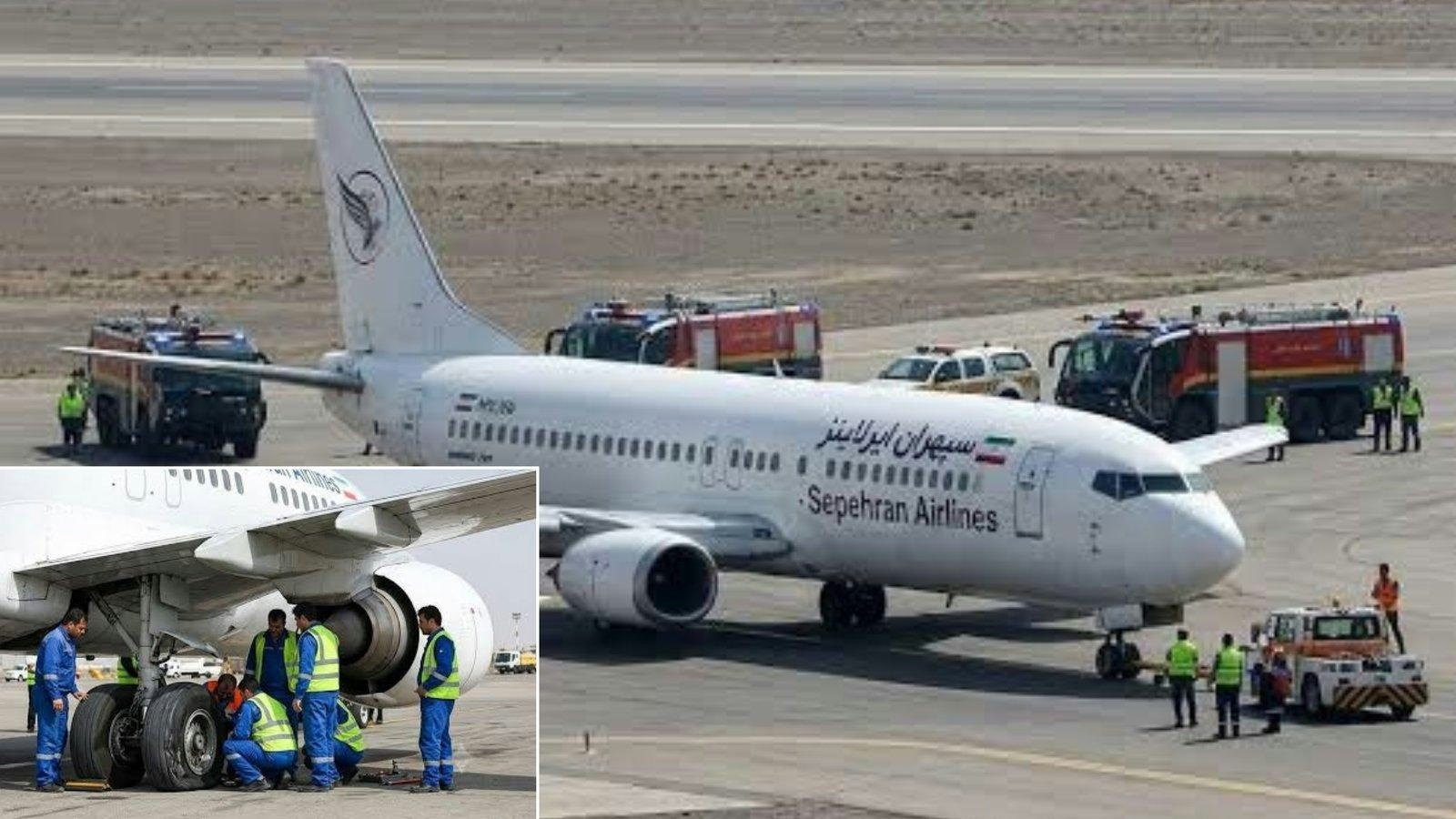
Sepehran Airlines B737 Returns to Mashhad After Tyre and Engine Issues

Etihad Deploys Widebody Fleet to Meet Strong Demand
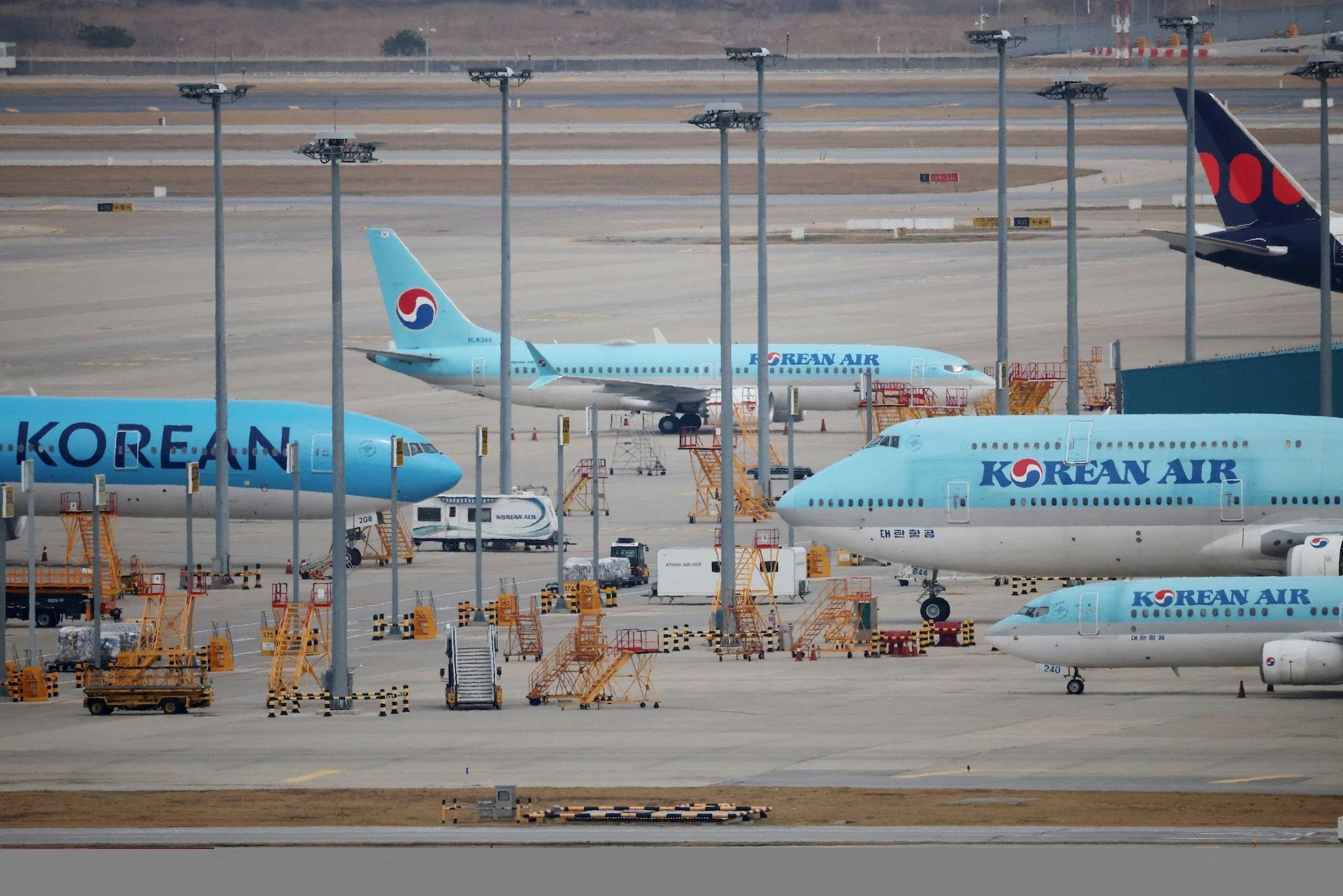
Korean Air Finalizes $36.2 Billion Deal with Boeing
