
Zet AI‑inzichten om in gerichte actie

Trending
Categories
AI Technology Helps Prevent Aircraft Stalls and Altitude Loss
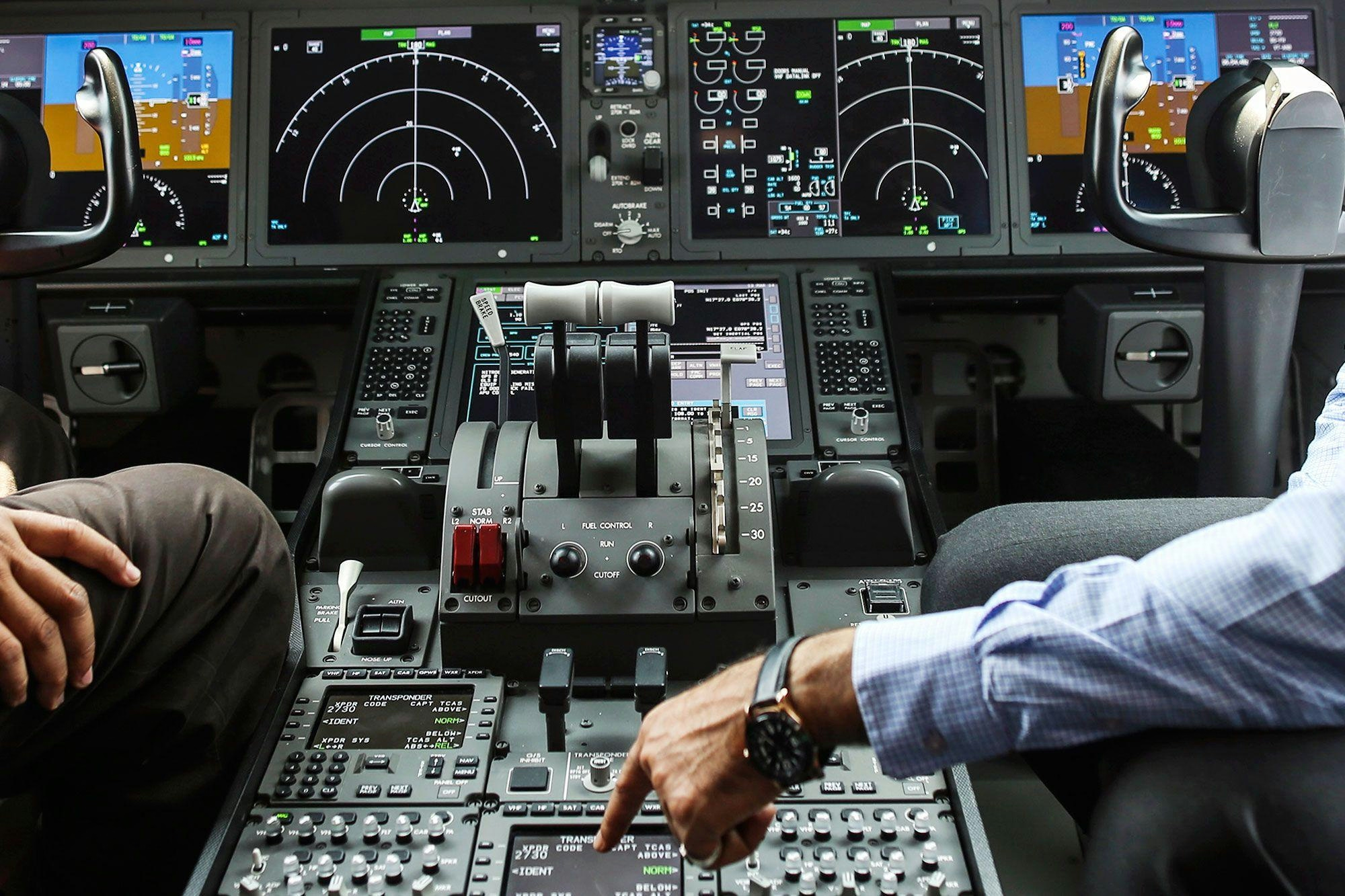
AI Technology Helps Prevent Aircraft Stalls and Altitude Loss
Artificial intelligence is emerging as a powerful tool in addressing critical aerodynamic challenges that contribute to dangerous mid-air incidents, such as sudden altitude drops. A recent study conducted by researchers at KTH Royal Institute of Technology and the Barcelona Supercomputing Center has demonstrated that machine learning can significantly enhance experimental methods designed to control airflow over aircraft wings, specifically targeting the phenomenon known as flow detachment or turbulent separation bubbles.
Advancing Aerodynamics Through Machine Learning
The AI system developed in the study employs deep reinforcement learning to adapt dynamically to changing airflow conditions by learning from prior experiences. Ricardo Vinuesa, a fluid dynamics and machine learning expert at KTH, explained that the technology focuses on mitigating flow detachment—a condition where air ceases to follow the wing’s surface, resulting in swirling, stalled airflow. This typically occurs when the wing operates at a high angle of attack or when air velocity decreases due to rising pressure. The consequence is a loss of lift coupled with increased drag, which can precipitate a stall and compromise aircraft control.
To test the AI’s effectiveness, the research team applied it to the control of synthetic jets—devices that emit pulses of air through small openings on the wing surface. These jets are designed to work alongside physical components like vortex generators, which help maintain smooth airflow. Unlike traditional methods that activate these jets at fixed intervals, the AI-driven approach adapts in real time, achieving a 9 percent reduction in the size of turbulent separation bubbles compared to a 6.8 percent reduction with periodic activation. This improvement underscores the potential of AI to optimize aerodynamic performance beyond conventional techniques.
Vinuesa emphasized the broader implications of the findings, stating, “This study highlights how important AI is for scientific innovation. It offers exciting implications for aerodynamics, energy efficiency, and next-generation computational fluid dynamics.”
Economic and Regulatory Challenges Ahead
Despite the promising technological advances, integrating AI into aviation safety systems presents significant challenges. Industry analysts, including Fitch Ratings and economists from the European Central Bank, have warned that the rapid expansion of AI-driven technologies may lead to overvaluation in related markets, increasing the risk of a financial correction. Furthermore, fund managers and industry observers anticipate that regulatory scrutiny will intensify as governments and agencies seek to address safety, transparency, and ethical concerns surrounding AI deployment.
These regulatory pressures could slow the pace at which AI innovations are adopted in critical sectors such as aviation. Uncertainty regarding the long-term revenue potential of AI applications may also contribute to volatility in financial markets, complicating investment and development strategies.
As aerospace engineers continue to explore AI’s potential to enhance flight safety and efficiency, the interplay between technological progress and the broader economic and regulatory environment will be pivotal in determining the speed and extent of AI integration into commercial aircraft. The current research thus highlights both the transformative promise of AI and the complex challenges that lie ahead for the next generation of aviation safety systems.

Etihad and Swissport Extend Global Partnership

Sepehran Airlines B737 Returns to Mashhad After Tyre and Engine Issues

Etihad Deploys Widebody Fleet to Meet Strong Demand

Korean Air Finalizes $36.2 Billion Deal with Boeing
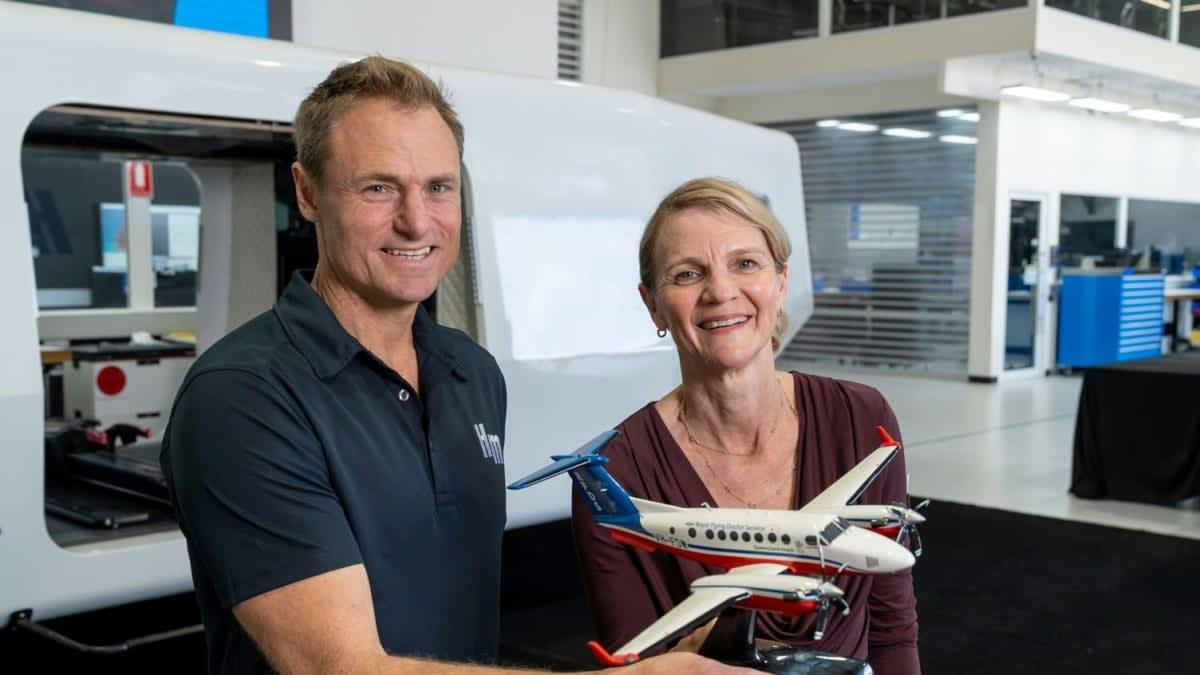
Australia’s RFDS Queensland Section Orders Six King Air 260Cs

Korean Air Finalizes Order for 103 Boeing Jets and Engines
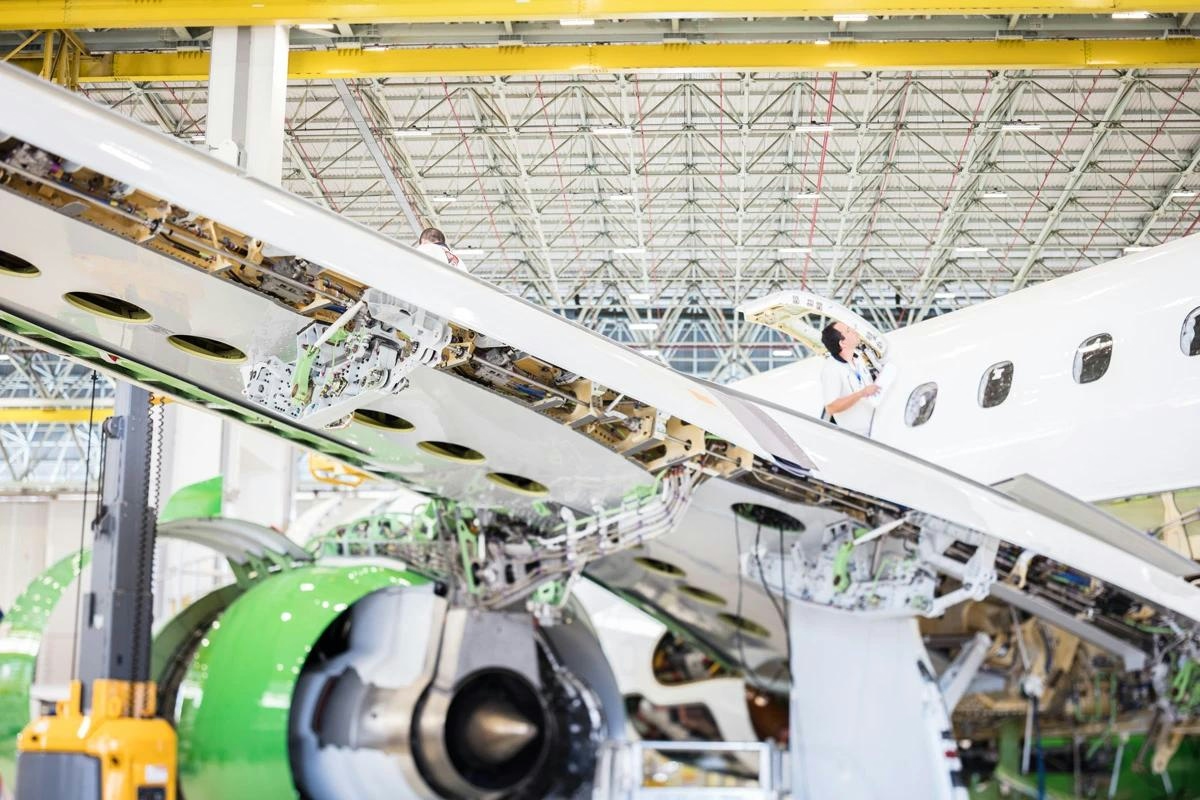
Embraer E195-E2 Features Distinctive Engine Placement Among Regional Jets
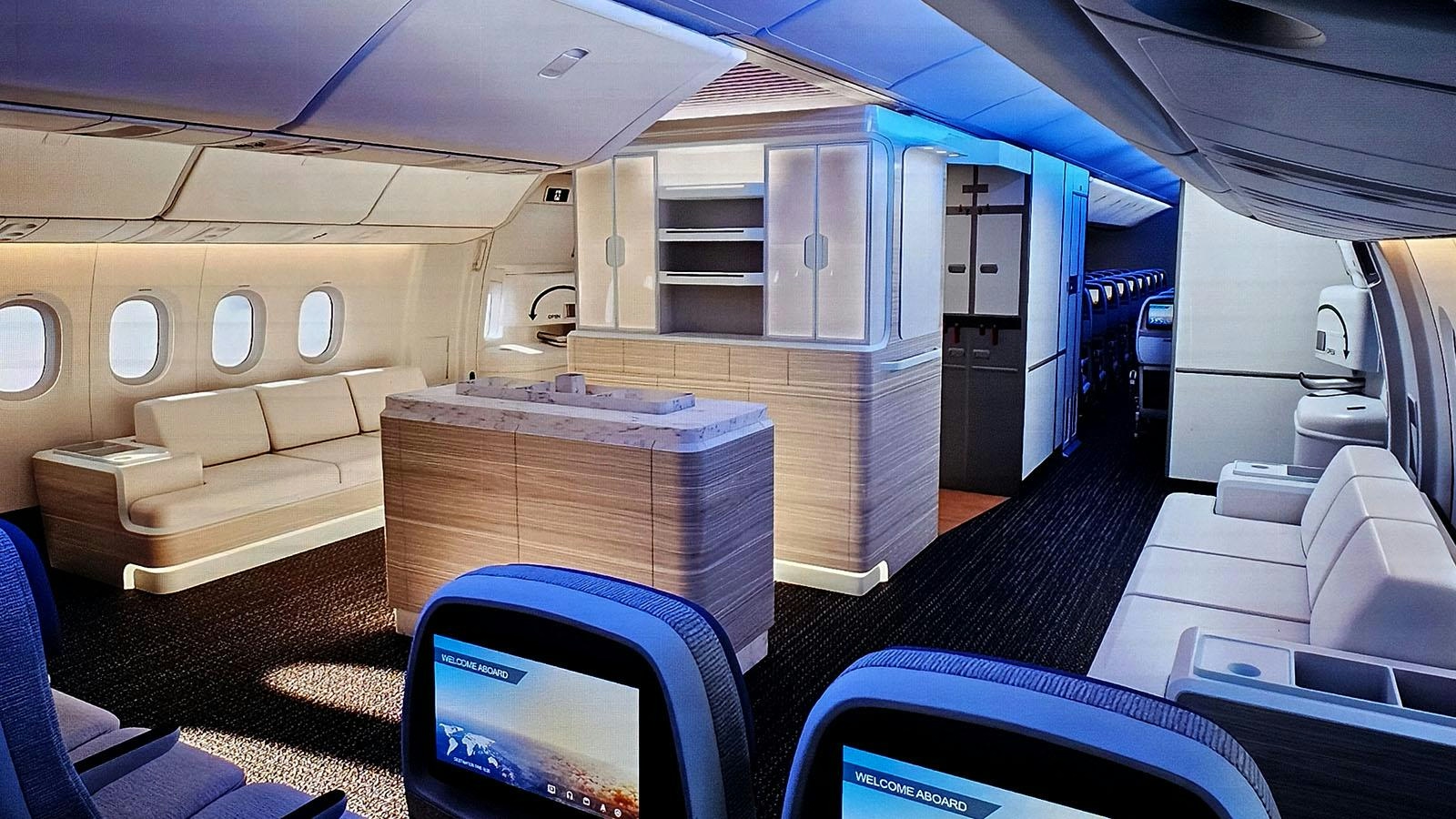
What Passengers Can Expect on Boeing’s New 777X Jet

How Ethiopian Airlines Became Africa’s Leading Carrier Amid Gulf Competition
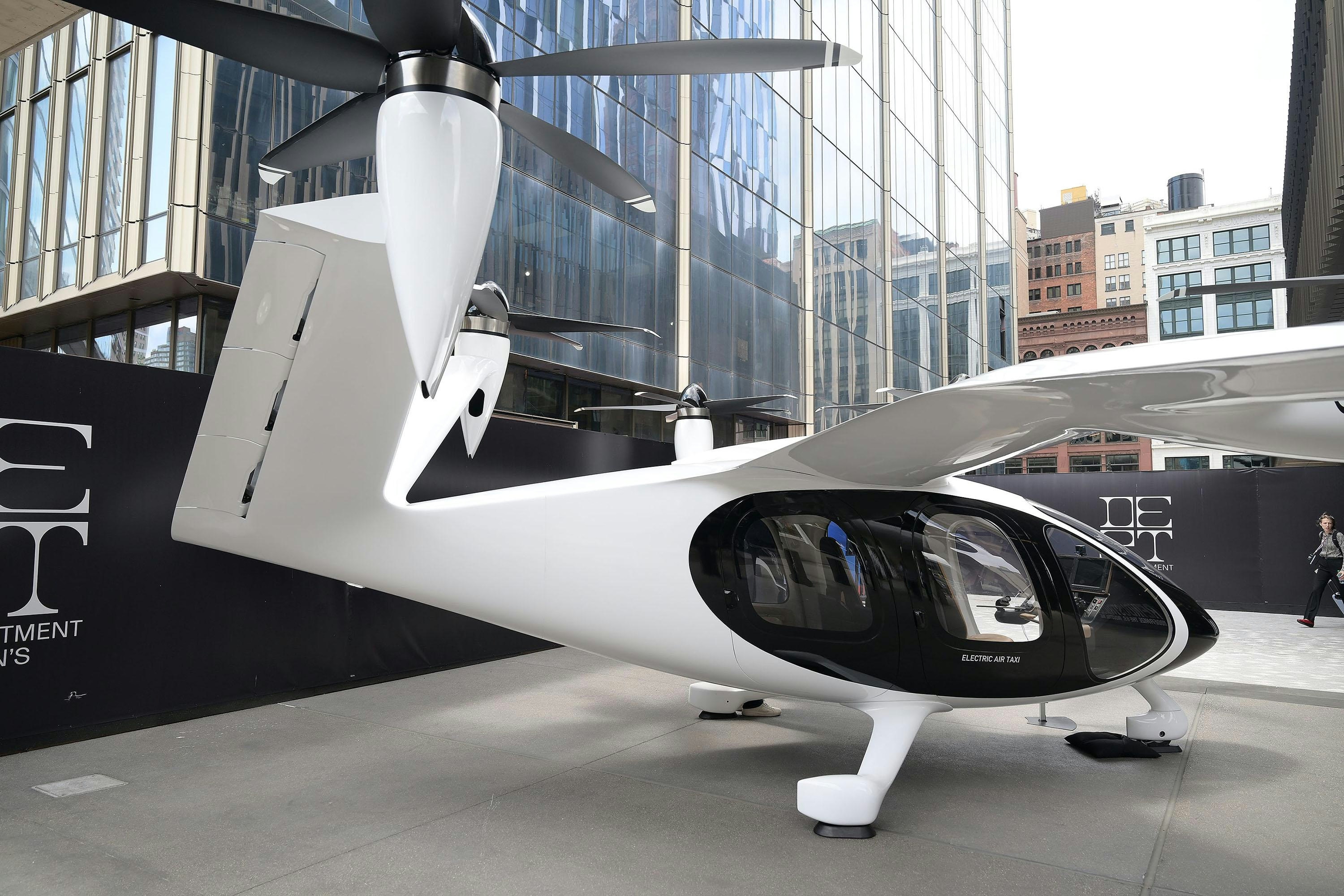
Joby Aviation Extends Autonomous Flight Capabilities with Cross-Country Tour
