
Zet AI‑inzichten om in gerichte actie

Trending
Categories
Air Transat Flight 236: The Azores Glider Incident
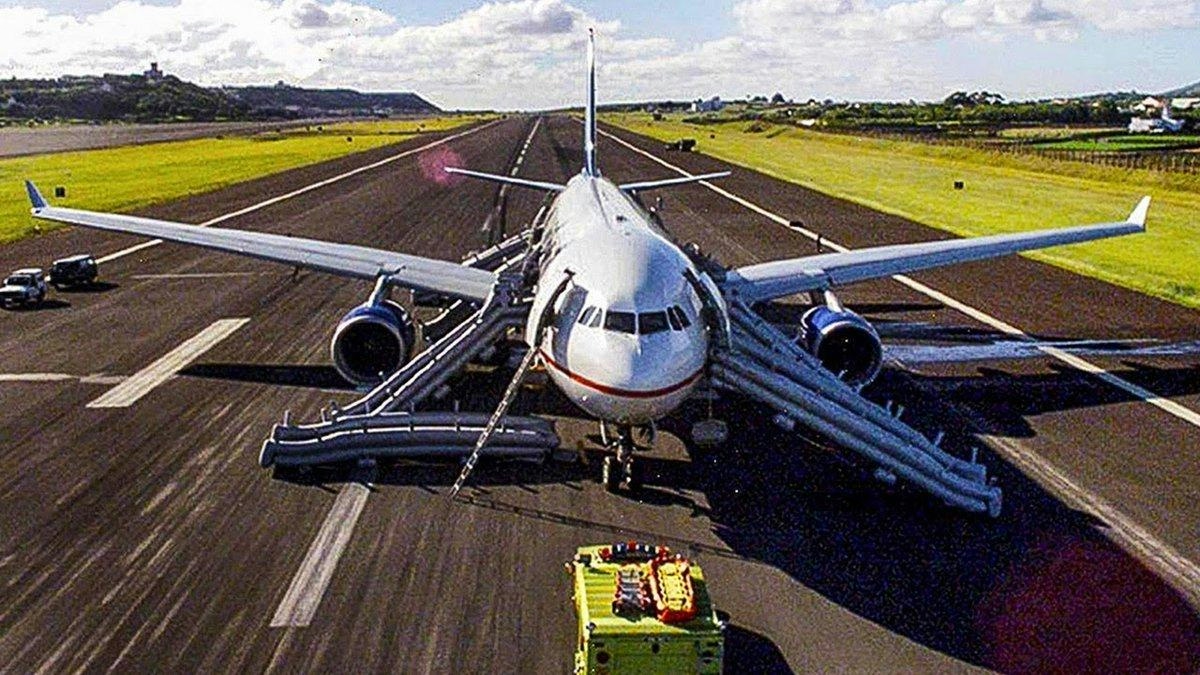
Air Transat Flight 236: The Azores Glider Incident
Just after 2 a.m. over the mid-Atlantic, the cockpit of Air Transat Flight 236 fell eerily silent. The steady hum of the Airbus A330’s engines ceased abruptly, replaced only by the faint whistle of wind rushing past a 180-tonne aircraft descending at a rate of 2,000 feet per minute toward the dark ocean below. Behind the flight deck, 293 passengers gripped their seats beneath dangling oxygen masks, while ahead, somewhere in the night, lay a solitary runway on a volcanic island in the Azores—offering the only hope for survival.
On August 24, 2001, what began as a routine redeye flight from Toronto to Lisbon transformed into the longest glide ever performed by a commercial airliner in distress. Against overwhelming odds, all 306 people on board survived. This was not a crash but a remarkable demonstration of airmanship—piloting a powerless aircraft in darkness over open water.
The Flight and Its Hidden Flaw
Air Transat Flight 236 departed Toronto at 00:52 UTC, carrying 46.9 tonnes of fuel, well above regulatory minimums. However, a critical flaw had been introduced during maintenance a week earlier. On August 17, the aircraft’s right engine was replaced with a loaned unit from Rolls-Royce. During this process, a hydraulic component was installed that did not perfectly match the original specifications. Despite concerns raised by the lead mechanic, an adaptation was authorized, leaving only millimeters of clearance between a hydraulic line and a fuel line. Over several hours of flight, these two lines chafed against each other until the fuel line ruptured, causing a leak that went undetected until it was too late.
As the fuel supply dwindled, both engines failed, forcing the crew to glide the aircraft approximately 65 nautical miles (120 kilometers) to Lajes Air Base on Terceira Island in the Azores. The pilots’ skillful handling of the powerless Airbus A330 in such dire circumstances ensured a safe landing, despite the aircraft’s tires bursting upon touchdown. Of the 306 people on board, all survived, though 18 sustained injuries—16 minor and two serious—during the evacuation.
Aftermath and Industry Impact
The incident thrust Air Transat into the global spotlight, prompting intense scrutiny from aviation authorities worldwide. Investigations focused on maintenance protocols and crew response, revealing the critical role of both in the near-disaster. The airline faced potential reputational damage and increased regulatory oversight as a result. Competitors quickly emphasized their own safety measures, seeking to reassure passengers and maintain confidence in transatlantic travel.
The broader aviation industry was already under pressure from volatile fuel prices, with LATAM’s CEO warning of possible capacity cuts. This context heightened concerns within Air Transat’s leadership, who began reassessing operational strategies and market positioning in the wake of the incident.
Despite these challenges, the survival of all aboard Flight 236 remains a testament to extraordinary skill and composure under pressure. The event stands as a defining moment in aviation history and a sobering reminder of the critical importance of rigorous maintenance and effective crisis management.

Etihad and Swissport Extend Global Partnership
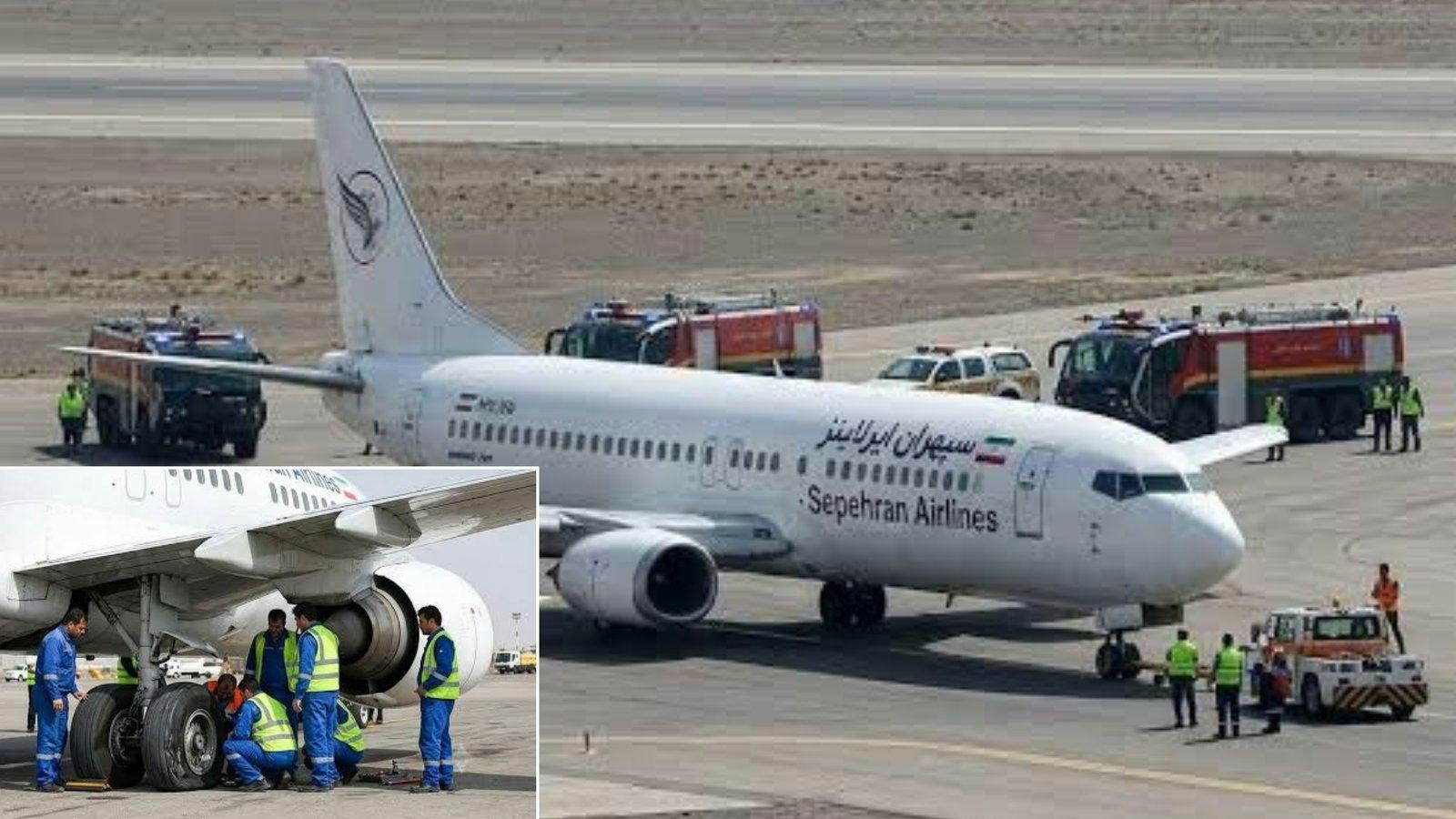
Sepehran Airlines B737 Returns to Mashhad After Tyre and Engine Issues

Etihad Deploys Widebody Fleet to Meet Strong Demand

Korean Air Finalizes $36.2 Billion Deal with Boeing

Australia’s RFDS Queensland Section Orders Six King Air 260Cs

Korean Air Finalizes Order for 103 Boeing Jets and Engines
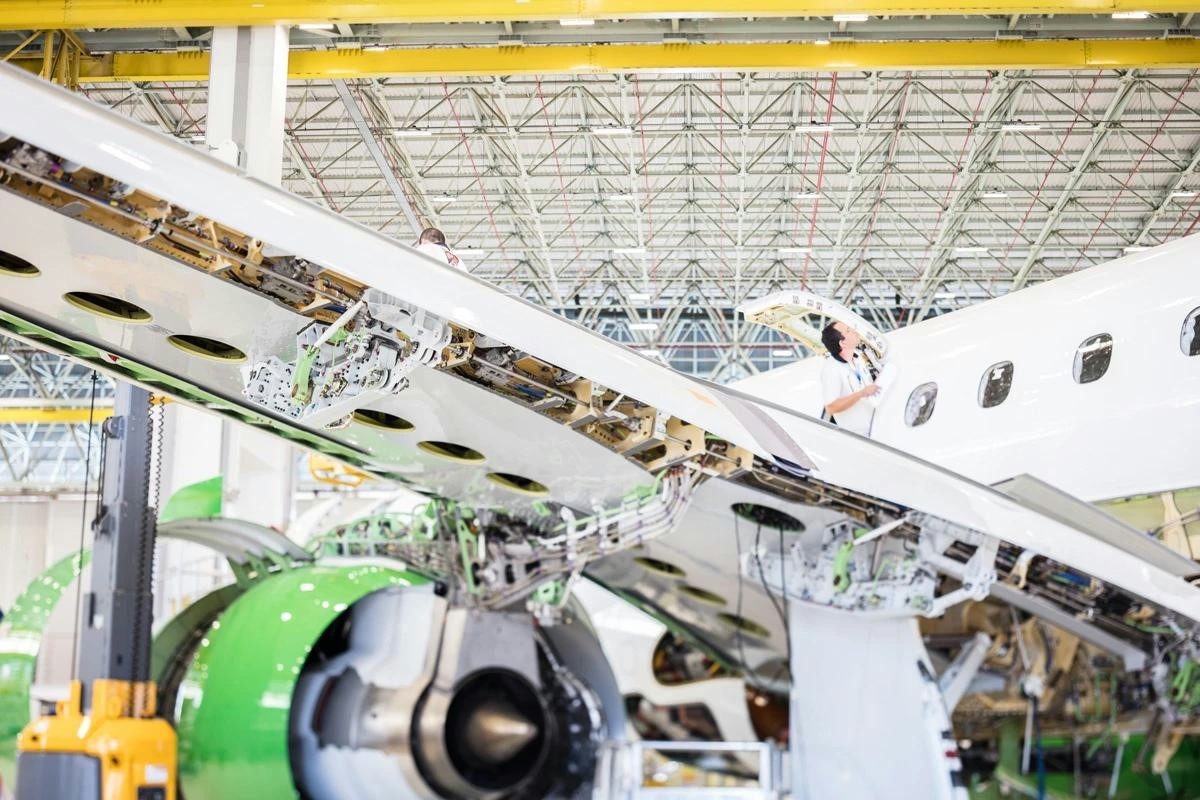
Embraer E195-E2 Features Distinctive Engine Placement Among Regional Jets

What Passengers Can Expect on Boeing’s New 777X Jet

How Ethiopian Airlines Became Africa’s Leading Carrier Amid Gulf Competition

Joby Aviation Extends Autonomous Flight Capabilities with Cross-Country Tour
