
Zet AI‑inzichten om in gerichte actie

Trending
Categories
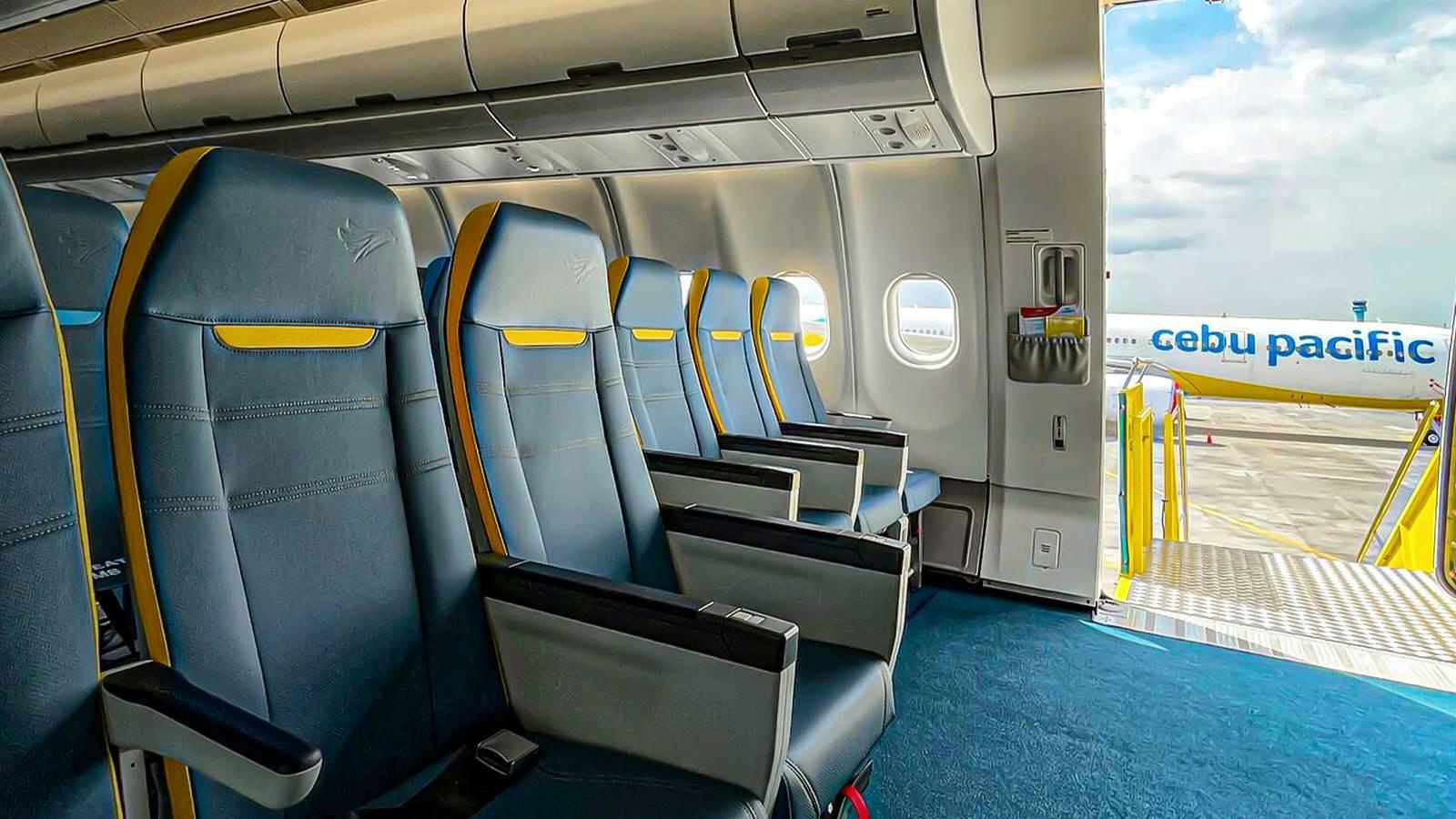
Airlines With the Densest Economy Cabins in 2026
Airlines With the Densest Economy Cabins in 2026
As the airline industry navigates a challenging economic landscape in 2026, the competition for profitability is increasingly centered on the economy cabin. Rising operating costs, fueled by elevated fuel prices, persistent supply-chain disruptions, and delays in aircraft deliveries, have compelled carriers to seek new ways to maximize revenue per flight. Rather than reducing capacity or significantly increasing fares, many airlines are opting to increase seat density, fitting more passengers into the same aircraft space than ever before.
This trend is particularly pronounced among ultra-low-cost carriers, though even traditional full-service airlines are quietly expanding their seating capacity. The result is a growing divide between airlines that emphasize passenger comfort and those that prioritize affordability, especially on short-haul routes where travelers are more willing to accept cramped conditions in exchange for lower ticket prices.
Economic Pressures Driving Denser Cabins
The move toward denser economy cabins is a direct response to the financial pressures facing the industry. In 2026, soaring fuel costs are expected to reduce airline profits by half, forcing carriers to identify new efficiencies. The collapse of Spirit Airlines has further intensified competition, prompting major U.S. carriers such as Southwest and United to expand their networks aggressively to capture displaced market share. Meanwhile, in Europe, consolidation among airline groups like Lufthansa and Air France-KLM continues, heightening the imperative for stringent cost control.
Technological advances in seat design have facilitated this shift. Innovations such as slimline seats, thinner cushioning, and reduced recline angles allow airlines to add more rows without compromising safety standards. While these modifications may appear minor, they can significantly affect passenger comfort, particularly on flights exceeding a few hours. Additionally, some airlines have introduced stricter carry-on baggage policies to expedite boarding and reduce turnaround times, posing further challenges for travelers carrying bulky items such as photographic equipment.
Ryanair’s Boeing 737 MAX 8–200: Setting the Standard for High-Density Seating
Ryanair stands out as a leading example of the push for maximum seating capacity with its Boeing 737 MAX 8–200 fleet. Whereas most airlines configure the standard MAX 8 with between 162 and 178 seats, Ryanair’s configuration accommodates 197 passengers, representing the highest seat density for a narrowbody aircraft in regular commercial service. This is achieved through the installation of additional mid-cabin emergency exits and a cabin layout meticulously optimized for space efficiency, featuring minimal seat padding and limited recline.
Implications for the Passenger Experience
For travelers, the increasing density of economy cabins translates into reduced personal space and, in some cases, more restrictive baggage allowances. While these configurations help maintain low fares and keep routes economically viable, they also test passenger tolerance, particularly as expectations for comfort vary widely depending on the region and airline brand.
As the airline industry continues to adapt to economic challenges and intensifying competition, the prevalence of densely packed economy cabins appears set to persist. For passengers opting for the most affordable seats, understanding these seating arrangements is crucial, as comfort is often sacrificed in favor of accessibility and cost savings in the evolving landscape of economy class travel in 2026.

Etihad Airways Suspends Airbus A380 Flights on Key Route

Aditya Birla Group Seeks Approval for Aircraft Leasing in GIFT City

Qatar Airways Highlights Innovation and Connectivity at Arabian Travel Market 2026

Hong Kong's Five-Year Plan Includes Andrew Fan's Aircraft Parts Processing Hub Proposal

ACIA Aero Leasing Delivers ATR72-600 to Air Nostrum

RTX Appoints Jill Albertelli as Head of Pratt & Whitney

TAT Technologies Joins Beyond Aero Hydrogen Aircraft Program

AURAK Study Highlights Barriers to Air Taxi Adoption in Emerging Economies

Xiamen Air Selects Altitude for 787 Maintenance at Heathrow

Etihad and Swissport Extend Global Partnership
