Afbeelding

Zet AI‑inzichten om in gerichte actie

Meld je vandaag nog aan voor de AeroGenie-wachtlijst!

Trending

Categories

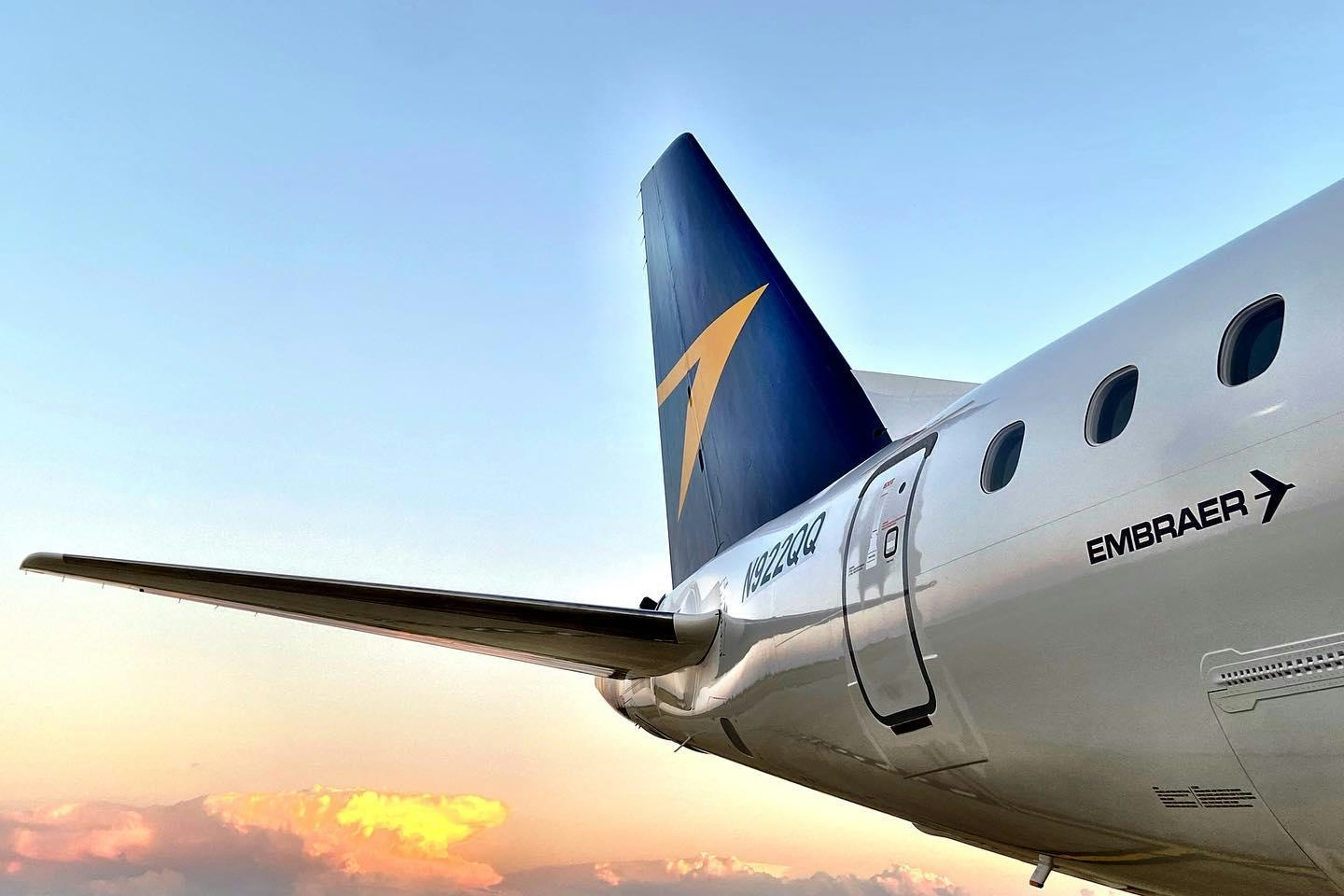
Alliance to Cut E190 Fleet in Revised Qantas Wet-Lease Agreement
August 7, 2026By ePlane AI
Alliance to Cut E190 Fleet in Revised Qantas Wet-Lease Agreement
0
0
Alliance Aviation
Qantas
Embraer E190

Alliance to Reduce Embraer E190 Fleet in Revised Qantas Wet-Lease Agreement

Alliance Aviation will reduce the number of Embraer E190 aircraft it operates for Qantas from 30 to 23 under a newly revised wet-lease agreement. This adjustment reflects both carriers’ responses to evolving market conditions and escalating operational expenses. The reduction will be implemented gradually through fiscal year 2027, with the seven aircraft released from the Qantas contract to be redeployed for other ACMI (Aircraft, Crew, Maintenance, and Insurance) and charter operations.

The updated agreement incorporates increased lease rates alongside a new annual escalation mechanism. These changes address rising costs related to aircraft acquisition, maintenance, and logistics, which have exerted pressure on profitability across the aviation sector. The revisions are designed to maintain the commercial viability of the contract amid a challenging cost environment.

Context and Operational Adjustments

Qantas initially began wet-leasing Embraer E190s from Alliance in 2021 to strengthen its QantasLink regional network. The airline is currently in the process of modernizing its regional fleet, progressively introducing Airbus A220-300 aircraft to replace older models. QantasLink’s current fleet is diverse, comprising Boeing 717s, Airbus A220s, Embraer E190s, Fokker 100s, Dash 8 turboprops, and Airbus A319s.

As one of the world’s largest operators of Embraer E190s, with a total fleet of 51 aircraft, Alliance Aviation will adjust its workforce and operational model to align with the reduced flying activity. Employee consultations are planned over the coming months to manage this transition. In addition to the E190s, Alliance operates 22 Fokker 100s and 12 Fokker 70s, primarily serving ACMI, charter, and regional markets throughout Australia.

The financial implications of the revised agreement are expected to be disclosed when Alliance reports its annual results on August 25. Investors will closely examine how the updated contract affects the underlying profit guidance for both Alliance and Qantas, given that higher lease rates and cost escalations may impact earnings.

This development occurs amid intensifying competition and rising costs within the regional airline sector, prompting some operators to reconsider their wet-lease arrangements or explore alternative aircraft types. Market analysts will be monitoring how these changes influence the broader regional aviation landscape in Australia.
More news
The Sikorsky Ilya Muromets: History’s First Heavy Bomber
The Sikorsky Ilya Muromets: History’s First Heavy Bomber

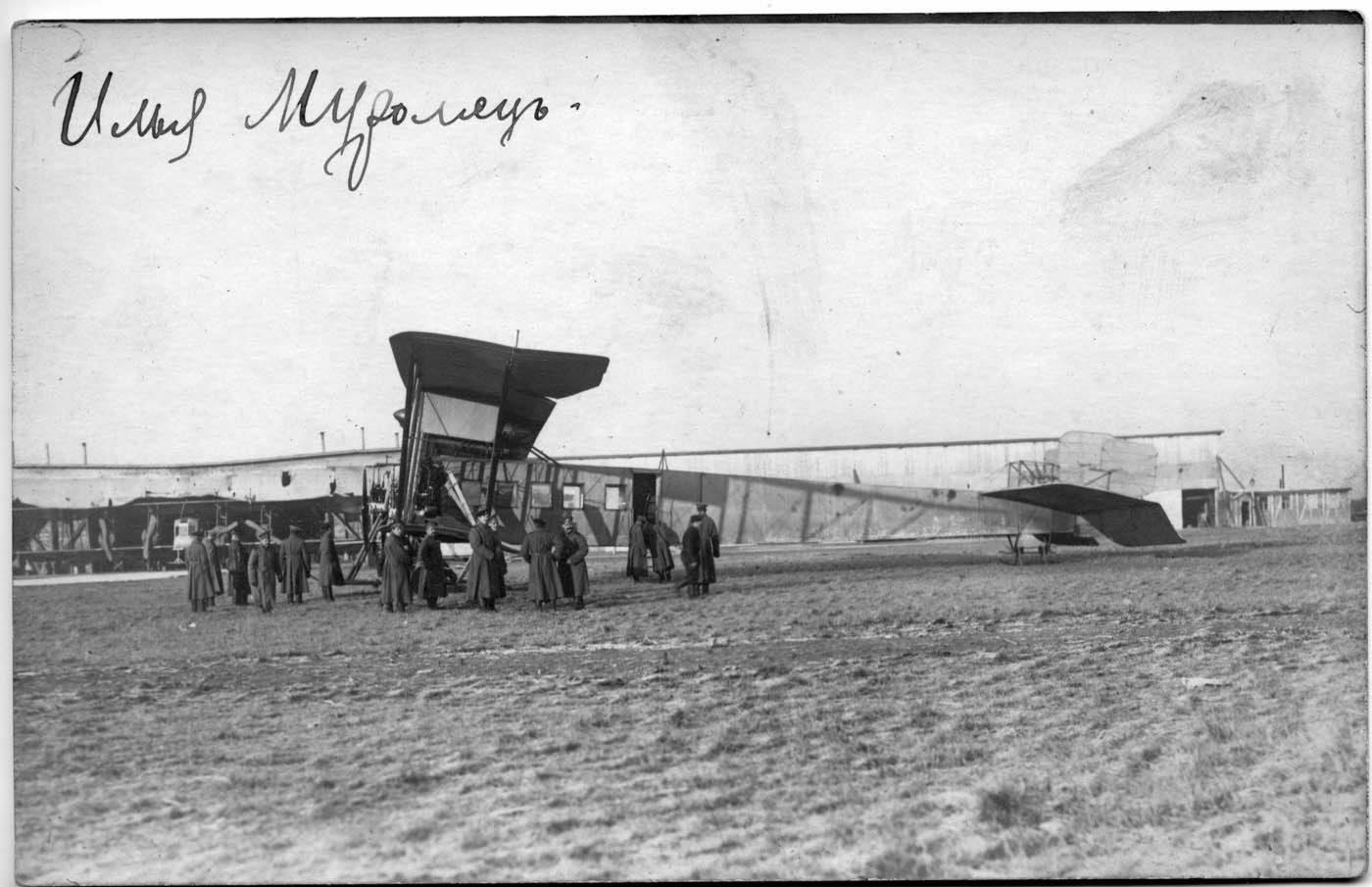
The Sikorsky Ilya Muromets: History’s First Heavy Bomber In 1913, while much of the world was still grappling with the limitations of fragile single-engine biplanes, a young Russian engineer named Igor Sikorsky introduced a revolutionary aircraft: the Ilya Muromets. Named after a legendary figure from Russian folklore, this four-engine behemoth was a remarkable achievement, featuring innovations such as a heated passenger lounge, electric lighting, and even an airborne lavatory—amenities that were far ahead of its time. From Luxury Airliner to Military Bomber Originally designed as a luxury airliner, the Ilya Muromets offered an insulated saloon furnished with wicker chairs, a private compartment equipped with a bed and table, and heating systems that utilized engine exhaust pipes. Electric lights powered by a wind generator illuminated the cabin, while passengers could enjoy views through real windows at the rear of the aircraft. Mechanics were able to walk along the broad wings during flight to service the engines, an extraordinary capability for the era. On February 11, 1914, the aircraft set a world record by carrying sixteen people aloft. Later that summer, it completed a round-trip journey from St. Petersburg to Kiev, covering over 2,000 kilometers. This demonstrated the practical value of large, multi-engine airplanes and quickly caught the attention of the Russian Army, which ordered ten units, thereby ushering in a new chapter in aviation history. With the outbreak of World War I, Sikorsky adapted the Ilya Muromets into the world’s first four-engine heavy bomber. In December 1914, Russia formed the Squadron of Flying Ships, the first dedicated heavy-bomber unit centered around this aircraft. Throughout the war, these bombers flew approximately 400 sorties and dropped 65 tons of bombs. Remarkably, only one was lost to enemy fighters, underscoring the aircraft’s durability and defensive capabilities. German pilots soon learned to avoid direct confrontations with these formidable flying machines. Challenges and Enduring Legacy Despite its groundbreaking design and operational success, the Ilya Muromets faced significant challenges. Its large size and advanced technology required complex maintenance and extensive logistical support, resulting in high operational costs. These factors limited its widespread deployment and necessitated a dedicated infrastructure to maintain mission readiness. Nonetheless, the legacy of the Ilya Muromets endures. Its recent appearances at airshows have rekindled interest among military historians and aviation enthusiasts, highlighting its historical importance and engineering ingenuity. The aircraft’s pioneering role has also drawn renewed attention from global competitors, inspiring the development of advanced heavy bombers such as the U.S. B-52 and Russia’s Su-34, as nations continue to vie for aerial supremacy. Igor Sikorsky, who later fled the Russian Revolution and gained renown in America as a helicopter pioneer, left behind the Ilya Muromets as a testament to innovation. This “flying ship” redefined the possibilities of early aviation and remains a symbol of engineering excellence and visionary design.
IndiGo Discusses Potential Order of Embraer E2 Regional Jets
IndiGo Discusses Potential Order of Embraer E2 Regional Jets

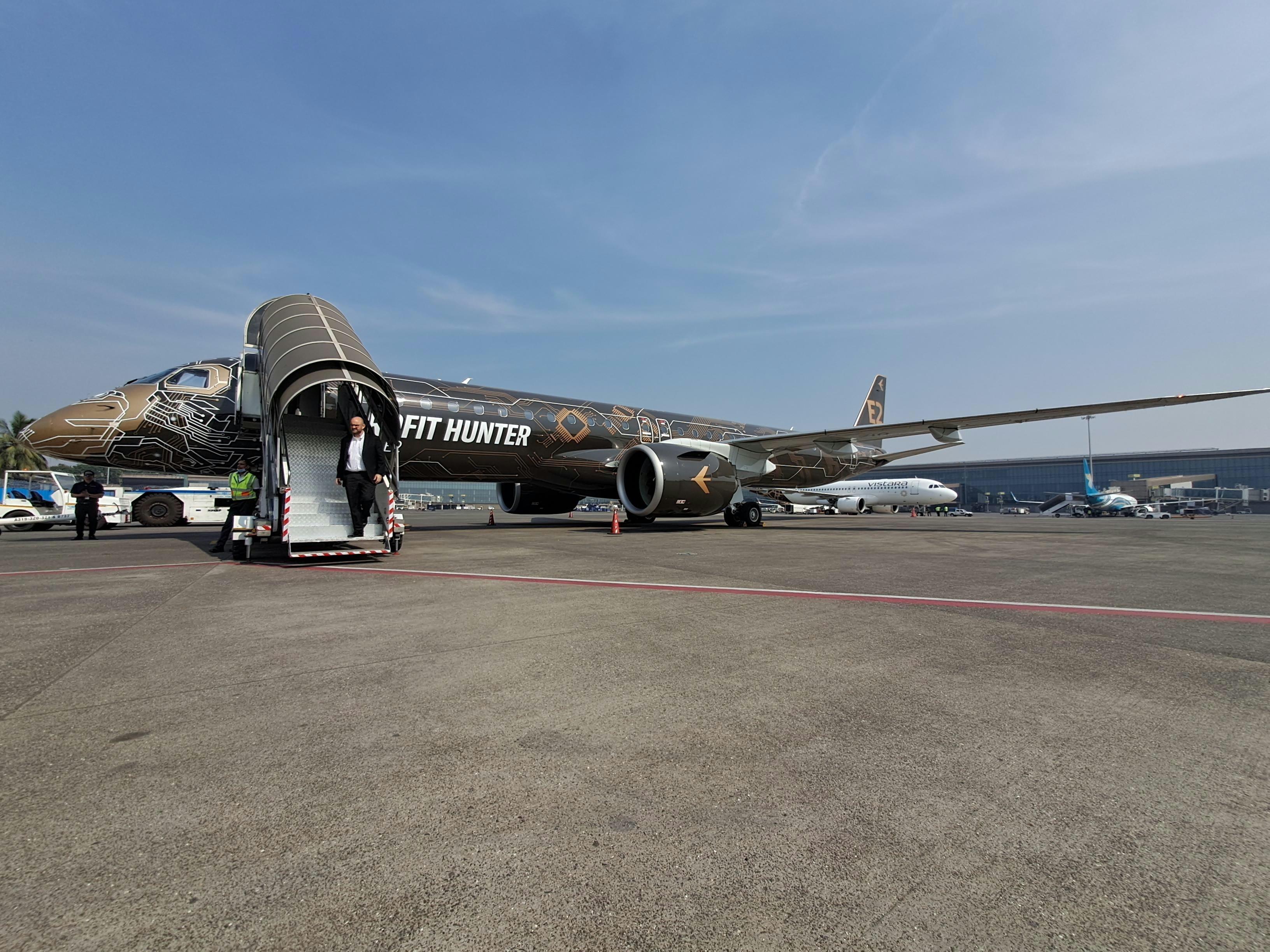
IndiGo in Preliminary Talks with Embraer for E2 Regional Jets India’s largest airline, IndiGo, is engaged in early-stage discussions with Brazilian aircraft manufacturer Embraer SA regarding a potential order for E2 regional jets. This development, reported by Bloomberg sources, could signal a strategic shift for IndiGo, which has traditionally maintained a fleet dominated by Airbus aircraft. As of now, the negotiations remain preliminary, with no formal agreement reached. Potential Fleet Diversification and Capacity Expansion The prospective deal would involve IndiGo evaluating the acquisition of several Embraer E2 jets to replace its existing ATR 72 turboprop fleet and to enhance capacity across its extensive domestic network. Such a move would mark a significant departure from IndiGo’s established fleet composition, which currently includes one of the world’s largest Airbus fleets. The airline operates approximately 420 aircraft, comprising 192 A320-family jets, 179 A321-family aircraft, and 44 ATR 72 turboprops. IndiGo also maintains one of the industry’s largest outstanding orders for the Airbus A320neo family and has recently selected the Airbus A350 for its forthcoming long-haul international routes. While IndiGo’s fleet strategy has historically favored Airbus, the consideration of Embraer’s E2 series suggests a willingness to diversify its aircraft portfolio. Industry analysts observe that opting for Embraer’s E2 jets is a less predictable choice compared to remaining within the Airbus ecosystem by selecting the A220, Airbus’s smallest jetliner. Embraer’s Growing Presence and Industrial Ambitions in India For Embraer, securing an order from IndiGo would represent a significant breakthrough in the Indian aviation market. To date, the Brazilian manufacturer has not secured any E2 orders in India, although regional carrier Star Air operates the E175 through leasing arrangements and is reportedly negotiating to acquire up to 20 additional Embraer aircraft, including leased E190s. Embraer has recently experienced a surge in demand for its E2 series. At the Farnborough International Airshow, the company announced 28 new orders, including a firm commitment from Abra—the holding company behind Gol and Avianca—for 20 E195-E2 jets. This positive market response has strengthened Embraer’s production outlook and plans for expansion, with India identified as a key growth opportunity. The ongoing discussions with IndiGo also revive Embraer’s industrial ambitions in India. The company has previously indicated that establishing a final assembly line for the E175 would require a minimum order of 200 aircraft. Indian media outlets, including The Economic Times, have reported that the Adani Group is prepared to support such a facility if sufficient demand materializes, although no formal agreement has been announced. Neither IndiGo nor Embraer have issued public statements regarding the reported negotiations. Should a deal be finalized, it would constitute Embraer’s largest commercial aircraft sale in India to date, further intensifying competition within the country’s rapidly expanding aviation sector.
Turkey Restructures Aviation Engine Programs to Accelerate Development
Turkey Restructures Aviation Engine Programs to Accelerate Development

Turkey Restructures Aviation Engine Programs to Accelerate Development Consolidation Under TEI Teknoloji Turkey has announced a significant reorganization of its indigenous aviation engine programs, consolidating several initiatives under a newly formed entity, TEI Teknoloji. This strategic move, reported by the state-run Anadolu Agency, aims to accelerate development timelines and optimize engineering resources, reinforcing Turkey’s ambitions in the global aerospace sector. The restructuring is designed to enhance the efficiency and focus of the country’s engine development efforts. As part of the reorganization, TRMOTOR will be renamed TEI Teknoloji. Key projects, including the TF35000 and TS3000 engines, which were previously managed by TUSAŞ Engine Industries (TEI), along with related materials research, will be transferred to the new organization. Additionally, TRMOTOR’s existing engine and auxiliary power unit programs will be integrated into TEI Teknoloji. The Defense Industries Secretariat (SSB) will retain intellectual and industrial property rights for the TF35000 and TS3000 programs, ensuring continued governmental oversight. Operational Focus and Continuity The transition will see engineering and technical teams currently engaged with these projects at TEI move to TEI Teknoloji, preserving institutional knowledge and maintaining continuity across ongoing developments. TEI Teknoloji’s mandate will center on the development of indigenous engines, auxiliary power units, advanced materials, and research and development activities. Meanwhile, TEI will focus on manufacturing, deliveries, product support, established engine programs, and sustaining international partnerships. Certain programs, such as the TS1400 and PD170 engines, will remain under TEI’s management. The company’s parts and module manufacturing, servicing, and product support operations will continue unaffected. Importantly, the restructuring will not alter TEI’s ownership structure or its international commitments, including its collaboration with GE Aerospace and its role in global civil and military engine manufacturing programs. Challenges and Industry Context While the reorganization is intended to streamline operations and expedite progress, it also introduces challenges. The integration of restructured programs and the management of project transitions will require meticulous coordination to prevent disruptions. Aligning new initiatives with the evolving demands of the global aerospace market remains a critical concern, particularly as Turkey seeks to compete with established industry leaders such as Rolls-Royce, which continues to advance its operational and strategic capabilities. Market analysts have expressed skepticism regarding Turkey’s capacity to meet the technological and production standards set by long-standing competitors. In response to Turkey’s ambitions, rival companies may intensify investments in their own engine development programs to maintain or enhance their market positions. Despite these hurdles, Turkish officials express confidence that the new organizational structure will strengthen the country’s ability to develop advanced aviation engines and support its broader defense and aerospace objectives.
How the Boeing 777-300ER Became a Flagship for Leading Airlines

How the Boeing 777-300ER Became a Flagship for Leading Airlines

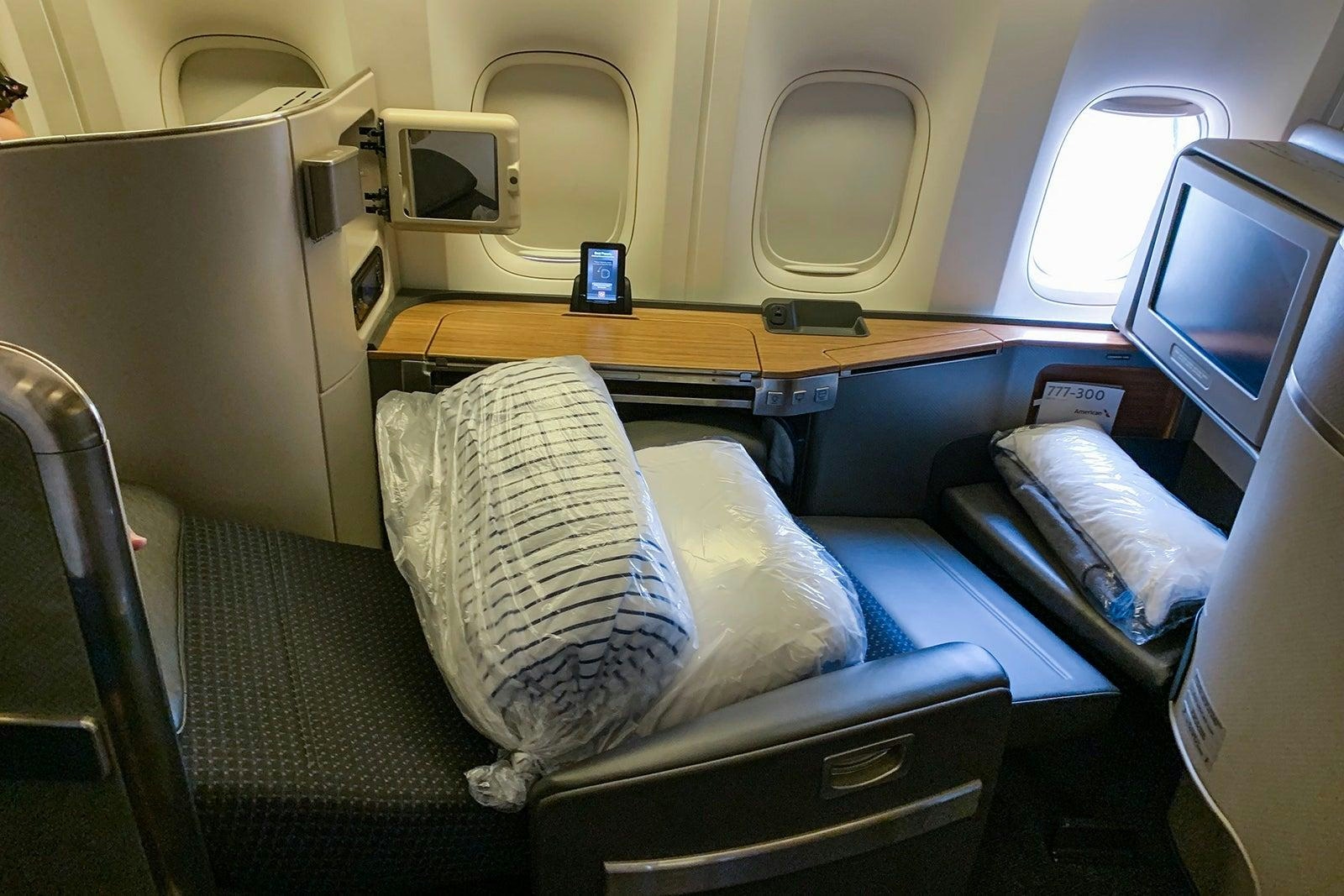
How the Boeing 777-300ER Became a Flagship for Leading Airlines The Boeing 777-300ER has fundamentally transformed long-haul aviation, establishing itself as the flagship aircraft for many of the world’s premier airlines. Building on the legacy of Boeing’s earlier widebody twinjet, the 767, the 777 series showcased how a twin-engine design could deliver both economic efficiency and enhanced passenger experience. Its success played a pivotal role in diminishing the dominance of larger four-engine aircraft such as the Boeing 747, as airlines increasingly favored models that combined high capacity with exceptional fuel efficiency. Engineering Excellence and Operational Impact Central to the 777-300ER’s ascendancy was its ability to merge substantial passenger and cargo capacity with the dependable performance of its GE90 engines. Historically, twin-engine aircraft faced regulatory restrictions that limited their operation on long-haul transoceanic routes, requiring them to remain within close proximity to land. The 777-300ER disrupted this norm by achieving an ETOPS-180 certification, enabling it to operate on routes once exclusive to four-engine aircraft. The GE90 engines not only provided the thrust necessary to match or surpass the range and payload capabilities of larger jets but did so with significantly improved fuel consumption. This technological advancement had far-reaching consequences for airline economics. While aircraft like the Airbus A380 and Boeing 747 offered greater seating capacity, their large size often made it challenging to maintain consistently high load factors, exposing airlines to financial vulnerabilities during periods of reduced demand. In contrast, the 777-300ER’s more moderate capacity allowed carriers to sustain profitability even with lower passenger loads. Its expansive cargo holds, which exceed those of the 747, frequently generate sufficient freight revenue to offset fuel expenses, rendering passenger ticket sales a primary source of profit. Market Adaptation and Industry Influence The emergence of point-to-point route networks further solidified the 777-300ER’s strategic importance. Unlike the traditional hub-and-spoke system that favored larger aircraft, point-to-point travel demands flexibility and operational efficiency. The 777-300ER’s ability to break even with fewer passengers made secondary city pairings economically viable, expanding airlines’ route options. Reflecting this success, Boeing has delivered over 800 units of the 777-300ER, a stark contrast to the mere 48 passenger versions of the 747-8 Intercontinental sold. Far from merely competing with the 747 and A380, the 777-300ER effectively rendered the era of quadjets obsolete. Airlines rapidly adopted the 777-300ER for its optimal balance of payload, range, and efficiency. Introduced in 2002, the aircraft featured an extended fuselage capable of accommodating nearly 400 passengers, achieved with only a modest increase in fuel consumption. This “right-sized” widebody quickly became the backbone of global long-haul fleets, offering a modern and economical solution for international travel. Challenges and Future Prospects Despite its dominance, the 777-300ER faces challenges as airlines pursue fleet modernization. Integrating new aftermarket technologies and converting older aircraft for alternative roles has proven complex. Companies such as Ascent Aviation are employing advanced technological solutions to address these issues, while carriers like China Southern Airlines plan to introduce converted 777 freighters to meet rising cargo demand. Additionally, Air New Zealand has unveiled new cabin designs for its 777s, underscoring ongoing investments in enhancing passenger experience. At the same time, delays in the production of Boeing’s next-generation 777X have caused frustration among key customers, including Emirates, raising concerns about the future competitive landscape. These manufacturing setbacks highlight the evolving dynamics of the widebody market, as airlines weigh the proven reliability and efficiency of the 777-300ER against the potential benefits—and uncertainties—of newer aircraft models. The Boeing 777-300ER’s distinctive combination of efficiency, capacity, and adaptability has secured its status as a flagship aircraft for leading airlines worldwide, even as the industry confronts new technological and operational challenges.
Williamson County Opens $15 Million Innovation Center for Students
Williamson County Opens $15 Million Innovation Center for Students

Williamson County Opens $15 Million Innovation Center to Enhance Student Career Training WILLIAMSON COUNTY, Tenn. — Williamson County has inaugurated a $15 million Innovation Center aimed at expanding career pathways for students through hands-on training in high-demand industries such as aviation, hospitality, cybersecurity, machinery, and fire management. The 26,000-square-foot facility, situated near Franklin High School, is expected to serve approximately 400 students in its inaugural year. Equipped with specialized tools including industrial ovens, flight simulators, and fire suits, the center offers students practical experience designed to complement traditional classroom instruction. Bridging Education and Real-World Experience The Innovation Center seeks to close the gap between academic learning and career readiness by providing students with immersive, real-world opportunities. According to Assistant Director Kris Schneider, the center’s approach intentionally blurs the lines between conventional education and vocational training, allowing students to engage in meaningful, applicable learning. “They need to feel like their learning is real,” Schneider explained, emphasizing the center’s commitment to preparing students for diverse career options. Admission to the center is competitive, with students from across the county applying and interviewing for placement in their chosen programs. Sophomore Jack Gero from Page High School expressed profound gratitude for the aviation program, which he believes will help him pursue his ambition of becoming a military pilot. “I’m very, very grateful, almost in tears, especially after the first flight on the simulator. That’s something I never thought I’d have growing up,” he said. Another student drawn to the hospitality track highlighted the program’s appeal as a way to engage with and assist others in a professional setting. The center is staffed by a multidisciplinary team of ten educators, including local teachers, college professors, and industry experts. Students who qualify for their selected pathways attend the center during their regular school day, with applications currently open for the upcoming semester. The facility also supports students planning to enter the workforce immediately after graduation. Schneider noted the importance of validating these career choices, stating, “We’re making it OK for kids to say, ‘I’m gonna graduate high school and then go straight to the workforce.’” Economic Context and Community Implications The launch of the Innovation Center coincides with significant economic changes in Williamson County. The growing presence of data centers has intensified competition for land, driving up housing prices and exacerbating affordability challenges for many families. This dynamic presents a complex backdrop for the county’s educational advancements, as rising living costs may impact the community’s ability to fully benefit from new opportunities. The center’s establishment may also prompt increased investment in similar educational initiatives within the region, as neighboring districts and competitors seek to enhance their own programs in response. For local families, the Innovation Center represents both a promising avenue for student development and a reminder of the ongoing balance between technological progress and affordable living. Families interested in learning more about the Innovation Center are encouraged to visit the facility and explore the programs available to students.
Joby Aviation Opens Texas Facility Ahead of Dallas-Fort Worth Air Taxi Service
Joby Aviation Opens Texas Facility Ahead of Dallas-Fort Worth Air Taxi Service

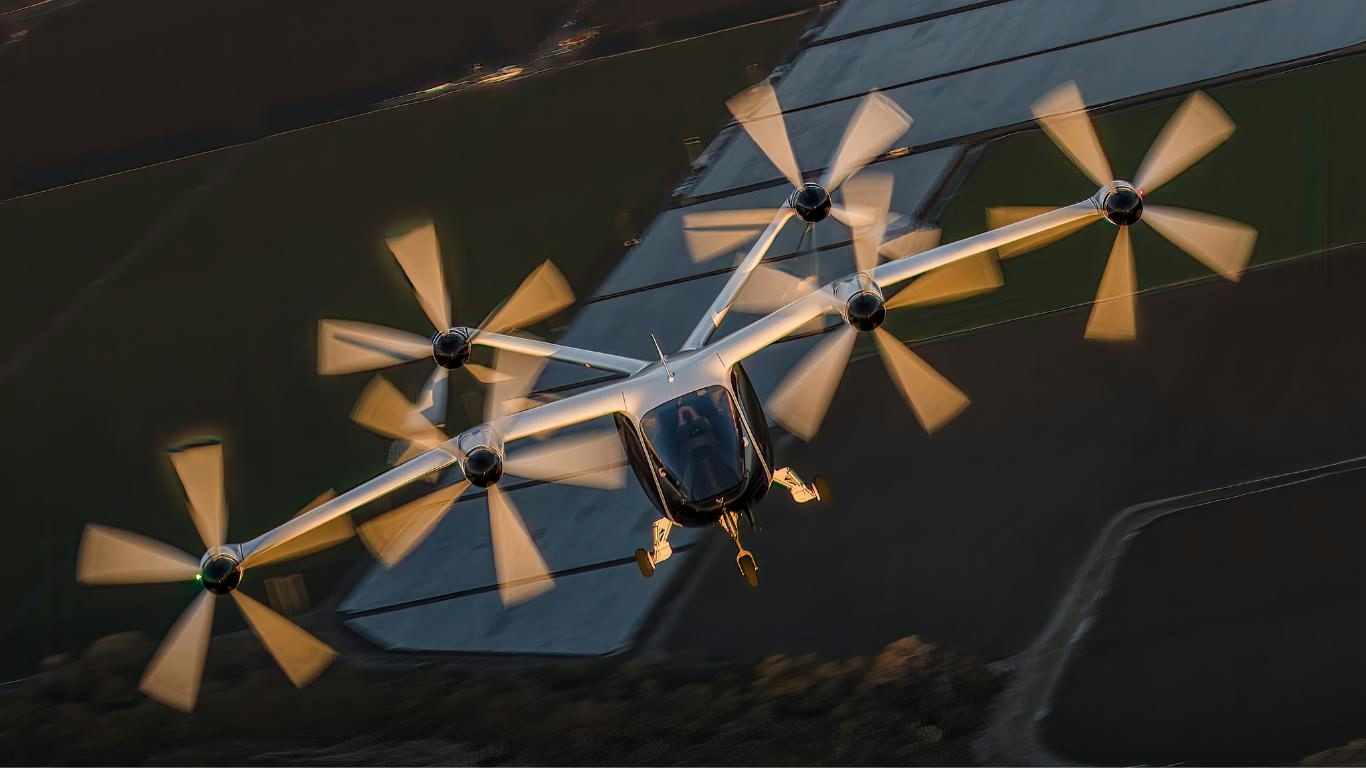
Joby Aviation Opens Texas Facility Ahead of Dallas-Fort Worth Air Taxi Launch Joby Aviation has inaugurated a new operational facility in Texas, marking a pivotal advancement toward the introduction of electric air taxi services in the Dallas-Fort Worth metropolitan area. The California-based aerospace company’s expansion aligns with its broader ambition to deploy commercial electric vertical takeoff and landing (eVTOL) flights across major U.S. markets. The company has secured a 45,000-square-foot lease at Perot Field, located within Fort Worth Alliance Airport (KAFW), part of the extensive 27,000-acre AllianceTexas development owned by Hillwood. This new site will serve as a critical base for future passenger operations, allowing Joby to establish local infrastructure, recruit personnel, and coordinate with regional stakeholders well in advance of the anticipated service launch. Strategic Expansion in a Key Market Dallas-Fort Worth stands as one of the largest and fastest-growing metropolitan regions in the United States, characterized by a dense network of airports, corporate campuses, entertainment venues, and business districts spread over a vast area. Joby views this environment as particularly conducive to point-to-point electric aviation, aiming to reduce typical ground travel times from approximately an hour by car to mere minutes in the air. By establishing a presence in Texas at this stage, Joby is positioning itself to work closely with local government officials, real estate developers, and transportation authorities. The company must identify appropriate locations for vertiports—specialized facilities designed for eVTOL aircraft takeoff and landing—and develop the necessary charging and maintenance infrastructure before commercial operations can commence. Additionally, Joby has formed a partnership with Delta Air Lines to integrate air taxi flights with commercial airline travel and is collaborating with real estate firms to explore vertiport sites within its target cities. The Aircraft and Industry Landscape Joby’s piloted, all-electric eVTOL aircraft is engineered to carry four passengers alongside a pilot. Equipped with six tilting rotors, the aircraft can perform vertical takeoffs and landings like a helicopter and transition to forward flight akin to a conventional airplane. It achieves speeds of up to 200 miles per hour and offers a maximum range of approximately 100 miles per charge. A significant advantage of the aircraft is its low noise profile, designed to operate substantially quieter than traditional helicopters, a critical factor for public acceptance of urban air mobility. The aircraft is currently undergoing the Federal Aviation Administration’s certification process, having reached several milestones with ongoing flight testing at Joby’s California facilities. Full type certification, which would authorize the company to carry paying passengers, remains the final regulatory hurdle. Challenges and Market Response Despite its progress, Joby faces multiple challenges, including navigating complex regulatory requirements, developing vertiport infrastructure, and competing with other eVTOL manufacturers. Nevertheless, market response to Joby’s Texas expansion has been positive, with investors expressing confidence in the company’s strategic positioning. Competitors have adjusted their own approaches to maintain competitiveness within the rapidly evolving advanced air mobility sector. As Joby Aviation establishes its foundation in Texas, the company is positioning itself at the forefront of a transformative era in urban transportation, with the Dallas-Fort Worth region set to become a significant hub for electric air taxi services in the United States.
Replacing the Fuel Filter Element on the GEnx 1B2B Engine
Replacing the Fuel Filter Element on the GEnx 1B2B Engine

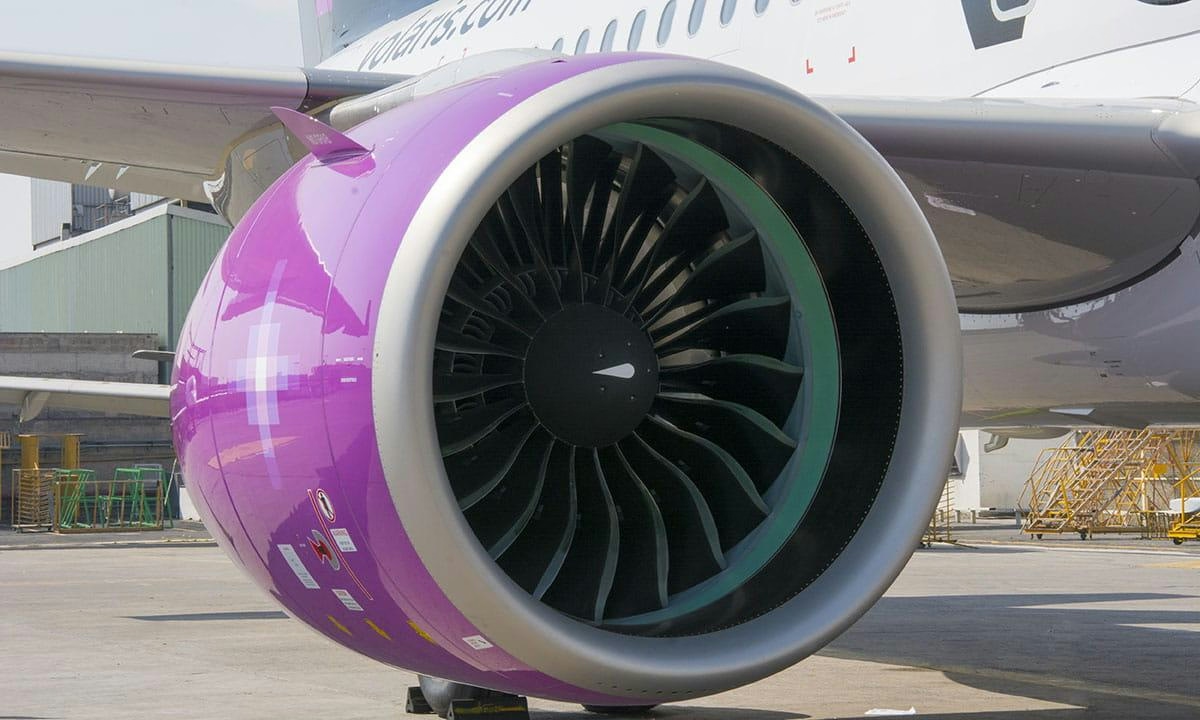
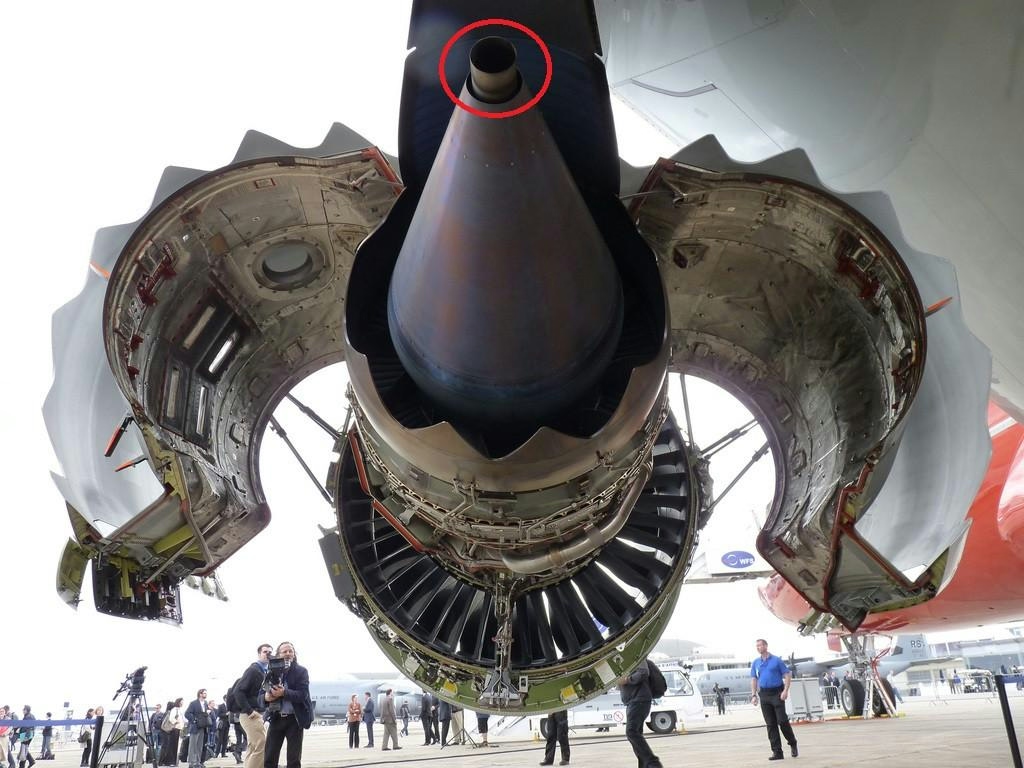
Replacing the Fuel Filter Element on the GEnx 1B2B Engine A recent GE Aviation Maintenance Minute offers a detailed overview of the procedures involved in replacing the fuel filter element on the GEnx 1B2B engine, a vital task for maintaining engine performance and reliability. The instructional video emphasizes the inspection of the hydraulic fuel manifold while the engine remains mounted on the wing, highlighting the necessity of following approved aircraft and engine manuals. It also stresses the importance of employing appropriate safety equipment throughout the maintenance process to ensure technician safety and operational integrity. Regulatory and Market Challenges The replacement of the fuel filter element presents several challenges, particularly in navigating the stringent regulatory landscape. Emissions and environmental standards have become increasingly rigorous, reflecting the aviation industry's growing commitment to sustainability and reducing its environmental footprint. Compliance with these regulations is critical, requiring maintenance teams to remain vigilant and up to date with evolving requirements. Despite these regulatory pressures, the market for engine repairs and spare parts, including fuel filter elements, continues to demonstrate resilience. Industry analysts report sustained demand even amid high fuel prices and reductions in airline schedules. This persistent demand has contributed to supply constraints, as operators strive to maintain fleet readiness and operational efficiency in a competitive environment. Market Competition and Technological Innovation The spin-on fuel filter market is highly competitive, with leading manufacturers such as GE Aerospace, Pratt & Whitney, Rolls-Royce, and Safran actively leveraging their technological expertise to expand market share. The growing focus on fuel efficiency serves as a primary driver in this sector, as airlines and operators seek to optimize engine performance while minimizing operational costs. These companies are investing in innovations that enhance fuel filter design and functionality to meet the evolving needs of the aviation industry. As the sector advances, maintenance practices like the replacement of fuel filter elements on sophisticated engines such as the GEnx 1B2B remain critical to operational success. Technicians are reminded that while instructional materials provide valuable support, strict adherence to official manuals and safety protocols is indispensable for ensuring compliance and safeguarding both personnel and equipment during engine maintenance.
Delays in Boeing 777X Program Match Airbus A350's Total Development Cost
Delays in Boeing 777X Program Match Airbus A350's Total Development Cost

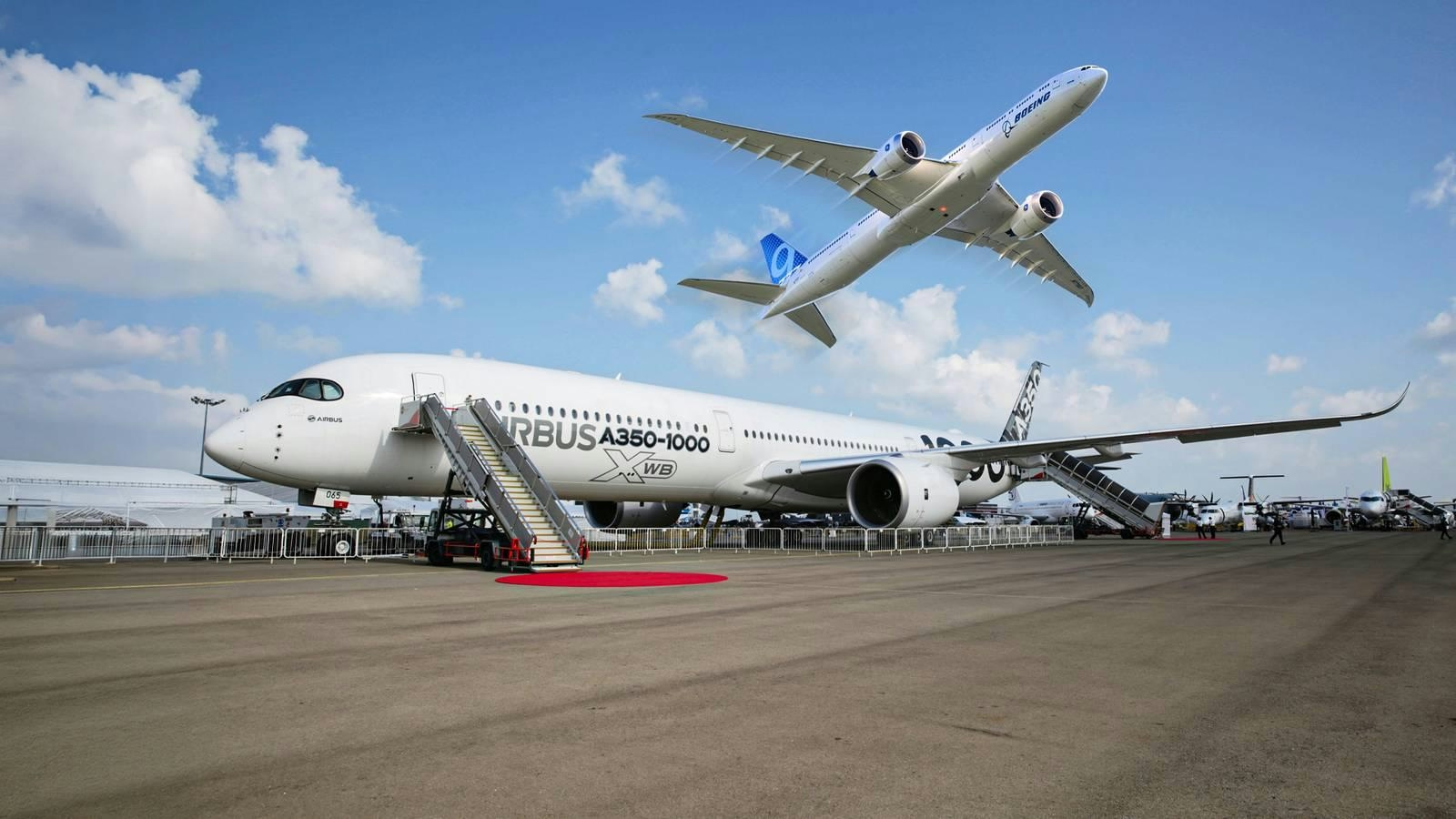
Delays in Boeing 777X Program Match Airbus A350's Total Development Cost A Costly Evolution of a Proven Platform The Boeing 777X was initially conceived as a low-risk, cost-effective successor to the highly successful 777-300ER. Rather than embarking on a clean-sheet design, Boeing chose to evolve the established 777 platform by integrating advanced composite wings, GE9X engines, folding wingtips, and updated systems. This strategy aimed to provide airlines with a familiar and efficient aircraft while significantly reducing development expenses compared to designing an entirely new model. Contrary to expectations, the program has encountered substantial financial challenges. Cumulative accounting charges for the 777X have now reached approximately $15 billion, positioning it among the most expensive derivative aircraft programs in aviation history. These costs rival, and may even surpass, the estimated $15 billion Airbus invested in developing the clean-sheet A350 family, according to Aeronautics Magazine. The financial pressures on Boeing stem from a combination of certification hurdles, supply chain disruptions, and considerable customer compensation. Certification Challenges and Operational Setbacks When Boeing launched the 777X program in 2013, it was promoted as a logical progression of the 777, promising reduced certification costs and accelerated delivery schedules. Airlines were drawn to the prospect of minimal pilot retraining, compatibility with existing maintenance infrastructure, and seamless airport operations. However, a series of setbacks have significantly altered the program’s trajectory and financial outlook. Originally scheduled to enter service in 2020, the 777X is now expected to be delivered in 2027, marking a seven-year delay that few had anticipated. The grounding of the 737 MAX fundamentally reshaped the regulatory environment, leading the Federal Aviation Administration (FAA) to impose far more stringent oversight. This included additional design reviews, extensive documentation requirements, and more comprehensive flight testing, all of which contributed to escalating certification costs and shifting regulatory targets. These delays have had profound operational consequences. Airlines such as Lufthansa and Emirates have expressed concerns regarding early-built 777X aircraft, which now require extensive modifications due to design changes implemented during the extended development period. Supplier disruptions and production inefficiencies have further exacerbated Boeing’s challenges, resulting in ongoing program losses and increased inventory costs. Market Implications and Competitive Dynamics Meanwhile, Airbus is closely monitoring Boeing’s difficulties and is reportedly considering the launch of a larger version of the A350 to directly compete with the delayed 777X. First deliveries of this potential new model are targeted for the early 2030s, underscoring the high stakes in the widebody aircraft market and the intense rivalry between the two aerospace giants. Despite these obstacles, the Boeing 777X remains a highly anticipated aircraft, with more than 500 firm orders from over a dozen airlines. Its advanced technology and operational efficiencies continue to position it as a formidable competitor to the Airbus A350, ensuring that the contest for dominance in the long-haul market remains fiercely contested.
Airlines Surge, John Deere Embraces AI, and Robotics Drive Long-Term Growth

Airlines Surge, John Deere Embraces AI, and Robotics Drive Long-Term Growth

Airlines Surge Amid Strong Demand and Market Optimism The cost of air travel in the United States has seen a dramatic increase, with airfare rising 26.5% in June compared to the previous year, according to federal data. While escalating fuel prices contribute to this surge, airlines are also capitalizing on robust demand by raising ticket prices. Despite the higher costs, passenger volumes remain strong, underscoring a U.S. economy that appears more resilient than many recent reports suggest. This economic vigor is reflected in the stock market, where the U.S. Global Jets ETF (JETS) and major carriers such as Delta Air Lines, JetBlue, and United Airlines have reached record highs. The upward momentum extends beyond airlines to other cyclical industries including trucking, industrials, steelmakers, and hotels, all of which are experiencing rising revenues and stock valuations. These trends reinforce the role of the stock market as a forward-looking barometer, often anticipating economic shifts well before they manifest in official data. Nonetheless, the airline sector faces notable challenges. Rising fuel expenses, regulatory complexities, and intense competition from low-cost carriers threaten profit margins. In response, airlines are pursuing strategic partnerships, modernizing their fleets, and targeting emerging markets like Africa, where demand for air travel is expected to expand rapidly. Investor interest is also growing in aircraft manufacturers and aviation service providers, who stand to benefit from the sector’s anticipated growth. John Deere’s AI Initiative and the Future of Agricultural Technology Parallel to developments in aviation, the agricultural sector is undergoing a technological transformation led by companies like John Deere. The farm equipment giant is increasingly integrating artificial intelligence into its machinery to enhance efficiency and productivity. This move toward AI-powered automation and precision agriculture reflects a broader industry trend aimed at optimizing farming operations. However, the transition to advanced technologies presents significant obstacles. High initial costs, the necessity for comprehensive training, and the complexities of integrating new systems with existing infrastructure pose considerable challenges. Market responses have been mixed, with intensified competition among agricultural technology firms and cautionary notes from analysts such as Fitch Ratings, who warn of potential market corrections if expectations outpace practical implementation. Competitors in the agtech arena are accelerating research and development efforts, forging strategic alliances, and investing heavily in AI-driven solutions to remain competitive. While robotics and automation are poised to drive long-term growth in agriculture, adoption hurdles related to cost and technical sophistication persist. Deere & Company remains at the forefront of this evolution, but rivals are rapidly expanding their precision farming capabilities and market reach. Navigating Growth and Challenges in Dynamic Sectors Both the airline and agricultural industries are experiencing significant expansion fueled by strong demand and technological innovation. Yet, each sector confronts distinct challenges that could influence their future trajectories. Investors and industry leaders continue to monitor these developments closely, seeking to capitalize on emerging opportunities within an evolving economic and technological landscape.
Uttarakhand Youth Ravi Tamta Develops Electric Flying Vehicle

Uttarakhand Youth Ravi Tamta Develops Electric Flying Vehicle

Uttarakhand Innovator Develops Electric Personal Flying Vehicle Ravi Tamta, a young entrepreneur from Uttarakhand, has achieved a significant breakthrough by developing and successfully testing a prototype of an electric personal flying vehicle. The vehicle, named HAPIDA SKYNeX, was created under Tamta’s startup, Hapida Sky Private Limited, following several years of intensive research and development. This innovation marks a notable advancement in the region’s technological landscape and reflects a broader shift towards sustainable transportation solutions. A Vision for Sustainable Air Mobility Hailing from Kaflikhan village near Jageshwar Dham in Almora district, Tamta designed the fully electric vehicle as a zero-emission alternative to traditional personal transport. The project aims to provide safe, affordable, and environmentally friendly air mobility options within India, aligning with the growing global interest in next-generation transportation technologies. The successful flight test of the HAPIDA SKYNeX prototype has garnered attention and acclaim from both state and national leaders, underscoring the potential impact of this innovation. Uttarakhand Chief Minister Pushkar Singh Dhami praised Tamta’s accomplishment, describing it as a testament to the scientific aptitude and talent of India’s youth. In a message posted on X (formerly Twitter), Dhami extended his congratulations and highlighted the achievement as an inspiration for young innovators across the country. Similarly, Union Civil Aviation Minister Ram Mohan Naidu Kinjarapu commended Tamta’s work, emphasizing that talent transcends geographical boundaries. He also acknowledged the support provided by Chief Minister Dhami and noted that under Prime Minister Narendra Modi’s leadership, India’s innovation ecosystem is flourishing, with breakthroughs emerging nationwide. Challenges and Future Prospects While the successful prototype test represents a major milestone, Tamta has emphasized that further testing and regulatory approvals are necessary before the vehicle can be commercially deployed. The path ahead involves navigating complex regulatory frameworks, addressing stringent safety requirements, and meeting rigorous certification standards—challenges that are typical in the nascent field of personal flying vehicles where safety and compliance are critical. Market response to Tamta’s achievement has been overwhelmingly positive, with the development celebrated as a significant contribution from Uttarakhand to India’s expanding science and technology sector. Although the market for personal flying vehicles remains in its infancy and established aviation companies have yet to respond extensively, industry experts anticipate growing interest from major players as the technology matures and regulatory clarity improves. As Tamta and his team continue to refine the HAPIDA SKYNeX, their work exemplifies grassroots innovation with the potential to transform personal mobility not only in India but also on a global scale.
line