
Zet AI‑inzichten om in gerichte actie

Trending
Categories
Amadeus Airlines Introduces AI-Powered Search Translation Layer by 2026

Amadeus Airlines to Launch AI-Powered Search Translation Layer by 2026
Amadeus is preparing to play a pivotal role in the rapidly evolving landscape of AI-driven travel search by announcing plans to introduce an AI-powered search translation layer by 2026. As artificial intelligence reshapes how travelers discover and book flights, the global distribution technology leader seeks to bridge the growing divide between traditional airline inventory systems and the requirements of next-generation search platforms.
Addressing the Infinite Search Challenge
The travel industry is confronting what experts describe as the "infinite search problem." Unlike legacy search engines that operated on finite databases and predictable queries, today’s AI-powered environments—powered by large language models, conversational AI, and autonomous agents—demand fundamentally different data architectures. These advanced systems continuously process vast volumes of travel data, often precomputing likely responses to enhance efficiency and scalability. Airlines that do not adapt risk becoming invisible to both AI-driven platforms and travelers.
Traditional distribution networks, such as Global Distribution Systems (GDS), were designed primarily for human agents and explicit user queries. In contrast, AI assistants and recommendation engines function autonomously, surfacing flight options without direct input. If airline data is not structured in a machine-readable and standardized format, it effectively disappears from these emerging channels. The scale of this challenge is considerable: a single AI travel platform may process millions of flight combinations daily, making accurate data translation essential for maintaining visibility.
Amadeus’ AI-Powered Translation Layer
Amadeus’ forthcoming platform aims to resolve this issue by translating complex airline inventory into formats optimized for AI consumption. Rather than compelling airlines to overhaul their existing technology infrastructures, Amadeus offers a middleware solution that standardizes flight information, pricing, and availability into machine-readable formats compatible with large language models and AI agents.
This translation layer serves as a critical bridge between legacy airline systems and emerging AI distribution channels. Airlines can continue operating their current systems while Amadeus ensures their inventory remains accessible and discoverable—whether travelers use traditional search engines, voice assistants, or autonomous travel agents. This approach is expected to enhance visibility, increase booking volumes, and expand market share in an increasingly competitive environment.
Industry Dynamics and Regulatory Considerations
Amadeus’ ambition to establish itself as a foundational distribution layer for the travel industry has attracted significant attention. Competitors, notably Sabre, are closely monitoring these developments, while regulatory authorities are scrutinizing the potential implications for market competition and data access. The broader integration of AI in travel also presents operational and organizational challenges, including the need for clear ownership of AI initiatives, the development of robust and scalable systems, and the cultivation of trust among customers and employees alike.
Future Outlook
As the travel sector accelerates its adoption of artificial intelligence, the capacity to translate and standardize airline data for machine intelligence is emerging as a strategic imperative. Amadeus’ AI-powered search translation layer, scheduled for deployment by 2026, aims to ensure that airlines remain visible and competitive in the era of infinite search, while navigating the complexities posed by industry rivalry and regulatory oversight.

Etihad and Swissport Extend Global Partnership
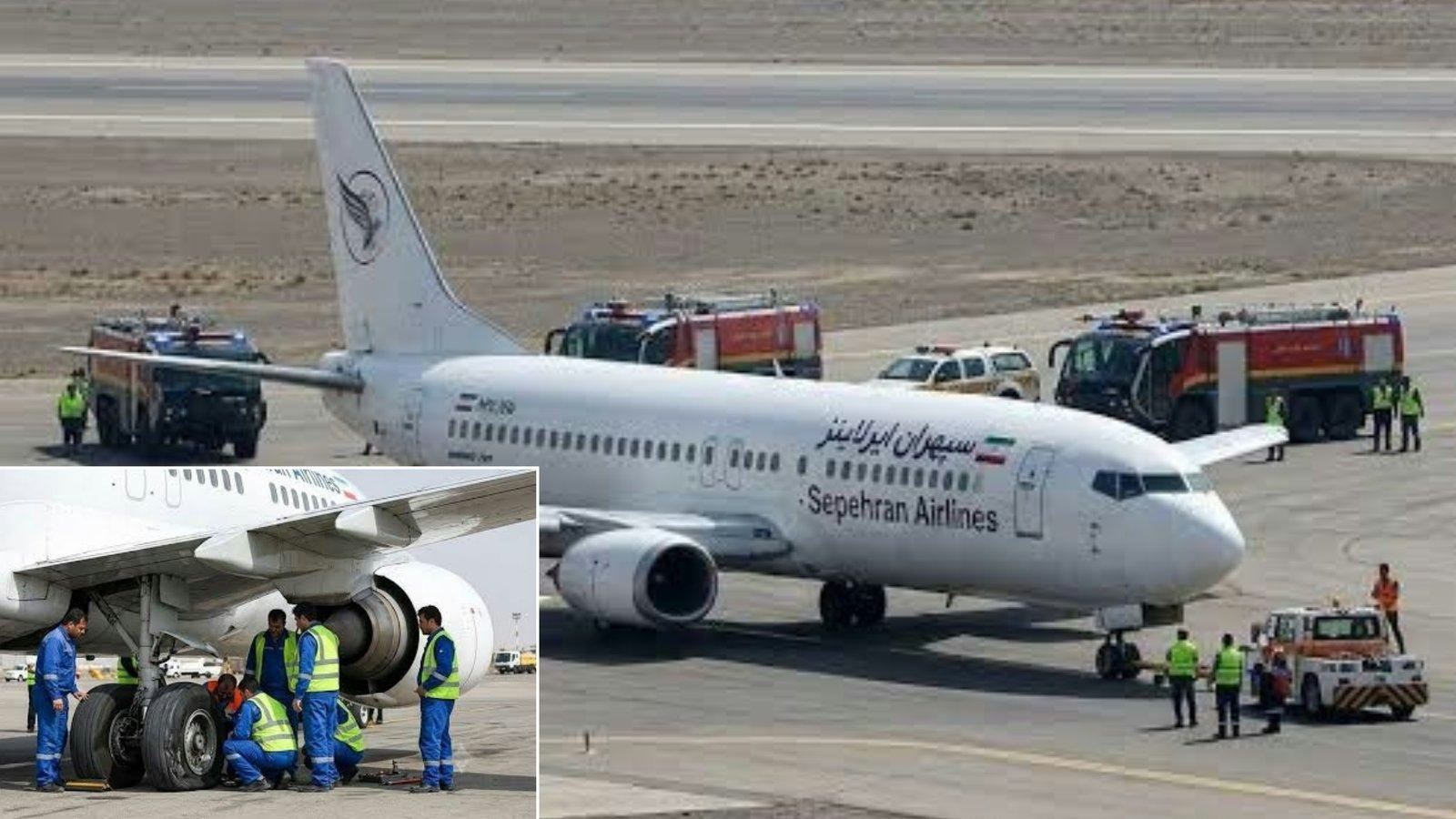
Sepehran Airlines B737 Returns to Mashhad After Tyre and Engine Issues

Etihad Deploys Widebody Fleet to Meet Strong Demand
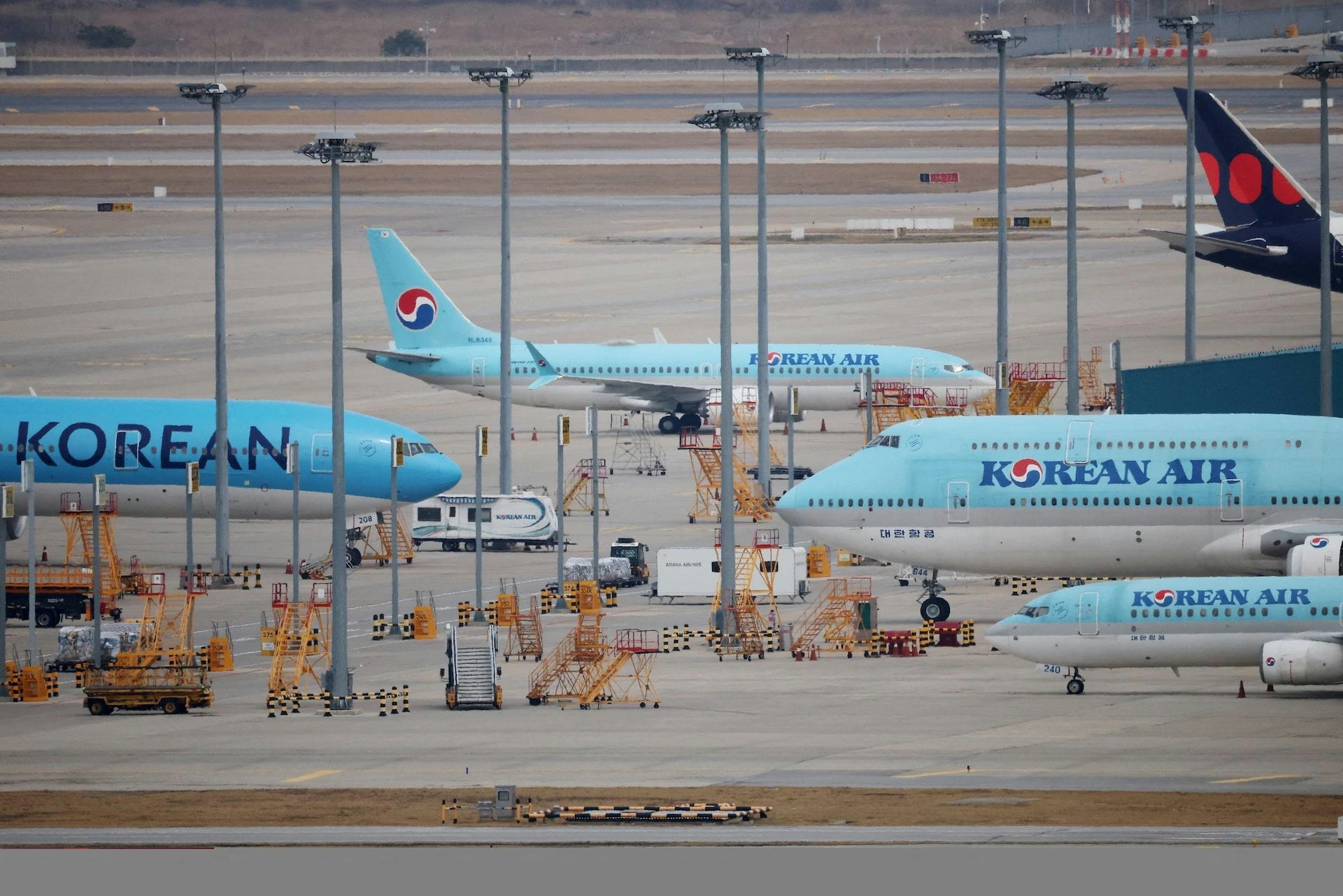
Korean Air Finalizes $36.2 Billion Deal with Boeing

Australia’s RFDS Queensland Section Orders Six King Air 260Cs

Korean Air Finalizes Order for 103 Boeing Jets and Engines
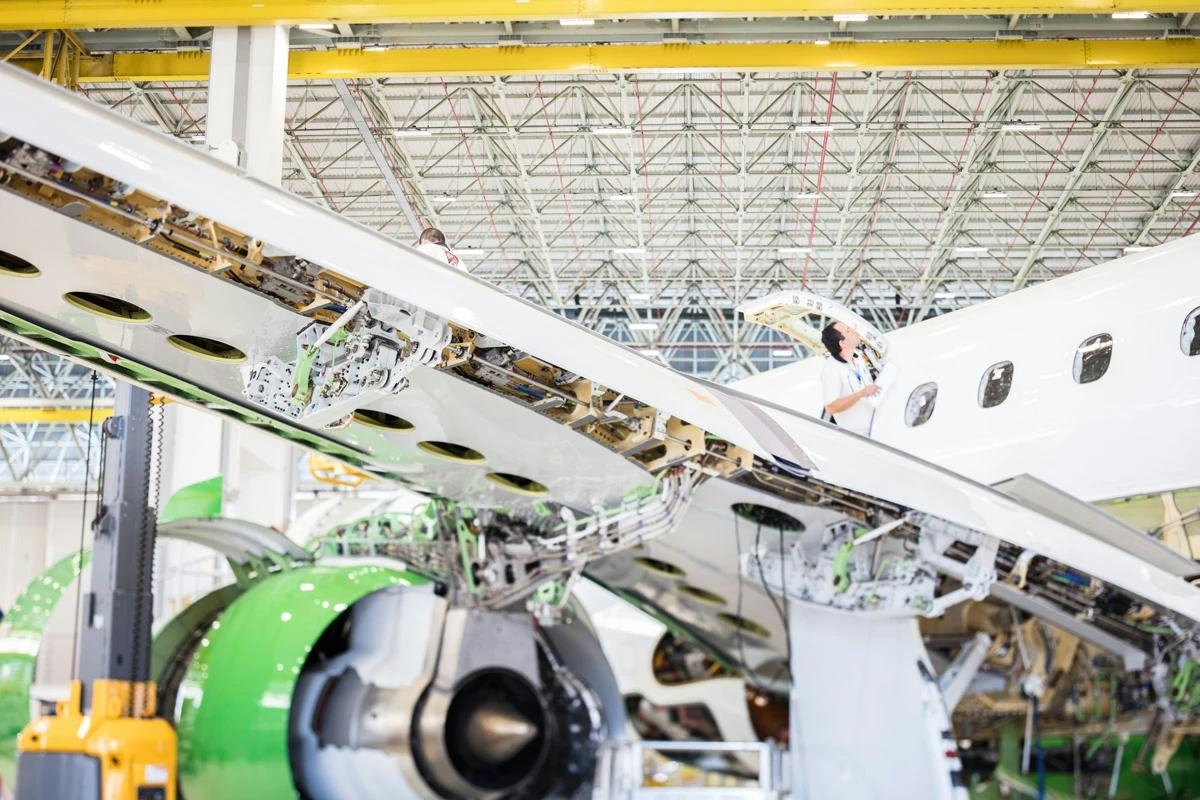
Embraer E195-E2 Features Distinctive Engine Placement Among Regional Jets
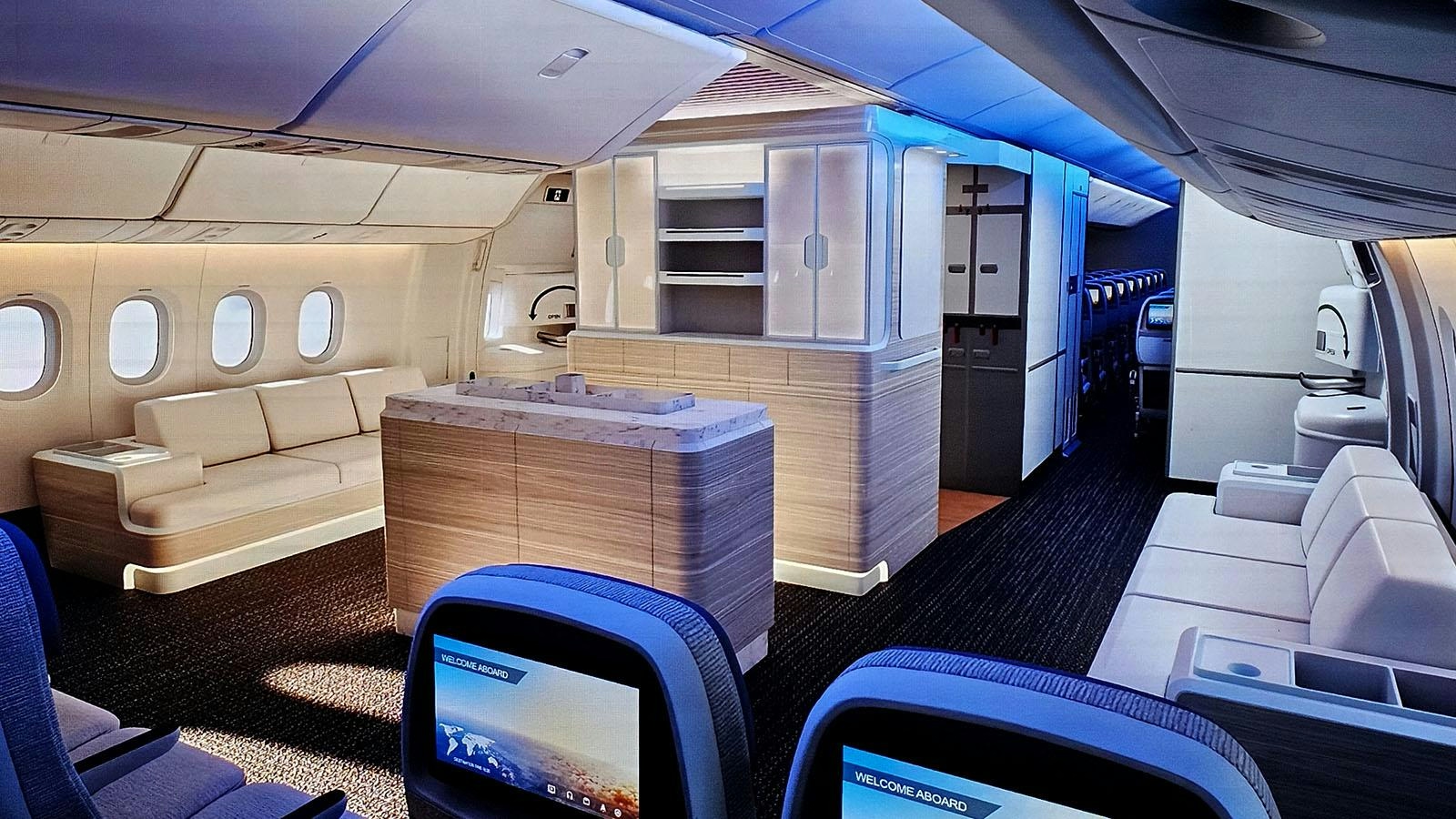
What Passengers Can Expect on Boeing’s New 777X Jet

How Ethiopian Airlines Became Africa’s Leading Carrier Amid Gulf Competition

Joby Aviation Extends Autonomous Flight Capabilities with Cross-Country Tour
