
Zet AI‑inzichten om in gerichte actie

Trending
Categories
American Airlines to Operate Airbus A321XLR on Nine Transatlantic and Transcontinental Routes in 2026
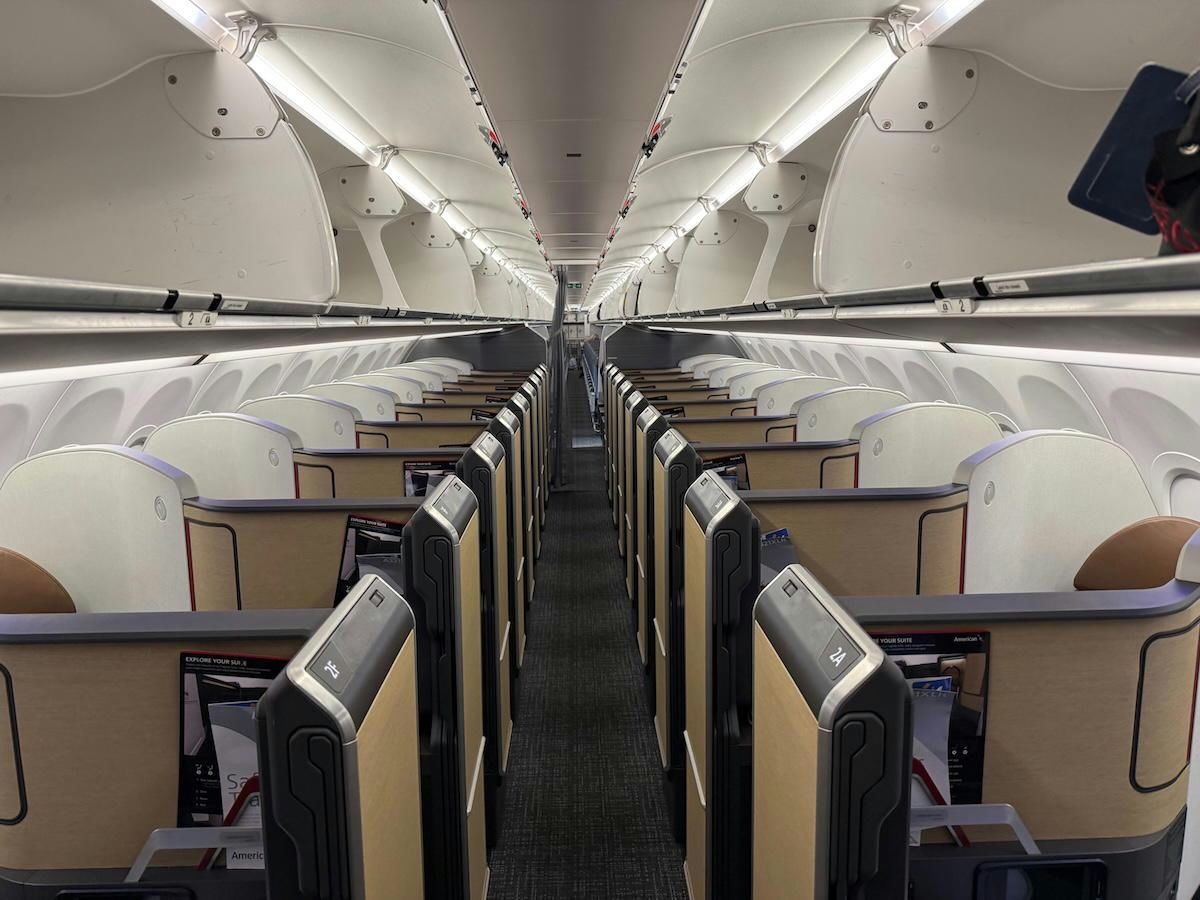
American Airlines to Operate Airbus A321XLR on Nine Transatlantic and Transcontinental Routes in 2026
American Airlines is poised to transform its long-haul network by introducing the Airbus A321XLR on nine select transatlantic and transcontinental routes starting in 2026. This strategic deployment replaces larger widebody aircraft with a premium-focused, 155-seat narrowbody configuration, aiming to enhance profitability on routes characterized by moderate demand.
Fleet Configuration and Passenger Experience
The A321XLR will feature a significantly lower-density layout compared to the standard A321, which typically accommodates around 190 passengers. American Airlines’ configuration includes 20 Flagship Suite business class seats arranged in a 1-1 layout, each offering lie-flat beds and privacy doors. The premium economy cabin will consist of 12 seats equipped with enhanced recline, dedicated leg rests, and footrests. The main cabin will provide 123 seats, all fitted with seatback entertainment systems, Bluetooth connectivity, and high-speed Wi-Fi.
This cabin arrangement is designed to replicate a widebody experience within a single-aisle aircraft, prioritizing premium seating options for corporate and luxury leisure travelers. By limiting total capacity, American aims to reduce unit costs while increasing the proportion of high-yield seats, thereby optimizing revenue on these routes.
Route Deployment and Strategic Implications
The A321XLR will be introduced on a mix of high-frequency domestic corridors and select European international routes. Domestically, the aircraft will serve flagship transcontinental routes including New York (JFK) to Los Angeles (LAX) and San Francisco (SFO), both of which cater to strong business travel demand. Additionally, the Boston (BOS) to Los Angeles (LAX) route will be operated exclusively with A321XLRs during peak summer months, offering multiple daily flights. These deployments will replace the aging 102-seat A321T fleet, increasing capacity while maintaining a three-cabin premium standard.
On the transatlantic front, the A321XLR will debut on the New York (JFK) to Edinburgh (EDI) route, marking its first overseas service. The aircraft will also serve East Coast gateways to Barcelona (BCN), Lisbon (LIS), and Amsterdam (AMS), with daily service planned across both winter and summer schedules. These routes are targeted where widebody demand is insufficient, particularly during off-peak seasons, allowing American to maintain year-round connectivity with a more efficient aircraft.
Market Challenges and Competitive Dynamics
American Airlines’ decision to operate a 155-seat, low-density aircraft on traditionally widebody routes introduces several challenges. The airline must ensure consistent demand to justify the premium-heavy cabin configuration while managing operational costs and maintaining competitive pricing. Industry analysts are closely monitoring passenger response to the use of a single-aisle jet on long-haul routes historically served by larger aircraft. Competitors may adjust their fleet strategies or expand similar routes in response to American’s initiative, potentially intensifying market competition.
Passenger Rights and Considerations
For travelers, the A321XLR offers enhanced seating in Business and Premium Economy cabins, though main cabin passengers may experience a higher passenger-to-lavatory ratio compared to widebody aircraft. Under U.S. Department of Transportation and EU261/2004 regulations, passengers are entitled to compensation in cases of flight cancellations or significant delays caused by aircraft substitutions or technical issues. Should American replace the A321XLR with a lower-class aircraft, affected passengers may be eligible for partial refunds or downgrade compensation.
As American Airlines prepares for the 2026 introduction of the A321XLR, the aviation industry will be closely observing how this innovative fleet strategy influences the future landscape of transatlantic and transcontinental air travel.

Etihad Airways Suspends Airbus A380 Flights on Key Route

Aditya Birla Group Seeks Approval for Aircraft Leasing in GIFT City

Qatar Airways Highlights Innovation and Connectivity at Arabian Travel Market 2026

Hong Kong's Five-Year Plan Includes Andrew Fan's Aircraft Parts Processing Hub Proposal

ACIA Aero Leasing Delivers ATR72-600 to Air Nostrum

RTX Appoints Jill Albertelli as Head of Pratt & Whitney

TAT Technologies Joins Beyond Aero Hydrogen Aircraft Program

AURAK Study Highlights Barriers to Air Taxi Adoption in Emerging Economies

Xiamen Air Selects Altitude for 787 Maintenance at Heathrow

Etihad and Swissport Extend Global Partnership
