
Zet AI‑inzichten om in gerichte actie

Trending
Categories
Archer Aviation, BETA Technologies, and Macquarie Capital Launch ACES to Develop Electric Aviation Charging Network Across the U.S.
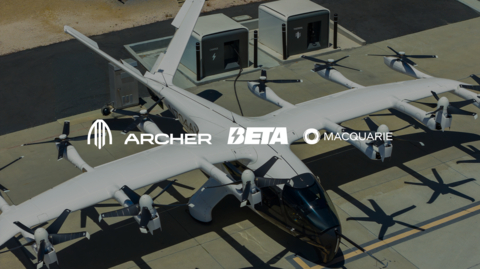
Archer Aviation, BETA Technologies, and Macquarie Capital Form ACES to Develop U.S. Electric Aviation Charging Network
Archer Aviation, BETA Technologies, and Macquarie Capital have announced the creation of America’s Consortium for Electric Skyways (ACES), a collaborative initiative focused on establishing a nationwide electric aviation charging network. The consortium aims to electrify up to 250 air taxi sites at major airports and metropolitan areas across the United States over the next decade. Central to this effort is the deployment of BETA’s electric aviation chargers, which employ the Combined Charging Standard (CCS)—an open protocol endorsed by the General Aviation Manufacturers Association (GAMA) and widely adopted within the electric vertical takeoff and landing (eVTOL) industry.
Strategic Focus and Industry Collaboration
As participants in the Federal Aviation Administration’s eVTOL Integration Pilot Program (eIPP), the ACES consortium will prioritize infrastructure development in key markets where Archer and BETA plan to operate. These include major regions such as California, Texas, Florida, and New York. This initiative aligns with the White House’s broader agenda to accelerate the commercialization of next-generation aviation technologies, positioning ACES at the forefront of the emerging electric aviation sector.
The consortium’s collaborative model is designed to achieve a scale and interoperability that would be challenging for any single company to accomplish independently. BETA Technologies will supply its purpose-built charging hardware to each site, ensuring compatibility across various electric aircraft manufacturers. Archer Aviation will serve as the anchor tenant by launching passenger VTOL air taxi services in these metropolitan areas, providing near-term operational certainty. Meanwhile, Macquarie Capital will leverage its extensive experience in aviation infrastructure to provide strategic guidance and facilitate the investment capital necessary for site acquisition, development, and construction.
Challenges and Market Dynamics
Despite the consortium’s ambitious goals, the project faces significant challenges. Market acceptance of electric aviation remains uncertain, with ongoing technological and commercial hurdles. Established aviation companies may respond by developing proprietary charging solutions or integrating electric aircraft into their existing fleets, potentially complicating the competitive landscape. Stakeholder reactions are expected to vary, as some may welcome the initiative’s potential to transform urban air mobility, while others may remain cautious due to the high costs and logistical complexities involved in building a comprehensive charging network.
Regulatory barriers and infrastructure development issues also present potential obstacles to the project’s progress. Navigating these challenges will be critical to the consortium’s ability to establish a standardized charging foundation capable of supporting the scaling of eVTOL commercial operations nationwide.
By pooling their resources and expertise, Archer Aviation, BETA Technologies, and Macquarie Capital aim to accelerate the adoption of electric aviation and position the United States as a global leader in this rapidly evolving industry.

Etihad and Swissport Extend Global Partnership
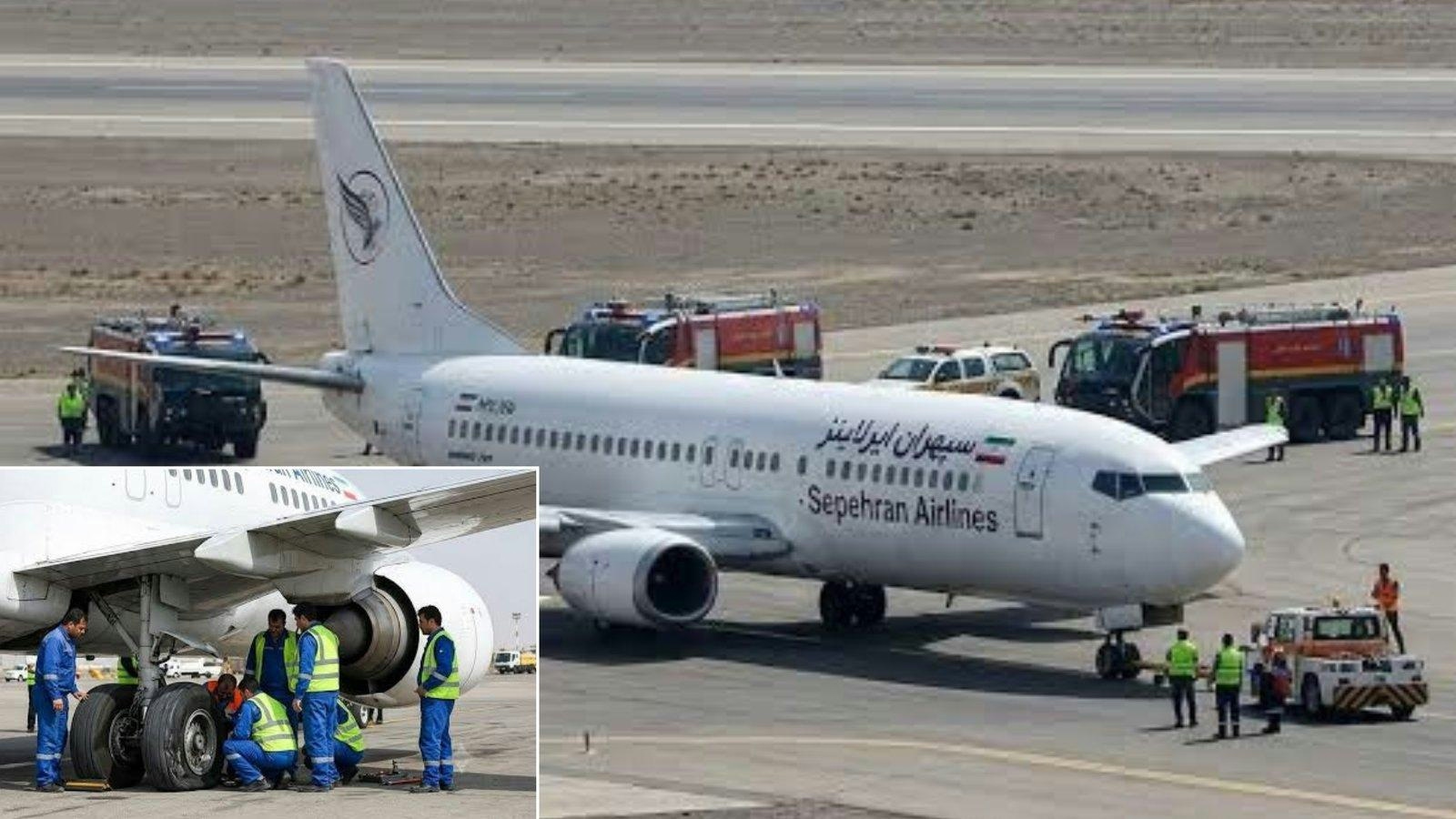
Sepehran Airlines B737 Returns to Mashhad After Tyre and Engine Issues

Etihad Deploys Widebody Fleet to Meet Strong Demand

Korean Air Finalizes $36.2 Billion Deal with Boeing
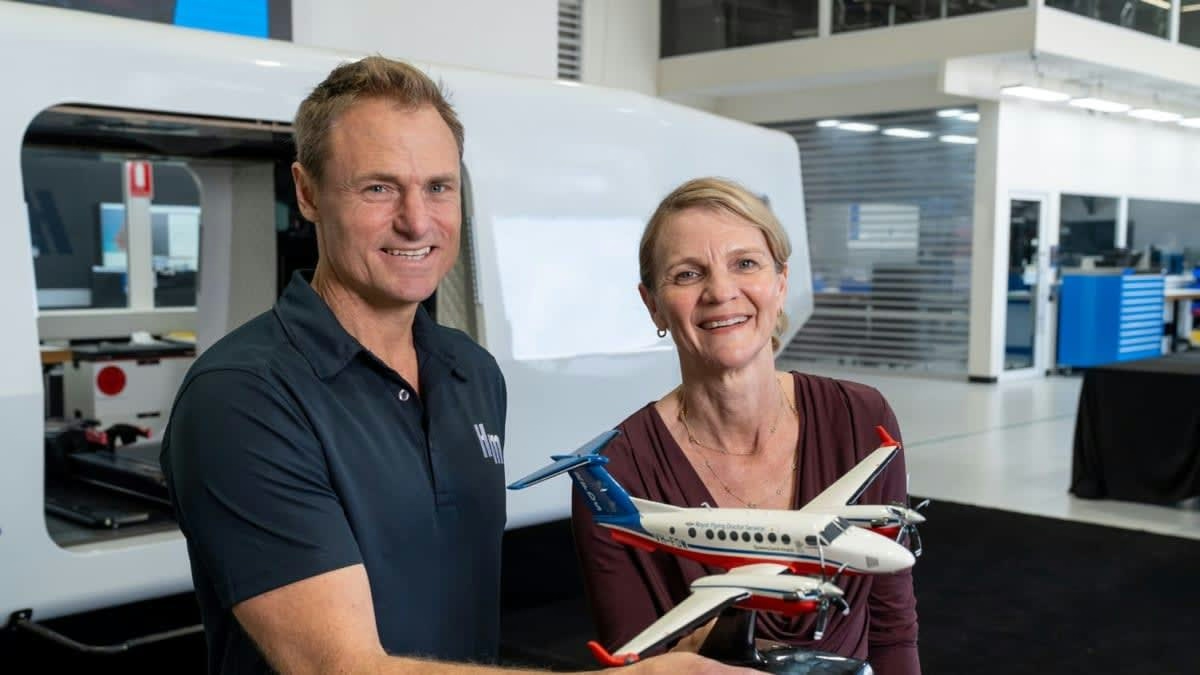
Australia’s RFDS Queensland Section Orders Six King Air 260Cs
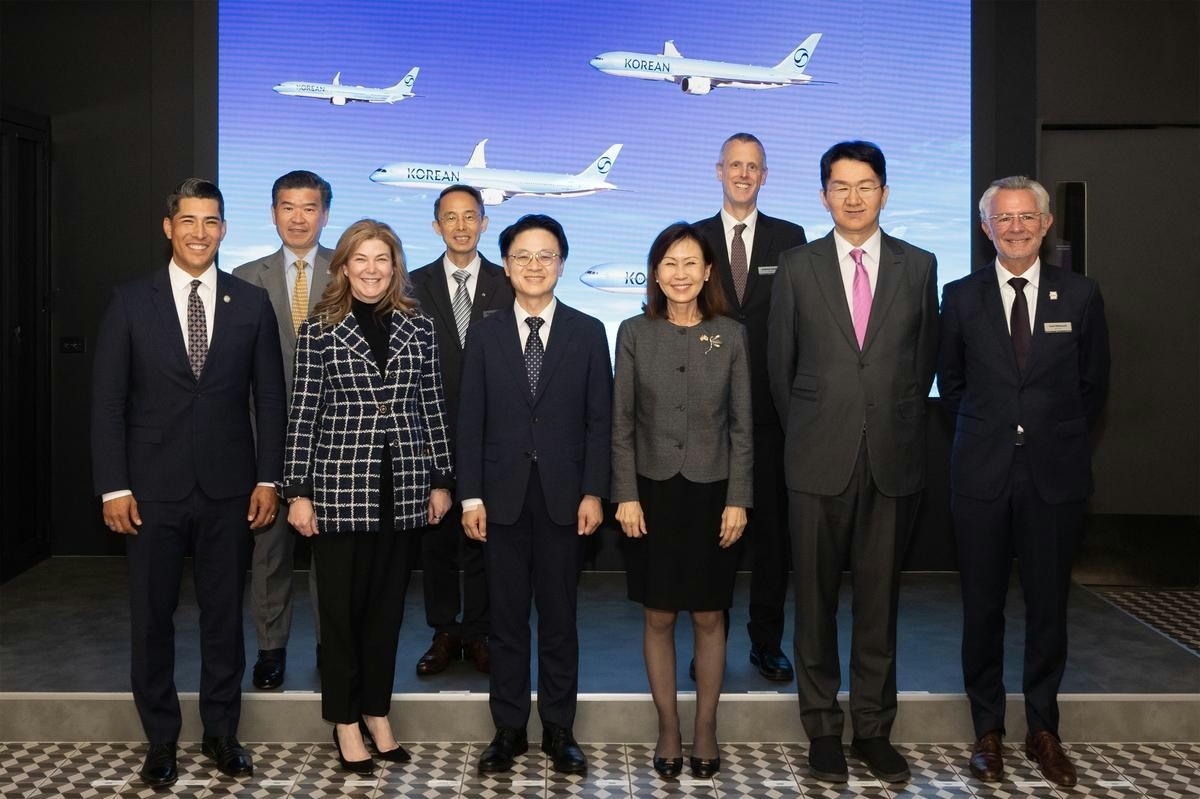
Korean Air Finalizes Order for 103 Boeing Jets and Engines
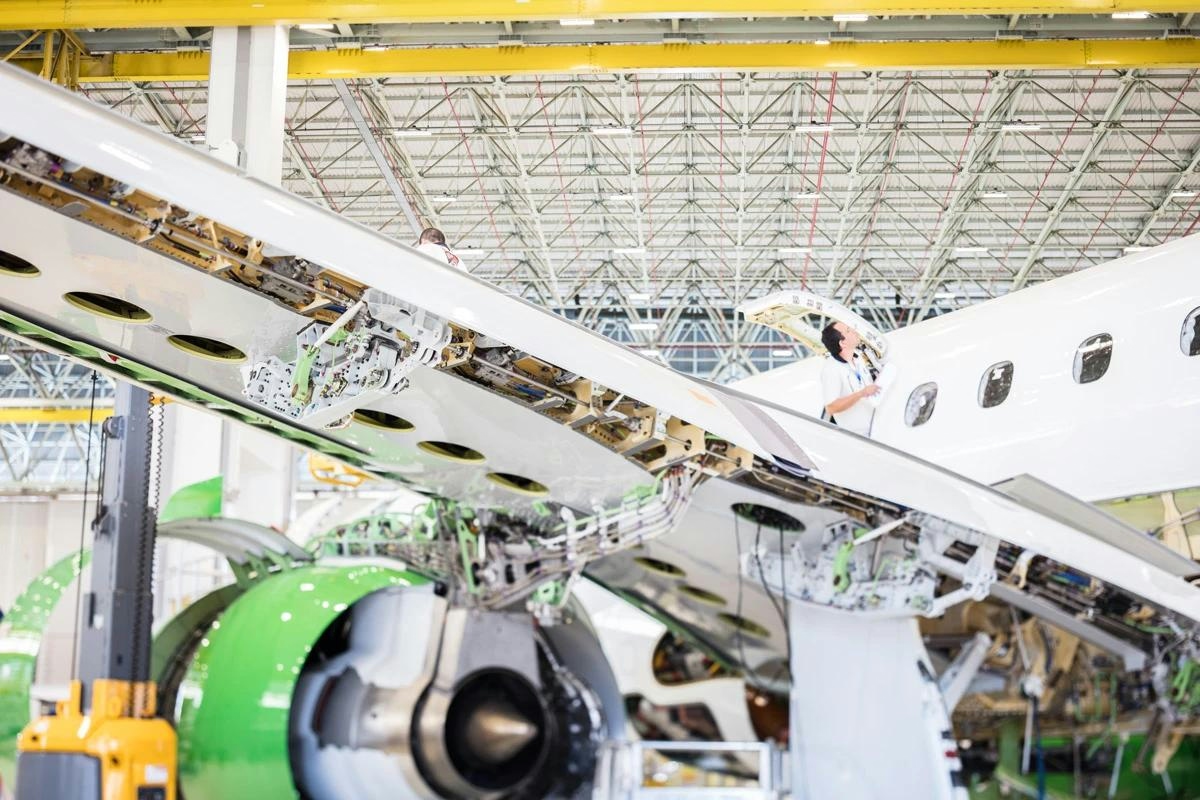
Embraer E195-E2 Features Distinctive Engine Placement Among Regional Jets
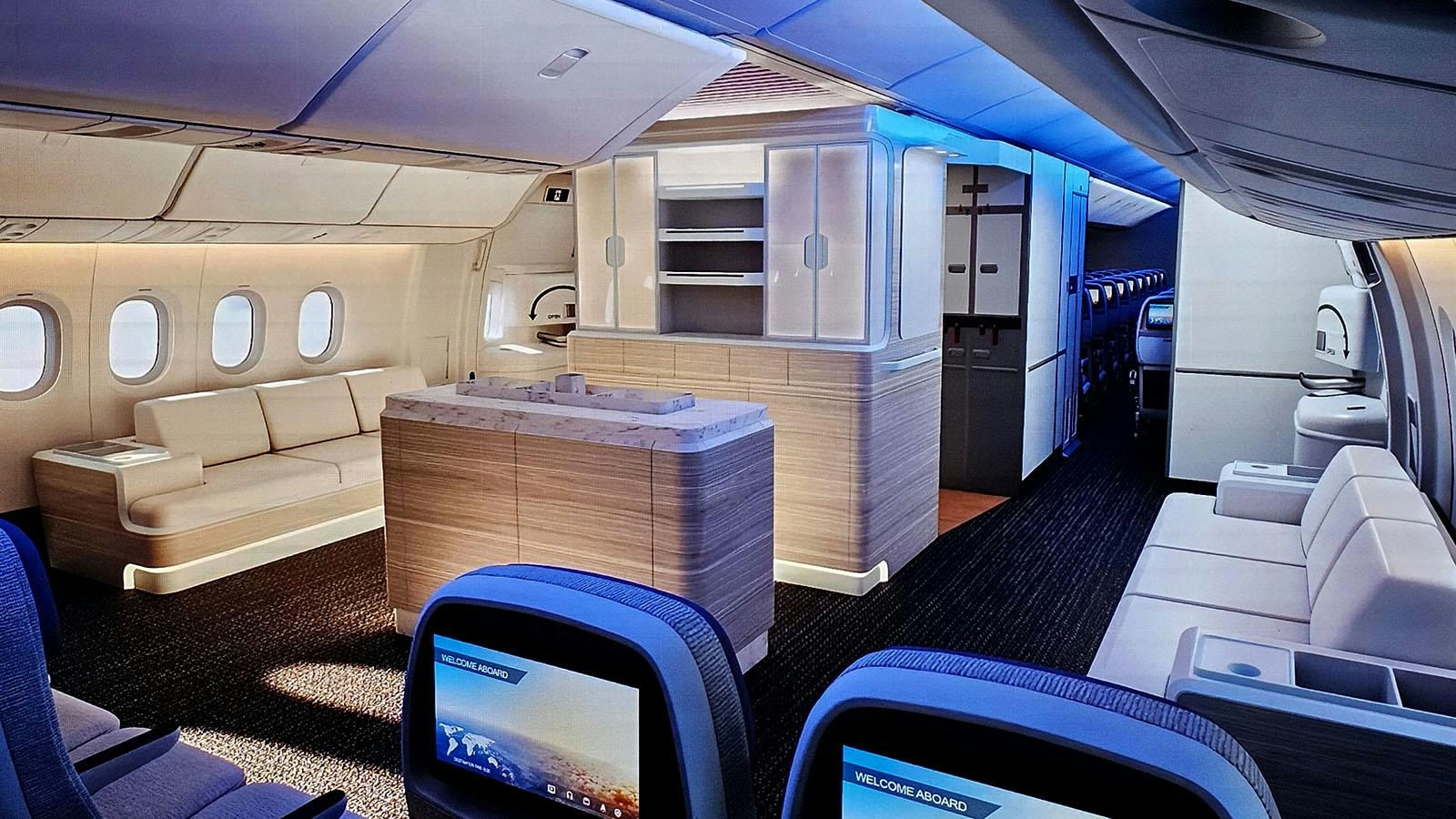
What Passengers Can Expect on Boeing’s New 777X Jet
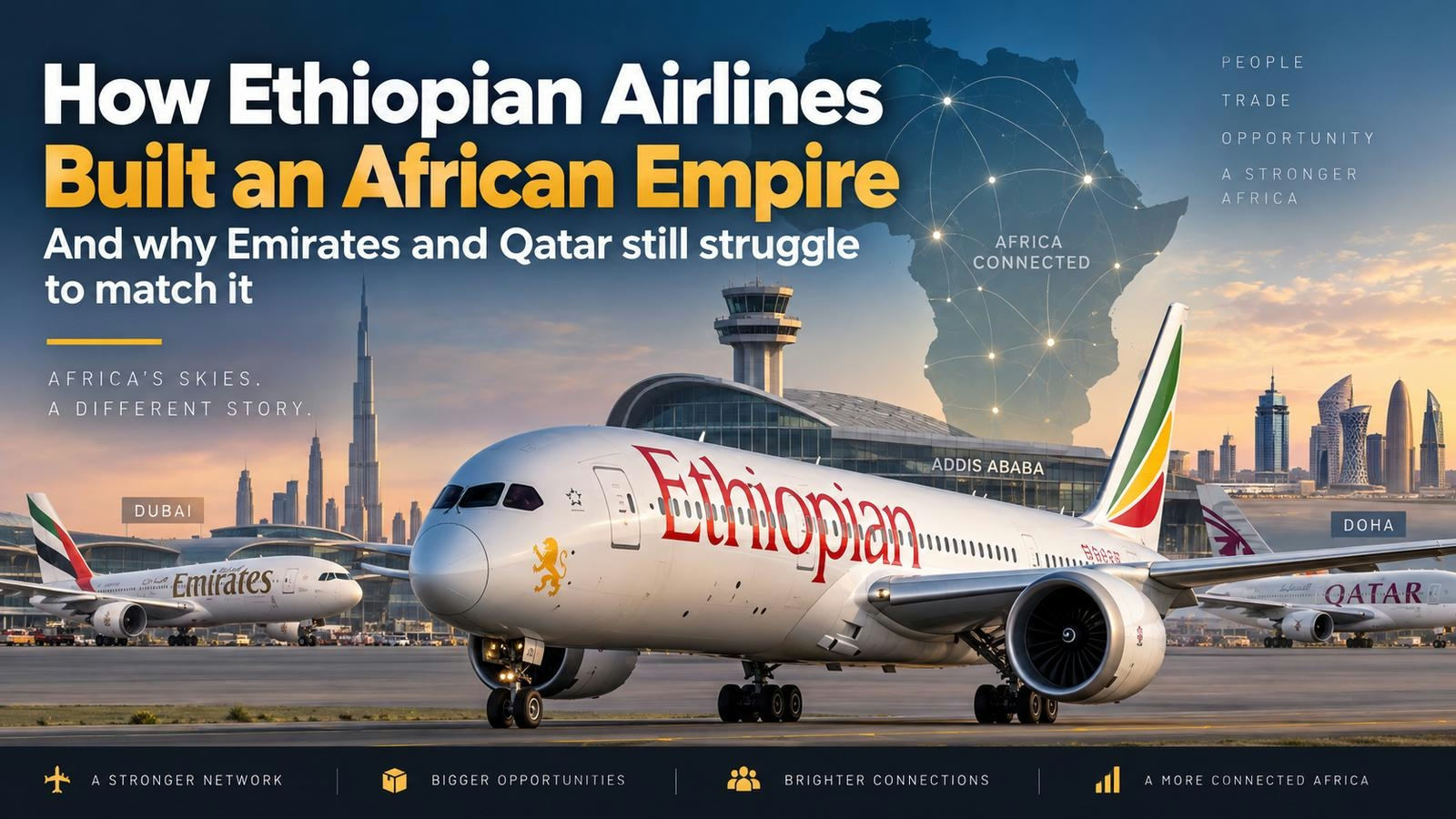
How Ethiopian Airlines Became Africa’s Leading Carrier Amid Gulf Competition
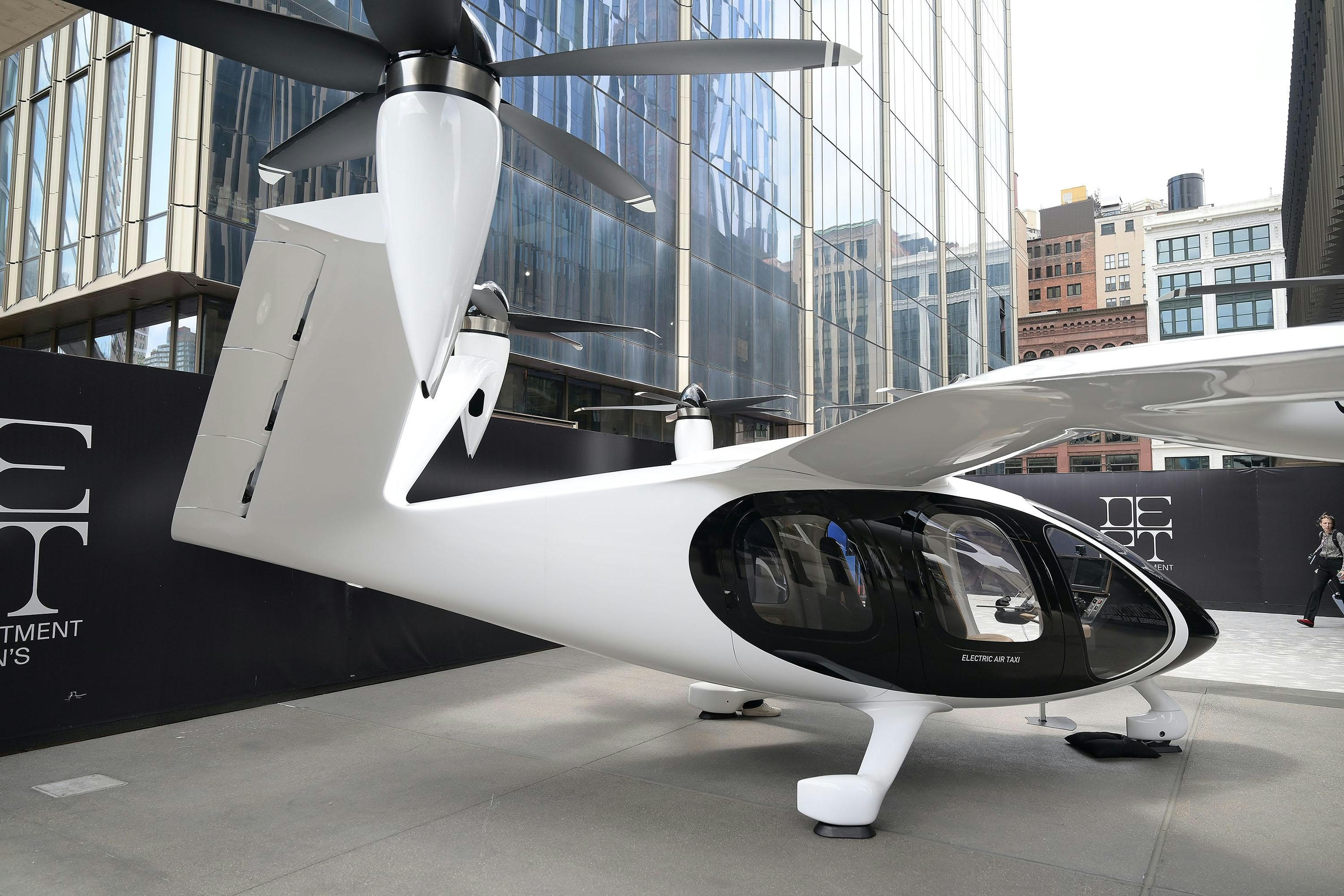
Joby Aviation Extends Autonomous Flight Capabilities with Cross-Country Tour
