
Zet AI‑inzichten om in gerichte actie

Trending
Categories
Atlas Air orders 20 Airbus A350F freighters in break from all-Boeing fleet
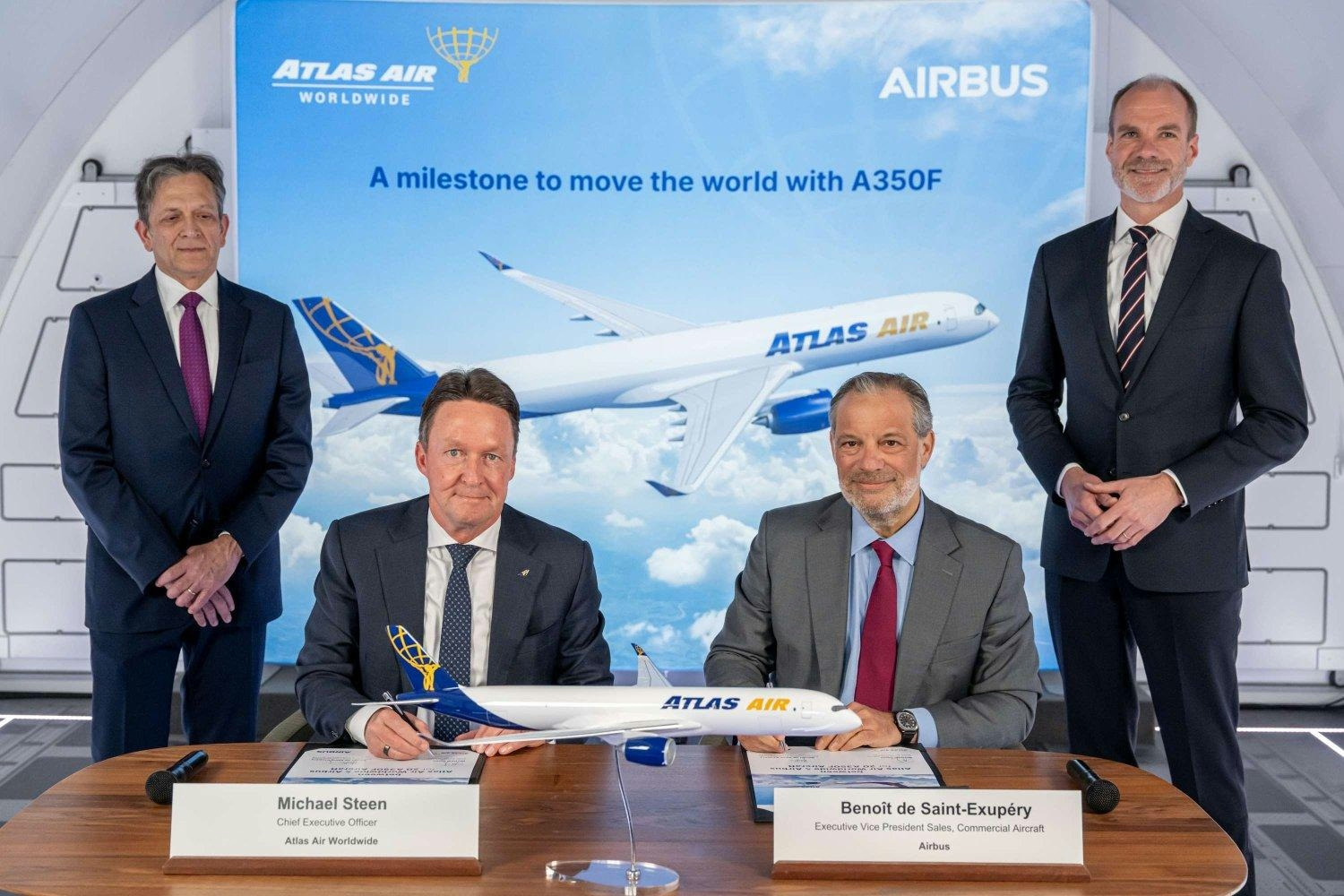
Atlas Air Breaks with Tradition, Orders 20 Airbus A350F Freighters
Atlas Air has announced an order for 20 Airbus A350F freighters, marking a significant departure from its longstanding all-Boeing fleet. This agreement positions Atlas Air as the largest customer for the A350F, Airbus’s next-generation widebody freighter currently under development. The decision to select the A350F over Boeing’s 777-8F—a rival model whose development has experienced multiple delays—signals a notable shift in the U.S.-based cargo operator’s fleet strategy.
Transition from an All-Boeing Fleet
Until now, Atlas Air’s fleet has been exclusively composed of Boeing aircraft, including 48 747-400Fs, 17 747-8Fs (among them the final 747 ever produced), 10 767Fs, and 11 777Fs. The introduction of the A350F represents a strategic diversification, reflecting evolving market conditions and technological advancements. The A350F, derived from the A350-900 and A350-1000 passenger variants, is engineered to carry approximately 111 tonnes of payload. It features a large main deck cargo door designed to accommodate outsized freight and is notable for being the first freighter constructed predominantly from composite materials. This innovation results in a lighter airframe compared to traditional metal designs, enhancing fuel efficiency and operational performance.
As of February 2026, Airbus had secured 81 firm orders for the A350F. The first prototype is in the final stages of assembly and is expected to undertake its maiden flight shortly. Airbus aims to introduce the aircraft into service by 2028, aligning with new ICAO emissions standards that will phase out production of older-generation freighters such as the 767F and 777F.
Operational and Market Implications
Atlas Air Worldwide Holdings’ decision to incorporate Airbus aircraft into its fleet introduces a range of operational challenges. Integrating the A350F will necessitate comprehensive training programs for flight and maintenance crews, as well as updates to existing operational procedures. Additionally, the company may encounter delivery uncertainties given the A350F’s ongoing development phase.
The order has attracted considerable attention from industry analysts, who are evaluating its financial impact on Atlas Air and its competitors. This move could prompt other cargo carriers to reassess their fleet compositions, potentially accelerating diversification trends within the sector. Competitors may respond by revisiting their aircraft procurement plans or intensifying efforts to enhance operational efficiencies in order to sustain their market positions.
Atlas Air’s landmark acquisition underscores the shifting dynamics within the air cargo industry, highlighting the increasing importance of next-generation, fuel-efficient freighters as operators adapt to stringent regulatory requirements and evolving market demands.

Bangladesh Launches Initiative to Become Regional Aviation Hub
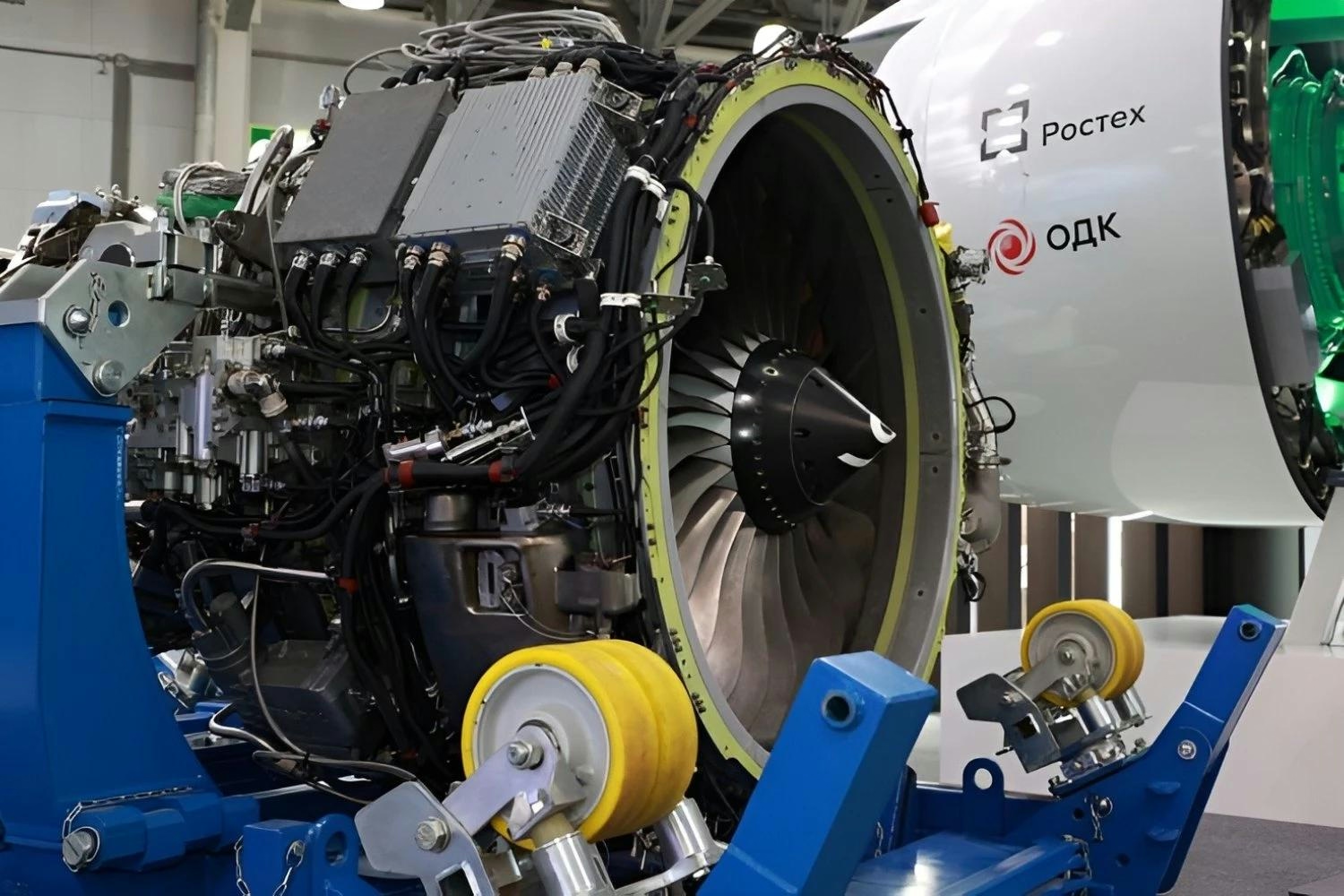
Russia Transports PD-8 Engine to India for International Certification

Kyrgyzstan to Adopt EMPIC GmbH Software for Flight Safety Oversight

Why Hawaiian Airlines Is Waiting Until 2028 To Add A Premium Economy Cabin To Its Airbus A330 Fleet

Engine Fault Causes Royal Navy Helicopter Crash Fatality

Joby Aviation Begins Texas Air Taxi Test Flights Amid Stock Decline

Iberia Receives Full Approval for Airbus A350 Heavy Maintenance

NetJets to Construct Terminal and Hangar at Dallas Love Field

Using AI in Aircraft Purchases

CIAM Unveils RPD-150T Engine to Replace Rotax 150 hp Model
