
Zet AI‑inzichten om in gerichte actie

Trending
Categories
Avro Manchester: The Failed Bomber Behind the Lancaster
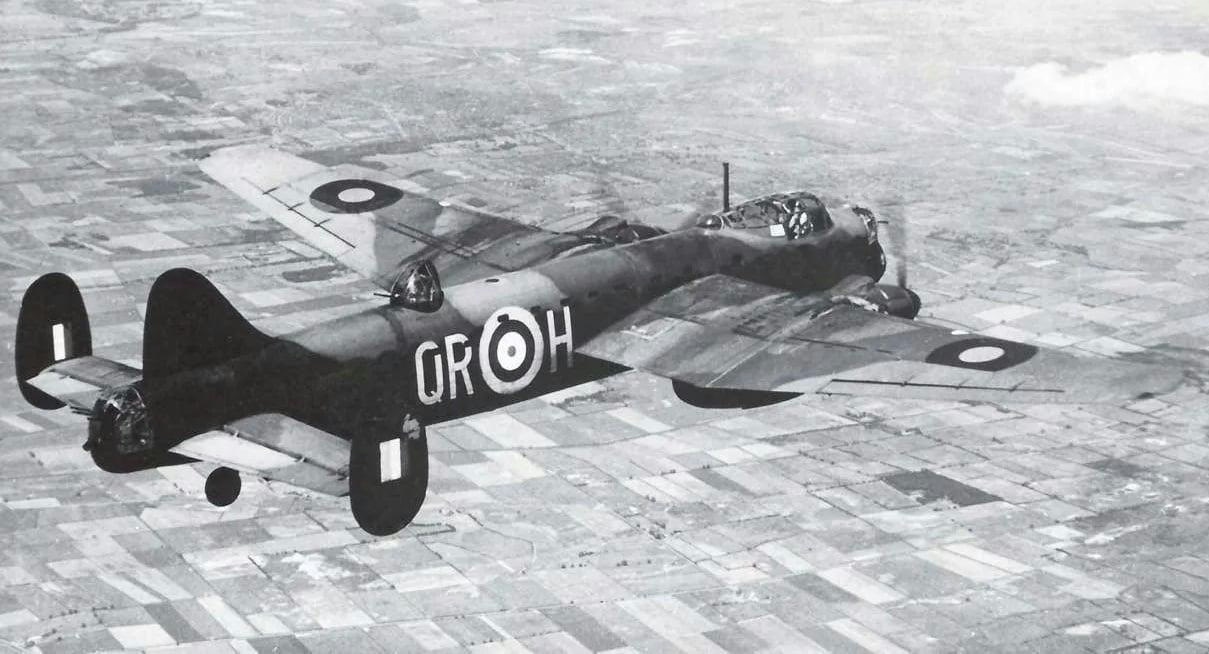
Avro Manchester: The Failed Bomber Behind the Lancaster
The Avro Lancaster is widely celebrated as Britain’s most iconic heavy bomber of World War II, renowned for its audacious raids using bouncing bombs on the Ruhr dams and precision strikes with Tallboy bombs against the German battleship Tirpitz. However, the Lancaster’s origins trace back to one of the conflict’s most problematic aircraft: the Avro Manchester. This twin-engine bomber was plagued by chronic mechanical failures and unreliable engines, earning a notorious reputation among its crews—not for enemy action, but for the ominous and unpredictable sounds of its own powerplants. With only around 200 units produced and numerous losses attributed to accidents rather than combat, the Manchester’s troubled service was short-lived. Nevertheless, its legacy directly influenced the development of the legendary Lancaster.
The Engine That Doomed the Manchester
The Manchester’s downfall was primarily due to its Rolls-Royce Vulture engines, a 24-cylinder powerplant designed by combining two V-12 Peregrine engines in an “X” configuration. Although the Vulture promised an impressive 1,760 horsepower on paper, in practice it was plagued by mechanical issues such as broken crankshafts, slipping bearings, and severe overheating. To maintain operational status, Rolls-Royce was compelled to limit the engine’s output to approximately 1,500 horsepower, leaving the Manchester underpowered and vulnerable. The aircraft’s performance was so compromised that if one engine failed, it struggled to remain airborne. Contemporary assessments estimated a 75 percent chance of crashing if a Vulture engine failed before landing. Aviation historian Jon Lake encapsulated the Manchester’s reputation succinctly: “The engine made the Manchester known above all for its unreliability, poor performance, and general unsuitability for its intended role.”
Mechanical Challenges and Operational Withdrawal
The Manchester’s difficulties were rooted in mechanical complexity rather than aerodynamic design. The Vulture’s X-configuration made routine maintenance exceptionally challenging; even simple tasks like changing spark plugs required dismantling all four engine cowlings along with both intake and exhaust manifolds. This complexity placed a heavy burden on ground crews, compounding the frustrations experienced by pilots. After just eighteen months in frontline service, the Royal Air Force withdrew the Manchester in June 1942, following a series of operational losses—77 during missions and 44 due to accidents, most of which were engine-related.
From Failure to Triumph: The Birth of the Lancaster
Despite its shortcomings, the Manchester’s failure was instrumental in shaping the future of British heavy bombers. Avro’s engineers responded to the Manchester’s deficiencies by redesigning the aircraft to incorporate four reliable Rolls-Royce Merlin engines instead of the problematic Vultures. This transformation gave rise to the Avro Lancaster, which not only resolved the Manchester’s power and reliability issues but also enhanced payload capacity and crew conditions. The Lancaster went on to become one of the most successful and celebrated bombers of the war.
While the Manchester’s reputation faded quickly, overshadowed by the Lancaster’s achievements, its impact on wartime aviation was significant. The Manchester stands as a rare example of an aircraft whose failure directly led to the creation of a legend, laying the foundation for one of Britain’s greatest wartime successes.

Etihad and Swissport Extend Global Partnership
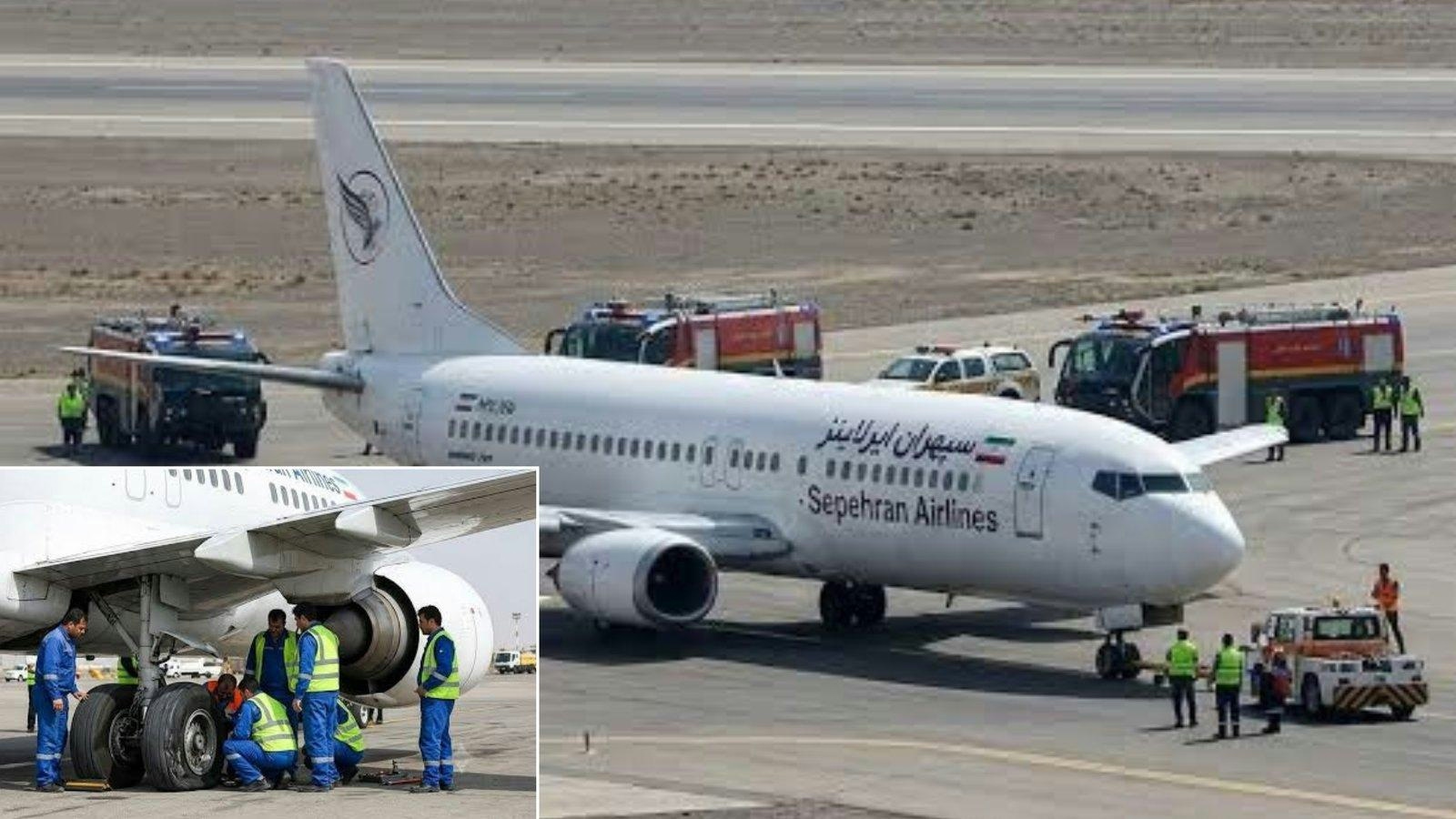
Sepehran Airlines B737 Returns to Mashhad After Tyre and Engine Issues

Etihad Deploys Widebody Fleet to Meet Strong Demand

Korean Air Finalizes $36.2 Billion Deal with Boeing

Australia’s RFDS Queensland Section Orders Six King Air 260Cs

Korean Air Finalizes Order for 103 Boeing Jets and Engines
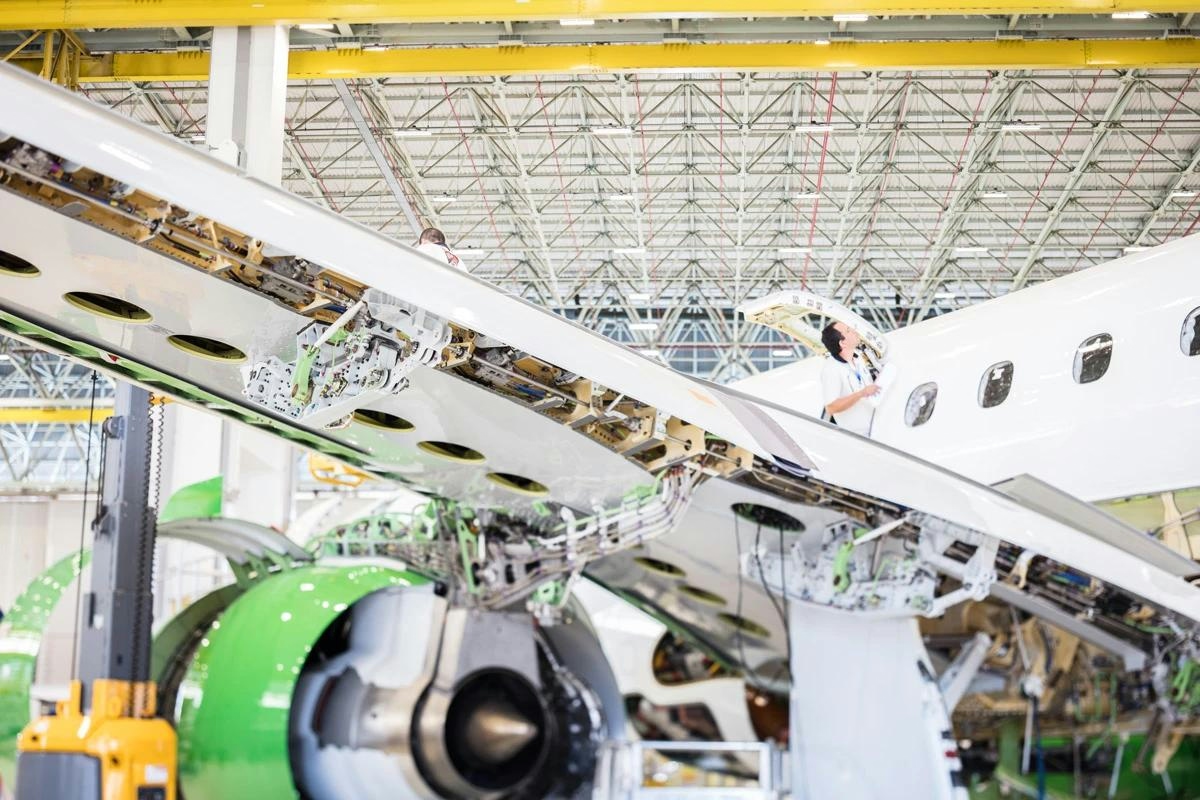
Embraer E195-E2 Features Distinctive Engine Placement Among Regional Jets
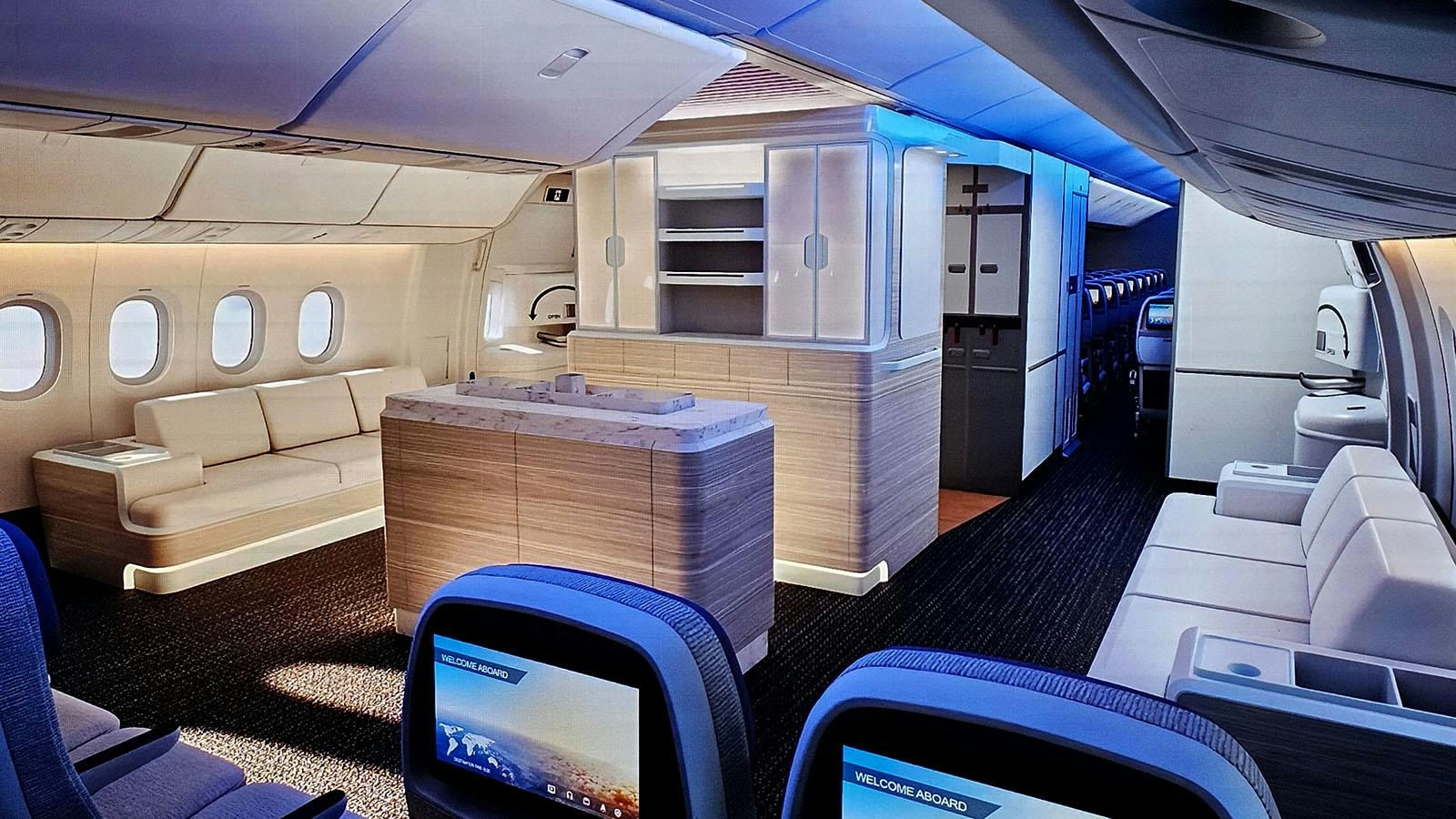
What Passengers Can Expect on Boeing’s New 777X Jet

How Ethiopian Airlines Became Africa’s Leading Carrier Amid Gulf Competition
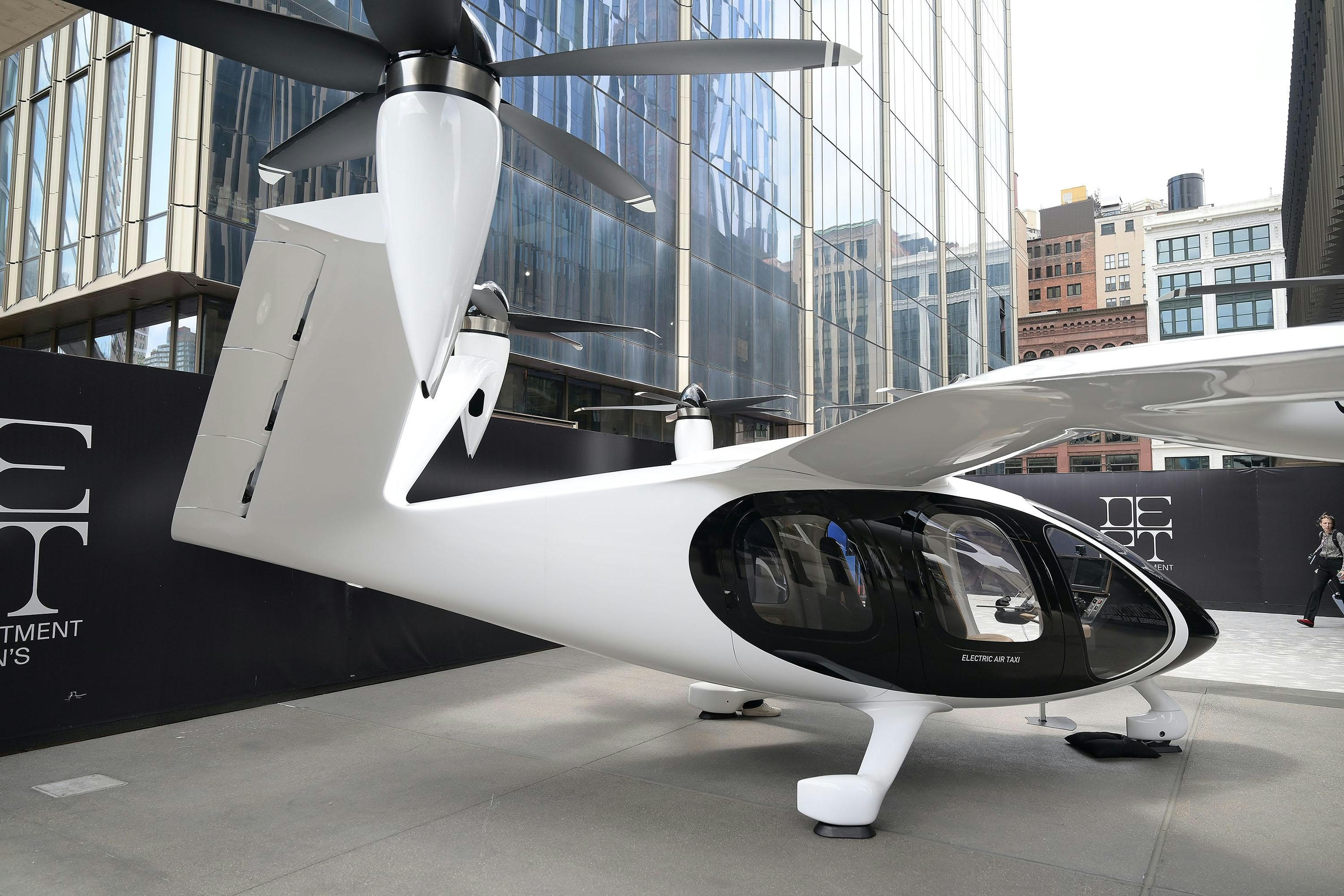
Joby Aviation Extends Autonomous Flight Capabilities with Cross-Country Tour
