
Zet AI‑inzichten om in gerichte actie

Trending
Categories
CF6 Thrust Reverser RVDT Explained
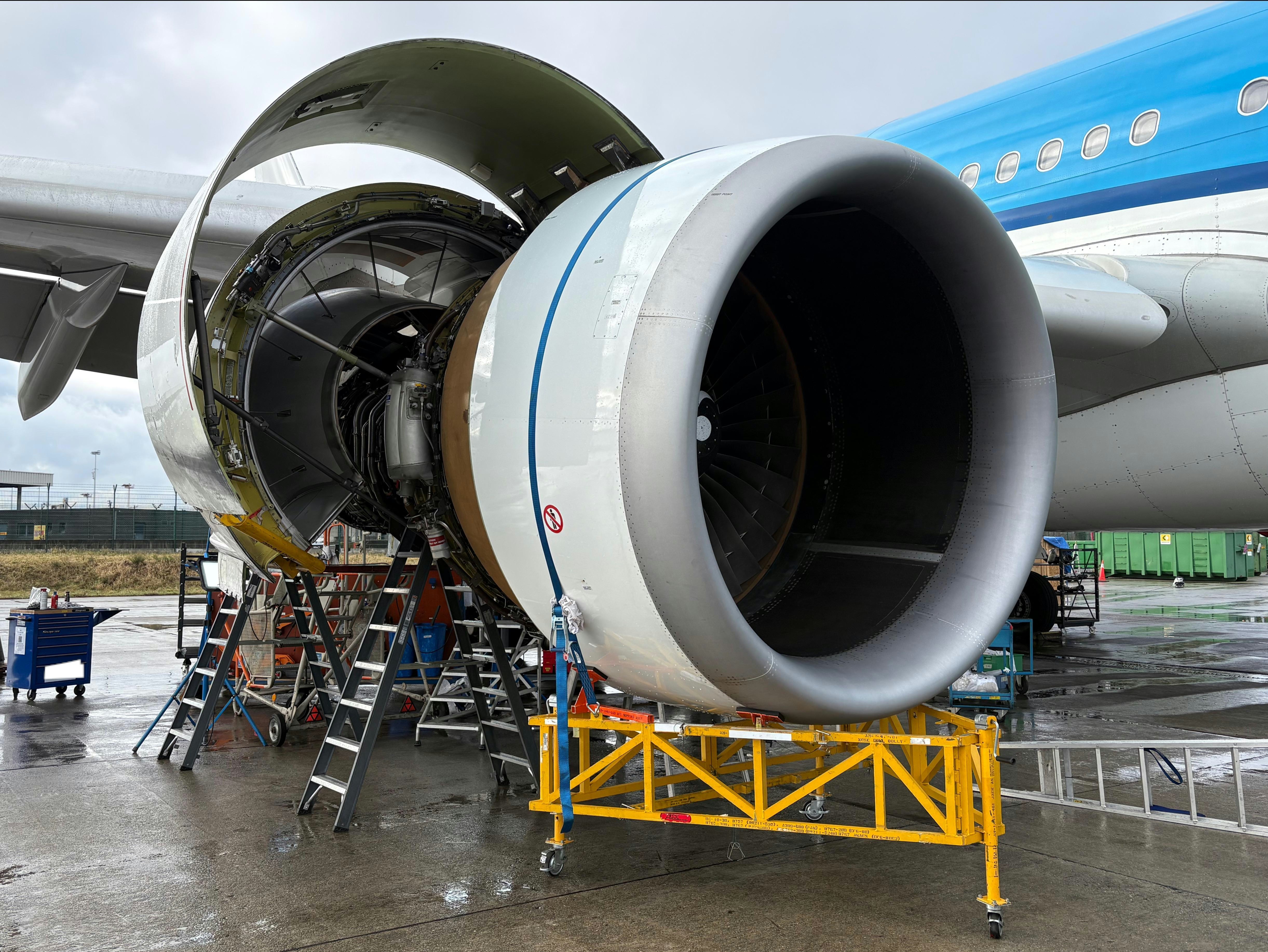
CF6 Thrust Reverser RVDT: Function and Maintenance
The Rotary Variable Differential Transformer (RVDT) serves as a vital feedback sensor within the CF6 engine’s thrust reverser system, delivering accurate position data to the Center Drive Unit (CDU). This precise feedback is crucial for the safe and efficient operation of the engine’s thrust reverser mechanism. Proper rigging and installation of the RVDT are imperative, requiring strict adherence to approved aircraft or engine manuals. While resources such as GE Aviation’s Maintenance Minute provide valuable guidance on correct procedures, technicians must consistently employ appropriate safety measures during maintenance activities to ensure operational integrity.
Industry Challenges and Market Dynamics
The thrust reverser system landscape faces several significant challenges, including high development costs, regulatory complexities, and technical limitations, particularly in the integration of advanced materials. These factors present ongoing obstacles for manufacturers and maintenance providers alike. The competitive environment is further intensified by the strategic role of key suppliers such as GKN Aerospace, whose position within the commercial OEM supply chain highlights the critical importance of timely deliveries of narrow-body thrust reversers. Delays or disruptions in this supply chain can directly impact aircraft maintenance schedules and operational readiness.
Compounding these issues are persistent supply chain constraints and material shortages that affect the Aerospace Fluid Conveyance Systems market, influencing the availability and integration of components like the RVDT. The industry must also navigate evolving regulatory standards, which impose additional pressures to innovate and maintain compliance while meeting market demands.
Market Outlook and Regional Trends
Despite these challenges, the Aircraft Reverse Thruster market is poised for substantial growth, with forecasts indicating a compound annual growth rate (CAGR) of 11.3% between 2026 and 2033. North America currently dominates as the largest market, benefiting from a mature aviation sector and established maintenance infrastructure. Meanwhile, the Asia Pacific region is anticipated to experience the fastest growth, driven by expanding aircraft fleets and a rising demand for efficient maintenance solutions.
As the sector continues to evolve, the precision of component rigging, the reliability of supply chains, and strict adherence to safety and regulatory standards will remain critical. Advances in thrust reverser technology, including enhancements to the RVDT, will play an essential role in sustaining the operational efficiency and safety of commercial aviation on a global scale.
Comments

Etihad Airways Suspends Airbus A380 Flights on Key Route

Aditya Birla Group Seeks Approval for Aircraft Leasing in GIFT City

Qatar Airways Highlights Innovation and Connectivity at Arabian Travel Market 2026

Hong Kong's Five-Year Plan Includes Andrew Fan's Aircraft Parts Processing Hub Proposal

ACIA Aero Leasing Delivers ATR72-600 to Air Nostrum

RTX Appoints Jill Albertelli as Head of Pratt & Whitney

TAT Technologies Joins Beyond Aero Hydrogen Aircraft Program

AURAK Study Highlights Barriers to Air Taxi Adoption in Emerging Economies

Xiamen Air Selects Altitude for 787 Maintenance at Heathrow

Etihad and Swissport Extend Global Partnership
