
Zet AI‑inzichten om in gerichte actie

Trending
Categories
China Opens Low-Altitude Rail Transport Hub at Shenzhen North Station Connecting Air Taxis, High-Speed Rail, and Metro
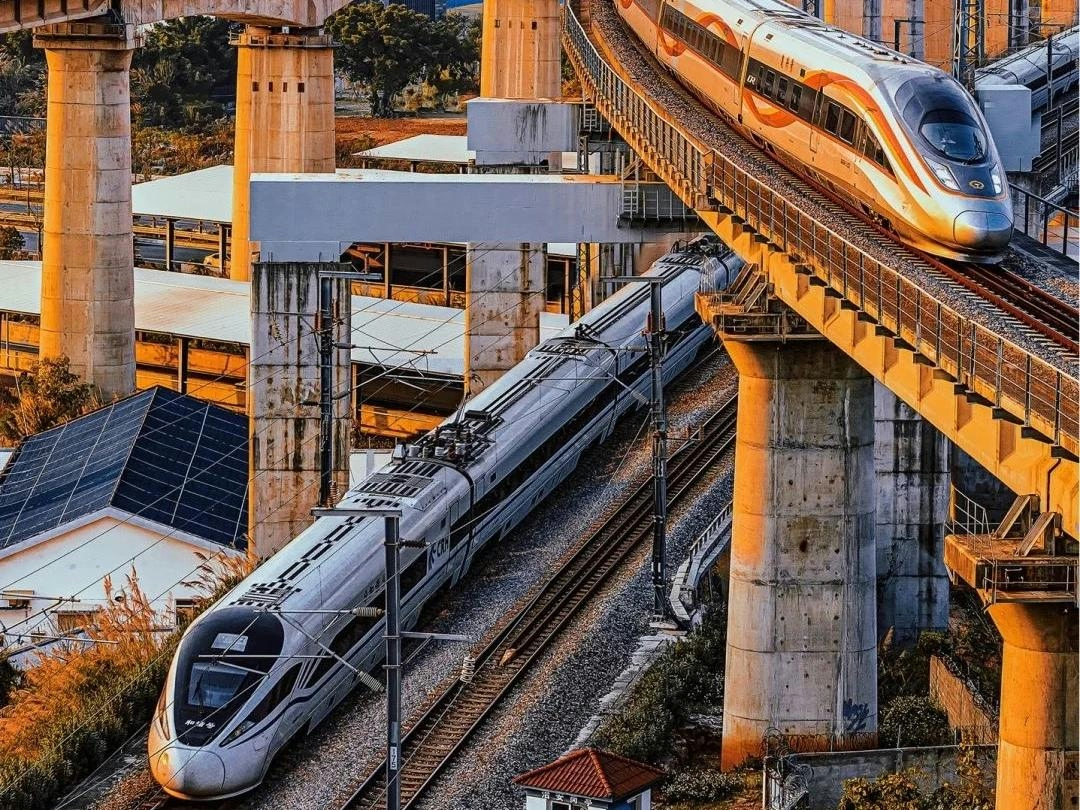
China Launches Integrated Low-Altitude Rail Transport Hub at Shenzhen North Station
Shenzhen North Station has unveiled China’s first integrated low-altitude rail transport hub, seamlessly connecting air taxis with high-speed rail and metro services. This pioneering initiative represents a major advancement in urban mobility, positioning Shenzhen at the forefront of transport innovation. The new hub offers travelers enhanced options for navigating both the city and the broader Greater Bay Area, combining efficiency with convenience.
Multimodal Connectivity and Passenger Experience
Traditionally a key interchange for high-speed rail and metro lines, Shenzhen North Station now features dedicated boarding zones for air taxis. This integration allows passengers arriving by train or metro to transfer swiftly to low-altitude flights, significantly reducing transfer times and alleviating congestion on conventional transport routes. The design aims to streamline daily commutes and improve the overall travel experience, making aerial transport a viable and practical alternative for both residents and tourists.
Aerial Routes Highlighting Shenzhen’s Urban and Natural Landscapes
The air taxi network offers passengers unique aerial views of Shenzhen’s prominent districts and landmarks. These include the bustling Futian Central Business District, the technology-driven Nanshan District, and the culturally rich Luohu District. Additionally, routes extend over Yantian Port, providing panoramic vistas of the city’s major shipping hub, as well as natural attractions such as Wutong Mountain and the coastal beaches of Dameisha and Xiaomeisha. By combining efficient transit with sightseeing opportunities, the service appeals to a diverse range of users, from daily commuters to photography enthusiasts and visitors.
Enhancing Regional Integration Across the Greater Bay Area
Beyond Shenzhen’s city limits, the hub facilitates connections to other major urban centers within the Greater Bay Area, including Zhuhai and Zhongshan. This network supports the creation of a “one-hour living circle,” dramatically reducing travel times compared to road or traditional rail options. The expanded connectivity is expected to bolster business activities, tourism, and regional integration, reinforcing the Greater Bay Area’s status as a dynamic economic zone.
Market Implications and Challenges Ahead
The launch of this integrated transport hub is anticipated to influence commuter preferences, encouraging a shift toward multimodal travel solutions. It may also stimulate increased investment in air taxi services and related infrastructure. In response, competing regions with similar ambitions are likely to accelerate upgrades to their transport networks to maintain competitiveness.
Nevertheless, the rollout faces several challenges, including regulatory complexities, technological integration issues, and competition from established transport modes. The ongoing development of autonomous electric vertical takeoff and landing (eVTOL) aircraft and high-speed rail projects in other areas will also play a critical role in shaping the future market landscape.
Setting a New Standard for Urban Mobility
By providing a fast, efficient, and scenic alternative to congested roads and traditional public transport, Shenzhen’s low-altitude rail transport hub establishes a new benchmark for urban mobility. As the city continues to innovate, its integrated approach may serve as a model for other metropolitan regions seeking to enhance connectivity and alleviate urban congestion.

Etihad Airways Suspends Airbus A380 Flights on Key Route

Aditya Birla Group Seeks Approval for Aircraft Leasing in GIFT City

Qatar Airways Highlights Innovation and Connectivity at Arabian Travel Market 2026

Hong Kong's Five-Year Plan Includes Andrew Fan's Aircraft Parts Processing Hub Proposal

ACIA Aero Leasing Delivers ATR72-600 to Air Nostrum

RTX Appoints Jill Albertelli as Head of Pratt & Whitney

TAT Technologies Joins Beyond Aero Hydrogen Aircraft Program

AURAK Study Highlights Barriers to Air Taxi Adoption in Emerging Economies

Xiamen Air Selects Altitude for 787 Maintenance at Heathrow

Etihad and Swissport Extend Global Partnership
