
Zet AI‑inzichten om in gerichte actie

Trending
Categories
China Southern Airlines Launches AI-Driven International Cargo Terminal in Guangzhou
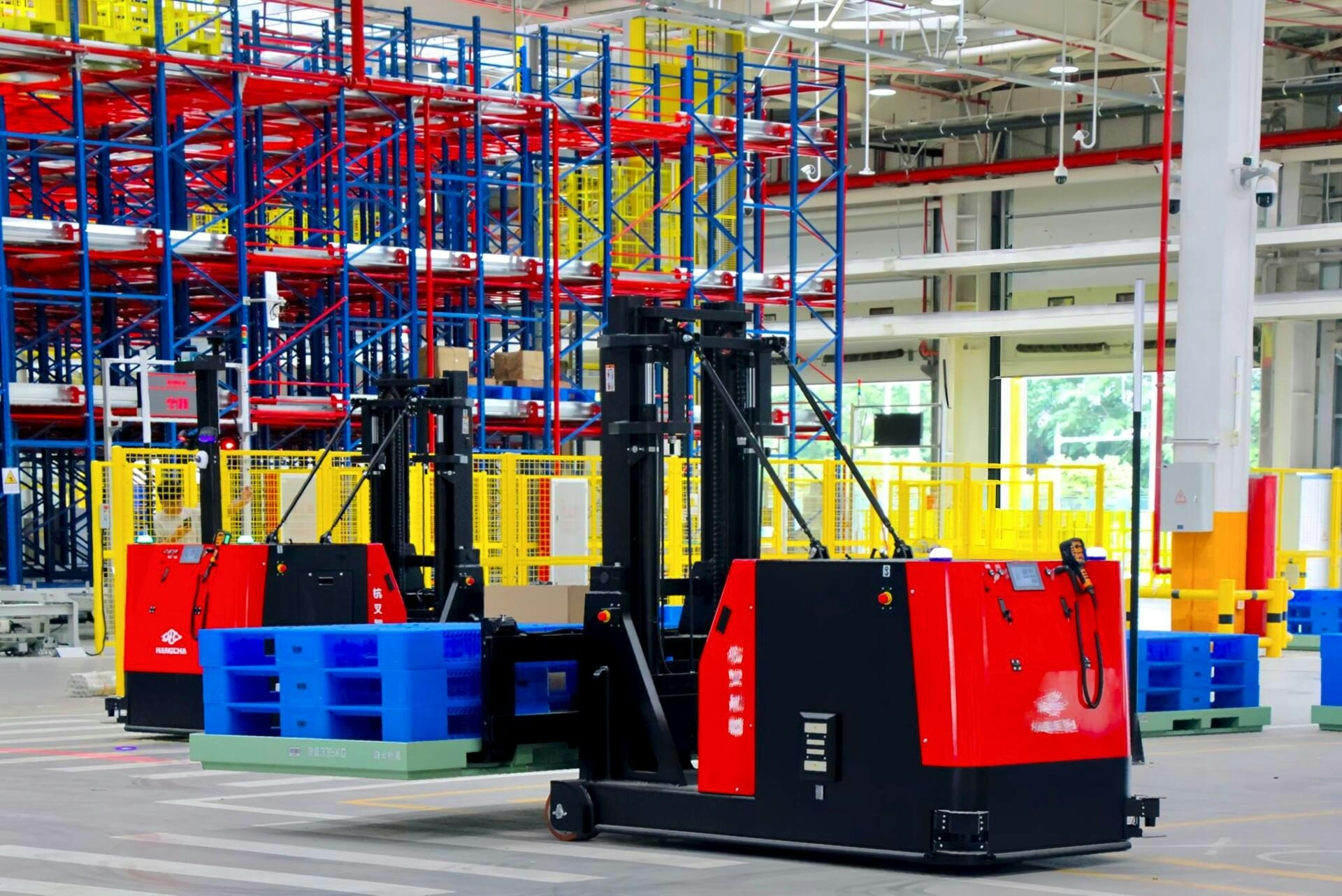
China Southern Airlines Launches AI-Driven International Cargo Terminal in Guangzhou
China Southern Airlines has officially opened a cutting-edge international inbound cargo terminal at Guangzhou Baiyun International Airport, marking a pivotal advancement in the application of artificial intelligence and automation within the air cargo industry. The terminal commenced operations on August 28, successfully processing its first shipment when a China Southern cargo flight delivered nearly 80 tons of goods, completing the facility’s inaugural automated handling procedure.
Advanced Technology and Operational Efficiency
Covering an area of approximately 25,000 square meters, the new terminal is outfitted with sophisticated automated storage systems, driverless forklifts, and automated container handling equipment. China Southern Air Logistics reports that the terminal’s AI-powered warehouse management and scheduling systems efficiently coordinate cargo storage, transportation, loading bays, and vehicle movements. These technological innovations have shortened the processing time for international inbound shipments from roughly 75 minutes to 60 minutes, enhancing overall operational efficiency.
The terminal is designed to manage up to 1,600 tons of cargo daily at peak capacity and is projected to handle around 345,000 tons of international inbound cargo annually by 2030. The facility also includes provisions for future expansion to accommodate growing demand.
Challenges and Industry Context
Despite the clear benefits, the integration of AI-driven systems in cargo operations presents notable challenges. Industry experts have raised concerns about potential cybersecurity vulnerabilities associated with increased reliance on artificial intelligence, a risk that has led to cautious approaches in similar projects at major seaports. As AI technologies become more deeply embedded in logistics, ensuring the security and reliability of automated systems remains a critical priority.
The launch of this AI-enabled terminal occurs amid intensified competition within the aviation sector. With rising fuel costs and significant first-half losses reported by China’s three largest airlines, the adoption of AI and automation is viewed as a strategic measure to improve efficiency and reduce operational expenses. Market analysts anticipate that competing airlines may expedite their own AI integration efforts to remain competitive, although they will likely encounter regulatory and operational challenges in doing so.
China Southern Airlines’ new terminal is set to transform the international air freight landscape in the region, establishing new standards for efficiency while underscoring the complex challenges posed by digital transformation in the logistics industry.

Etihad and Swissport Extend Global Partnership

Sepehran Airlines B737 Returns to Mashhad After Tyre and Engine Issues

Etihad Deploys Widebody Fleet to Meet Strong Demand

Korean Air Finalizes $36.2 Billion Deal with Boeing
Australia’s RFDS Queensland Section Orders Six King Air 260Cs
Korean Air Finalizes Order for 103 Boeing Jets and Engines
Embraer E195-E2 Features Distinctive Engine Placement Among Regional Jets
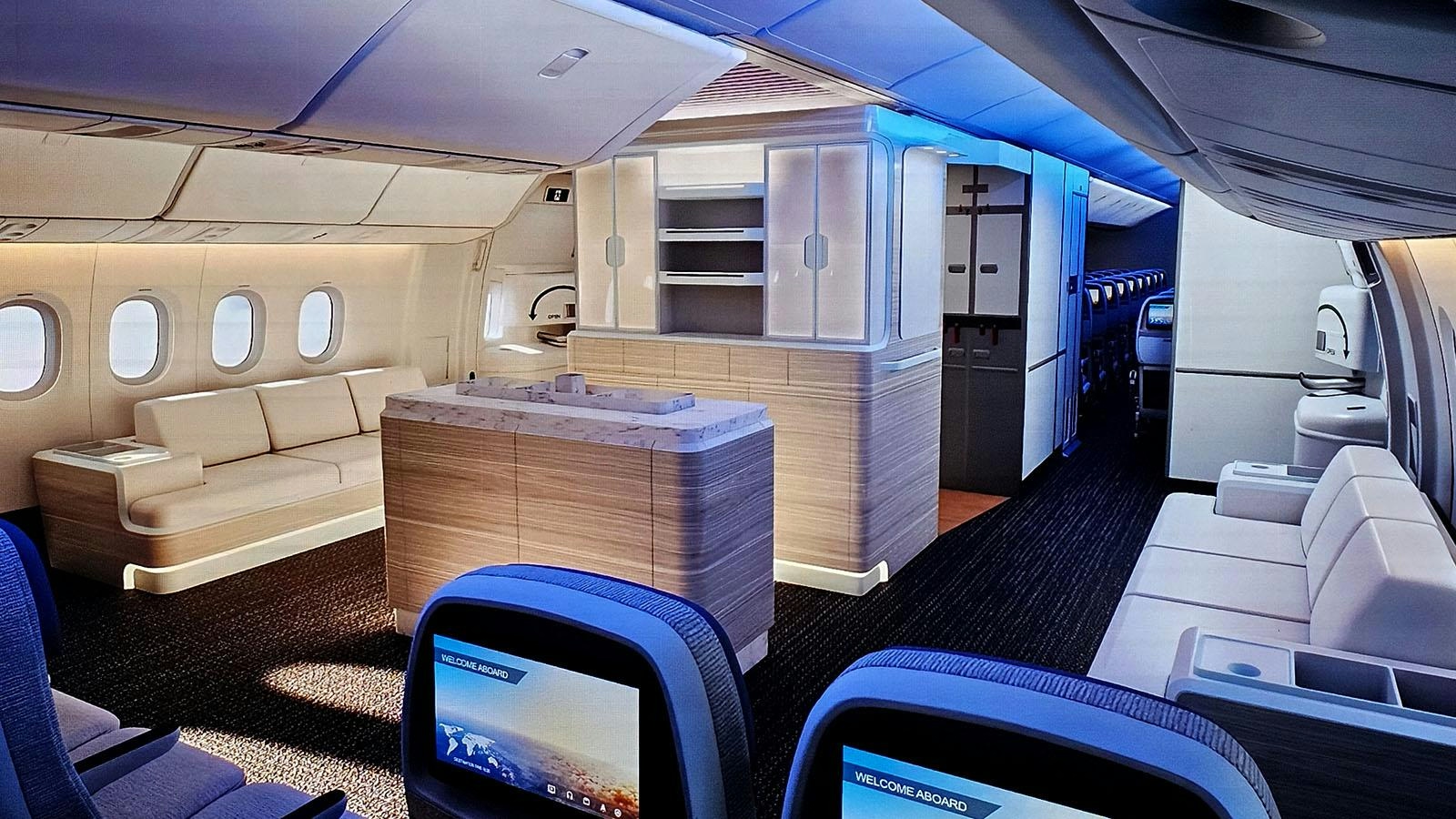
What Passengers Can Expect on Boeing’s New 777X Jet
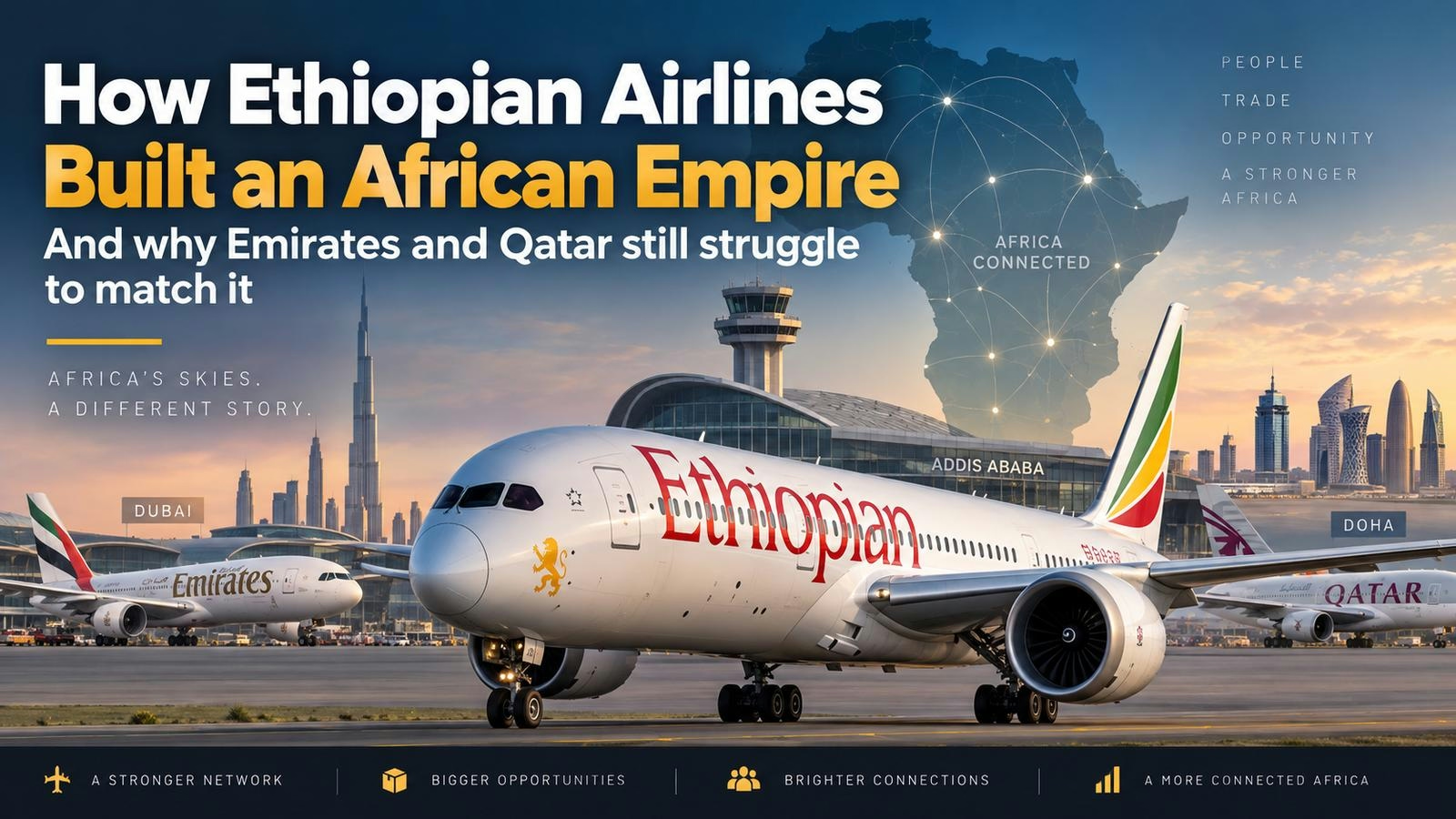
How Ethiopian Airlines Became Africa’s Leading Carrier Amid Gulf Competition

Joby Aviation Extends Autonomous Flight Capabilities with Cross-Country Tour
