
Zet AI‑inzichten om in gerichte actie

Trending
Categories
Concordia Signs Two Memorandums of Understanding on Aviation
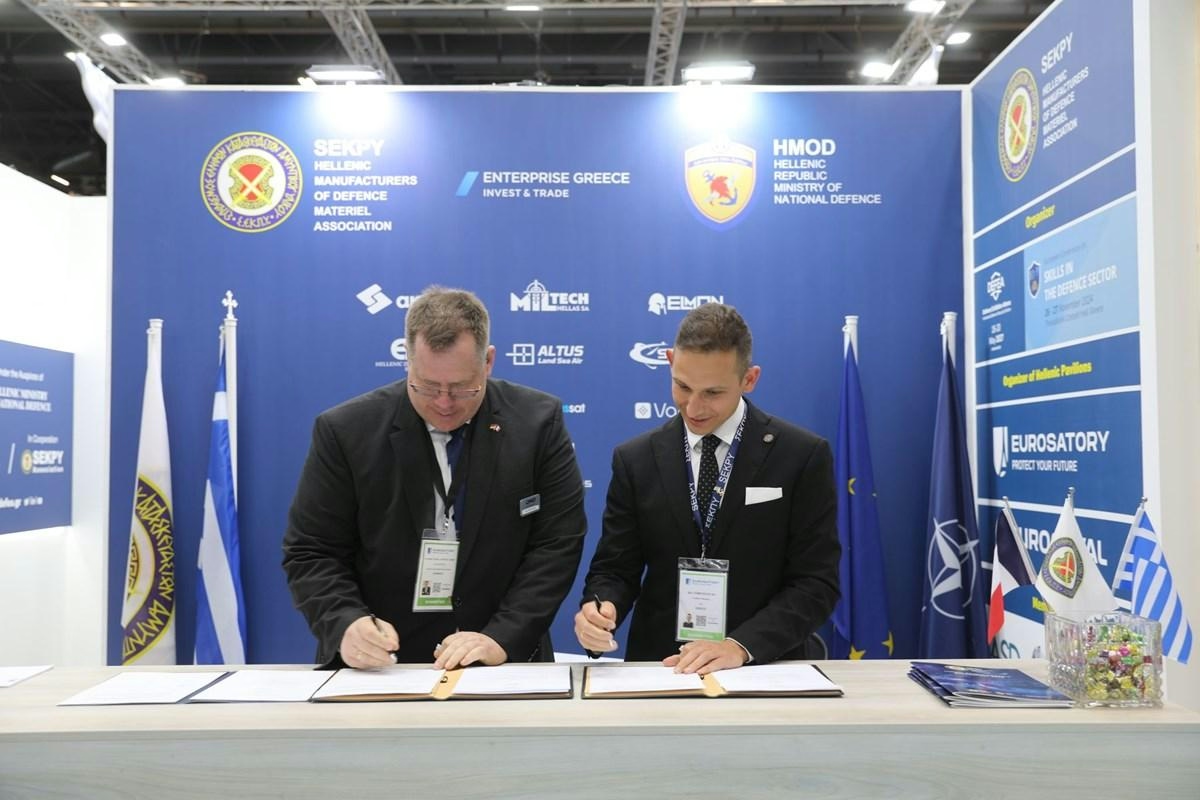
Concordia Signs Two Memorandums of Understanding on Aviation
Concordia University has formalized two strategic partnerships designed to propel advancements in cleaner, smarter, and more efficient aviation technologies. These agreements, signed at the Farnborough International Airshow, are set to accelerate research and innovation in the fields of advanced air mobility and uncrewed aircraft systems.
Through memorandums of understanding with ADM Aéroports de Montréal and Volatus Aerospace, Concordia’s Volt-Age research program will enhance collaborations that integrate academic research with industry expertise. The primary objective is to develop, test, and commercialize next-generation aviation technologies that address emerging challenges in the sector.
Advancing Air Mobility with ADM
The partnership with ADM will embed Volt-Age’s expertise within YMX Innovation, ADM’s aerospace research and technology development hub located at YMX Tech Park. This collaboration will concentrate on key areas such as electrification, energy systems, energy storage, and smart infrastructure, which are essential for supporting the evolution of advanced air mobility solutions.
Yves Beauchamp, president and CEO of ADM Aéroports de Montréal, highlighted the importance of this expanded partnership, stating, “By expanding our collaboration with Volt-Age, we are strengthening YMX Innovation’s electrification expertise and creating an even stronger environment for developing and transferring the technologies that will shape the future of aviation.”
The memorandum establishes a framework for applied research, technology demonstrations, and real-world validation projects. It also includes plans to develop new living labs, testing platforms, and technology demonstrators aimed at fostering collaboration among academia, industry, and institutional partners.
Navigating Challenges and Industry Reactions
While these partnerships position Concordia at the forefront of aviation innovation, they also introduce significant challenges. The university and its partners must navigate complex regulatory landscapes and ensure compliance with evolving international aviation standards. Additionally, managing the technical and financial risks associated with pioneering new technologies will be critical to the success of these initiatives.
Market responses to Concordia’s aviation ventures have been varied. The agreements may attract heightened investor interest, reflecting optimism about the university’s potential role in shaping the future of flight. However, some industry observers remain cautious, questioning the feasibility and long-term profitability of such ambitious projects.
Competitors within the aviation sector are expected to monitor Concordia’s progress closely. These new partnerships could intensify competition as other institutions and companies seek to advance their own research and development efforts. Conversely, the agreements may also pave the way for further collaborations if mutual benefits are identified.
As Concordia advances these memorandums of understanding, the university aims to balance innovation with practical considerations, working alongside industry leaders to address the challenges and opportunities presented by next-generation aviation.

Etihad and Swissport Extend Global Partnership

Sepehran Airlines B737 Returns to Mashhad After Tyre and Engine Issues

Etihad Deploys Widebody Fleet to Meet Strong Demand

Korean Air Finalizes $36.2 Billion Deal with Boeing
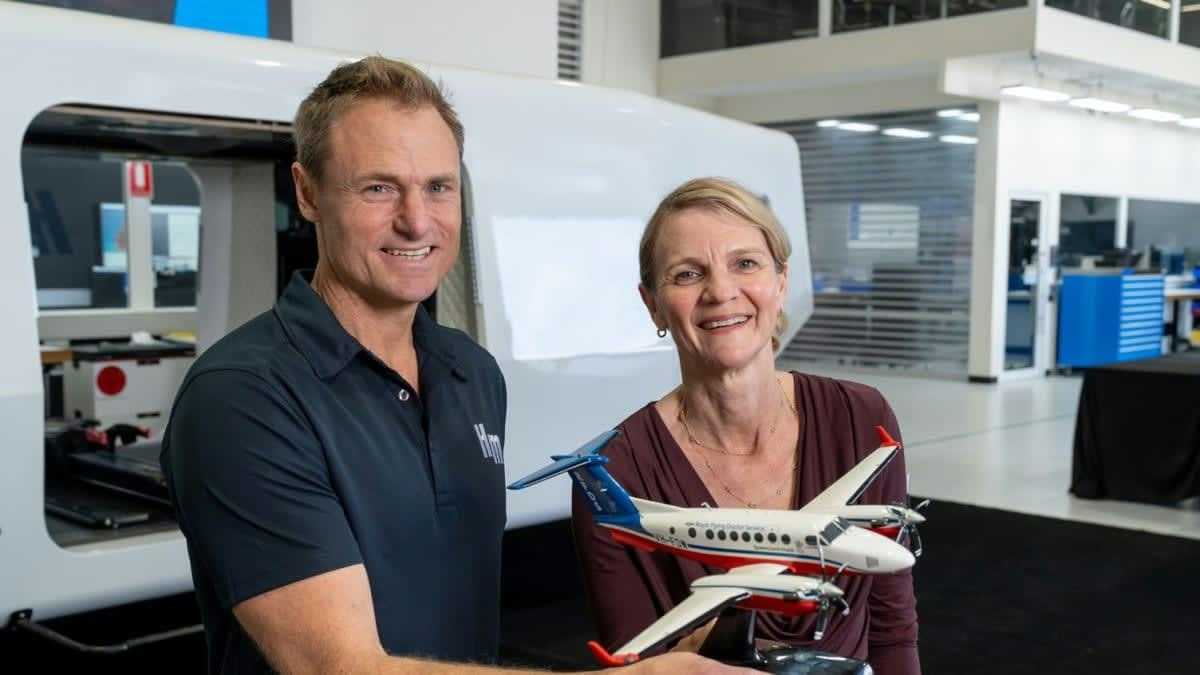
Australia’s RFDS Queensland Section Orders Six King Air 260Cs
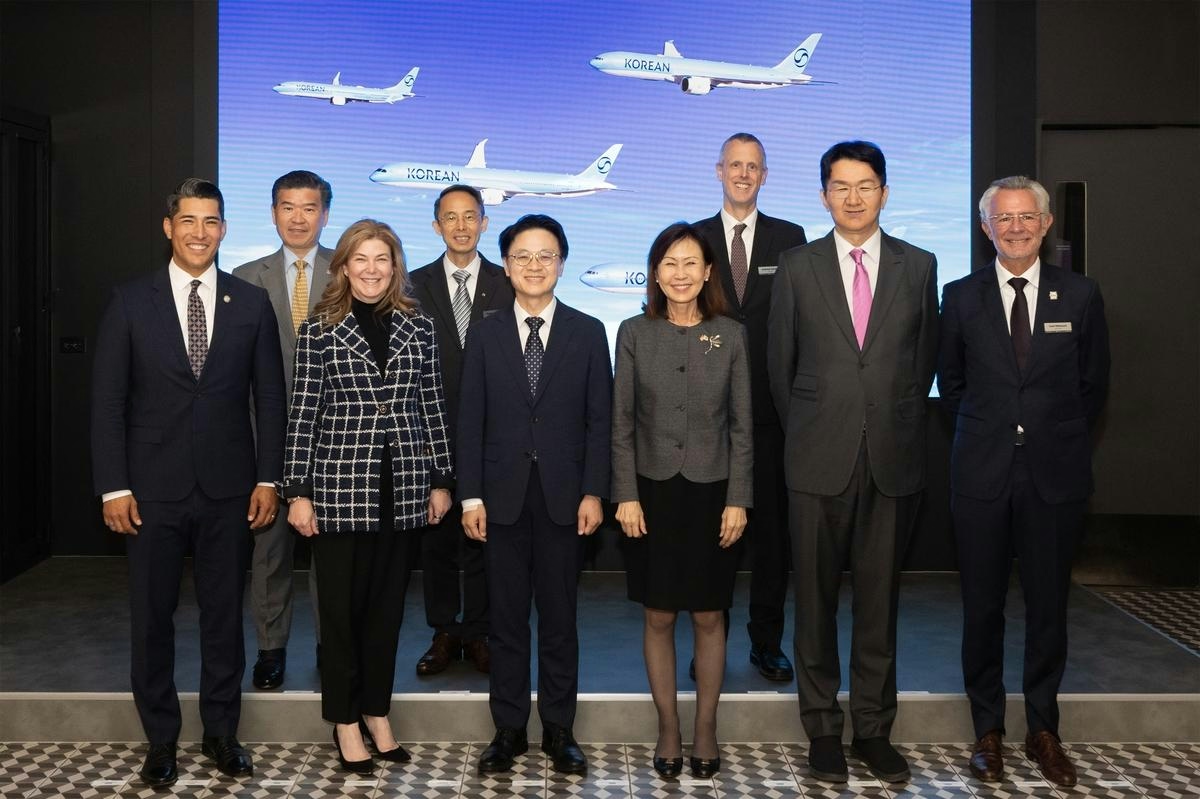
Korean Air Finalizes Order for 103 Boeing Jets and Engines

Embraer E195-E2 Features Distinctive Engine Placement Among Regional Jets

What Passengers Can Expect on Boeing’s New 777X Jet

How Ethiopian Airlines Became Africa’s Leading Carrier Amid Gulf Competition
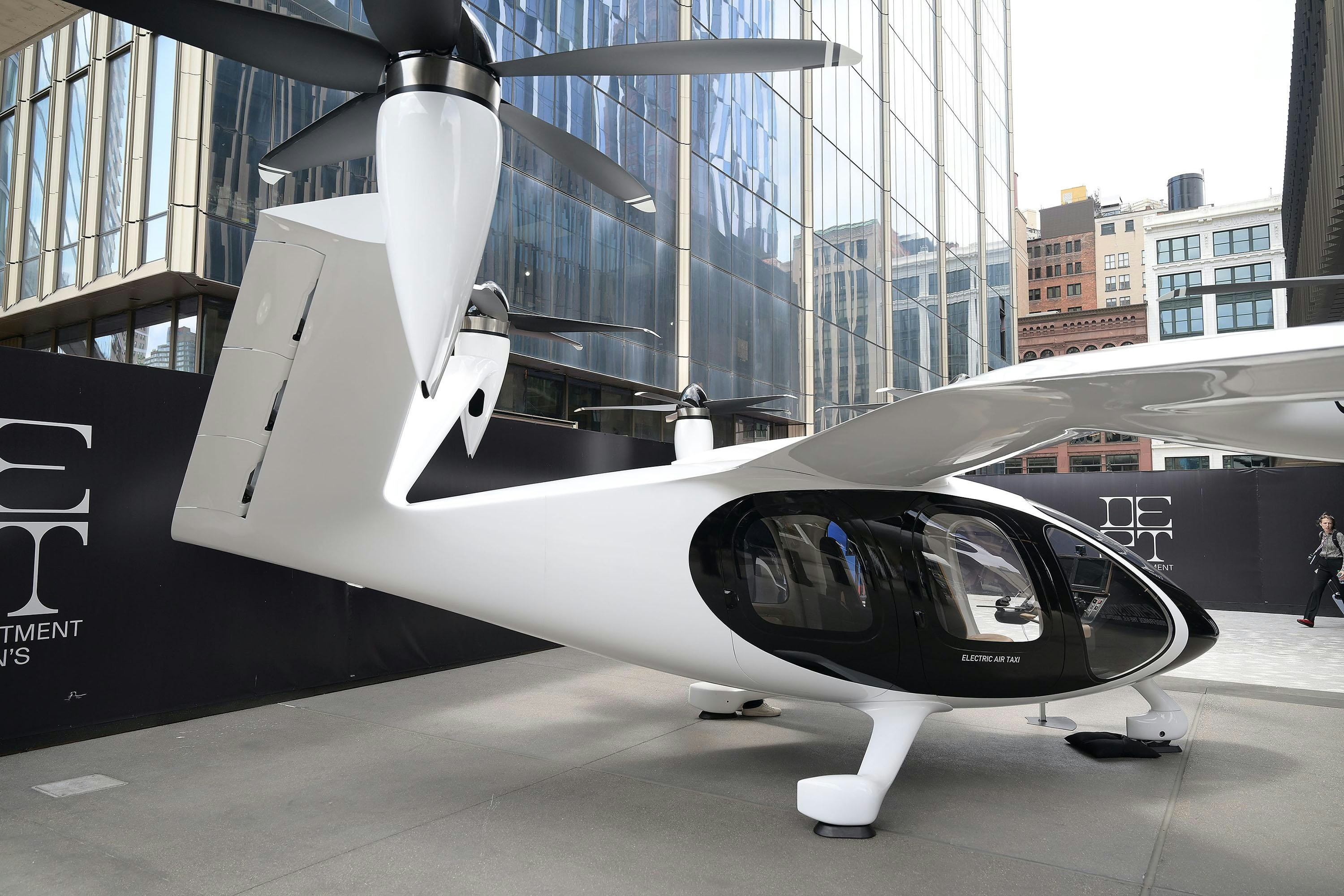
Joby Aviation Extends Autonomous Flight Capabilities with Cross-Country Tour
