
Zet AI‑inzichten om in gerichte actie

Trending
Categories
Delta Ends Fixed Ticket Pricing, Adopts AI-Based Dynamic Fares
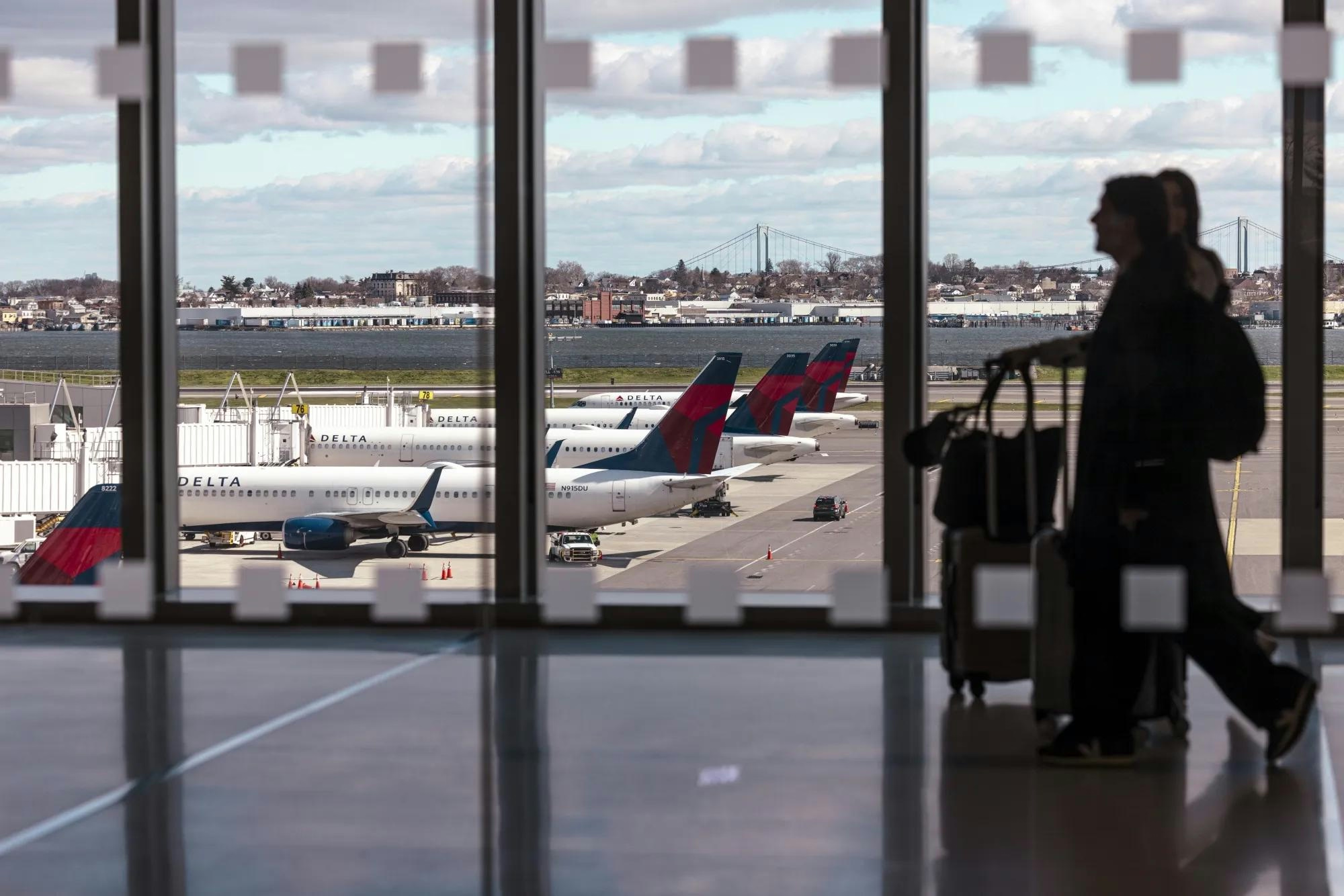
Delta Ends Fixed Ticket Pricing, Adopts AI-Based Dynamic Fares
Delta Air Lines has announced a significant shift in its pricing strategy, moving away from fixed ticket prices in favor of an artificial intelligence-driven dynamic fare system. This new approach aims to personalize ticket prices for individual travelers, marking a notable development in the airline industry's ongoing efforts to refine pricing models.
Embracing AI for Personalized Pricing
For over a decade, airlines have sought to implement personalized pricing strategies, but Delta is the first major carrier to openly discuss its use of AI in this context. Gary Leff, a respected travel industry analyst, highlighted Delta’s transparency regarding its AI pricing strategy during the airline’s recent investor day and earnings call. The adoption of AI-based dynamic fares is expected to enable Delta to adjust ticket prices more precisely, taking into account factors such as demand fluctuations, customer behavior, and prevailing market conditions.
In the short term, this system may offer passengers more frequent upfront discounts when the airline needs to fill seats. Leff noted that savvy consumers might temporarily benefit by employing tactics like browsing with a VPN or clearing cookies to uncover better deals. However, the long-term effects on travelers remain uncertain, particularly as airlines increasingly require customers to log in to access loyalty benefits or complete purchases. This integration could lead to highly individualized pricing models, where perks such as extra legroom seats might only be available to those who accept dynamic fares tailored specifically to them.
Challenges and Industry Implications
Delta’s transition to AI-driven pricing is not without potential drawbacks. Passengers may react negatively to perceived increases in price volatility or concerns over fairness, especially frequent flyers accustomed to predictable pricing structures. Regulatory authorities are also likely to scrutinize these new fare practices to ensure transparency and protect consumer interests.
The implementation of such a sophisticated pricing system demands a robust technological infrastructure capable of processing complex algorithms and managing extensive customer data. As the airline industry continues to evolve rapidly, Delta will need to invest consistently in technology to maintain its competitive advantage while safeguarding customer satisfaction.
Market responses to Delta’s move are expected to be mixed. Some competitors may adopt similar dynamic pricing models, while others might reinforce fixed pricing strategies to appeal to customers who prioritize price stability. The broader industry faces the challenge of balancing innovation with regulatory compliance and customer loyalty in an increasingly data-driven environment.
Delta’s adoption of AI-powered dynamic fares represents a pivotal moment in airline pricing, introducing both new opportunities and uncertainties for travelers and the industry as a whole.

Etihad Airways Suspends Airbus A380 Flights on Key Route

Aditya Birla Group Seeks Approval for Aircraft Leasing in GIFT City

Qatar Airways Highlights Innovation and Connectivity at Arabian Travel Market 2026

Hong Kong's Five-Year Plan Includes Andrew Fan's Aircraft Parts Processing Hub Proposal

ACIA Aero Leasing Delivers ATR72-600 to Air Nostrum

RTX Appoints Jill Albertelli as Head of Pratt & Whitney

TAT Technologies Joins Beyond Aero Hydrogen Aircraft Program

AURAK Study Highlights Barriers to Air Taxi Adoption in Emerging Economies

Xiamen Air Selects Altitude for 787 Maintenance at Heathrow

Etihad and Swissport Extend Global Partnership
