
Zet AI‑inzichten om in gerichte actie

Trending
Categories
Emirates Emerges as Leading Airline in Middle East Aviation
Emirates Emerges as Leading Airline in Middle East Aviation
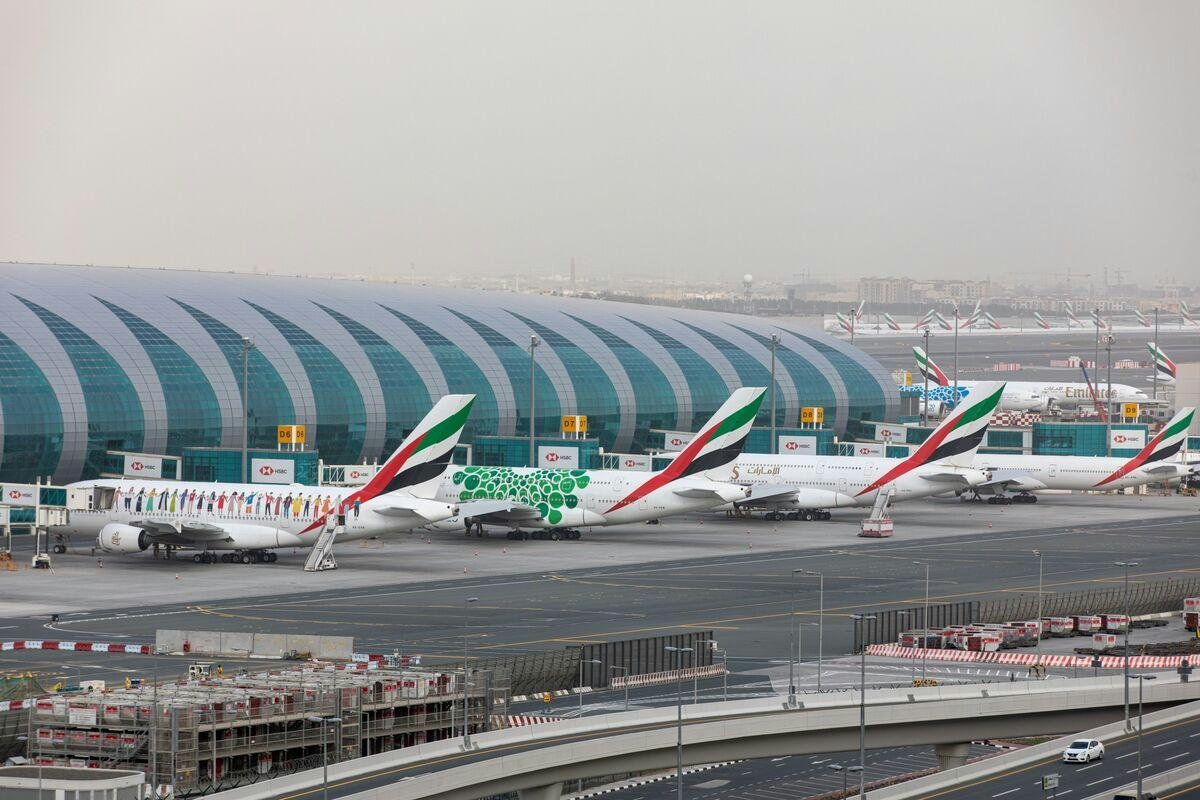
Emirates has solidified its position as the foremost airline in Middle East aviation, surpassing regional competitors including Etihad Airways, Qatar Airways, FlyDubai, and Saudia. This achievement reflects Emirates’ sustained dedication to innovation in safety, luxury, and customer service, which has set new industry standards and reinforced the Middle East’s role as a critical hub for international travel.
Innovation and Excellence in Service
Headquartered in Dubai, Emirates is widely recognized for its modern fleet, predominantly composed of Airbus A380 and Boeing 777 aircraft, which are celebrated for their efficiency and passenger comfort. The airline’s substantial investments in cutting-edge aviation technologies, stringent safety protocols, and operational excellence have propelled it to the top of global safety rankings in 2026. Emirates’ reliable on-time performance and its acclaimed in-flight entertainment system, ICE, further enhance its appeal to both leisure and business travelers. Central to its success is the airline’s emphasis on premium customer experiences, exemplified by its First Class Suites and Business Class offerings that blend luxury with dependability. These initiatives have not only elevated Emirates’ standing but have also influenced the broader development of aviation networks throughout the region.
Competitive Dynamics and Market Impact
Emirates’ dominance in 2025 has elicited significant market reactions and intensified competition. Rival carriers such as Qatar Airways and Etihad Airways are ramping up efforts to protect their market share by improving service quality, expanding route networks, and offering more competitive pricing. This heightened rivalry is expected to benefit passengers through enhanced services and greater choice, while compelling airlines to adopt strategic adaptations to sustain profitability. The evolving competitive landscape has also attracted increased regulatory scrutiny, with authorities closely monitoring market dynamics and competitive practices within the region’s aviation sector. As airlines compete for leadership, the industry faces both opportunities for innovation and challenges in maintaining growth amid shifting passenger preferences.
Etihad Airways, the UAE’s national carrier, remains a formidable contender. Recently named the world’s safest airline in 2026, Etihad continues to strengthen its reputation through a modern, fuel-efficient fleet and a strong focus on passenger service. The intensifying competition is likely to drive further advancements across the sector as airlines strive to meet rising expectations and respond to changing market conditions.
As Emirates leads the Middle East aviation industry forward, the sector is poised for ongoing transformation, promising travelers improved connectivity, enhanced safety, and elevated service standards.

Etihad Airways Suspends Airbus A380 Flights on Key Route

Aditya Birla Group Seeks Approval for Aircraft Leasing in GIFT City

Qatar Airways Highlights Innovation and Connectivity at Arabian Travel Market 2026

Hong Kong's Five-Year Plan Includes Andrew Fan's Aircraft Parts Processing Hub Proposal

ACIA Aero Leasing Delivers ATR72-600 to Air Nostrum

RTX Appoints Jill Albertelli as Head of Pratt & Whitney

TAT Technologies Joins Beyond Aero Hydrogen Aircraft Program

AURAK Study Highlights Barriers to Air Taxi Adoption in Emerging Economies

Xiamen Air Selects Altitude for 787 Maintenance at Heathrow

Etihad and Swissport Extend Global Partnership
