
Zet AI‑inzichten om in gerichte actie

Trending
Categories
Engine Parts from Arrow Cargo DC-10 Fall on Houses in Manaus, March 26, 2009
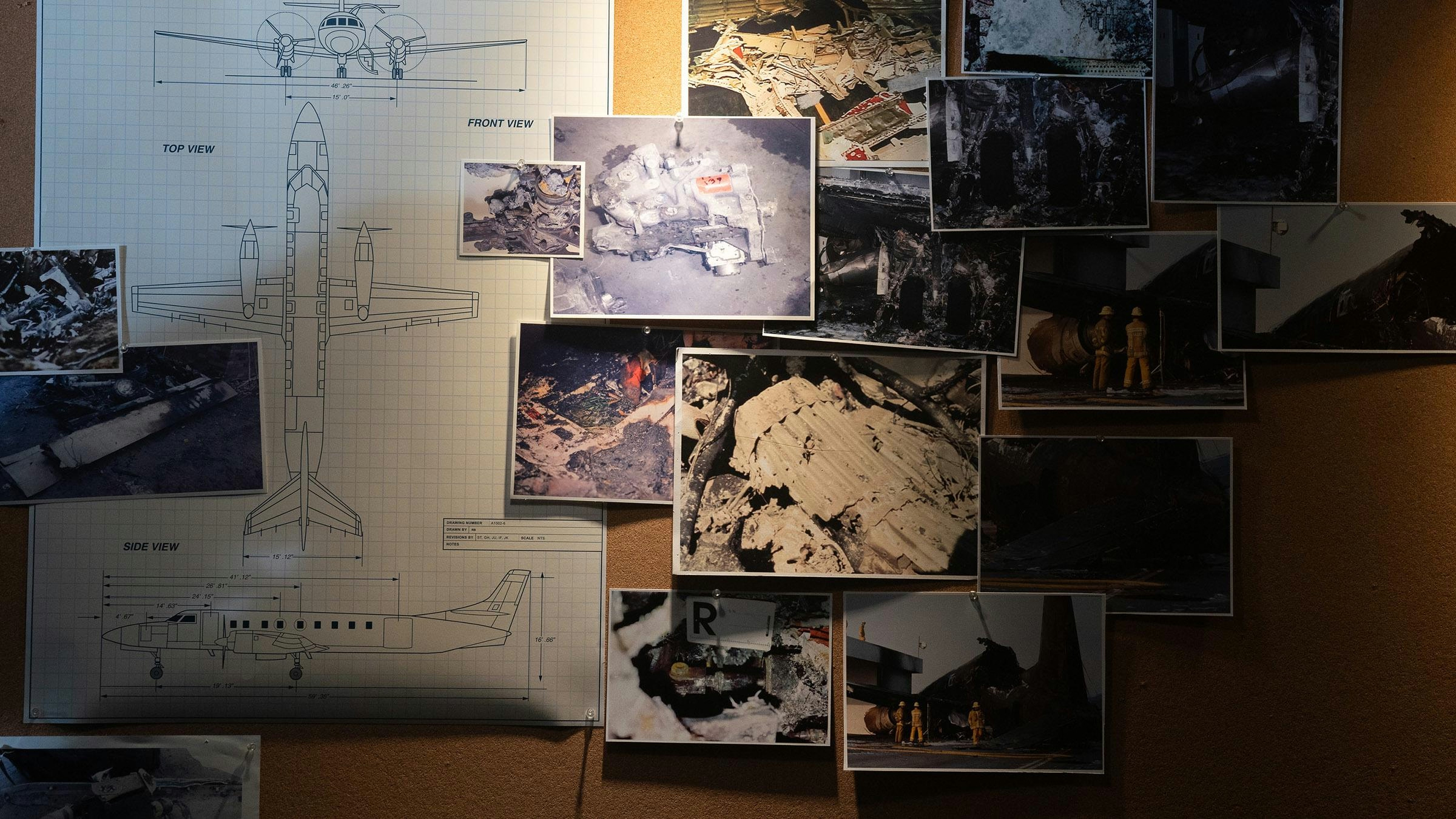
Engine Parts from Arrow Cargo DC-10 Fall on Houses in Manaus, March 26, 2009
An Arrow Cargo McDonnell Douglas DC-10 freighter, registered as N526MD and operating flight JW-431 from Manaus, Brazil to Bogota, Colombia, encountered a serious incident on March 26, 2009. Shortly after takeoff, during the climb-out phase, parts of the aircraft’s center engine (#2) detached and fell onto residential areas in Manaus. The aircraft was manned by four crew members at the time. Residents in the Terra Nova neighborhood reported hearing a loud explosion-like bang as the debris descended.
Incident and Immediate Response
Following the engine failure, the flight crew promptly shut down the affected engine but initially elected to continue toward their original destination, Bogota. Subsequently, the crew diverted to Medellin, Colombia, where the aircraft safely landed on its remaining two engines. Emergency responders in Manaus quickly mobilized to the Terra Nova neighborhood on Rua Humaita, where the falling engine debris caused damage to 12 houses and several vehicles. Among the recovered fragments were nacelle and engine components, with the largest piece weighing approximately 250 kilograms (550 pounds).
Manaus airport authorities confirmed that the control tower was immediately informed of the debris and relayed this information to the flight crew. Despite the initial lack of reported abnormalities from the crew, Arrow Cargo later acknowledged the loss of engine parts and committed to compensating those affected by the incident.
Safety Concerns and Investigation
The event raised significant safety concerns for local residents and underscored the critical importance of stringent aviation maintenance and operational standards. Brazil’s air traffic control provider, Força Aérea Brasileira (FAB), reported that controllers heard the loud noise and contacted the crew, who initially denied any issues. After confirmation of debris on the ground, the area control center (Cindacta 4) reestablished contact, at which point the crew admitted to engine trouble but chose to continue the flight.
The Brazilian Center for Research and Prevention of Accidents (CENIPA) launched an investigation, collecting evidence at the scene. Recovered parts included the diffuser, the rear section of the exhaust pipe, and several smaller internal engine components. On March 30, CENIPA announced that, in accordance with International Civil Aviation Organization (ICAO) regulations, the investigation would be delegated to the United States’ National Transportation Safety Board (NTSB).
Industry Implications
This incident highlights the ongoing challenges faced by cargo airlines in maintaining rigorous safety protocols. It also brought scrutiny to Arrow Cargo’s operational practices, with potential repercussions for the airline’s reputation and operational efficiency. Within the broader cargo aviation market, such high-profile events often prompt competitors to emphasize their own safety records, potentially influencing market dynamics and increasing pressure on all operators to uphold stringent safety standards. The response from Arrow Cargo and the outcome of the investigation will be closely monitored by industry stakeholders worldwide.
Etihad Airways Suspends Airbus A380 Flights on Key Route

Aditya Birla Group Seeks Approval for Aircraft Leasing in GIFT City

Qatar Airways Highlights Innovation and Connectivity at Arabian Travel Market 2026
Hong Kong's Five-Year Plan Includes Andrew Fan's Aircraft Parts Processing Hub Proposal

ACIA Aero Leasing Delivers ATR72-600 to Air Nostrum
RTX Appoints Jill Albertelli as Head of Pratt & Whitney

TAT Technologies Joins Beyond Aero Hydrogen Aircraft Program

AURAK Study Highlights Barriers to Air Taxi Adoption in Emerging Economies
Xiamen Air Selects Altitude for 787 Maintenance at Heathrow
Etihad and Swissport Extend Global Partnership
