
Zet AI‑inzichten om in gerichte actie

Trending
Categories
European Regulators Order Urgent Inspections After Cracks Found in Airbus A380 Wing Spars
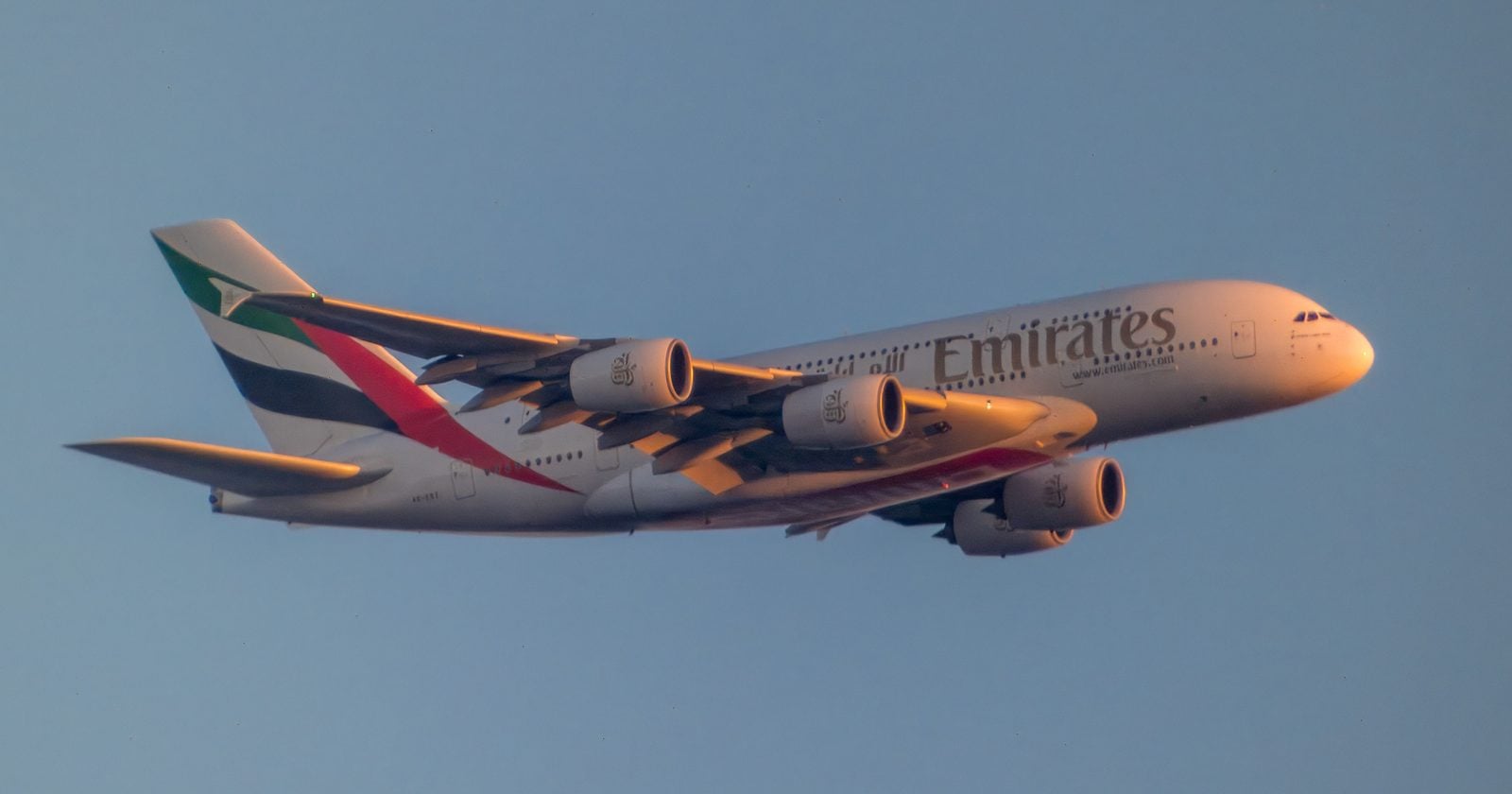
European Regulators Mandate Urgent Inspections Following Cracks in Airbus A380 Wing Spars
European aviation authorities have issued an urgent directive requiring immediate inspections of 16 Airbus A380 aircraft after the detection of cracks in their wing spars, a vital structural element. The European Union Aviation Safety Agency (EASA) released the mandate in June 2026, reflecting mounting concerns over the structural integrity of the world’s largest passenger airliner. This development carries significant operational implications and may influence broader industry practices.
Structural Concerns and Regulatory Response
The wing spar is a fundamental component of an aircraft’s wing, serving as the primary load-bearing beam that supports wing flexing during flight. Aerospace engineering expert Brian Falzon describes spars as “beam-like structures running along the length of the wing that are the main load-carrying structure of the wing.” Cracks in this critical area pose a far greater risk than those in non-structural parts, prompting swift regulatory intervention.
EASA’s emergency airworthiness directive, numbered 2026-0119-E, follows a prior inspection order issued in December 2025 (directive 2025-0280), which focused on A380s returning to service after extended storage. According to aviation news outlet AeroTime, the latest directive targets 16 aircraft—15 operated by Emirates and one by Qantas. EASA’s assessment concluded that the identified cracks could compromise wing structural integrity, although it clarified that the issue does not affect the entire A380 fleet.
The directive categorizes the affected aircraft into two risk groups. Five Emirates jets (serial numbers MSN 190, 202, 203, 209, and 228) must undergo inspections before their next flight, while the remaining 11 aircraft are allowed up to 25 additional takeoff-and-landing cycles to complete the checks. This differentiated approach indicates a calibrated response, prioritizing aircraft based on assessed urgency rather than imposing a blanket grounding.
Industry and Market Implications
The discovery of these cracks has immediate consequences for airlines, which may experience operational disruptions as they comply with the inspection requirements. Maintenance protocols are expected to come under heightened scrutiny, and flight schedules could be adjusted to accommodate the temporary withdrawal of aircraft for inspection. Competitors may leverage the situation to highlight their own safety measures and adjust fleet management strategies to maintain passenger and regulator confidence.
Financial markets have also reacted to the news, with Airbus’s stock price and those of related suppliers experiencing volatility as investors evaluate the potential impact on aviation safety standards and operational reliability. This episode underscores the delicate balance between sustaining public trust and enforcing rigorous oversight of aging aircraft fleets.
While EASA’s directive does not constitute a wholesale condemnation of the Airbus A380, it signals an intensified focus on structural safety and the necessity for ongoing vigilance as large aircraft continue to age. Airlines, regulators, and manufacturers are collaborating closely to address the issue and uphold the highest standards of airworthiness.
Air India Expands Use of Salesforce AI to Enhance Customer Service
Embraer Delivers 2,000th E-Jet as Airbus A220 Seeks Market Share
iniBuilds Releases Second In-Depth A380 Video
Ryanair and Alaska Airlines Apply AI to Operational Decision-Making

Digital Payments, AI, and Aviation Strengthen Philippines-India Relations
PlaneSense Suspends PC-12 Jet Card Sales
How AI Could Transform Bird-Strike Prevention for Business Aviation
American Airlines and Boeing Complete First 737 MAX Landing Gear Swap
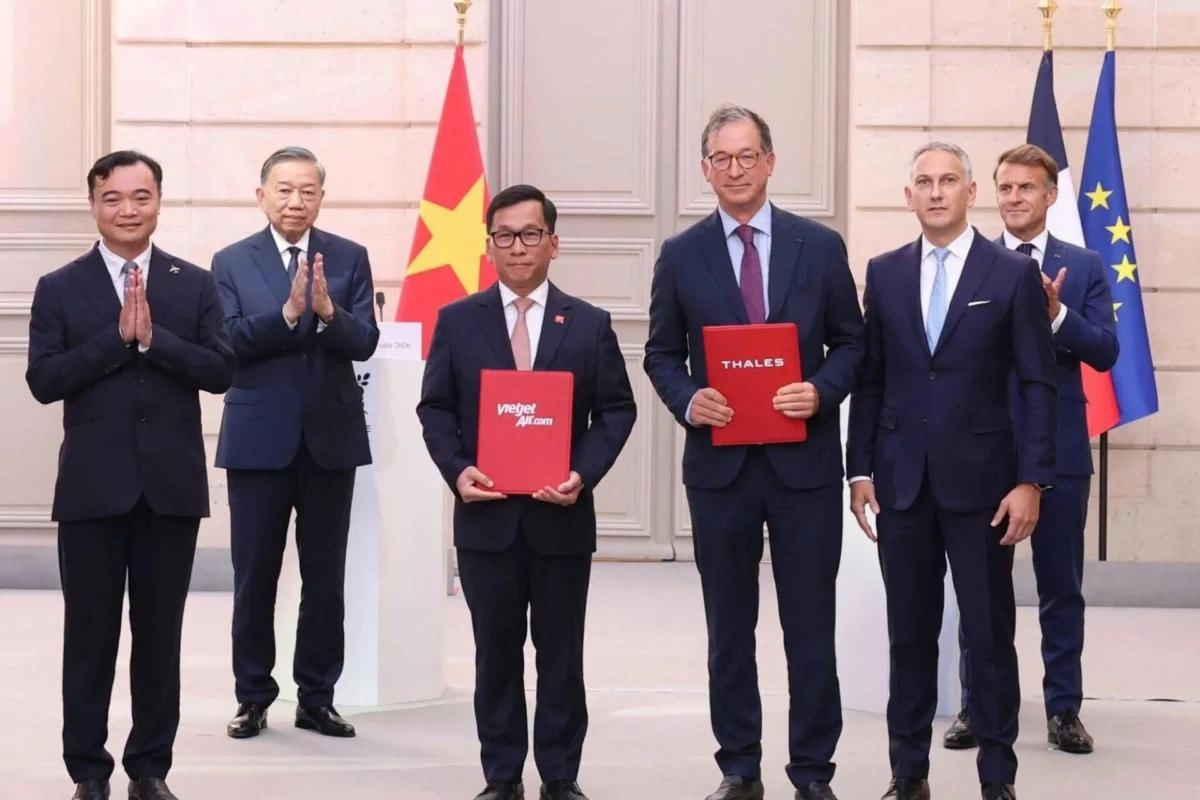
Vietjet and Thales sign major MRO and AI deals in Paris
Etihad CEO Cites Aircraft Capacity as Limiting Factor Amid Growth in China and Africa
