
Zet AI‑inzichten om in gerichte actie

Trending
Categories
F-22 Engine Update Extends Stealth Fighter’s Service Into the 2030s
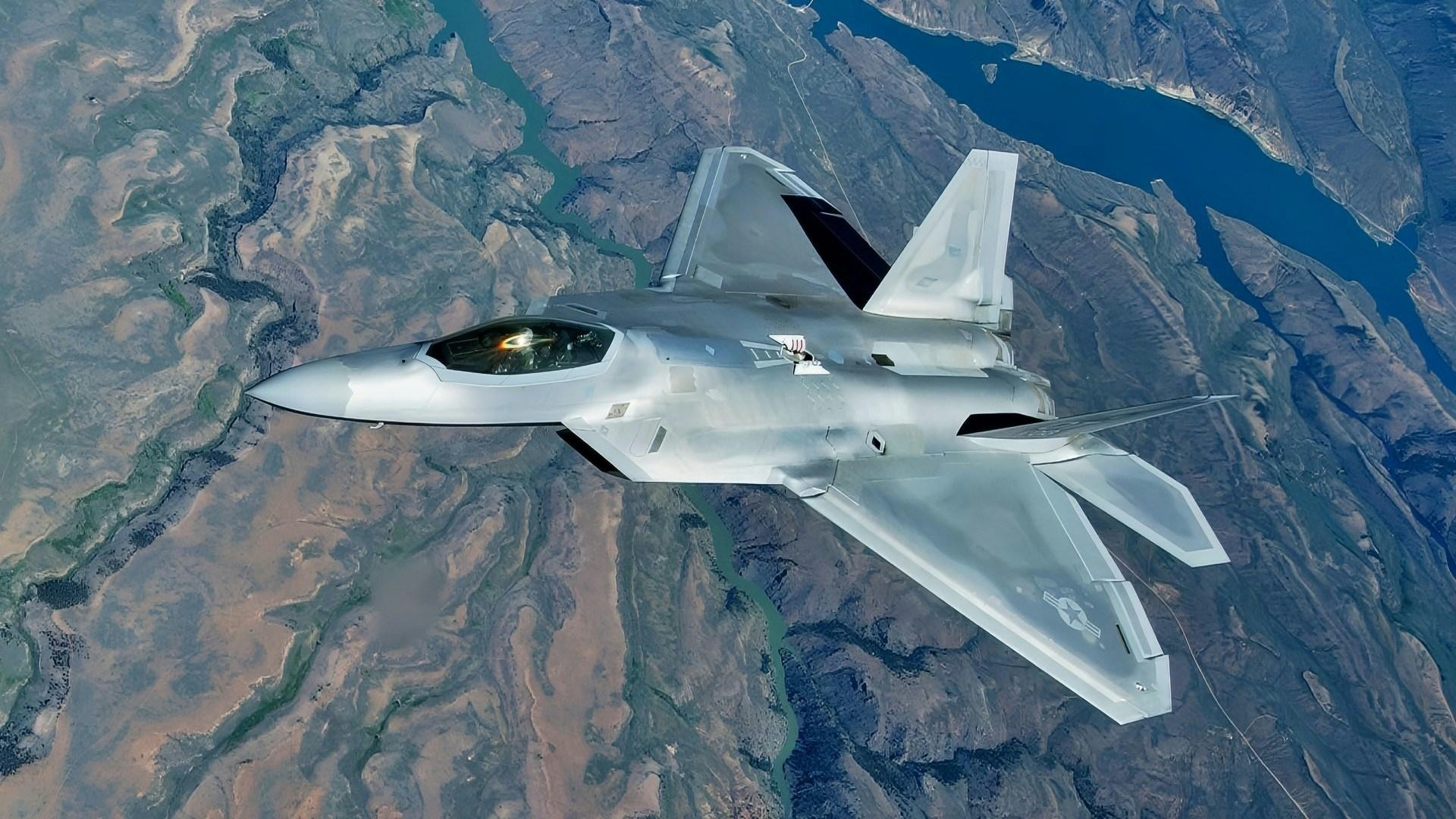
F-22 Engine Upgrade Extends Stealth Fighter’s Service Into the 2030s
Sustaining Air Superiority Amid Transition
The United States Air Force is advancing the development of its next-generation Boeing F-47 air dominance fighter, targeting initial service entry around 2030. Despite this ambitious timeline, the production and full operational maturity of the F-47 are expected to take several years. Consequently, the Air Force will continue to depend on its existing fleet of 143 combat-coded F-22 Raptors well into the 2030s to maintain air superiority.
To ensure the F-22 remains a dominant force, the Air Force is undertaking a comprehensive midlife upgrade, focusing heavily on enhancements to its Pratt & Whitney F119 engines. In February 2025, RTX, the parent company of Pratt & Whitney, secured a three-year contract valued at up to $1.5 billion to sustain and upgrade more than 400 F119 engines. These engines have collectively accumulated over 900,000 flight hours, underscoring their extensive operational use.
Engine Modernization and Technological Advancements
A central element of the upgrade is Pratt & Whitney’s Usage-Based Lifing program, which utilizes real-time data analytics to optimize maintenance schedules and extend engine lifespan. This initiative also includes updates to the engine control software aimed at improving kinematic performance. Notably, some thrust enhancements will be achieved through software modifications, reflecting the increasing digital sophistication of modern jet engines compared to their Cold War-era predecessors.
Each F119 engine produces over 35,000 pounds of thrust, enabling the F-22 to supercruise at speeds up to Mach 1.5 without afterburners and operate at altitudes exceeding 65,000 feet. These capabilities remain unmatched by earlier-generation fighters such as the F-15. The F-22’s twin F119 engines share a technological lineage with the single F135 engine that powers the F-35, highlighting the continuity within the U.S. stealth fighter fleet.
Strategic Implications and Challenges Ahead
These engine upgrades form part of an incremental modernization strategy designed to keep the F-22 operationally relevant amid potential delays in the F-47 program. In 2025, Air and Space Forces Magazine emphasized the importance of such updates, particularly if the F-47’s introduction is postponed or if the Air Force opts to extend the F-22’s service life further. This consideration gained prominence when the Air Force temporarily paused its sixth-generation fighter program pending a review by the incoming Trump administration, which ultimately endorsed the program and selected Boeing as the prime contractor in March 2026.
However, the F-22 engine upgrade faces potential obstacles. Production delays and labor challenges, similar to those encountered with the F-15EX fighter, could affect the upgrade schedule. These uncertainties may alter market dynamics, potentially increasing demand for alternative stealth platforms like the F-35. In response, Boeing may prioritize accelerating F-15EX production to maintain its competitive edge. On the international stage, the extended service life of the F-22 could influence other nations, such as Switzerland, to continue operating their aging F/A-18C/D fleets until newer platforms like the F-35 become available.
As the Air Force navigates the complexities of modernization and program delays, the upgraded F-22 engines will be instrumental in sustaining U.S. air superiority throughout the coming decade.

Etihad and Swissport Extend Global Partnership
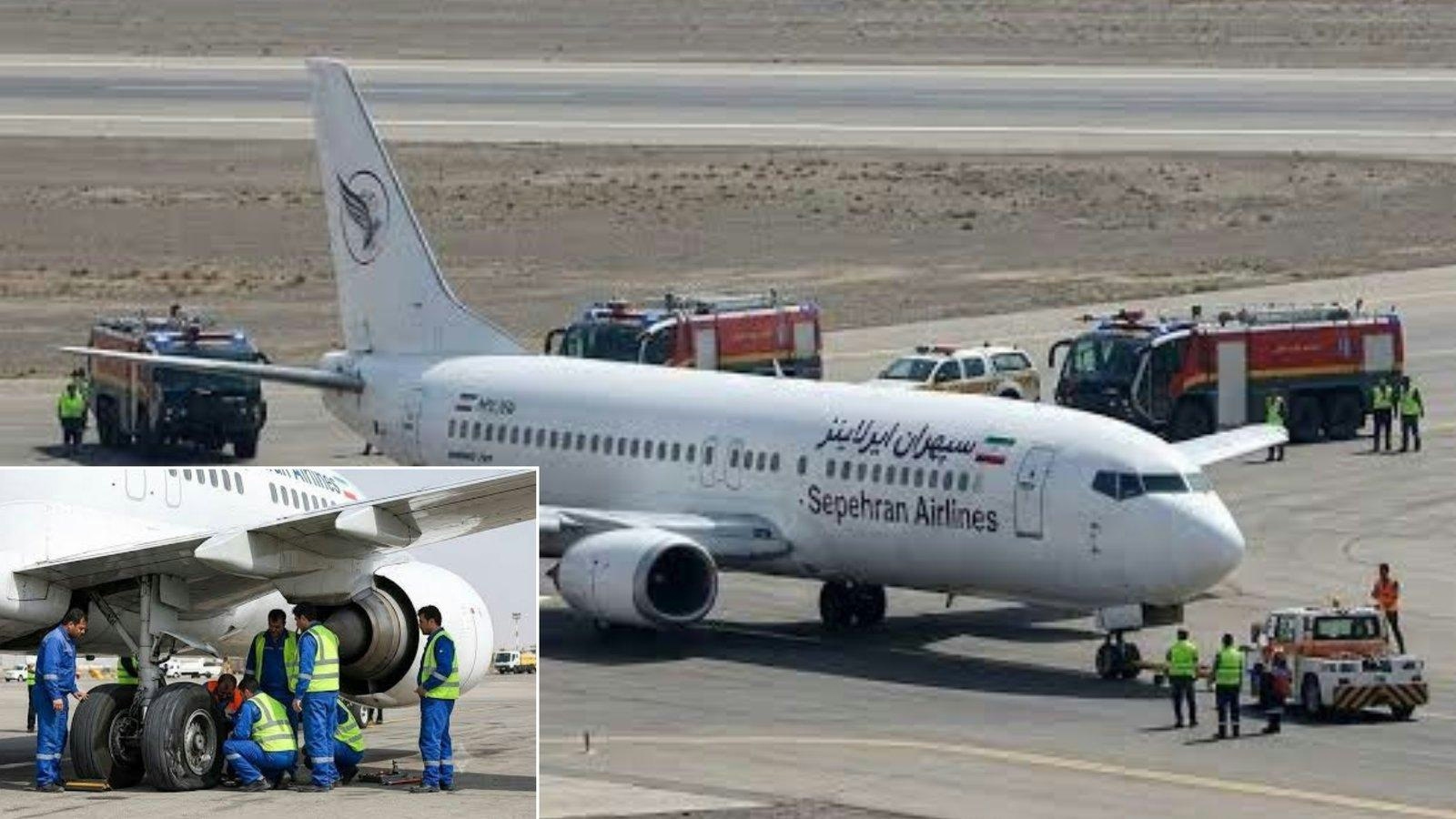
Sepehran Airlines B737 Returns to Mashhad After Tyre and Engine Issues

Etihad Deploys Widebody Fleet to Meet Strong Demand
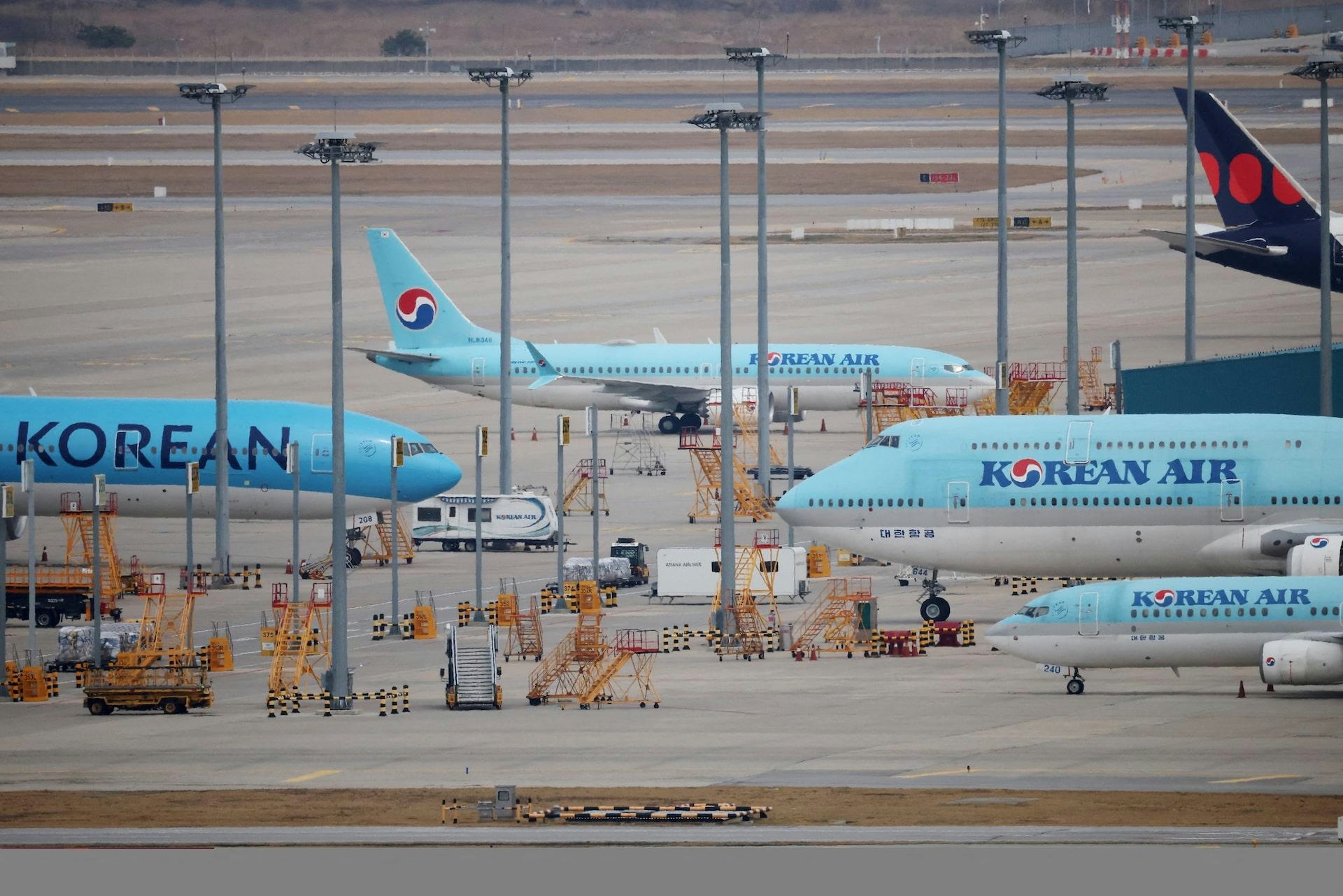
Korean Air Finalizes $36.2 Billion Deal with Boeing

Australia’s RFDS Queensland Section Orders Six King Air 260Cs

Korean Air Finalizes Order for 103 Boeing Jets and Engines
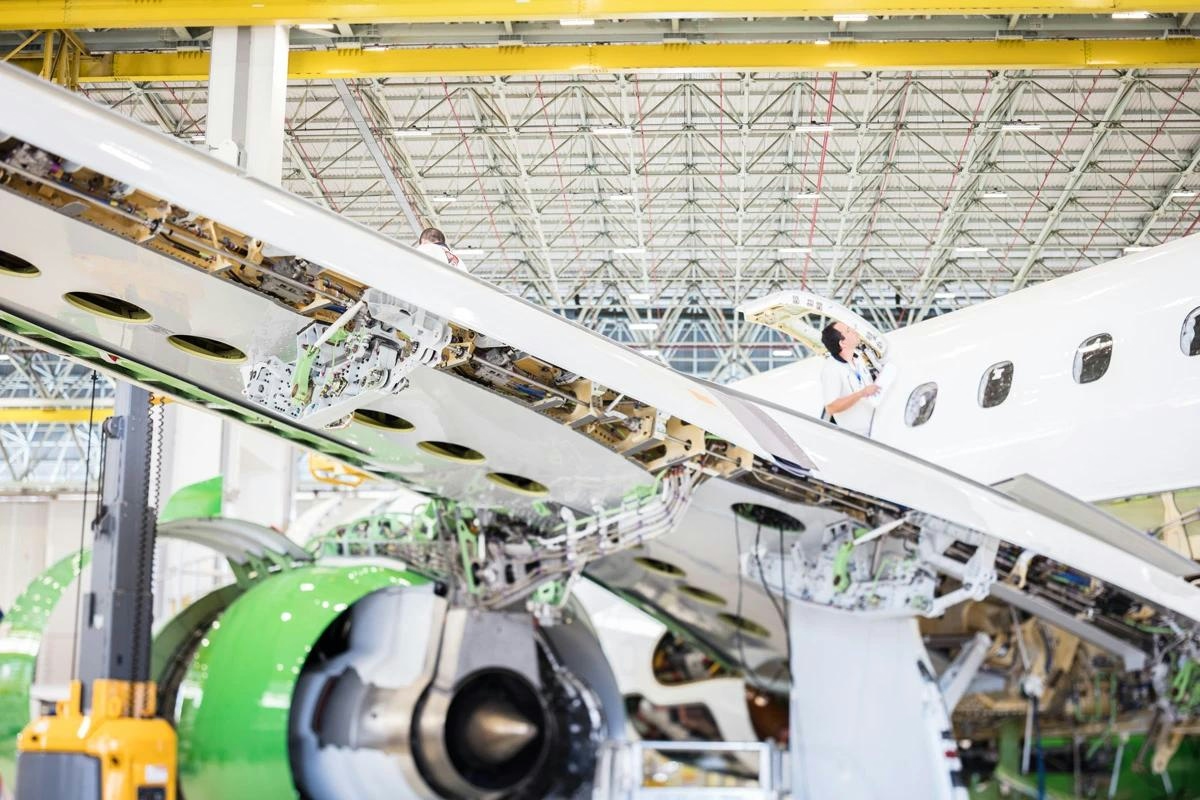
Embraer E195-E2 Features Distinctive Engine Placement Among Regional Jets

What Passengers Can Expect on Boeing’s New 777X Jet

How Ethiopian Airlines Became Africa’s Leading Carrier Amid Gulf Competition

Joby Aviation Extends Autonomous Flight Capabilities with Cross-Country Tour
