
Zet AI‑inzichten om in gerichte actie

Trending
Categories
GE Aerospace Tests Hybrid Electric Engine System for Narrowbody Aircraft
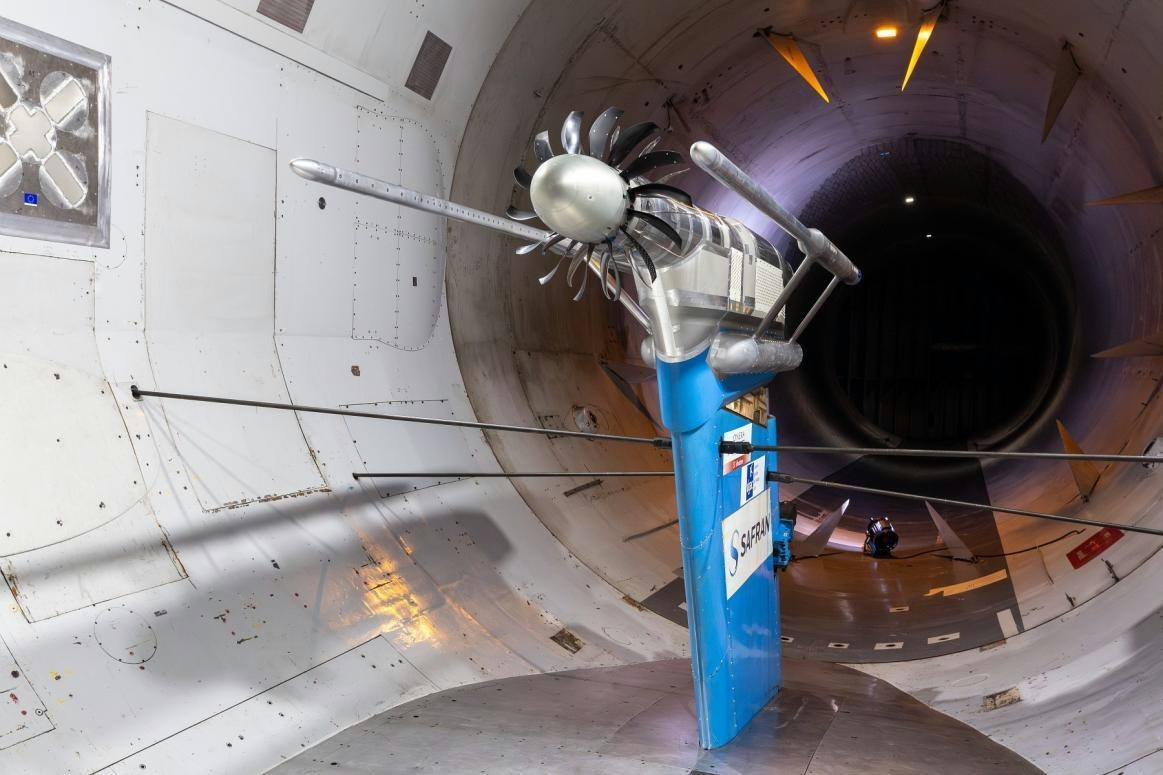
GE Aerospace Advances Hybrid Electric Engine Technology for Narrowbody Aircraft
Breakthrough in Hybrid Electric Propulsion Testing
GE Aerospace has announced a significant milestone in the development of hybrid electric aviation, successfully demonstrating power transfer, extraction, and injection within a high-bypass commercial turbofan engine. The ground test, conducted in 2025 at the company’s Peebles Test Operation facility, utilized a modified Passport engine as part of NASA’s Turbofan Engine Power Extraction Demonstration project. This achievement represents a crucial step toward integrating electric motor/generators into gas turbine engines to supplement power during various flight phases.
Unlike previous hybrid designs, GE Aerospace’s architecture for narrowbody aircraft can operate independently of energy storage systems such as batteries, providing enhanced operational flexibility for airlines and manufacturers. Arjan Hegeman, vice president of future of flight at GE Aerospace, emphasized the importance of this development, stating that the company’s hybrid electric propulsion approach is central to redefining the future of flight. He highlighted that the successful demonstration of a system not reliant on energy storage marks a critical advance toward making hybrid electric flight viable for commercial aviation, with technologies designed to improve efficiency, durability, and range.
Meeting Performance Benchmarks and Industry Challenges
The test surpassed NASA’s technical performance benchmarks, which were established with input from industry stakeholders to ensure meaningful fuel cost savings and adequate power for future aircraft. This positions GE Aerospace’s hybrid electric system as a leading contender in the pursuit of more efficient propulsion technologies. However, the path to commercial adoption remains complex. Regulatory approval poses a significant challenge, as hybrid electric systems must comply with rigorous safety and certification standards. Additionally, integrating these new engines into existing aircraft designs may involve technical difficulties. Airlines are also expected to approach the technology cautiously, carefully evaluating the cost-effectiveness and reliability of hybrid electric systems compared to conventional engines.
Competition in the hybrid and electric propulsion sector is intensifying. Established manufacturers such as Rolls-Royce and Safran are accelerating their own programs. Rolls-Royce is advancing engine testing for the U.S. Future Long Range Assault Aircraft (FLRAA) program, while Safran is increasing production of helicopter engines and exploring hybrid solutions. GE Aerospace’s success in meeting NASA’s benchmarks may provide a competitive advantage, but rival companies are anticipated to respond with further innovations.
Broader Efforts and Industry Context
The Power Extraction Demonstration is part of GE Aerospace’s broader initiative to advance electric propulsion technologies through the CFM International RISE program. Since its inception in 2021, the RISE program has completed over 350 tests and 3,000 endurance cycles, focusing on advanced engine architectures including Open Fan, compact core, and hybrid electric systems. The program aims to achieve more than 20 percent improvement in fuel efficiency compared to current commercial engines, with both ground and flight tests planned later this decade.
GE Aerospace has a history of pioneering hybrid electric milestones, including a 2016 ground test of an electric motor-driven propeller and, in 2022, the world’s first test of a megawatt-class hybrid electric propulsion system at simulated altitudes up to 45,000 feet. In 2025, the company also announced a strategic partnership and equity investment with BETA Technologies to develop a hybrid electric turbogenerator for Advanced Air Mobility applications.
As the aviation industry increasingly focuses on sustainability, GE Aerospace’s latest achievement highlights both the potential and the complexities involved in integrating hybrid electric propulsion into commercial flight.

Adobe Warns AI-Driven Trip Planning Challenges Travel Sites

The Global Parts Shortage
GE Aerospace's Robust Capital Position Fuels Higher Shareholder Returns
AI Advances Support Sustainable Aviation and Efficient Flight Paths

Airbus Faces Freighter Deadline Amid Weak Order Growth and Stagnant Shares

Integrated CNS System for Low-Altitude Aircraft

Chinese Robots Debut in Aviation and Military Roles at WRC 2026
Kenya Airways Aims to Resume Operations of Grounded Fleet by Early 2027

Avora Aviation Completes A320 Sale-Leaseback Agreement with FTAI
StandardAero Expands Bombardier Global MRO Services at Van Nuys Facility
