Afbeelding

Zet AI‑inzichten om in gerichte actie

Meld je vandaag nog aan voor de AeroGenie-wachtlijst!

Trending

Categories

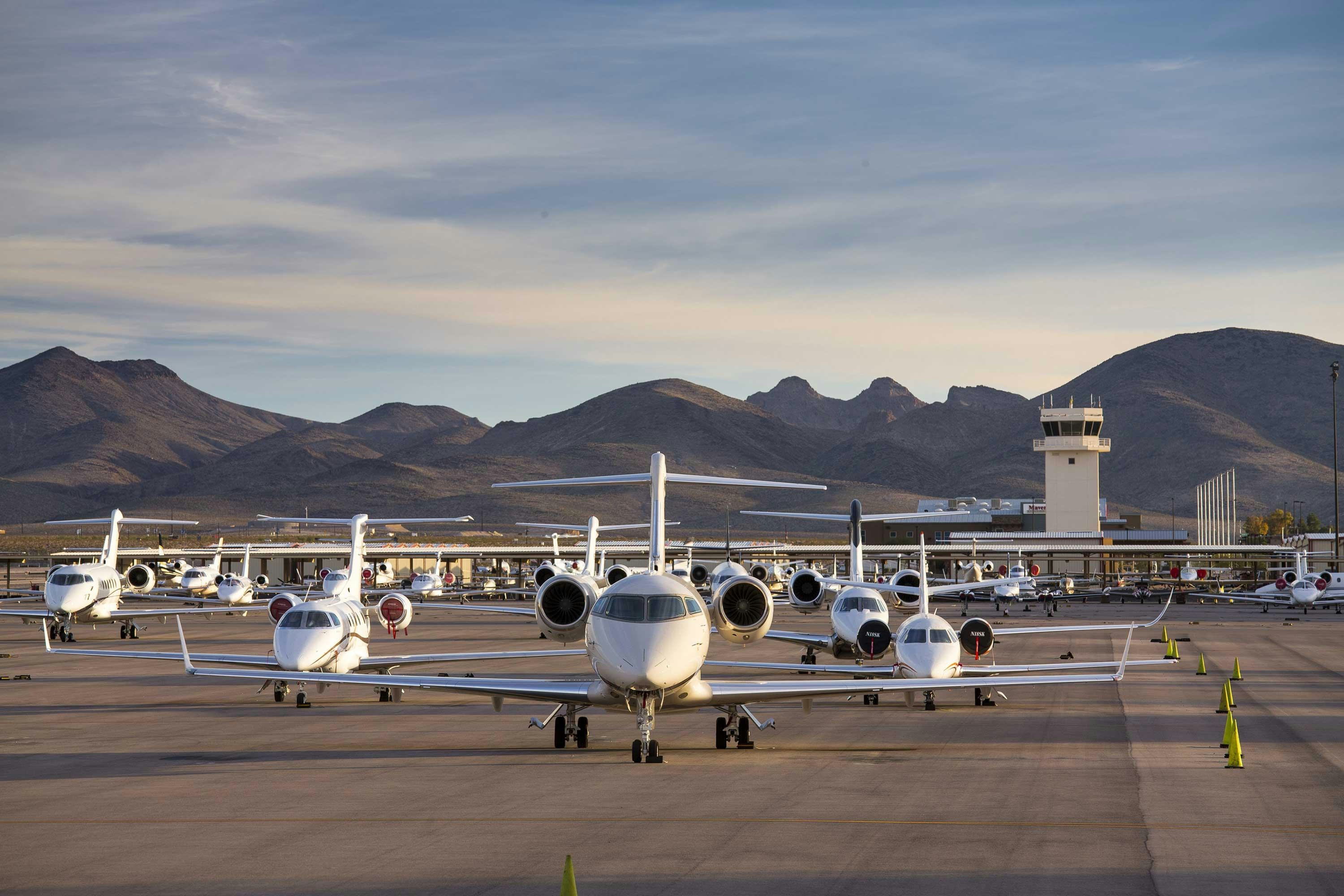
Government Considers Fractional Aircraft Ownership and Classifying Aircraft as Infrastructure, Says Civil Aviation Minister
May 8, 2026By ePlane AI
Government Considers Fractional Aircraft Ownership and Classifying Aircraft as Infrastructure, Says Civil Aviation Minister
0
0
Fractional Aircraft Ownership
Aircraft As Infrastructure
Aviation Financing Policy

Government Explores Fractional Aircraft Ownership and Infrastructure Classification for Aviation Sector

The Indian government is actively formulating policies to introduce fractional ownership in aviation and is considering the classification of aircraft as infrastructure assets, Civil Aviation Minister Ram Mohan Naidu announced on Friday. These initiatives are designed to strengthen India’s aviation financing and leasing framework, aiming to elevate the country’s position within the global aviation market.

Policy Developments and Strategic Collaboration

Addressing the India Aircraft Leasing and Financing Summit 2.0 held at GIFT City in Gandhinagar, Minister Naidu highlighted the ongoing cooperation between the Ministry of Civil Aviation and the Ministry of Finance to develop progressive aviation financing policies. He stated, “We are continuously engaging with the Ministry of Finance… We are trying to create a policy so that fractional ownership also becomes a reality in our country.” Both the introduction of fractional ownership and the potential reclassification of aircraft as infrastructure remain works in progress, reflecting the government’s commitment to fostering innovation in the sector.

Recognizing aircraft as infrastructure could significantly impact the industry by attracting new investments and facilitating easier access to financing. Market analysts suggest that this reclassification may stimulate greater interest in fractional aircraft ownership, particularly within the business aviation segment. This trend aligns with international developments, where companies such as China’s Sino Jet have expanded their charter fleets with additions like the Gulfstream G700, and European operators like HansJet have increased their PC-12 fractional ownership offerings to capture larger market shares.

Challenges and the Role of GIFT City

Experts caution that achieving these ambitions will require a holistic approach that addresses not only financing but also the enhancement of production, maintenance, and repair capabilities to meet growing demand. The government’s policy framework is expected to incorporate these considerations to ensure the sector’s long-term viability.

Minister Naidu also emphasized the strategic vision for GIFT City, clarifying that India does not intend to compete directly with established global leasing hubs but aims to complement them. “GIFT City is not merely a competitive option for India-related leasing, but it is the natural home. What we are building at GIFT City is a home for India’s aviation financing needs,” he remarked. He further noted that GIFT City offers distinct advantages over global centers such as Dublin, Singapore, and Dubai, positioning it as a specialized hub for aviation financing.

Gujarat Chief Minister Bhupendra Patel, speaking at the summit, highlighted GIFT City’s emergence as a global fintech hub. Reflecting on the previous year’s summit, Patel expressed confidence that the ongoing discussions would provide renewed momentum toward building a developed India by 2047. He conveyed optimism that the summit’s dialogues would translate into tangible outcomes and visible benefits for the aviation sector in the near future.

More news
Joby Aviation Extends Autonomous Flight Capabilities with Cross-Country Tour
Joby Aviation Extends Autonomous Flight Capabilities with Cross-Country Tour

Joby Aviation Advances Autonomous Flight with Cross-Country Tour Joby Aviation has embarked on a significant cross-country tour featuring its J208 autonomous aircraft, marking a pivotal development in the company’s pursuit of advancing autonomous flight technology and expanding its commercial applications. Spanning ten states over the course of a month, this journey not only demonstrates the increasing sophistication of Joby’s autonomy platform but also underscores its potential utility beyond passenger air mobility. The company envisions applications in commercial freight, medical transport, emergency response, and defense logistics, reflecting a broadening scope for autonomous aviation. Demonstrating Capability and Building Partnerships The J208 has already accumulated an impressive record, with over 400 flights and 800 automated flight hours, including participation in three U.S. military exercises. These real-world operations have validated the aircraft’s performance in complex logistics scenarios, fostering confidence among both commercial and government stakeholders. The ongoing tour offers Joby the opportunity to operate in diverse environments, further testing the aircraft’s capabilities while strengthening relationships with government agencies and industry partners. Joby’s engagement with the White House-backed eIPP program, alongside collaborations with transportation authorities in Texas, North Carolina, and other states, supports its efforts to collect operational data, demonstrate integration within controlled airspace, and accelerate the development of autonomous aviation networks. The J208’s supervised autonomy model, wherein a ground-based remote pilot acts as Pilot in Command, provides a pragmatic approach toward broader deployment of autonomous aircraft. Challenges and Market Dynamics Despite these advancements, the expansion of autonomous flight faces considerable challenges. Regulatory approval processes and achieving widespread acceptance of autonomous aircraft remain significant obstacles. Joby must consistently demonstrate the safety and reliability of its technology, particularly as operations extend into more complex airspace and varied environmental conditions. The company also contends with skepticism from traditional aviation stakeholders, who remain cautious about integrating emerging technologies into established systems. In response, competitors may intensify investments in similar autonomous technologies or pursue strategic partnerships to maintain their market positions amid evolving industry dynamics. Joby’s success will depend on its ability to address safety concerns, prove operational efficiency, and comply with stringent aviation regulations. Extensive testing and regulatory compliance will be critical factors influencing the company’s progress. Market Performance and Outlook Over the past year, Joby Aviation’s share price has declined by 56.2%, a steeper drop compared to the 11.3% decrease observed in the broader Aerospace-Defense sector. This reflects both the inherent volatility of the industry and investor caution surrounding emerging technologies. Looking ahead, Joby’s continued advancement of autonomous flight capabilities, coupled with its navigation of regulatory and market challenges, will be essential to achieving large-scale commercial adoption. The ongoing cross-country tour highlights the company’s commitment to innovation and positions it as a potential leader in the rapidly evolving autonomous air logistics sector.
Strengthening Europe's Aviation Supply Chain Amid Uncertainty
Strengthening Europe's Aviation Supply Chain Amid Uncertainty

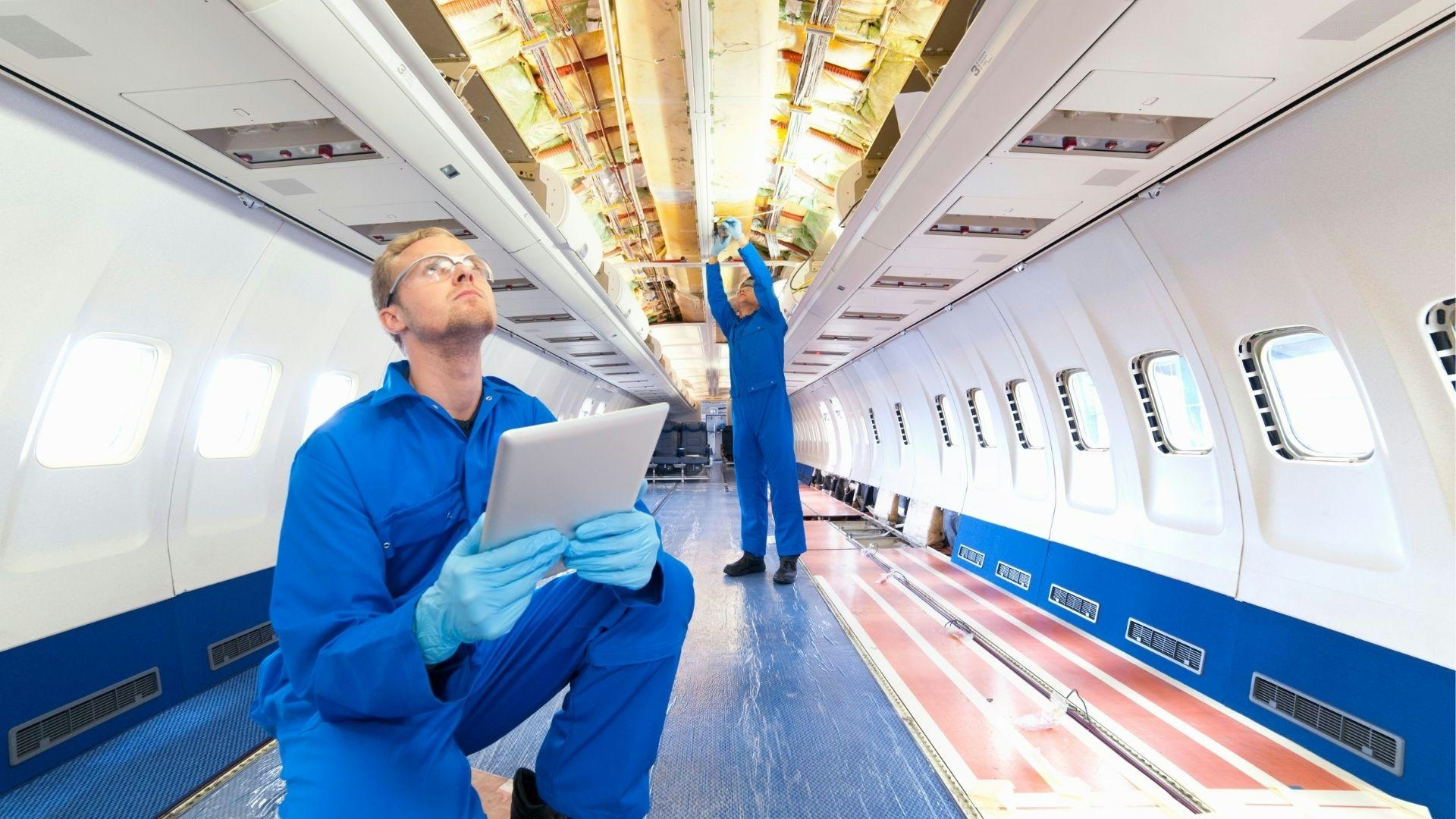
Strengthening Europe’s Aviation Supply Chain Amid Uncertainty Europe’s aviation industry is currently confronting unprecedented challenges as it grapples with a landscape defined by persistent disruption and uncertainty. The combined effects of the COVID-19 pandemic, ongoing regional conflicts, and shifting geopolitical dynamics have revealed significant vulnerabilities within the sector. These challenges are deeply interconnected, posing a serious threat to the resilience and stability of Europe’s aviation supply chain. The Scale and Complexity of the Challenge The magnitude of the problem is considerable. According to analyses by Oliver Wyman and the International Air Transport Association (IATA), supply chain disruptions cost airlines more than $11 billion in the past year alone. Aircraft backlogs have surged to approximately 17,500 units, and at current production rates, it may take up to a decade to clear this backlog. Delivery timelines have nearly doubled, compelling airlines to continue operating older, less fuel-efficient aircraft. This reliance has resulted in excess fuel costs exceeding $4.2 billion annually, further straining airline finances. Central to these difficulties is the intricate complexity of the aviation supply network. A typical aircraft manufacturer depends on over 200 direct suppliers and more than 12,000 indirect ones. This extensive and multifaceted network has become increasingly fragile, with several key factors exacerbating its vulnerability. Drivers of Supply Chain Vulnerability Geopolitical shocks have played a significant role in destabilizing the supply chain. The Russia-Ukraine conflict, for instance, has highlighted the risks associated with dependence on single sources for critical materials such as titanium. Disruptions to borders and trade routes can abruptly halt the flow of essential supplies. The repercussions of this conflict have extended beyond aviation, affecting other European industries, including Northern Europe’s furniture manufacturing sector, thereby underscoring the widespread exposure to geopolitical instability. Industry consolidation has further reduced the number of alternative suppliers available. This concentration means that when one supplier encounters difficulties, the resulting disruptions cascade through the supply chain, amplifying risks due to the lack of redundancy. Workforce shortages also compound these issues. Training maintenance technicians requires five to six years, making it challenging to address gaps swiftly. Recent surveys indicate that two-thirds of Maintenance, Repair, and Overhaul (MRO) providers identify the need for improved inventory availability and shorter lead times, reflecting broader inefficiencies within the network. Additionally, manufacturing remains concentrated in regions susceptible to natural disasters. Events such as floods or earthquakes can disrupt production far beyond the immediate area, further destabilizing supply chains. Investment and Innovation Amidst Challenges The current investment climate presents additional obstacles, delaying critical technological advancements. For example, the inaugural flight of Electron’s prototype has been postponed until 2028, signaling broader setbacks in innovation and modernization efforts across the sector. In response to these pressures, industry competitors are intensifying efforts to digitalize and automate operations, aiming to create more agile and transparent supply chains. Investments in sustainable technologies, particularly Sustainable Aviation Fuel (SAF), are gaining traction as airlines seek to reduce operational costs and align with growing consumer demand for environmentally responsible travel. As Europe’s aviation sector adapts to these multifaceted challenges, building resilience will necessitate a coordinated strategy. This includes diversifying supplier bases, investing in workforce development, embracing digital transformation, and prioritizing sustainability initiatives. Addressing these interconnected risks is essential for securing the industry’s future amid an increasingly uncertain global environment.
He 111Z Zwilling: Twin Fuselages, Five Engines, One Pilot
He 111Z Zwilling: Twin Fuselages, Five Engines, One Pilot

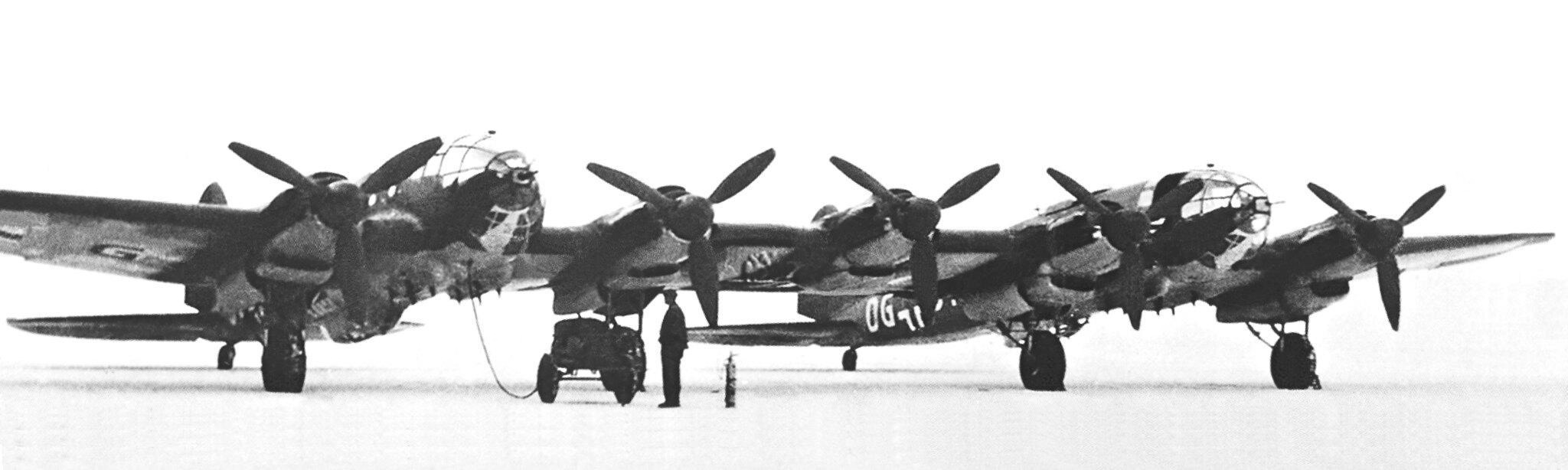
He 111Z Zwilling: Twin Fuselages, Five Engines, One Pilot Overcoming the Challenges of Heavy Glider Towing During World War II, the Messerschmitt Me 321 Gigant represented a remarkable logistical achievement. Designed to transport heavy military equipment such as an 88 mm gun with its tractor, a medium tank, or up to two hundred fully equipped soldiers, its cargo hold was deliberately sized to match German railway flatcars. This design allowed for seamless transition between rail and air transport. However, as a massive glider, the Me 321 faced a critical obstacle: how to achieve takeoff with such an enormous and heavy structure. The Luftwaffe initially addressed this problem with the Troikaschlepp method, which involved three Bf 110 heavy fighters flying in a V-formation to tow the glider, assisted by rocket-powered takeoff units. This approach was inherently perilous, as any minor error or mechanical failure could result in catastrophe. A frequently cited but unverified incident from 1941 at Leipheim allegedly involved a collision between tow planes, resulting in the deaths of all 129 personnel aboard four aircraft. Despite its prevalence in popular accounts, this story remains unconfirmed and is based on uncertain sources. The Heinkel He 111Z Zwilling: An Engineering Solution In response to the risks posed by the Troikaschlepp, German engineers developed a more reliable and powerful towing aircraft: the Heinkel He 111Z Zwilling. This innovative design fused two He 111 bombers with a newly engineered center wing section, creating a twin-fuselage aircraft powered by five Junkers Jumo 211F engines, each delivering approximately 1,300 horsepower. The He 111Z was capable of towing large gliders such as the Go 242 or Me 321 for up to ten hours at cruising speed, significantly enhancing operational range and safety. The aircraft featured a crew of seven distributed between the two fuselages, with flight controls located exclusively in the port fuselage. It carried an internal fuel capacity of 8,570 liters, supplemented by four 600-liter drop tanks. To assist with takeoff, the He 111Z was equipped with jettisonable rocket pods mounted on each fuselage and wing, providing an additional thrust of around 500 kilograms. Testing took place at Rechlin in 1941, but the exact number produced remains uncertain, with sources citing anywhere from four to ten units. Operational history includes one aircraft being shot down over France in March 1944 and eight others destroyed later that year. Legacy and Impact on Aviation While the He 111Z Zwilling’s distinctive twin-fuselage, five-engine configuration captured the imagination of aviation enthusiasts, it also introduced significant engineering and operational challenges. The complexity of its design resulted in high development and maintenance costs, raising concerns about reliability and practicality in active service. Commercial operators, cautious of these factors, were reluctant to adopt such an unconventional aircraft. Consequently, competing manufacturers concentrated on developing more conventional yet powerful aircraft designs that were easier to certify and maintain. Despite the He 111Z’s limited operational lifespan, the broader aerospace industry continues to thrive, particularly in the production of advanced components such as aircraft fan frames. Industry forecasts predict a compound annual growth rate of 5.7% through 2036, underscoring sustained demand for sophisticated engineering solutions reminiscent of those embodied by the He 111Z Zwilling. Ultimately, the He 111Z Zwilling remains a symbol of wartime innovation and the extraordinary lengths to which engineers went to address unprecedented logistical challenges. Its story endures as both a cautionary example and a testament to the spirit of aviation ingenuity.
Monacair Plans Electric Air Taxi Service Between Monaco and Nice by 2029
Monacair Plans Electric Air Taxi Service Between Monaco and Nice by 2029

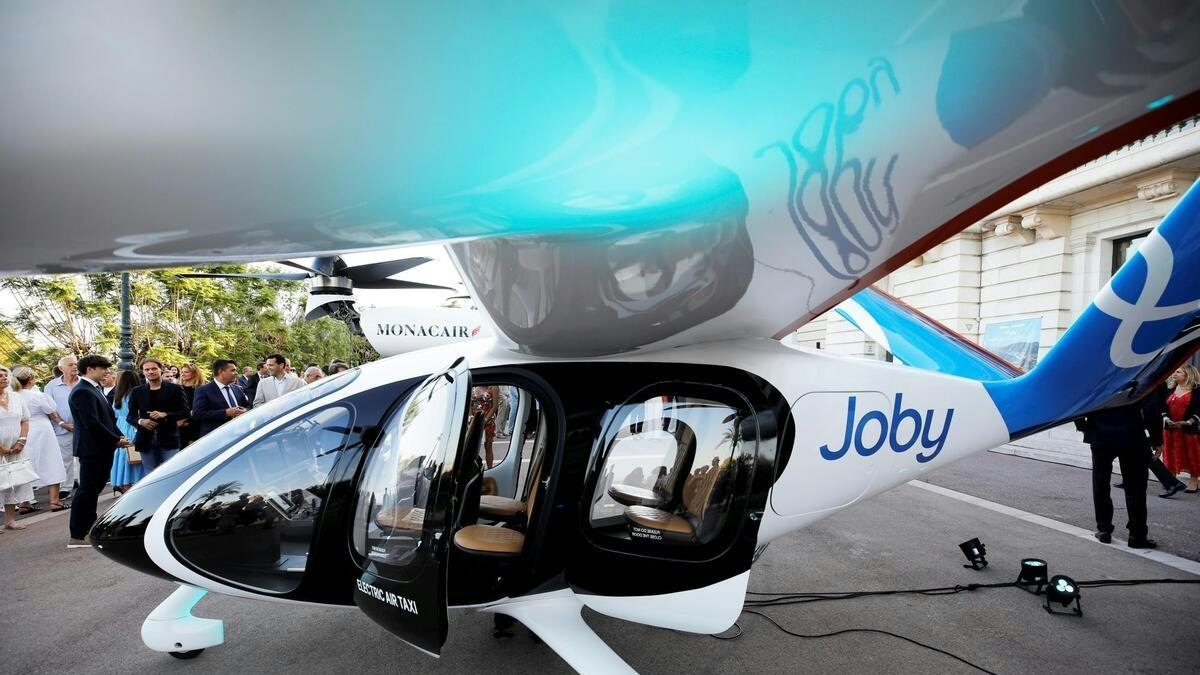
Monacair Plans Electric Air Taxi Service Between Monaco and Nice by 2029 A Vision for Sustainable and Quiet Air Travel Monacair has announced ambitious plans to introduce electric air taxis on the route between Monaco and Nice by 2029, aiming to transform regional travel with a cleaner and quieter alternative to conventional helicopters. The company revealed its vision in June 2026, unveiling a prototype electric vertical takeoff and landing (eVTOL) aircraft on the terraces of the Casino de Monte-Carlo. Powered by six propellers, the eVTOL is designed for short passenger journeys, promising zero emissions and significantly reduced noise levels. Philippe Willemin, co-CEO of Monacair, emphasized the environmental and noise challenges currently confronting aviation. He highlighted that greenhouse gas emissions and noise pollution are increasingly viewed as unsustainable by both companies and their employees, many of whom are opting out of helicopter travel. While Monacair has already taken steps to reduce its carbon footprint by incorporating sustainable aviation fuel in partnership with Héli Sécurité and Blade, Willemin regards electric aircraft as the next critical advancement. He noted that although sustainable fuels help lower emissions, their impact remains limited compared to the potential of electric propulsion, which could reduce noise by a factor of ten and eliminate emissions entirely. Deployment Plans and Industry Partnerships Monacair intends to launch the eVTOL service initially on its established route between Monaco Heliport and Nice Côte d’Azur Airport. This seven-minute journey over the sea, currently priced at €195, is considered an ideal starting point for the new technology. The company transports approximately 50,000 passengers annually on this route, underscoring the potential demand for a more sustainable option. To realize this project, Monacair has partnered with Joby Aviation, a prominent US-based developer of electric air taxis. However, the acquisition of aircraft remains contingent on regulatory certification. Willemin indicated that the company envisions starting with a fleet of six eVTOLs but stressed that no final decisions have been made. Challenges and Competitive Landscape Despite the promising outlook, Monacair faces significant obstacles before electric air taxis can become operational. Regulatory approval is a major challenge, alongside the need to establish adequate charging infrastructure at both Monaco and Nice. Additionally, the company must contend with competition from established players such as Archer Aviation and Joby Aviation, who are actively advancing their own electric air taxi technologies and may seek to expand services in the region. Market responses to the concept of electric air taxis have been mixed, with some industry observers expressing doubts about the feasibility and profitability of such ventures. This skepticism is likely to spur competitors to accelerate their innovation efforts to maintain market relevance. Future Prospects and Customer Acceptance Looking ahead, Monacair envisions broader applications for electric air taxis beyond regular commutes, including transporting visitors during major events like the Monaco Formula 1 Grand Prix. While autonomous operation of these aircraft is technically achievable, Willemin expressed reservations about customer acceptance, stating that despite its feasibility, passengers may be reluctant to embrace pilotless flights. As Monacair advances its electric air taxi initiative, the company’s efforts could represent a pivotal move toward more sustainable, quieter air travel along the French Riviera, aligning with growing environmental concerns and evolving passenger preferences.
Somalia’s Starsky Aviation Plans International Expansion
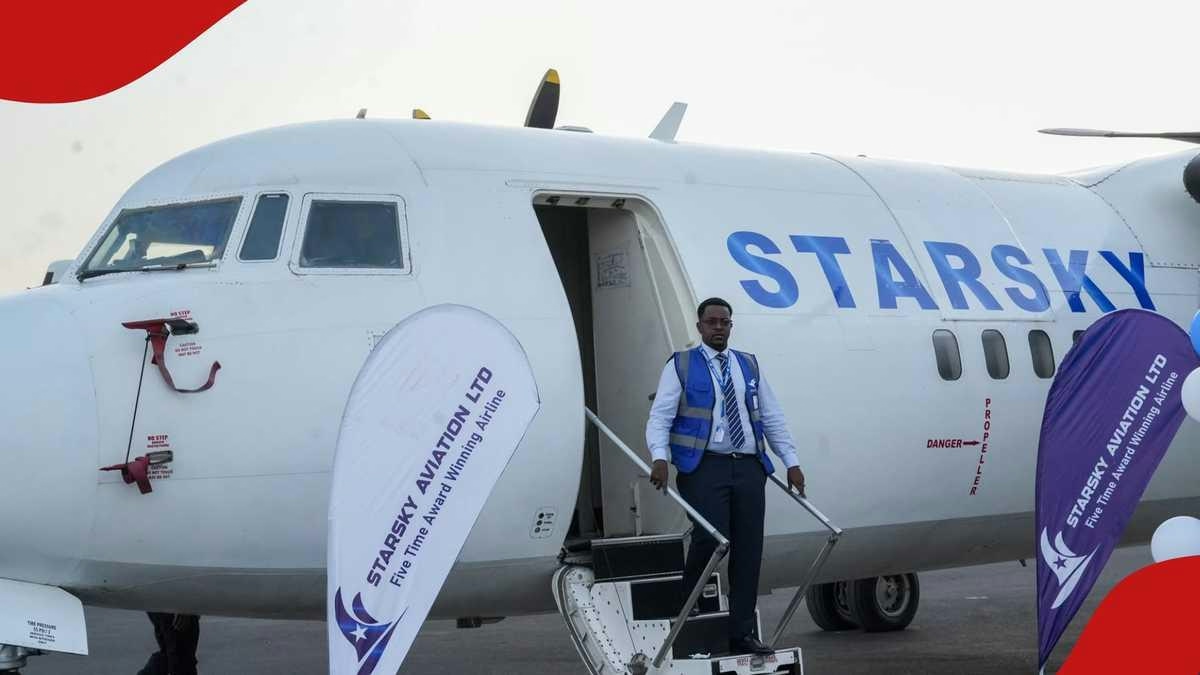
Somalia’s Starsky Aviation Plans International Expansion

Somalia’s Starsky Aviation Plans International Expansion Somali airline Starsky Aviation has announced its intention to extend operations beyond its domestic network, targeting international routes with Kenya anticipated to be its initial destination. The announcement was made during the Aviation Week Africa 2026 event held in Nairobi, where the airline expressed its goal to enhance Somalia’s air connectivity with regional and global markets as part of its strategic growth phase. Expansion Strategy and Fleet Overview While Starsky Aviation has not provided detailed information regarding specific new routes or plans for fleet enlargement, the airline highlighted its commitment to forging international partnerships and expanding operational capabilities. The company aims to seize emerging opportunities and position itself as a more competitive regional and international carrier, while promoting Somali aviation on the global stage. Currently, Starsky Aviation operates a limited fleet that includes a 35-year-old 50-seat Fokker 50 (registration 7Q-SMO) and an EMB-120RT(F) (7Q-YES) wet-leased from Malawi’s Flytech. Recent tracking data for these aircraft is not publicly available. The airline’s previous fleet included another Fokker 50 (60-YAS), which was involved in a runway overrun incident in Mogadishu in February 2036; fortunately, all 55 passengers and crew survived. Industry Challenges and Competitive Landscape Starsky Aviation’s international ambitions emerge amid considerable challenges facing regional carriers. Elevated fuel prices and ongoing conflicts in the Middle East have caused prolonged route disruptions, placing additional operational and financial pressures on airlines in the region. These factors are expected to increase scrutiny of Starsky Aviation’s efficiency and financial resilience as it seeks to expand its footprint. Industry analysts suggest that competitors may respond to Starsky’s expansion with strategic initiatives such as fleet augmentation or the introduction of new routes, strategies recently adopted by carriers including BermudAir and SalamAir. This evolving competitive environment will test Starsky Aviation’s ability to establish itself as a significant player in both regional and international markets. Efforts to obtain further details on Starsky Aviation’s fleet and expansion plans from the airline and its partner Flytech remain ongoing.
Precision and Care Essential in Aerospace Coating Applications
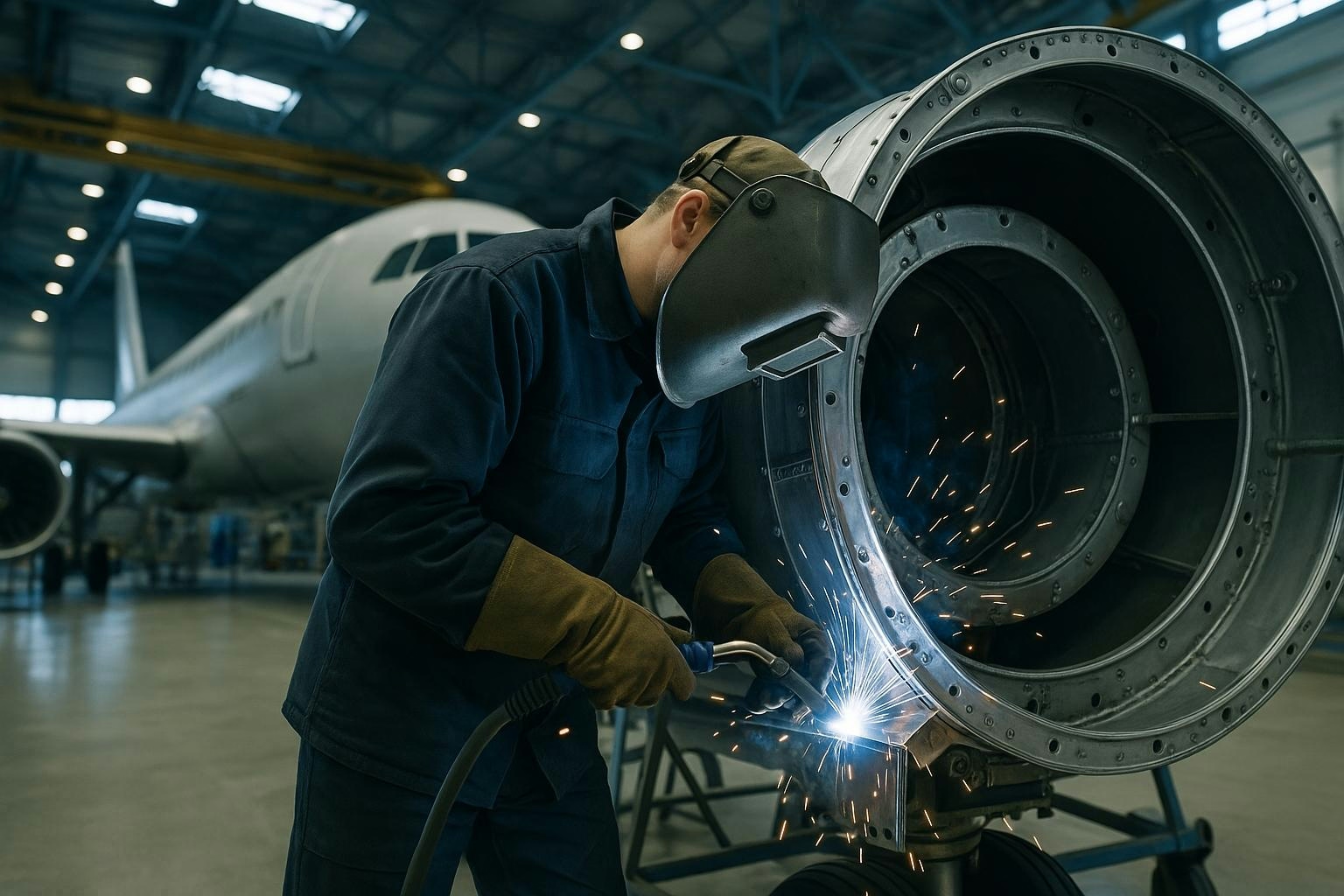
Precision and Care Essential in Aerospace Coating Applications

Precision and Care Essential in Aerospace Coating Applications Meeting the exacting demands of aerospace coating applications necessitates a careful integration of precision, innovation, and reliability. Aurore Bournazel emphasizes that the challenge lies not in accepting compromises but in ensuring that multiple stringent requirements—such as weight reduction, accelerated application, consistent appearance, and long-term durability—are simultaneously fulfilled without sacrificing the rigorous standards of the aerospace industry. Technical Challenges and Innovations Every stage of the coating process, from the precise measurement of film thickness to each application step, requires meticulous control. Aerospace coatings must endure extreme conditions, including ultraviolet exposure, weathering, hydraulic fluids, cleaning agents, erosion, and repeated maintenance cycles. The technical objective is to validate that advanced coating systems can consistently deliver on weight efficiency, application speed, and performance under real-world operational stresses. Recent technological advancements illustrate this approach. Akzo Nobel’s Aerobase UPD technology, for example, offers enhanced film build control and sag resistance, combined with a cross-coat application technique that achieves the necessary hiding power and finish quality with a single basecoat layer. Trials conducted on Airbus A320 aircraft demonstrated a coating weight reduction of 24 kilograms per aircraft, underscoring how optimized formulation and application processes can translate into significant operational benefits. This focus on weight savings extends to special effect finishes, including mica and metallic colors, which are increasingly sought after for distinctive airline liveries. By refining color formulations for Aerobase special effects, Akzo Nobel has developed a direct-to-primer application capability for selected colors, eliminating the need for an additional base color layer. Testing on wide-body aircraft such as the Airbus A380 suggests that this direct-to-primer method could reduce coating weight by approximately 300 kilograms compared to conventional systems. Market Dynamics and Sustainability Challenges These technical developments occur amid intensifying market pressures. The aerospace and defense sectors are witnessing growing demand for lightweight, high-precision metal components, fueling expansion in the investment casting market, which is projected to grow at a compound annual growth rate (CAGR) of 5.60% from 2026 to 2035, reaching an estimated USD 32.27 billion by 2035. In response, industry competitors are investing in next-generation technologies, including self-healing coatings, which are expected to grow at a CAGR of 18.4% and reach USD 5.74 billion by 2035, as the sector seeks more durable and low-maintenance surface solutions. Sustainability remains a pivotal concern. While the development of new coating technologies aimed at reducing environmental impact is critical, the aerospace industry’s stringent regulatory environment means that qualification and adoption of such innovations can span several years. Any new coating system must satisfy rigorous standards for safety, compliance, corrosion and chemical resistance, weatherability, adhesion, and service life. These criteria are essential, given the coatings’ vital role in protecting aircraft structures and ensuring long-term operational reliability. Within these constraints, incremental improvements to existing, approved coatings are crucial. Technical teams are collaborating closely with airlines to reconsider livery design and application methods, leveraging established technologies to achieve lighter, more efficient finishes. The overarching objective is to reduce aircraft weight, fuel consumption, and associated emissions, thereby delivering both operational efficiencies and environmental benefits while upholding the highest standards of performance and safety.
Drukair Chooses LEAP Engines for Five Airbus Aircraft
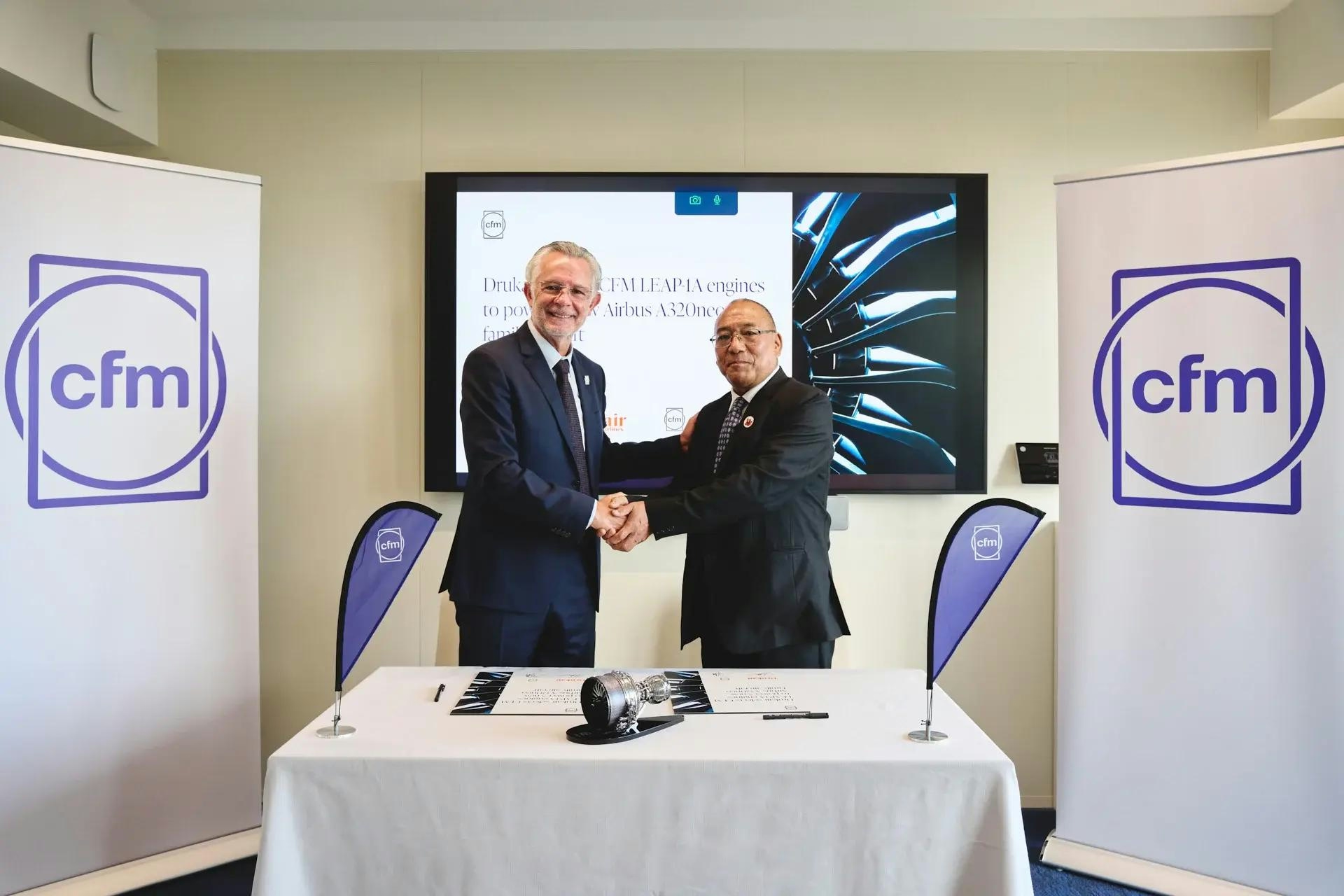
Drukair Chooses LEAP Engines for Five Airbus Aircraft

Drukair Selects LEAP Engines for Five New Airbus Aircraft Amid Industry Supply Chain Challenges Drukair, Bhutan’s national flag carrier, has confirmed its order for five new Airbus A320neo-family aircraft powered by CFM International’s LEAP-1A engines. The acquisition includes three A320neos and two A321XLRs, marking a significant expansion of the airline’s fleet and reinforcing its longstanding partnership with CFM. Strengthening a Longstanding Partnership Since 2004, Drukair has relied on CFM engines, initially introducing the Airbus A319ceo equipped with CFM56 powerplants. The airline currently operates one LEAP-powered A320neo alongside three CFM56-powered A319ceos, demonstrating sustained confidence in CFM’s engine technology. Tandi Wangchuk, CEO of Drukair, emphasized the strategic importance of this latest order, stating that the LEAP-1A’s efficiency and reliability will support the airline’s growth ambitions across Asia, enhance connectivity, and deliver greater value to passengers. Navigating Industry Challenges The decision to expand the LEAP-powered fleet comes amid ongoing supply chain disruptions affecting the aviation sector. Honeywell Aerospace’s CEO recently highlighted persistent delays in aircraft component deliveries, which pose challenges for engine installation timelines across the industry. Despite these obstacles, Drukair’s commitment to the LEAP-1A underscores the engine’s strong operational performance, particularly in terms of monthly flight cycles—a critical factor as airlines contend with rising fuel costs. Market sentiment surrounding Drukair’s order is also influenced by broader industry concerns, including recent directives to remove Trent engines from older Airbus A330s and Boeing 777s due to oil pump safety issues. In this context, many carriers continue to favor CFM engines for new aircraft, as evidenced by Drukair’s investment in LEAP-1A engines for its A321XLRs. As Drukair embarks on its next phase of expansion, its selection of LEAP-1A engines reflects both confidence in CFM’s proven reliability and a strategic approach to addressing evolving challenges within the global aviation industry.
GE Aerospace Advances XA102 Adaptive Cycle Engine Toward Assembly for U.S. Air Force Combat Aircraft
GE Aerospace Advances XA102 Adaptive Cycle Engine Toward Assembly for U.S. Air Force Combat Aircraft

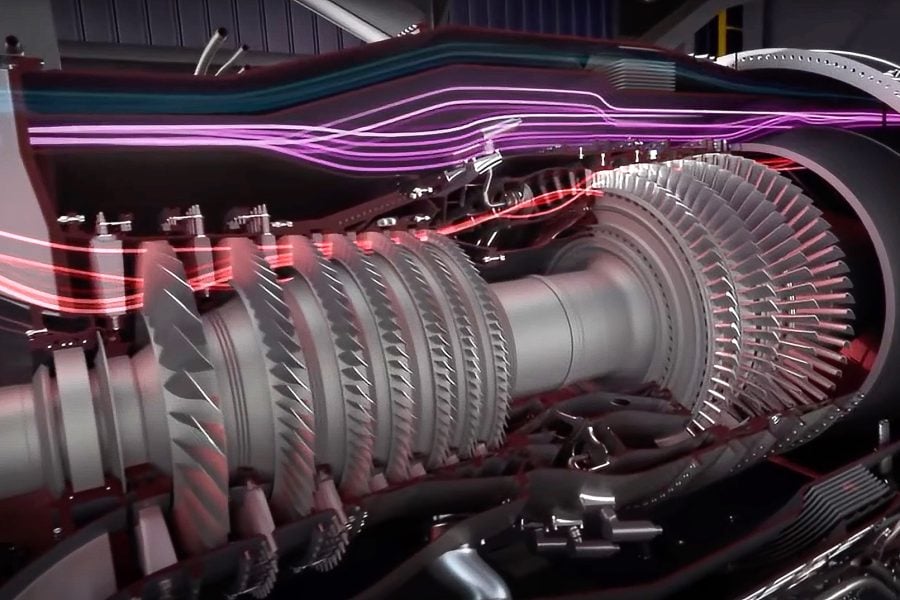
GE Aerospace Advances XA102 Adaptive Cycle Engine Toward Assembly for U.S. Air Force Combat Aircraft GE Aerospace is progressing toward the assembly of its first XA102 adaptive cycle engine test asset, a critical milestone within the U.S. Air Force’s Next Generation Adaptive Propulsion (NGAP) program. This initiative aims to develop advanced propulsion systems for future combat aircraft, with the XA102 representing a significant evolution in adaptive engine technology. Currently, the company is procuring hardware from suppliers and conducting rigorous subcomponent testing, transitioning the XA102 from its digital development phase into a tangible test configuration. Advancing Adaptive Cycle Engine Technology Jorge Perez, general manager of Edison Works Advanced Combat Engines at GE Aerospace, emphasized the company’s strategic approach: “Our team is working with suppliers to procure hardware and test subcomponents as we prepare for assembly of the first XA102 test asset.” Building on insights gained from the earlier XA100 program, GE Aerospace is well positioned to advance adaptive cycle engine technology in alignment with the Air Force’s vision for next-generation propulsion systems. Adaptive cycle engines like the XA102 are engineered to address the demanding requirements of propulsion efficiency, fuel economy, and thermal management inherent to advanced combat aircraft. Leveraging experience from the XA100, GE Aerospace is focused on integrating cutting-edge technologies while striving to avoid development delays and ensuring compliance with stringent military performance standards. Digital Innovation and Manufacturing Integration A notable innovation within the XA102 program is the extensive use of model-based engineering, which has significantly reduced development time and costs. GE Aerospace is now extending this digital methodology into manufacturing, inspection, and assembly processes. The XA102 will be the company’s first engine constructed entirely using model-based definition, replacing traditional two-dimensional engineering drawings with a comprehensive, machine-readable product definition. This integrated digital framework connects design, production, and inspection through unified models, enhancing accuracy and accelerating the transition from engineering to manufacturing. Suppliers are being prepared to incorporate model-based data into their manufacturing and inspection workflows, making digital product definitions a fundamental component of the XA102 production framework. GE Aerospace has already demonstrated the effectiveness of its model-based engineering practices during the program’s initial phase and is now applying these methods alongside lessons learned from the XA100 in adaptive propulsion, thermal management, and advanced engine design. Workforce Development and Industry Impact To support the anticipated increase in production and address potential labor shortages, GE Aerospace has initiated workforce training programs aimed at cultivating a skilled labor pool for engine parts manufacturing. This proactive strategy is designed to facilitate a seamless transition as the XA102 advances toward assembly and subsequent testing phases. The progress of the XA102 program has garnered significant attention within the defense and aerospace sectors. Industry analysts suggest that GE Aerospace’s advancements may bolster investor confidence in the company’s capacity to deliver innovative propulsion solutions. Concurrently, competitors such as Rolls-Royce and other engine manufacturers are expected to accelerate their own development efforts to maintain competitiveness in the evolving market for next-generation military engines.
Russia Tests Air Taxis with Passenger Flights Possible in 2-3 Years
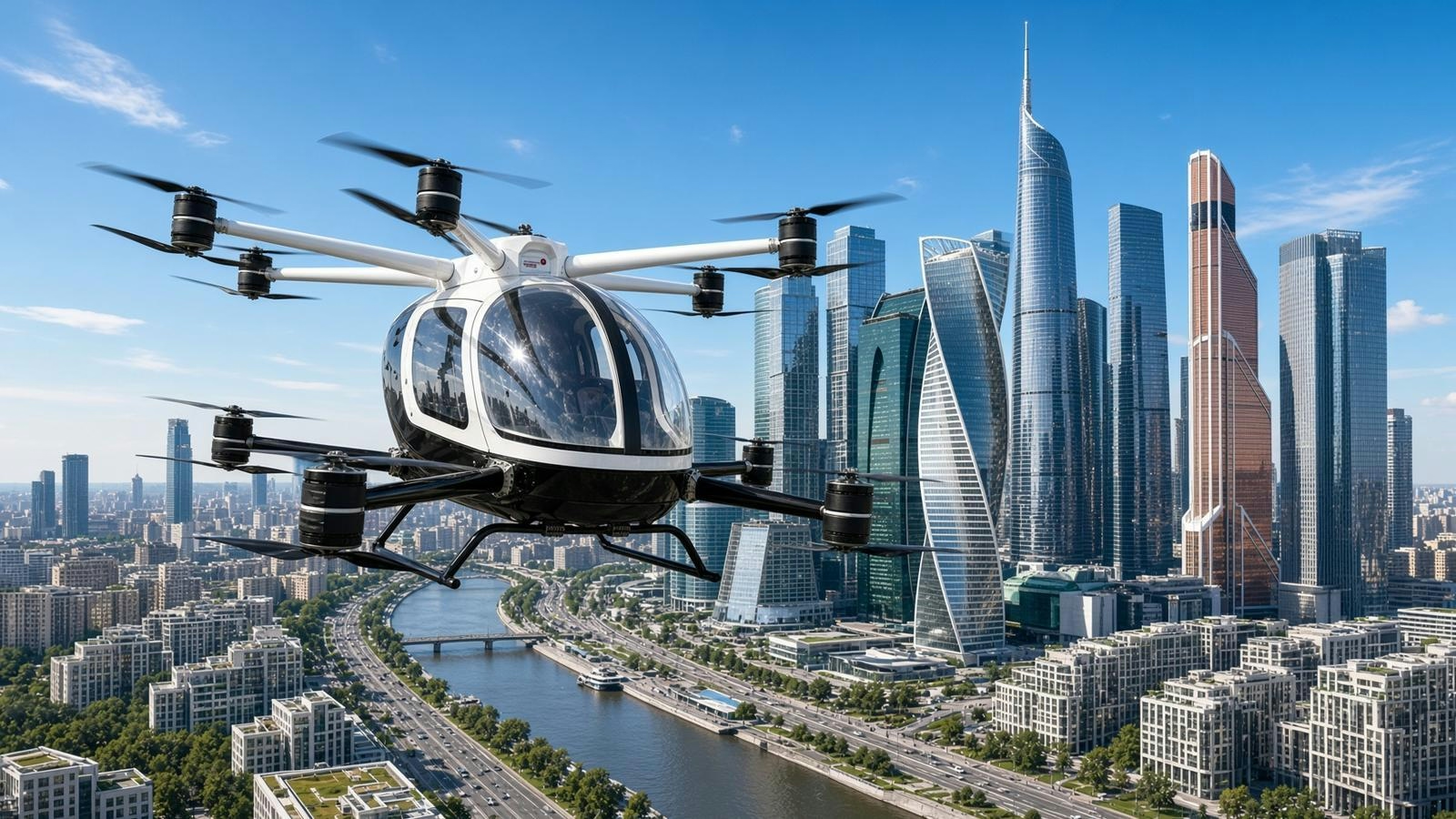
Russia Tests Air Taxis with Passenger Flights Possible in 2-3 Years

Russia Advances Air Taxi Testing with Passenger Flights Anticipated Within Two to Three Years Russian authorities are currently testing unmanned air taxis, with the prospect of initiating passenger flights within the next two to three years, according to Transport Minister Andrey Nikitin. Speaking at the International Youth Forum, Nikitin acknowledged that although prototypes have been developed, these vehicles are not yet ready for widespread deployment. A primary challenge remains their limited ability to operate reliably under complex weather conditions. Progress and Regulatory Oversight Manufacturers are preparing to submit their latest air taxi models to Rosaviatsia, Russia’s federal air transport agency, for further testing and certification. Nikitin underscored that safety is paramount, emphasizing that these aircraft must satisfy stringent regulatory standards before receiving approval for commercial use. While he expressed optimism that passenger flights could commence within two to three years, he also cautioned that the timeline might extend to five years due to potential regulatory and technical obstacles. Context Within the Global Urban Air Mobility Landscape The development of air taxis in Russia aligns with a broader international movement toward integrating electric vertical takeoff and landing (eVTOL) aircraft into commercial passenger services. Similar projects are underway in the United States and Europe, where companies are competing to bring air taxis to market. This global momentum is intensifying competition, driving manufacturers to accelerate development and invest in advanced technologies to establish a presence in the emerging urban air mobility sector. Despite the promise of rapid urban transport, Russia’s air taxi program confronts significant challenges. Regulatory approval, comprehensive safety certification, and ensuring dependable performance across diverse weather conditions remain critical hurdles. Industry analysts observe that as Russia and other nations advance their programs, the global air taxi industry is poised for increased investment and innovation, with companies striving to be among the first to offer safe, certified passenger flights. Minister Nikitin concluded by reaffirming that while the timeline for commercial air taxi operations in Russia is ambitious, safety and regulatory compliance will not be compromised. The coming years will be pivotal as Russia endeavors to join the forefront of countries pioneering this transformative mode of urban transportation.
AEG Fuels Launches Equipment Leasing Subsidiary

AEG Fuels Launches Equipment Leasing Subsidiary

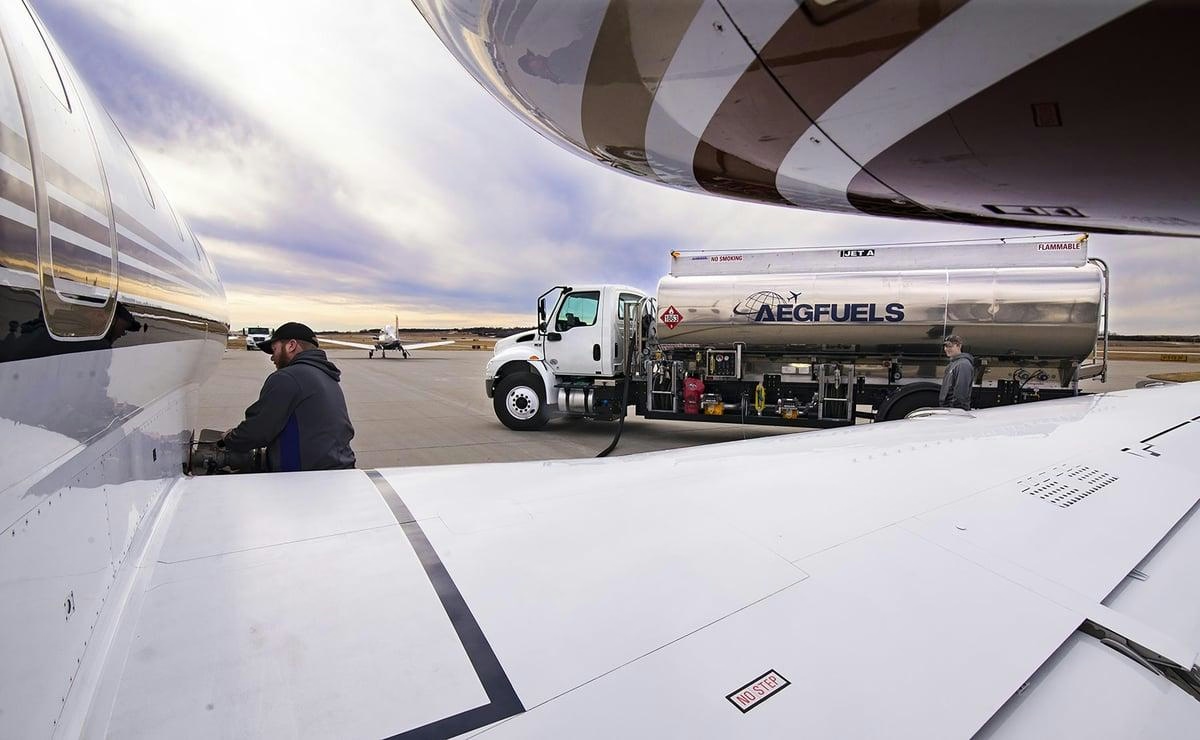
AEG Fuels Launches Equipment Leasing Subsidiary Amid Competitive Market AEG Fuels has unveiled a new subsidiary, AEG Leasing & Logistics, designed to provide short- and long-term leasing and rental services for ground support and fueling equipment. This initiative targets a diverse clientele within the aviation sector, including airlines, airports, ground handlers, cargo operators, fixed-base operators (FBOs), and government agencies. Expanding Service Offerings in Aviation Equipment Leasing AEG Leasing & Logistics boasts a fleet of over 1,000 ground support and fueling units distributed across two service and distribution centers. The subsidiary’s inventory includes essential equipment such as pushback tractors, belt loaders, aircraft refuelers, hydrant dispensers, and fuel storage tanks. Beyond equipment rental, the company offers comprehensive services encompassing sourcing, transportation, delivery coordination, and maintenance programs, aiming to provide a seamless experience for aviation operators. Chris Clementi, CEO of AEG Fuels, emphasized the strategic rationale behind the launch, stating, “Aviation operators need dependable equipment without always committing the capital and resources required for ownership. AEG Leasing & Logistics gives customers access to the equipment they need, when they need it.” This new venture builds upon AEG Fuels’ extensive experience in the aviation industry, which dates back to 1988. Navigating a Competitive and Dynamic Market Landscape AEG Fuels enters a highly competitive equipment leasing market, where established providers already command significant market share. The timing of the launch coincides with heightened industry activity, exemplified by Sumitomo’s recent bid for FleetPartners in Australia, highlighting the sector’s dynamic and competitive environment. AEG Leasing & Logistics faces potential challenges including competition from entrenched players, regulatory complexities, and the imperative to rapidly develop a strong customer base. Industry analysts suggest that incumbent competitors may respond to AEG’s market entry by enhancing their leasing portfolios, revising pricing strategies, or intensifying marketing efforts. Additionally, strategic alliances among existing firms could emerge as companies strive to protect or expand their market positions. Despite these obstacles, AEG Fuels intends to leverage its longstanding industry expertise to establish a distinctive presence in the equipment leasing sector, offering flexible solutions tailored to the evolving requirements of aviation operators worldwide.
line