
Zet AI‑inzichten om in gerichte actie

Trending
Categories
How a boom in luxury airline seats is slowing down jet deliveries

How a Boom in Luxury Airline Seats Is Slowing Down Jet Deliveries
A rising demand for luxury airline seats has emerged as an unexpected contributor to persistent delays in new jet deliveries, adding to the existing supply chain challenges faced by major aircraft manufacturers. In January 2026, Airbus and Boeing collectively delivered 55 commercial narrowbody aircraft, eight fewer than during the same period in 2025. This decline reflects a multifaceted set of production difficulties, including ongoing supply disruptions, engine shortages, and increasingly, delays related to the certification and installation of bespoke business class seats.
The Complexity of Luxury Seating and Certification Challenges
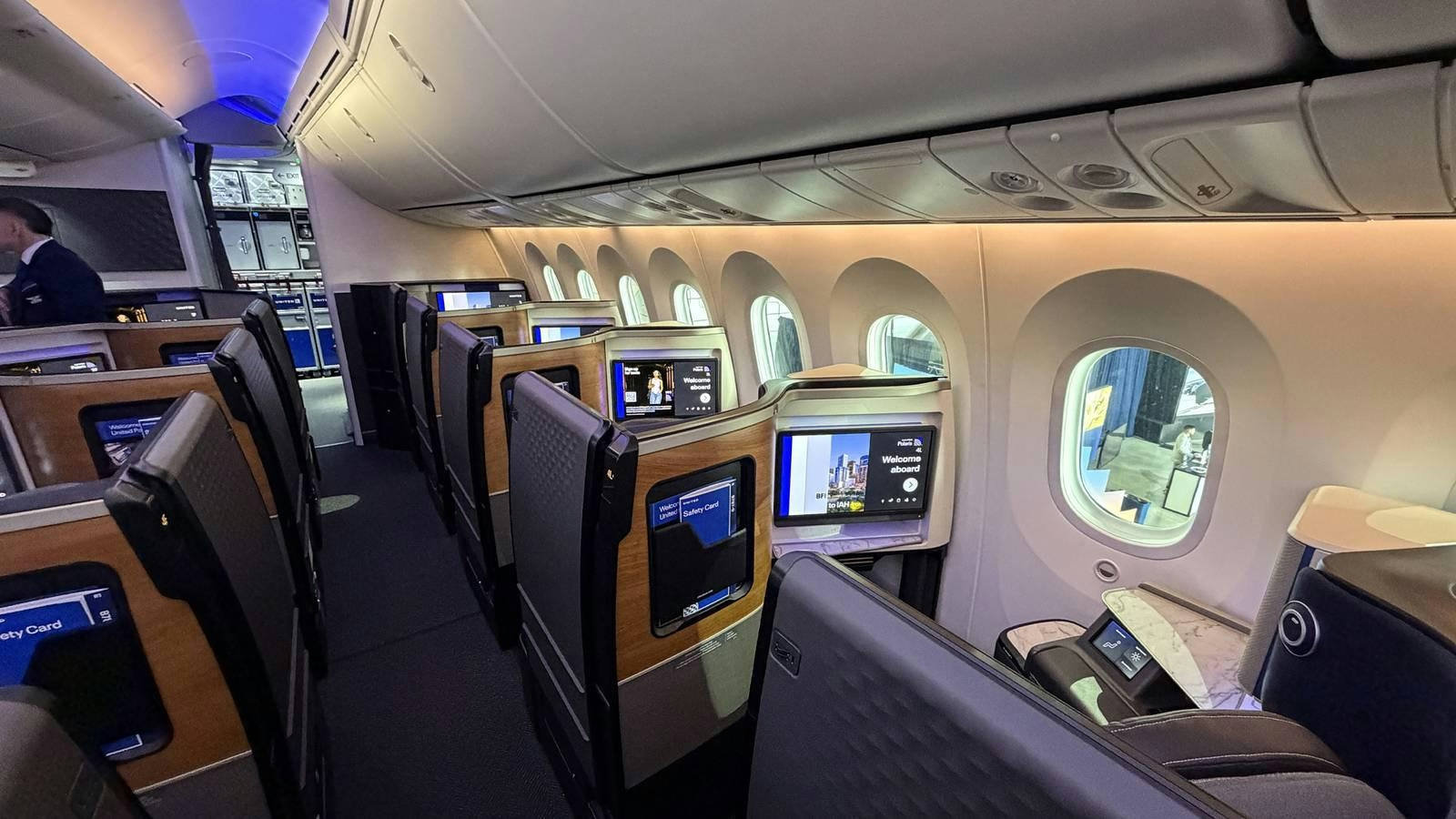
The growing emphasis on more luxurious and innovative seating options—such as lie-flat beds, privacy doors, and diverse cabin configurations—has significantly increased the complexity of aircraft interiors. These premium seats are produced not by Airbus or Boeing themselves but by specialized suppliers like Safran and RECARO. After manufacturing, the seats must undergo a stringent two-step certification process: first as individual products and then for integration into specific aircraft models. Regulatory bodies, including the US Federal Aviation Administration (FAA), have tightened certification requirements in recent years, further prolonging approval timelines.
Lufthansa’s new Allegris business class seating exemplifies these challenges, having encountered delays due to the extended FAA approval process. A Safran spokesperson noted that “the seat certification process, particularly for business class, has become significantly more complex and demanding in recent years due to innovation and the tightening of regulatory requirements.” In 2025, Safran delivered 2,600 business class seats—150 more than the previous year—while acknowledging the increasing difficulties involved.
Industry Impact and Strategic Responses
The ripple effects of these delays are being felt throughout the aviation sector. Although Australian airlines have largely avoided major disruptions to date, Qantas is closely monitoring the situation as it prepares to receive 49 new Airbus aircraft, including the highly customized A350-1000ULRs for its Project Sunrise initiative, scheduled for fiscal years 2026-2027. A Qantas Group spokesperson highlighted that “global supply chain challenges and evolving testing requirements are impacting aircraft deliveries for airlines,” adding that the company is collaborating closely with manufacturers, suppliers, and regulators to maintain its delivery schedule.
The trend toward increasingly sophisticated business class products, such as American Airlines’ flagship suites featuring privacy doors—which required regulatory exemptions—has further strained the certification process. As airlines compete to enhance passenger comfort and privacy, the time needed to test and approve new seat designs continues to lengthen.
In response, some competitors are adjusting their strategies. Embraer is focusing on sales of its E2 jets while expanding into defense and electric vertical takeoff and landing (eVTOL) markets. Meanwhile, ATR is targeting growth among regional airlines in the Asia-Pacific region. Despite the delivery setbacks, industry leaders remain cautiously optimistic, citing sustained strong demand and promising growth prospects in the region.
As the race to offer luxury at the front of the plane intensifies, airlines and manufacturers face the challenge of balancing elevated passenger expectations with the realities of production complexities and regulatory oversight, rendering the path to new aircraft deliveries more intricate than ever before.
Operating Costs of a Boeing 787-9 Dreamliner Per Hour in 2026
Cabinet Urged to Form Interagency Group on Aircraft Leasing Taxation
Eight Aboard Twin-Engine Cessna Crash in Remote Alaska
American Airlines Plans to Receive New Aircraft Deliveries in 2026
Delta Flight Returns to Atlanta Airport Due to Engine Trouble

Samoa Airways Recovers Damaged DHC-6-300 Aircraft
Man Ingested by Frontier Airlines Engine Marks Denver’s Sixth Airfield Security Breach in Three Years
The Advantages and Disadvantages of Owning Versus Leasing a Private Jet
Former Spirit Employees Express Concerns Over AI Partnership With Google
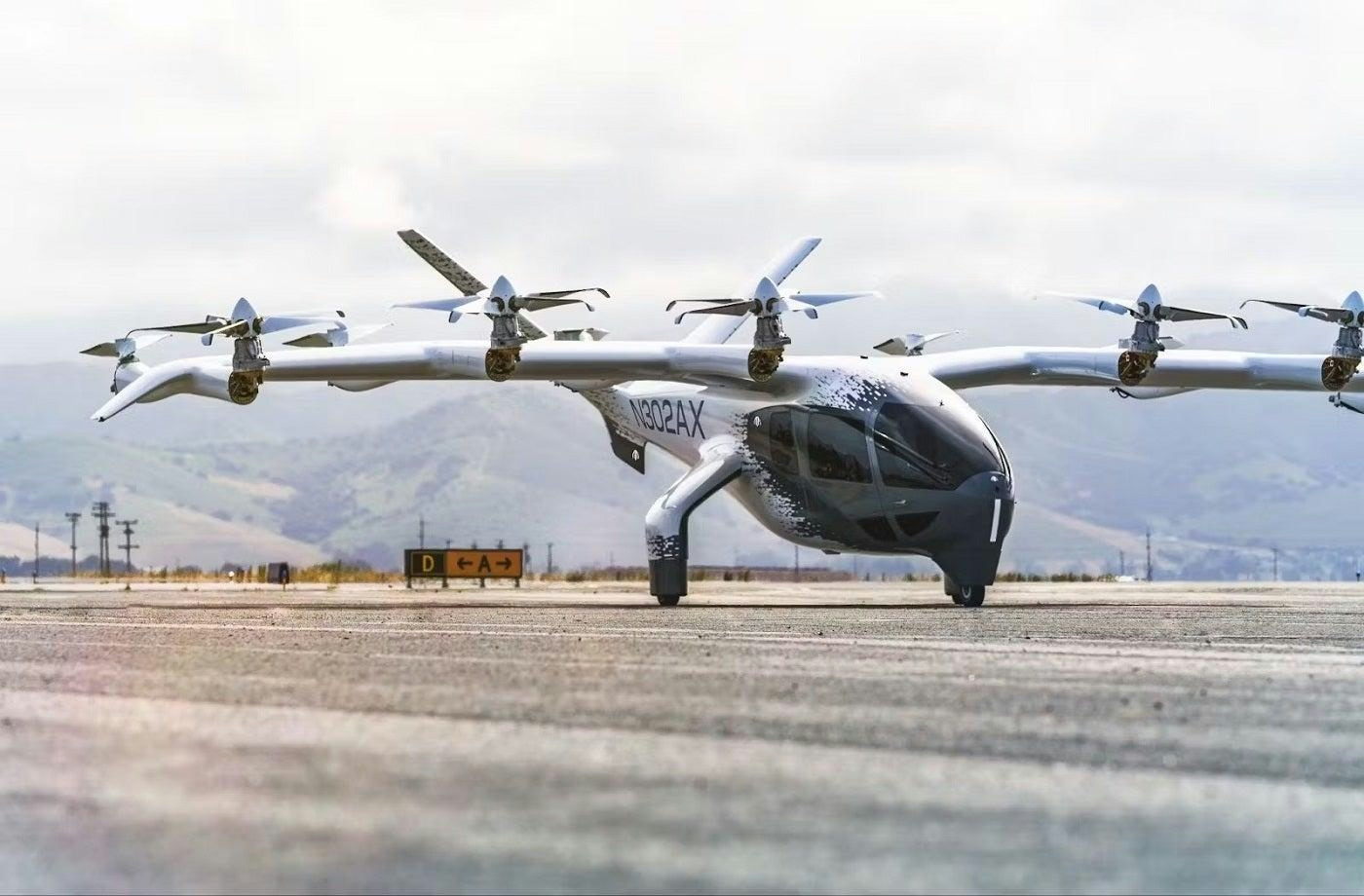
China Certifies Pilotless Air Taxi for Export; Sri Lanka First Buyer
