
Zet AI‑inzichten om in gerichte actie

Trending
Categories
Hydrogen Aviation Advances Low-Carbon, Quieter Air Travel
Hydrogen Aviation Advances Low-Carbon, Quieter Air Travel
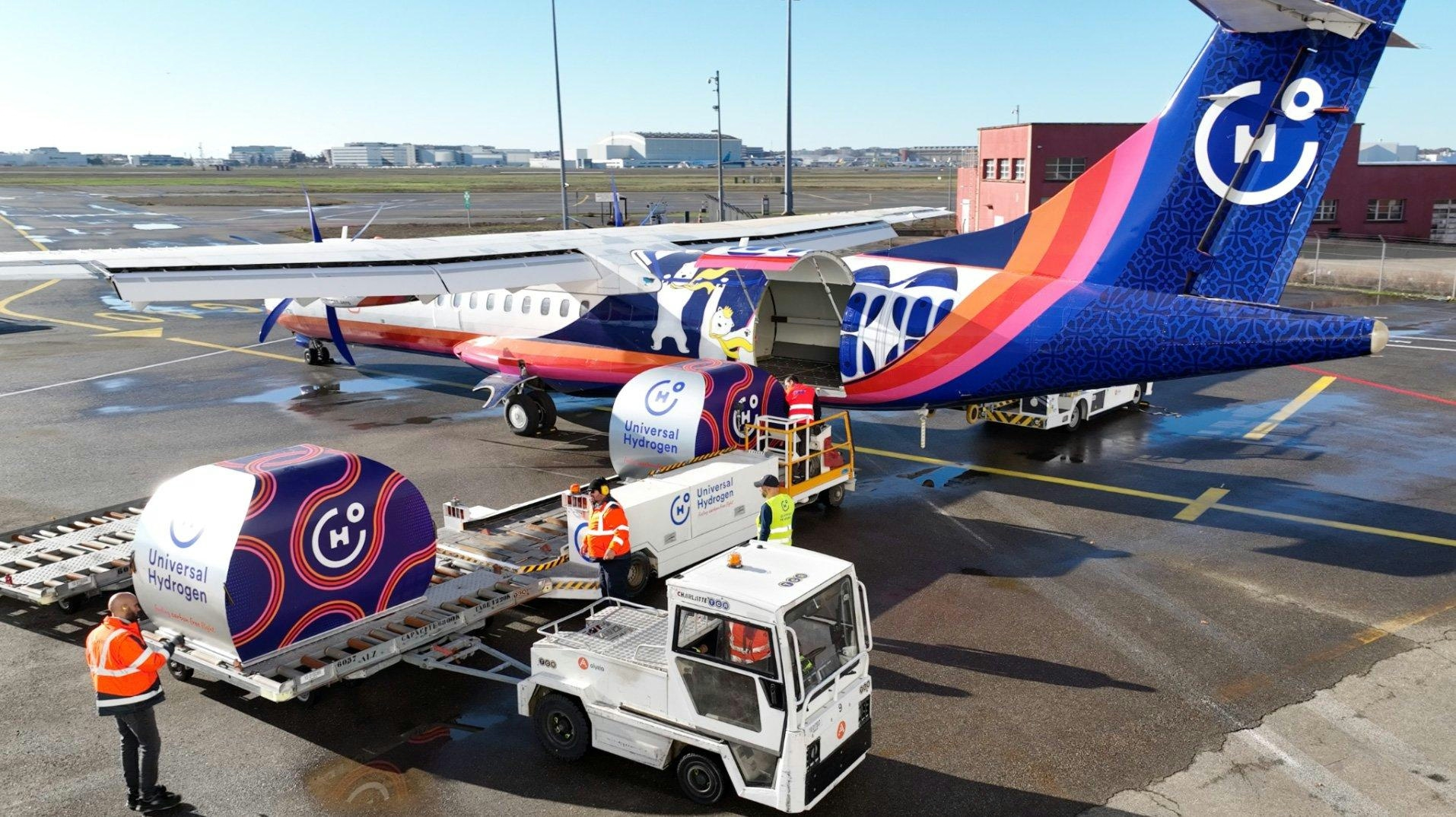
Hydrogen-powered aviation is transitioning from experimental research to practical implementation, heralding a transformative period for global air travel. A recent industry study underscores the potential of hydrogen aircraft to significantly reduce carbon emissions, thereby supporting the sustainable growth of air travel while addressing pressing environmental concerns. This shift promises to alter flight routes, airport operations, and travel planning in the near future.
A New Era for Eco-Conscious Flyers
Hydrogen is rapidly gaining recognition as a key solution to decarbonize commercial aviation. Aircraft manufacturers and airport authorities are preparing for a future in which hydrogen, alongside sustainable aviation fuels, serves as a primary clean energy source. The initial phase of this transition is expected to focus on short- and medium-haul flights—routes frequently used for leisure travel, city breaks, and regional connectivity.
For passengers, hydrogen-powered flights offer the prospect of quieter, cleaner journeys with a substantially reduced carbon footprint, all without compromising convenience. These aircraft are anticipated to provide quieter cabins and smoother propulsion systems, enhancing the overall travel experience by reducing noise pollution and vibration.
Airports Transforming into Hydrogen Hubs
The integration of hydrogen technology will necessitate significant changes to airport infrastructure. International transport authorities and government agencies are actively exploring how terminals can safely handle both liquid and gaseous hydrogen. Several airports across Europe, the United Kingdom, and parts of the United States—regions where governments are already investing in hydrogen infrastructure—are poised to become pioneering “hydrogen hubs.” These facilities will feature new fueling stations and dedicated storage systems designed to support hydrogen-powered aircraft.
Travelers passing through these hubs may soon benefit from clean-flight corridors, representing a tangible step toward sustainable aviation. For frequent flyers aiming to reduce their environmental impact, selecting airlines and airports that prioritize hydrogen infrastructure will become an increasingly practical and responsible choice.
Industry and Government Drive Change
Government initiatives are playing a crucial role in advancing hydrogen aviation. The United Kingdom’s innovation programs have supported the development and early testing of hydrogen aircraft concepts, while European Union policies promote the advancement of clean fuels and encourage airports to prepare for low-carbon operations. In the United States, federal hydrogen programs are assessing how airports can safely incorporate hydrogen into ground operations and future flight activities.
Simultaneously, the aviation industry is exhibiting cautious optimism. Real-world pilot projects and technological advancements are underway, with major companies such as Pratt & Whitney and General Electric developing next-generation hydrogen engines. Innovators like ZeroAvia and Hybrid Air Vehicles are exploring hydrogen-electric airships, expanding the scope of hydrogen applications in aviation. Industry forums, including the Skift Aviation Forum, are highlighting these developments and fostering discussions on future fleet innovations and operational efficiencies.
Challenges and Opportunities Ahead
Despite the promising momentum, significant challenges remain. The cost disparity between fossil-based fuels and clean hydrogen, regulatory complexities—particularly within Europe—and the necessity for high carbon capture rates to ensure genuine emissions reductions are critical obstacles. Nevertheless, the industry’s response has been vigorous, with sustained investment and collaboration aimed at overcoming these barriers and accelerating the adoption of hydrogen aviation.
What Travelers Can Expect—and Do—Now
The rollout of hydrogen-powered flights will begin gradually, initially focusing on short-haul routes popular for weekend getaways and regional travel. Meanwhile, travelers can already contribute to greener aviation by choosing airlines committed to sustainable practices, including those investing in hydrogen partnerships or utilizing sustainable aviation fuels. Similarly, selecting airports that are developing sustainable fuel infrastructure offers passengers an opportunity to support cleaner travel options.
As hydrogen aviation approaches mainstream adoption, travelers can anticipate a future marked by quieter, cleaner, and more efficient journeys, while actively participating in the industry’s transition toward sustainability.

Etihad Airways Suspends Airbus A380 Flights on Key Route

Aditya Birla Group Seeks Approval for Aircraft Leasing in GIFT City

Qatar Airways Highlights Innovation and Connectivity at Arabian Travel Market 2026

Hong Kong's Five-Year Plan Includes Andrew Fan's Aircraft Parts Processing Hub Proposal

ACIA Aero Leasing Delivers ATR72-600 to Air Nostrum

RTX Appoints Jill Albertelli as Head of Pratt & Whitney

TAT Technologies Joins Beyond Aero Hydrogen Aircraft Program

AURAK Study Highlights Barriers to Air Taxi Adoption in Emerging Economies

Xiamen Air Selects Altitude for 787 Maintenance at Heathrow

Etihad and Swissport Extend Global Partnership
