
Zet AI‑inzichten om in gerichte actie

Trending
Categories
Investigation Reveals Cause of Engine Failure on Ryanair Flight That Endangered Passenger
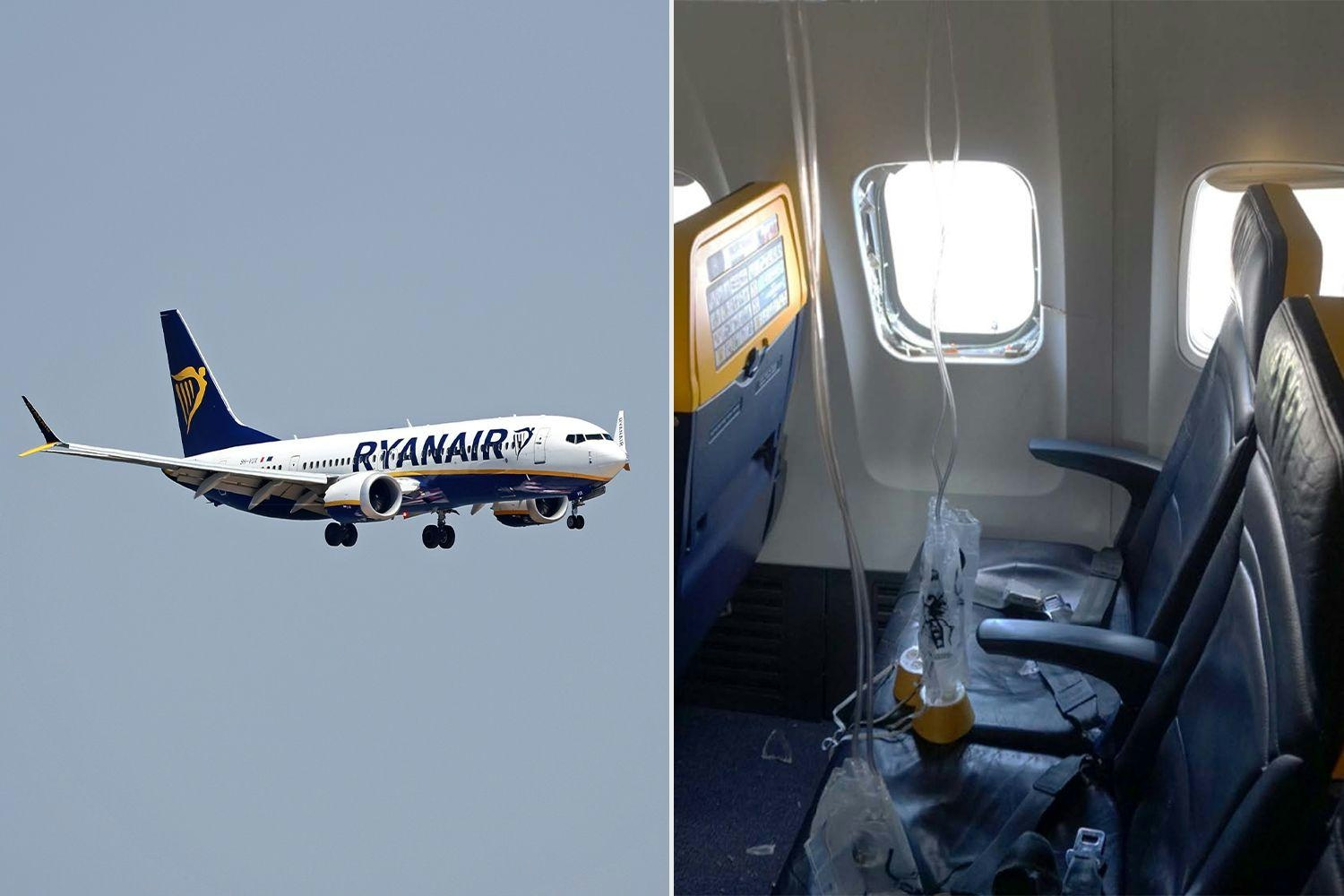
Investigation Reveals Cause of Engine Failure on Ryanair Flight That Endangered Passenger
A routine flight departing Thessaloniki, Greece, on July 10 turned into a life-threatening event for passengers aboard Malta Air Flight 1879, operated on behalf of Ryanair. The Boeing 737-800, carrying 149 passengers and six crew members en route to Memmingen, Germany, experienced a catastrophic failure of its right engine at approximately 16,000 feet. The incident has since become the focus of a detailed investigation by aviation authorities.
Catastrophic Engine Failure and Passenger Endangerment
During the aircraft’s ascent, a fan blade within the right engine fractured, initiating what investigators have classified as a "blade-out event." The disintegrating blade sent fragments into the fuselage, shattering a cabin window and causing rapid depressurization. In a harrowing moment, a 61-year-old passenger seated at 11F was partially sucked through the broken window. Fellow passengers intervened swiftly, pulling him back inside the cabin. The individual sustained injuries including trauma to the neck and shoulder, as well as friction burns.
Flight attendants reported intense shaking and a fog-like haze filling the cabin, followed by the deployment of oxygen masks. Passengers attempted to mitigate the hazard by using a metal galley box to cover the shattered window while the crew prepared for an emergency return to Thessaloniki. The aircraft ultimately landed safely, where emergency services were on standby.
Investigation Findings and Technical Analysis
A preliminary report issued by the U.S. National Transportation Safety Board (NTSB), which assumed responsibility for the investigation from Greek authorities, revealed that the flight crew had received a vibration warning from the right engine during the climb. After reducing engine power, the vibrations temporarily diminished but soon escalated, culminating in a loud bang, disengagement of the autopilot, and a cabin pressure alert.
Examination of the failed engine blade uncovered that approximately 37 percent of the fracture surface exhibited signs of metal fatigue. The fatigue originated at the root of the blade, indicating that the component had been subjected to repeated stress over an extended period. This evidence suggests that the engine was compromised prior to the failure, raising critical questions regarding maintenance practices, inspection protocols, and potential design vulnerabilities.
Industry and Regulatory Implications
The incident has intensified scrutiny from aviation regulators, with Ryanair potentially facing regulatory actions and financial penalties. Market analysts anticipate a temporary erosion of passenger confidence, which may affect the airline’s reputation and lead to increased insurance costs. Competitors are expected to respond by reinforcing safety measures and issuing public statements to reassure travelers.
Furthermore, the investigation has prompted concerns over product liability for engine manufacturer CFM International and airframe producer Boeing. Authorities are examining whether design flaws, manufacturing defects, or inspection shortcomings contributed to the failure. The findings could have far-reaching consequences for industry standards and future regulatory oversight.
As the inquiry progresses, Ryanair and its partners confront mounting pressure to address safety issues and restore public trust in their operations.

Etihad and Swissport Extend Global Partnership
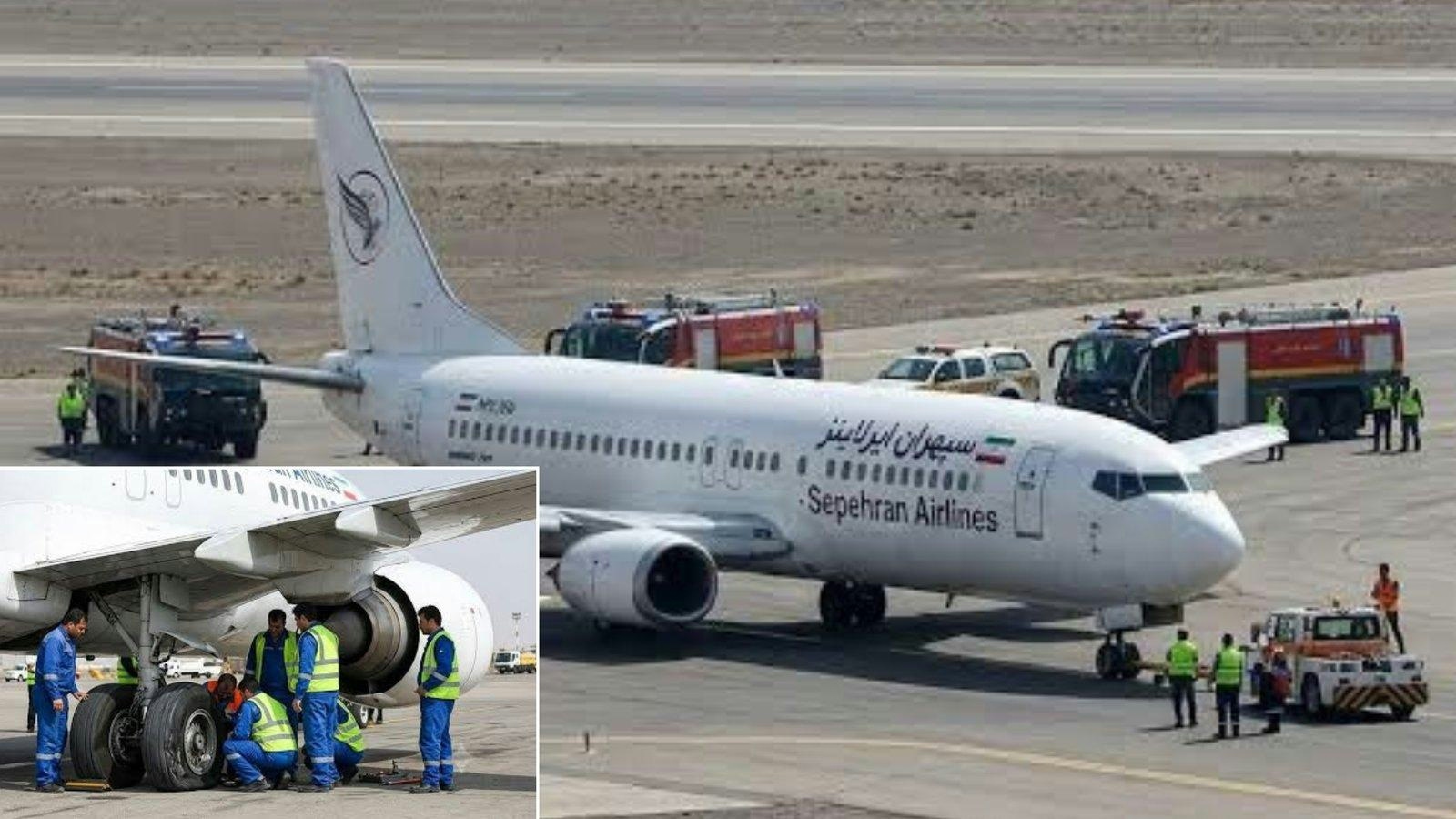
Sepehran Airlines B737 Returns to Mashhad After Tyre and Engine Issues

Etihad Deploys Widebody Fleet to Meet Strong Demand
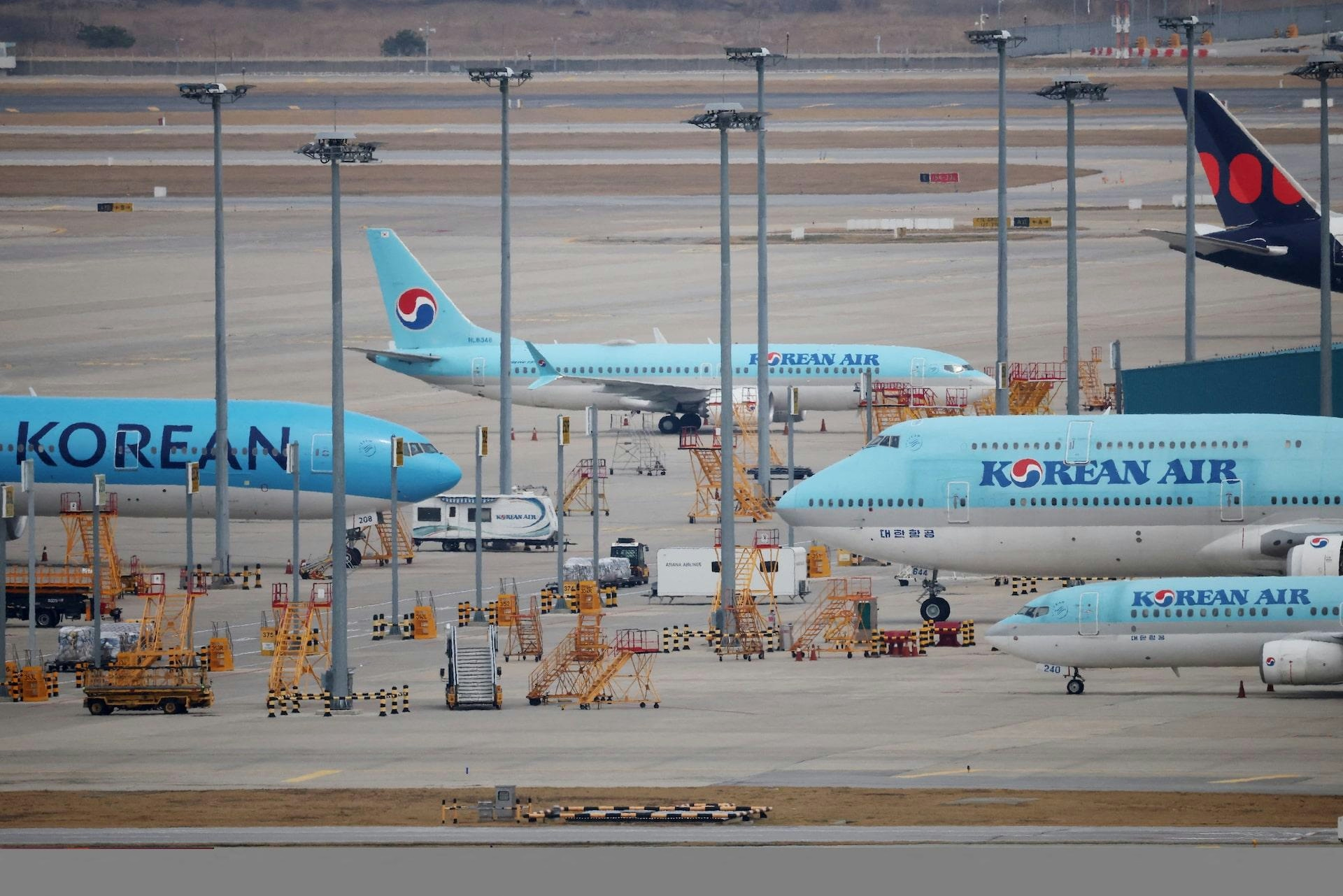
Korean Air Finalizes $36.2 Billion Deal with Boeing
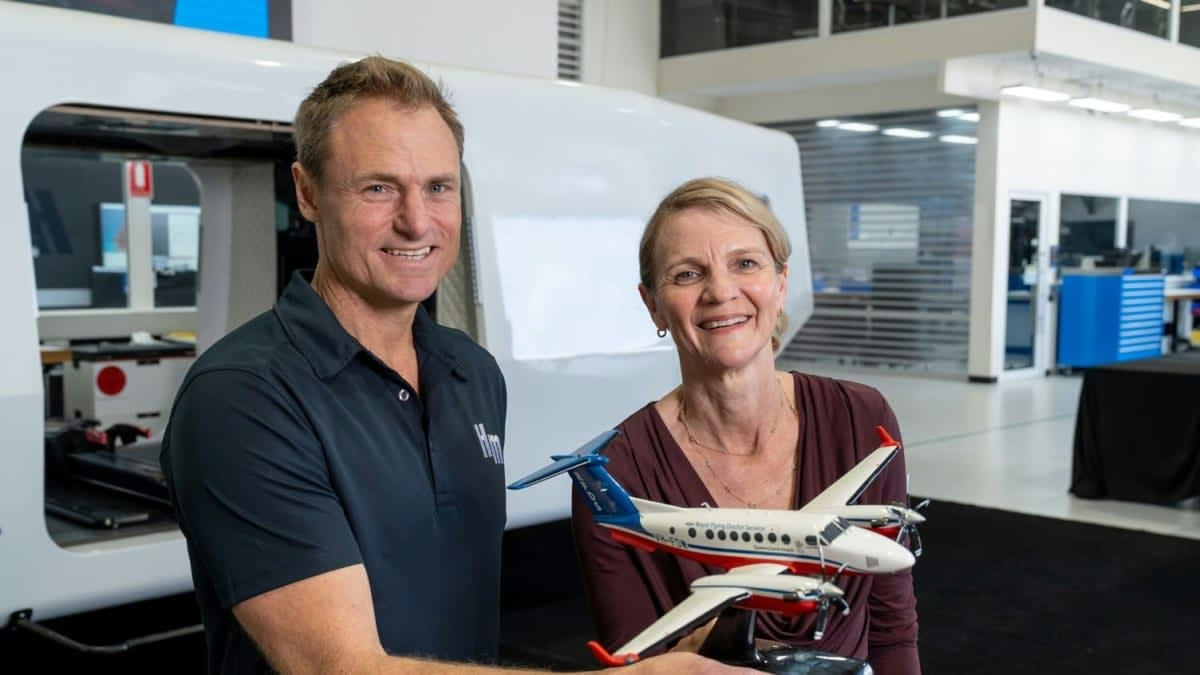
Australia’s RFDS Queensland Section Orders Six King Air 260Cs

Korean Air Finalizes Order for 103 Boeing Jets and Engines
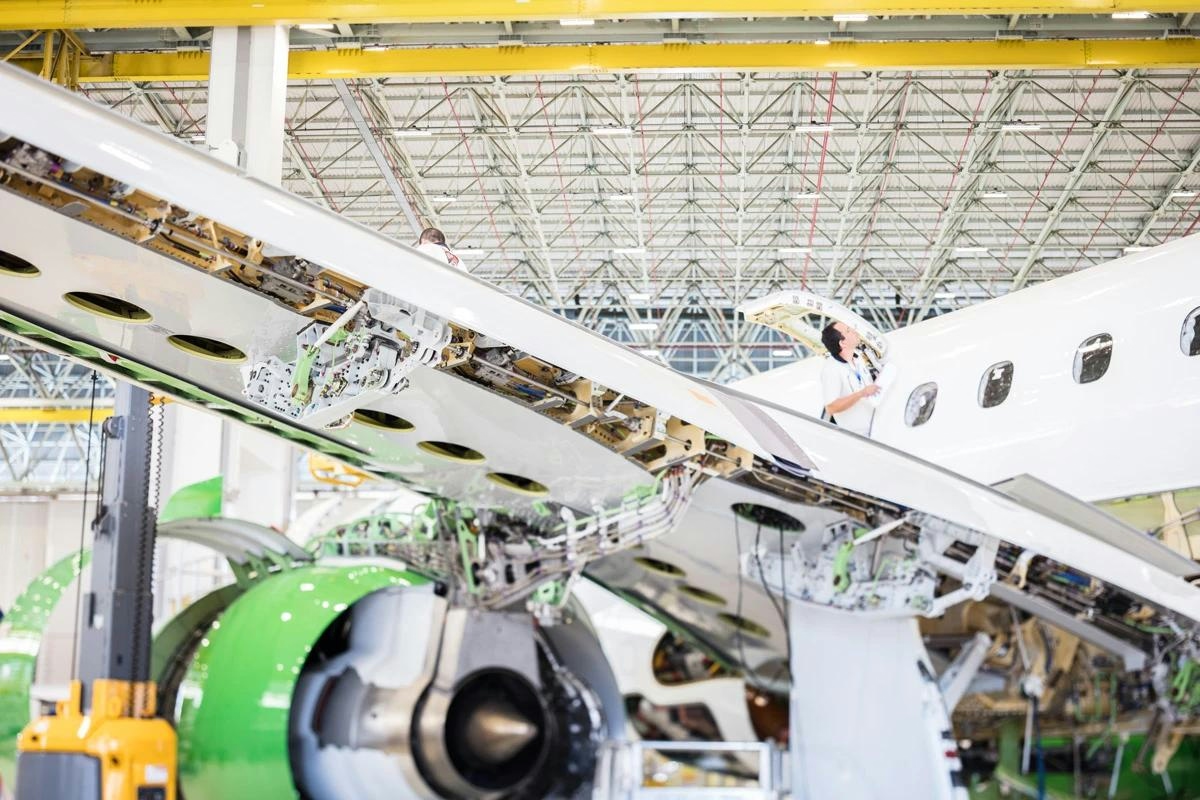
Embraer E195-E2 Features Distinctive Engine Placement Among Regional Jets
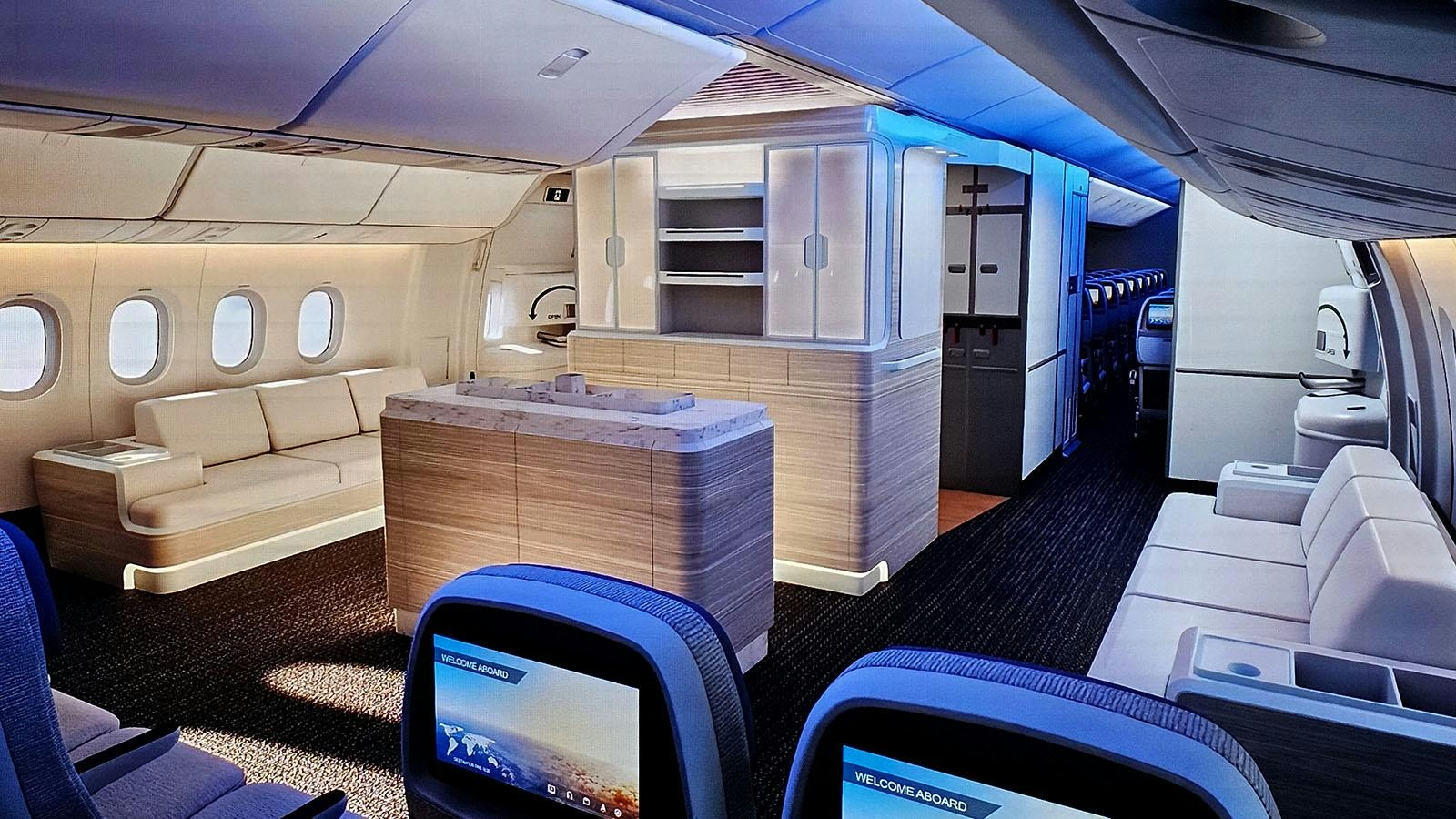
What Passengers Can Expect on Boeing’s New 777X Jet
How Ethiopian Airlines Became Africa’s Leading Carrier Amid Gulf Competition
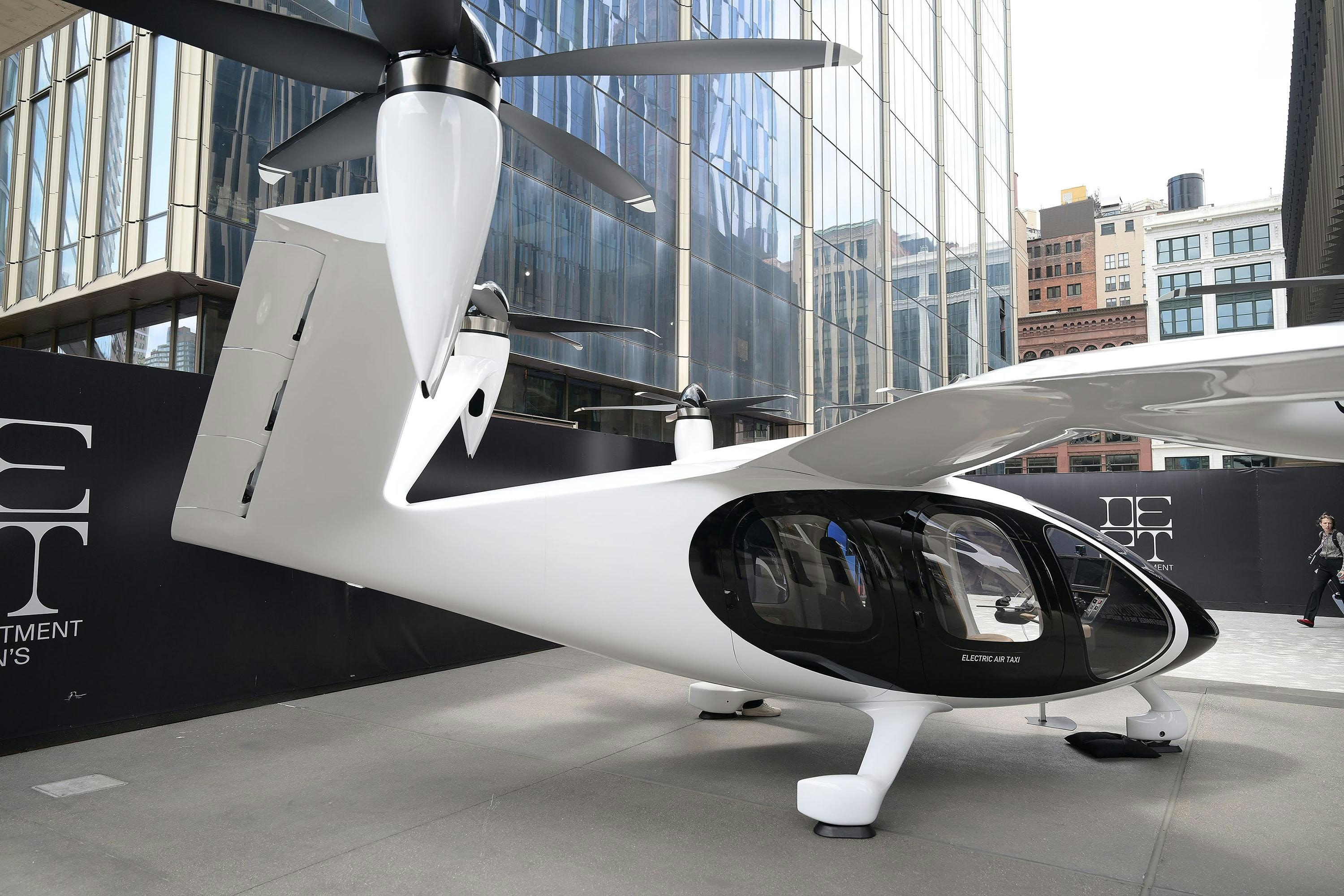
Joby Aviation Extends Autonomous Flight Capabilities with Cross-Country Tour
