
Zet AI‑inzichten om in gerichte actie

Trending
Categories
KAI and Embraer Sign Memorandum of Understanding on Aircraft Structures
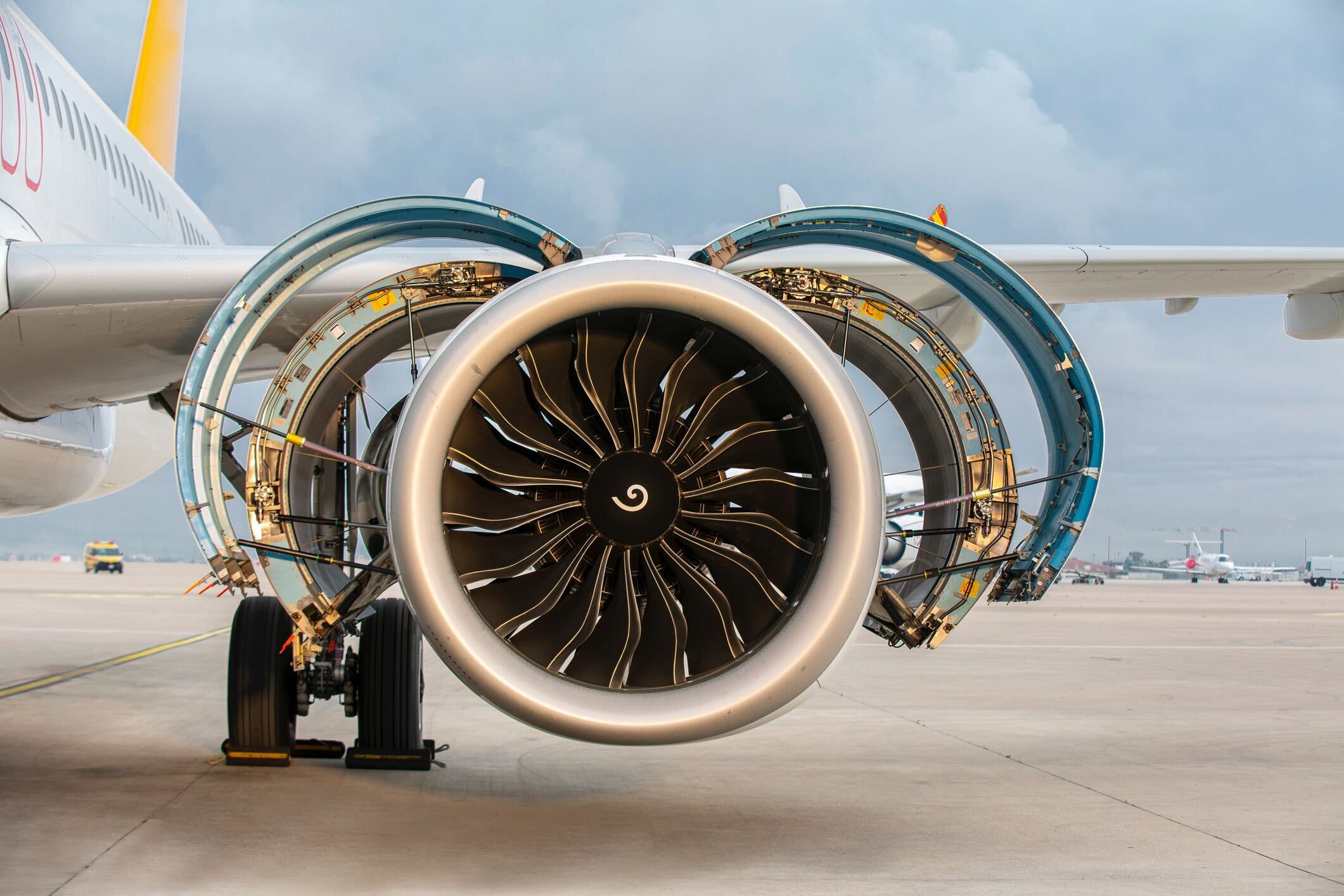
KAI and Embraer Forge Strategic Partnership in Aircraft Structures
Korea Aerospace Industries (KAI) and Brazil’s Embraer have formalized a memorandum of understanding (MOU) to explore joint business opportunities within the aircraft structures sector. Signed on May 28 during South Korean President Yoon Suk Yeol’s state visit to Brazil, the agreement establishes a framework for strategic collaboration encompassing design, engineering, manufacturing, and quality control. This initiative aims to strengthen both companies’ positions within the global commercial aircraft supply chain.
Framework for Cooperation and Industry Context
The signing ceremony was attended by prominent figures from both industry and government, including KAI President Kim Jong-chul, Embraer President Francisco Gomes Neto, Federation of Korean Industries Chairman Ryu Jin, South Korea’s Minister of Trade, Industry and Energy Kim Jeong-gwan, and Korea Aerospace Administration Commissioner Oh Tae-seok. While the MOU does not specify contractual obligations or financial commitments, it lays the groundwork for the two firms to jointly identify and develop future business prospects by leveraging their complementary technical expertise.
KAI intends to enhance its technological competitiveness and manufacturing efficiency by integrating its aerospace engineering capabilities with Embraer’s well-established experience in aircraft development and production. Founded in 1969, Embraer is Brazil’s foremost aerospace company, with a diverse portfolio that includes commercial aircraft with fewer than 150 seats, business jets, and defense, security, and agricultural aircraft. The company provides comprehensive lifecycle solutions, spanning design, manufacturing, maintenance, and after-sales services, and has delivered over 9,000 aircraft globally.
Challenges and Industry Implications
Despite the promising outlook, the partnership faces several challenges. Navigating regulatory differences between South Korea and Brazil, managing the complexities of technology transfer, and ensuring equitable benefits for both parties will be critical to the collaboration’s success. Market analysts have expressed caution, noting investor skepticism regarding the long-term profitability and tangible outcomes of the alliance.
This development occurs amid intensifying competition in the global aerospace industry. Established giants such as Boeing and Airbus may respond by strengthening their own partnerships or accelerating technological innovation to maintain their market dominance. Nonetheless, the KAI-Embraer MOU represents a strategic effort by both companies to expand their global footprint and adapt to the evolving demands of the commercial aircraft market. Moving forward, the firms will focus on identifying concrete projects and addressing the complexities inherent in international aerospace cooperation.

Etihad and Swissport Extend Global Partnership

Sepehran Airlines B737 Returns to Mashhad After Tyre and Engine Issues

Etihad Deploys Widebody Fleet to Meet Strong Demand

Korean Air Finalizes $36.2 Billion Deal with Boeing

Australia’s RFDS Queensland Section Orders Six King Air 260Cs

Korean Air Finalizes Order for 103 Boeing Jets and Engines

Embraer E195-E2 Features Distinctive Engine Placement Among Regional Jets

What Passengers Can Expect on Boeing’s New 777X Jet

How Ethiopian Airlines Became Africa’s Leading Carrier Amid Gulf Competition

Joby Aviation Extends Autonomous Flight Capabilities with Cross-Country Tour
