
Zet AI‑inzichten om in gerichte actie

Trending
Categories
Magnum Wings Completes Unmanned Air Taxi Flight Trial
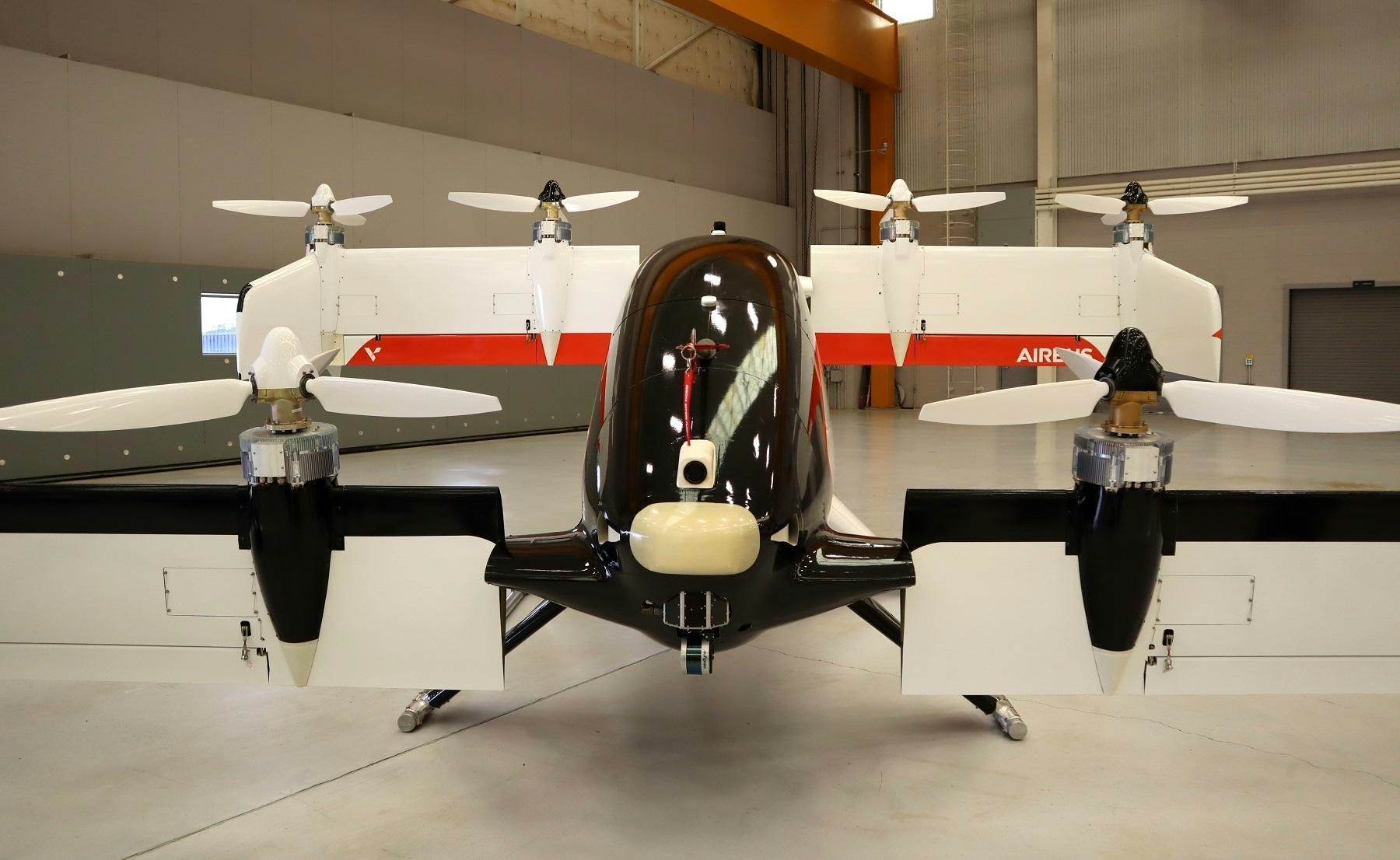
Magnum Wings Completes Unmanned Air Taxi Flight Trial
Magnum Wings, an Andhra Pradesh-based start-up, has successfully completed an unmanned flight trial of its V2 2.0 electric air taxi prototype, marking a significant milestone in India’s emerging urban air mobility sector. This achievement establishes Magnum Wings as the first Indian company to publicly demonstrate flying air taxi technology, placing it among a select group of global firms advancing air taxi platforms to the flight stage.
Progress and Technical Specifications
At a recent press conference, Managing Director Abhiram Chava detailed the company’s progress, noting that the V2 2.0 platform had already undergone structural testing prior to the flight trial. The prototype is designed for short-distance urban and regional transportation, with an endurance of approximately 45 minutes and an operational range close to 30 kilometres. Chava underscored the pride in joining the global ranks of innovators in this field, highlighting the significance of Magnum Wings’ accomplishment for both the company and the region.
Looking forward, Magnum Wings intends to focus on certification processes and manned flight trials. Human flight testing will commence only after securing all necessary regulatory approvals and safety clearances. The company aims to launch initial commercial services by the end of the year, contingent upon obtaining mandatory certifications.
Challenges and Industry Context
Despite this progress, the path to commercial deployment remains complex. Regulatory certification, particularly from international authorities such as the Federal Aviation Administration (FAA), poses a considerable challenge. The development of supporting infrastructure, including new charging facilities, is also critical for the widespread adoption of electric air taxis. Furthermore, the sector faces intensifying competition and legal challenges, exemplified by patent infringement disputes involving major players like Archer Aviation, which have already affected partnerships such as Delta’s collaboration with Joby Aviation.
Public acceptance and integration of air taxis into existing transportation networks present additional hurdles. While the vision of urban air mobility evokes futuristic imagery, skepticism persists regarding its practicality and safety. Ensuring seamless integration with current infrastructure will be essential to gaining public trust and achieving operational viability.
Strategic Vision and Economic Potential
Chava expressed optimism about the broader industrial potential of advanced air mobility in Andhra Pradesh. He highlighted the opportunity to generate thousands of high-skill jobs across various domains, including aircraft manufacturing, battery systems, electronics, composites, software development, testing, maintenance, training, and operations. Magnum Wings is actively exploring applications of electric air mobility beyond air taxis, targeting sectors such as emergency response, medical transport, tourism, industrial mobility, and regional connectivity.
The company envisions electric air mobility as a transformative force for short-distance transportation and aims to position Andhra Pradesh as a leading hub for emerging aviation technologies within India.

Etihad Airways Suspends Airbus A380 Flights on Key Route

Aditya Birla Group Seeks Approval for Aircraft Leasing in GIFT City

Qatar Airways Highlights Innovation and Connectivity at Arabian Travel Market 2026

Hong Kong's Five-Year Plan Includes Andrew Fan's Aircraft Parts Processing Hub Proposal

ACIA Aero Leasing Delivers ATR72-600 to Air Nostrum

RTX Appoints Jill Albertelli as Head of Pratt & Whitney

TAT Technologies Joins Beyond Aero Hydrogen Aircraft Program

AURAK Study Highlights Barriers to Air Taxi Adoption in Emerging Economies

Xiamen Air Selects Altitude for 787 Maintenance at Heathrow

Etihad and Swissport Extend Global Partnership
