
Zet AI‑inzichten om in gerichte actie

Trending
Categories
NCAA Creates Service Innovation Division to Improve Regulatory Efficiency

NCAA Establishes Service Innovation Division to Enhance Regulatory Efficiency
LAGOS – The Nigeria Civil Aviation Authority (NCAA) has officially launched a Service Innovation Division at its Abuja headquarters, marking a pivotal advancement in its efforts to institutionalise innovation and improve public service delivery within the aviation sector. This development aligns with the Federal Government’s wider public service reform agenda, which calls on Ministries, Departments, and Agencies (MDAs) to adopt innovative, transparent, and citizen-centric approaches to governance.
A Strategic Move Towards Modernisation and Efficiency
At the inauguration ceremony, Director-General of Civil Aviation, Capt. Chris Najomo, described the creation of the Service Innovation Division as a landmark achievement in the Authority’s ongoing transformation. He underscored the critical role of innovation in ensuring effective regulation amid the dynamic and rapidly evolving aviation industry in Nigeria. As the nation’s primary aviation regulator responsible for safety, security, and economic oversight, the NCAA must continuously adapt to global trends and emerging challenges.
Capt. Najomo explained that the new division will function as a dedicated hub for developing creative solutions to operational challenges, streamlining internal processes, and fostering a culture of continuous improvement. It is expected to spearhead reforms that enhance institutional performance, improve service delivery to stakeholders, and position the NCAA as a more agile and performance-driven regulator.
Navigating Complex Regulatory Challenges
The NCAA’s innovation drive comes at a time when regulatory bodies face increasing complexities. The Authority contends with legislative changes, judicial rulings, and evolving sectoral issues that test the resilience of existing frameworks. Recent court decisions, such as the Brendan Sorsby ruling, have exposed vulnerabilities in regulatory oversight, prompting calls for legislative reforms to address systemic gaps. Additionally, ongoing debates surrounding the Protect College Sports Act, particularly concerning Name, Image, and Likeness (NIL) agreements, illustrate the intricate balance regulators must maintain between athlete compensation and compliance.
Market responses to these reforms have been varied, reflecting uncertainty over the impact of proposed rule changes on specific programmes and stakeholders. Competitors may adjust their strategies in response to new regulations or seek to exploit regulatory loopholes, further complicating the regulatory environment.
Commitment to Reform and Service Excellence
Representing the Director of Reform Coordination and Service Improvement, Mrs. Francisca Adediji, Mr. Femi Ogedengbe praised the NCAA for its prompt compliance with the Federal Government’s directive mandating the establishment of Service Innovation Units across all MDAs. He highlighted the Authority’s proactive stance as a testament to its dedication to governance reforms, operational excellence, and accountability.
Mrs. Faderera Bassey, General Manager of SERVICOM at the NCAA, expressed gratitude for the management’s unwavering support in fostering innovation and enhancing service delivery. She emphasised that sustained leadership commitment will be essential to the division’s success and to realising the NCAA’s vision of efficient, transparent, and customer-focused regulatory services.
The inauguration of the Service Innovation Division represents a significant milestone in the NCAA’s broader strategy to modernise its operations, boost organisational effectiveness, and strengthen public confidence in Nigeria’s aviation regulatory framework amid ongoing sector-wide reforms.

Etihad and Swissport Extend Global Partnership
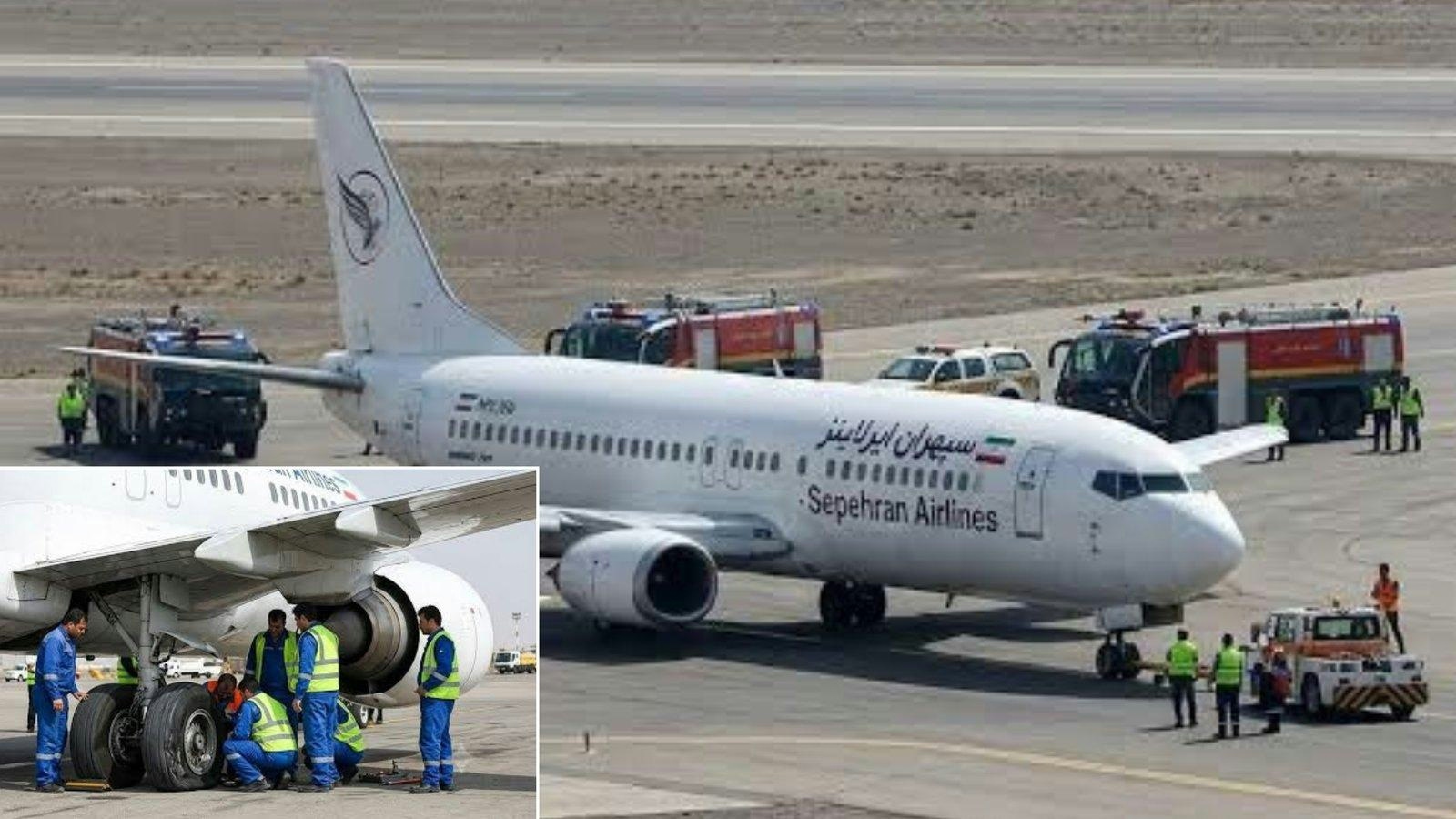
Sepehran Airlines B737 Returns to Mashhad After Tyre and Engine Issues

Etihad Deploys Widebody Fleet to Meet Strong Demand
Korean Air Finalizes $36.2 Billion Deal with Boeing
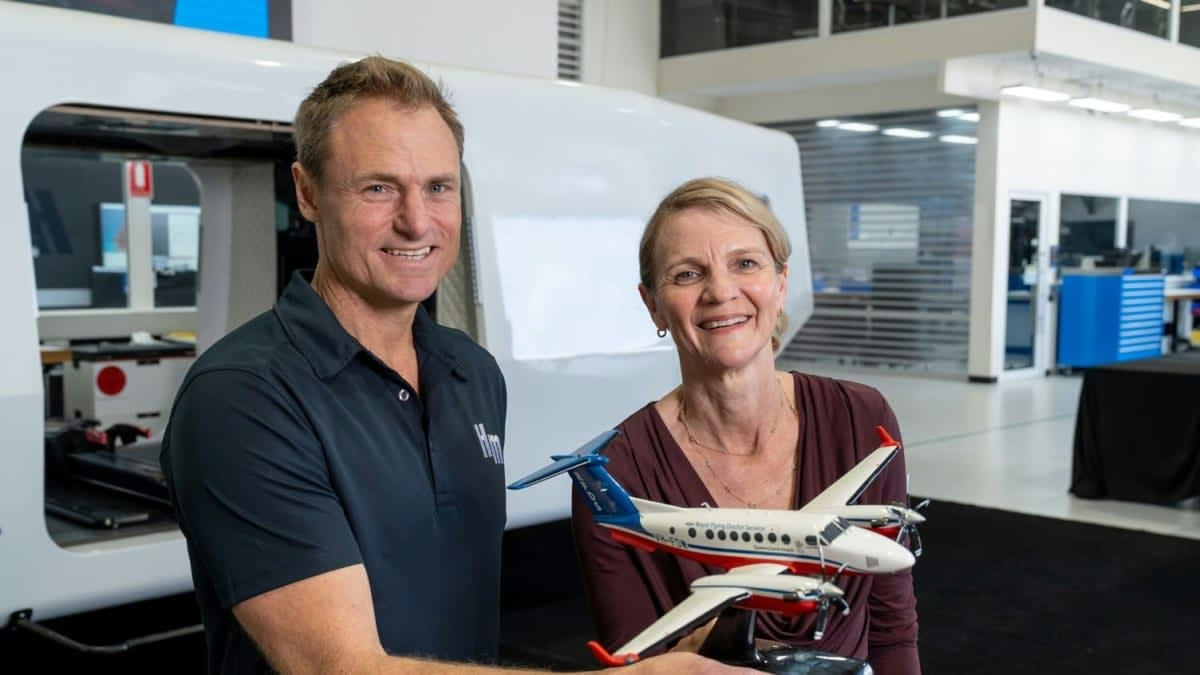
Australia’s RFDS Queensland Section Orders Six King Air 260Cs
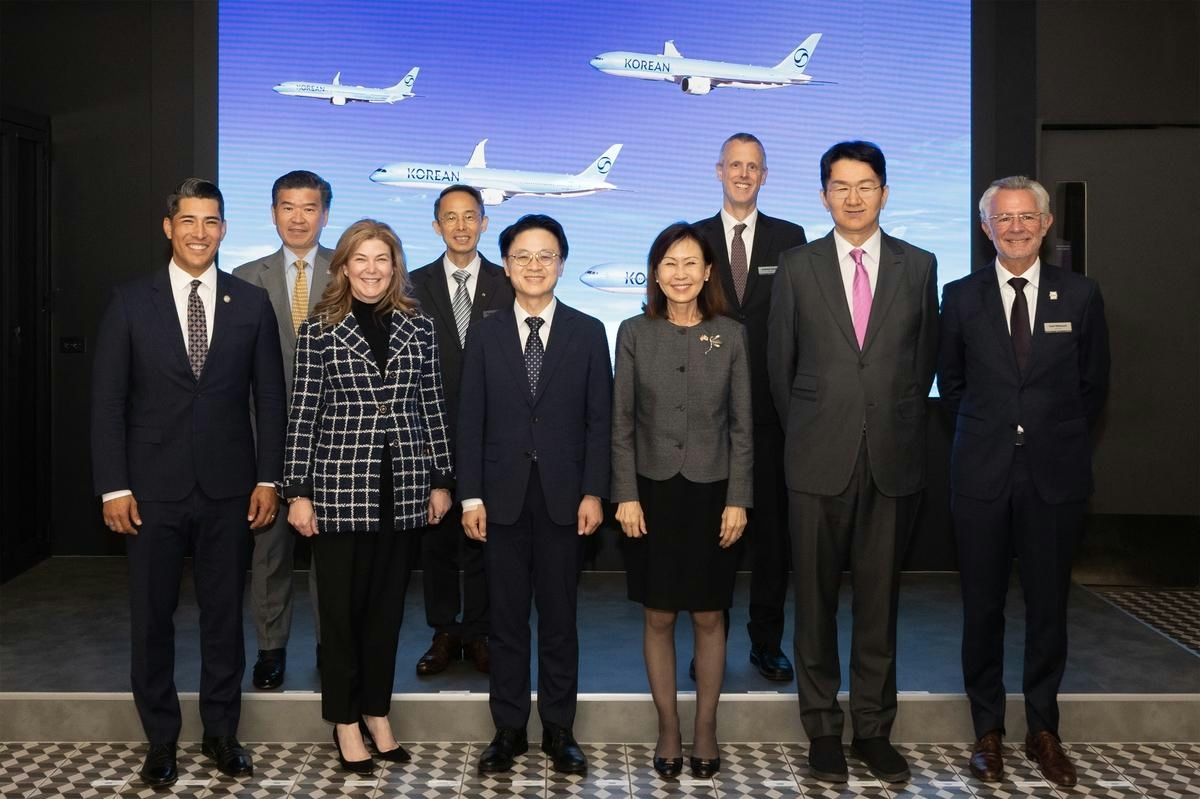
Korean Air Finalizes Order for 103 Boeing Jets and Engines
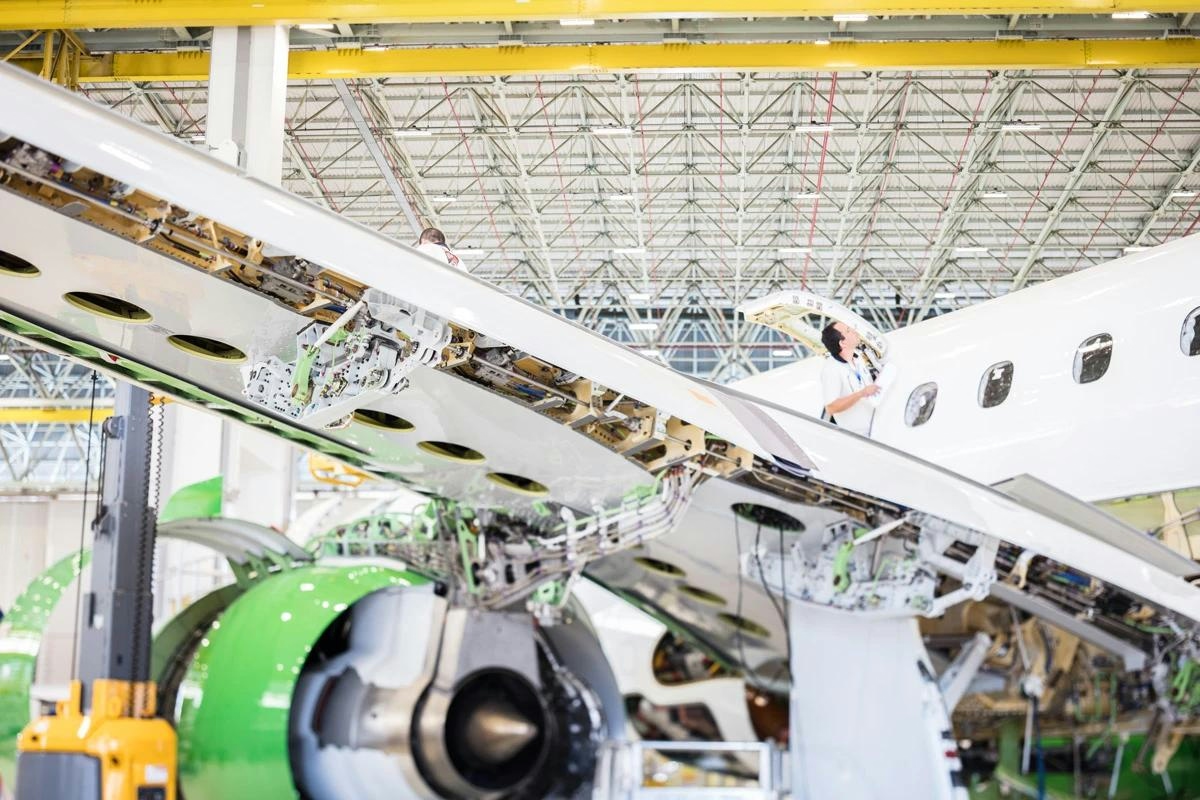
Embraer E195-E2 Features Distinctive Engine Placement Among Regional Jets
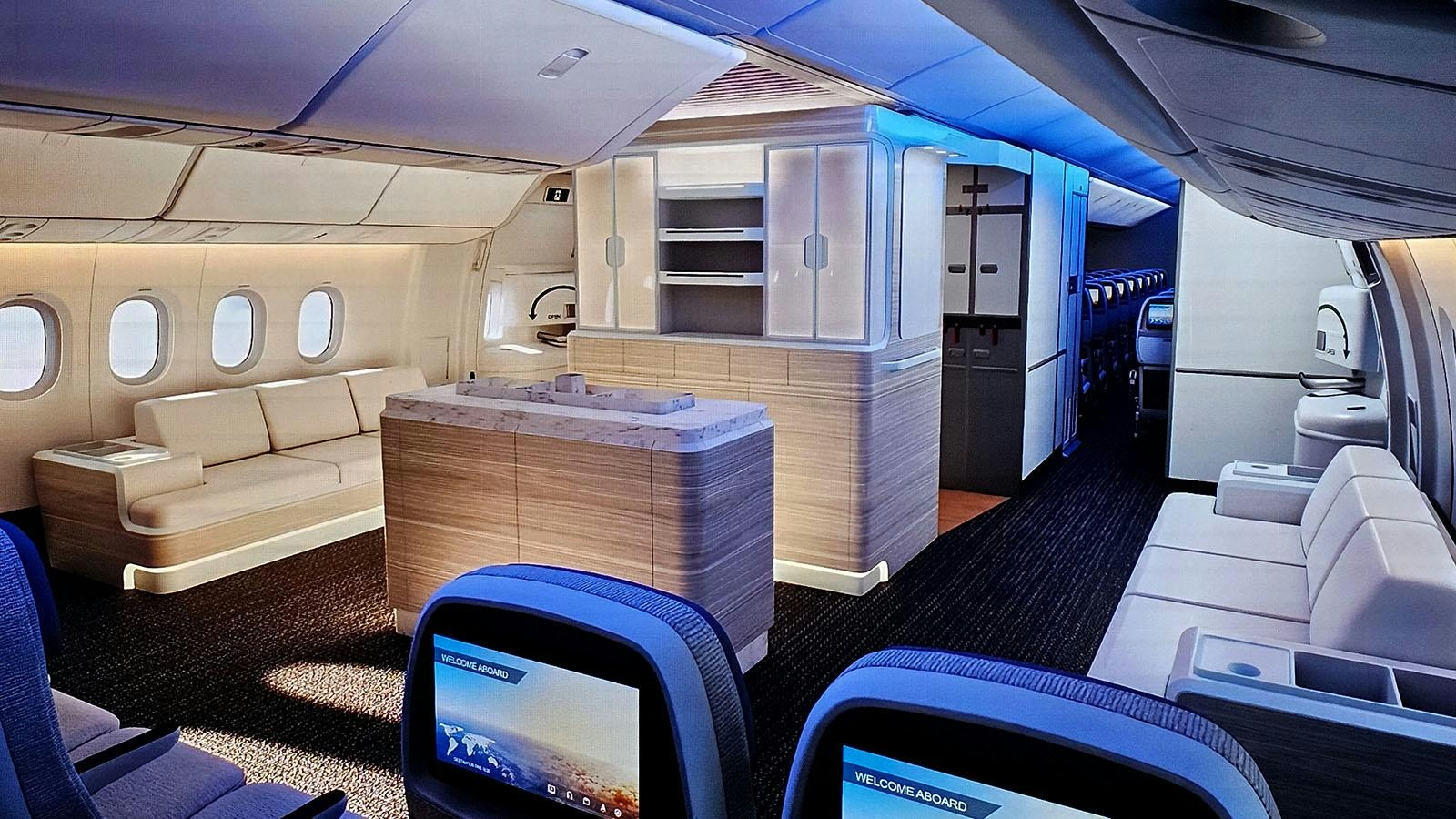
What Passengers Can Expect on Boeing’s New 777X Jet

How Ethiopian Airlines Became Africa’s Leading Carrier Amid Gulf Competition

Joby Aviation Extends Autonomous Flight Capabilities with Cross-Country Tour
