
Zet AI‑inzichten om in gerichte actie

Trending
Categories
New Alloy Withstands 3,632°F, Promises Reduced Fuel Use in Aviation and Turbines
New Alloy Withstands 3,632°F, Promises Reduced Fuel Use in Aviation and Turbines
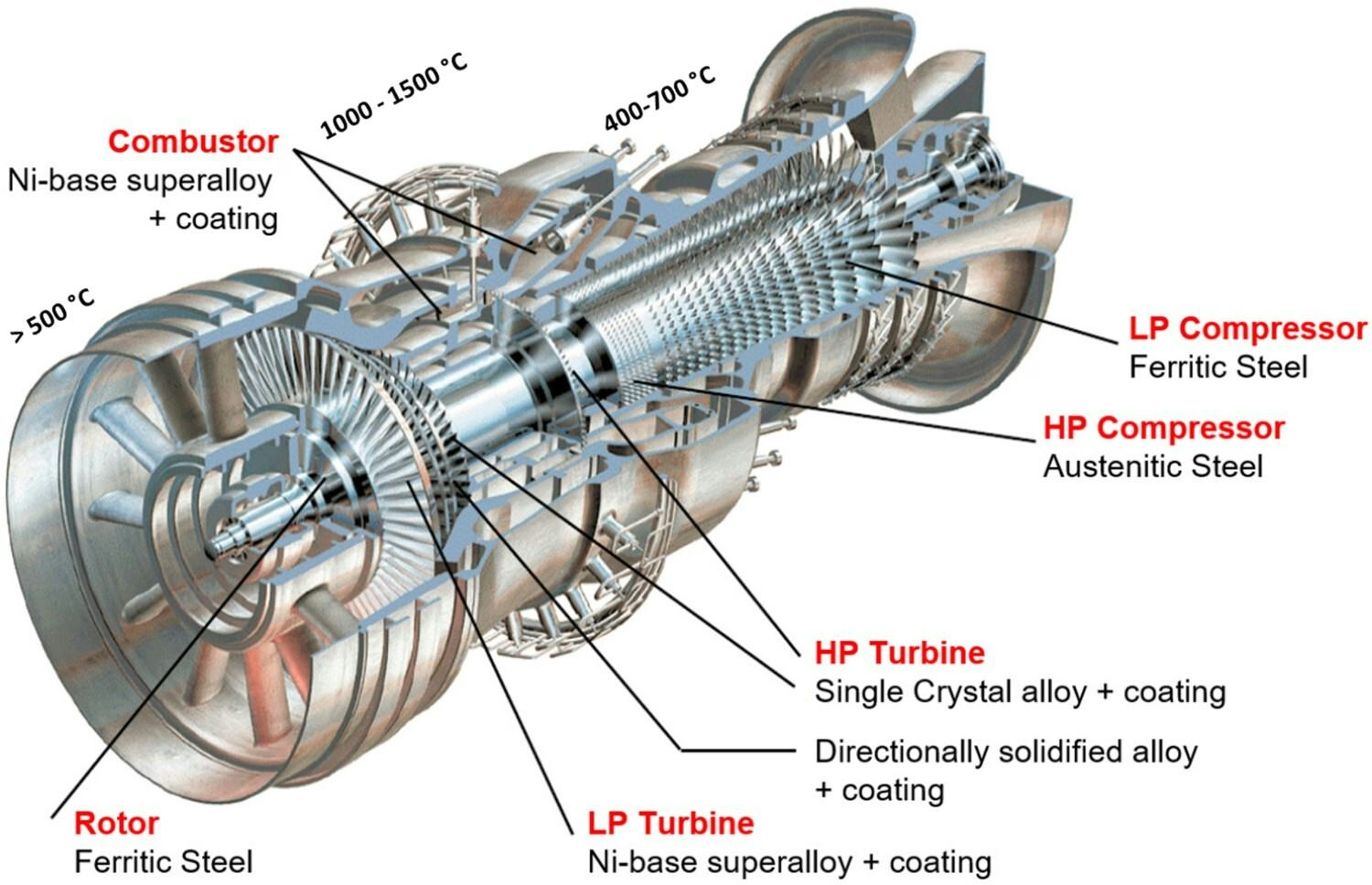
Researchers at the Karlsruhe Institute of Technology (KIT) in Germany have developed a novel alloy that could significantly impact the future of aircraft engines and gas turbines. Composed primarily of chromium, molybdenum, and silicon, this new material exhibits a melting point near 2,000°C (3,632°F), marking a substantial advancement in high-temperature stability among refractory metals.
Advancements in High-Temperature Materials
The alloy’s exceptional thermal resistance offers a combination of properties previously unseen in similar materials, potentially allowing engines to operate at much higher temperatures. This capability is critical for improving fuel efficiency and reducing emissions, objectives that are increasingly prioritized within both the aviation and energy industries. By enabling higher operating temperatures, the alloy could contribute to more sustainable and cost-effective engine performance.
Challenges and Industry Implications
Despite its promising attributes, integrating this alloy into current manufacturing processes poses significant challenges. Manufacturers will need to adapt production lines, ensure compliance with rigorous safety standards specific to aviation and turbine applications, and address the financial implications of adopting new materials. These factors represent considerable hurdles, yet the potential for reduced fuel consumption has already attracted attention from companies seeking to enhance both performance and environmental sustainability.
The development is also expected to stimulate intensified research and development efforts across the sector. Competitors may accelerate their own advanced materials programs or pursue strategic partnerships to gain access to this technology. Furthermore, additive manufacturing is being investigated as a complementary approach, particularly for managing thermal challenges in emerging electric aircraft propulsion systems. The synergy between advanced alloys and innovative manufacturing techniques could open new avenues for the design of next-generation engines.
As the industry continues to assess the practicalities of adopting this alloy, its potential to transform engine efficiency and design remains a central focus for manufacturers and researchers worldwide.

Etihad Airways Suspends Airbus A380 Flights on Key Route

Aditya Birla Group Seeks Approval for Aircraft Leasing in GIFT City

Qatar Airways Highlights Innovation and Connectivity at Arabian Travel Market 2026

Hong Kong's Five-Year Plan Includes Andrew Fan's Aircraft Parts Processing Hub Proposal

ACIA Aero Leasing Delivers ATR72-600 to Air Nostrum

RTX Appoints Jill Albertelli as Head of Pratt & Whitney

TAT Technologies Joins Beyond Aero Hydrogen Aircraft Program

AURAK Study Highlights Barriers to Air Taxi Adoption in Emerging Economies

Xiamen Air Selects Altitude for 787 Maintenance at Heathrow

Etihad and Swissport Extend Global Partnership
