
Zet AI‑inzichten om in gerichte actie

Trending
Categories
NTSB Attributes Ryanair Boeing Jet Emergency to Right Engine Problem
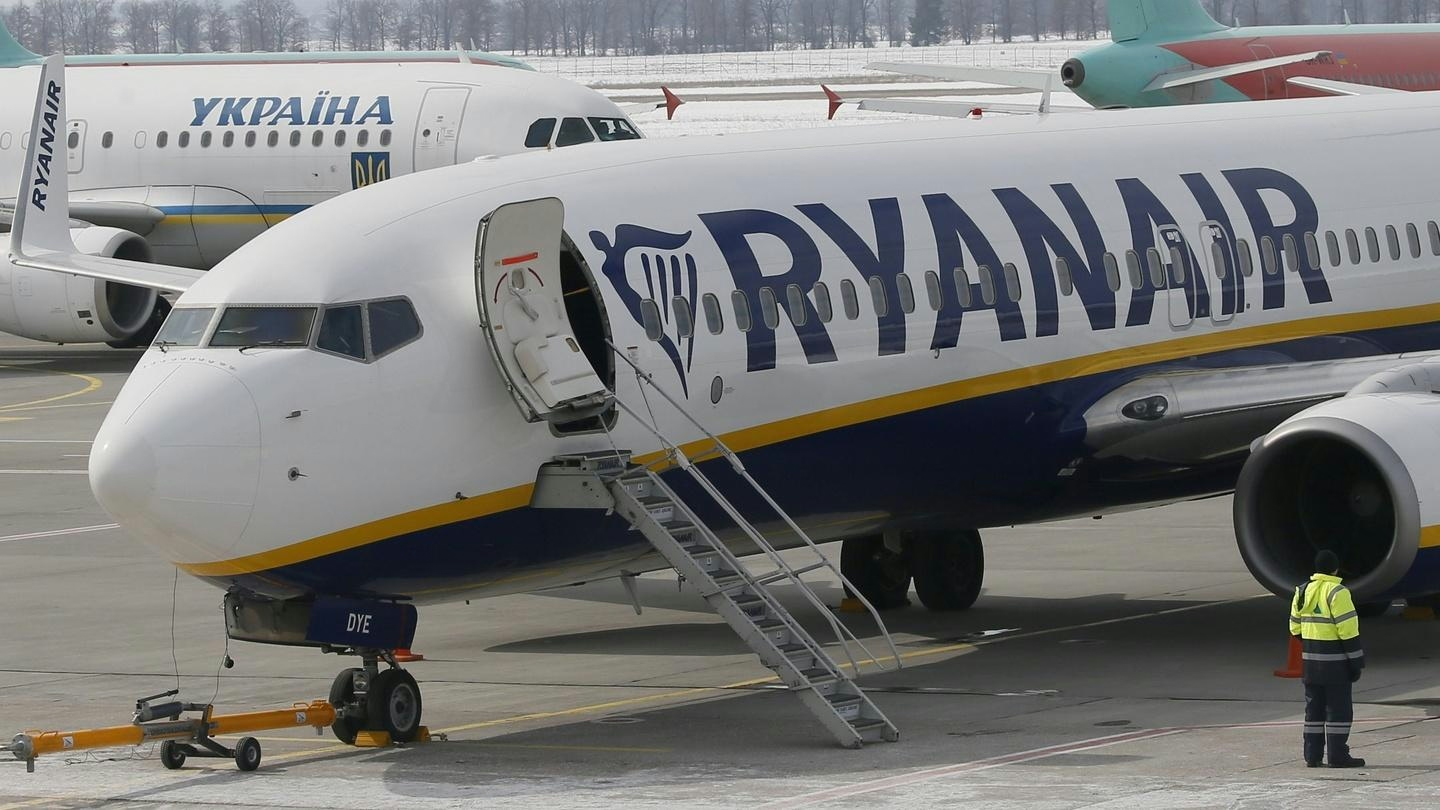
NTSB Attributes Ryanair Boeing Jet Emergency to Right Engine Problem
Emergency Landing Following Engine and Cabin Issues
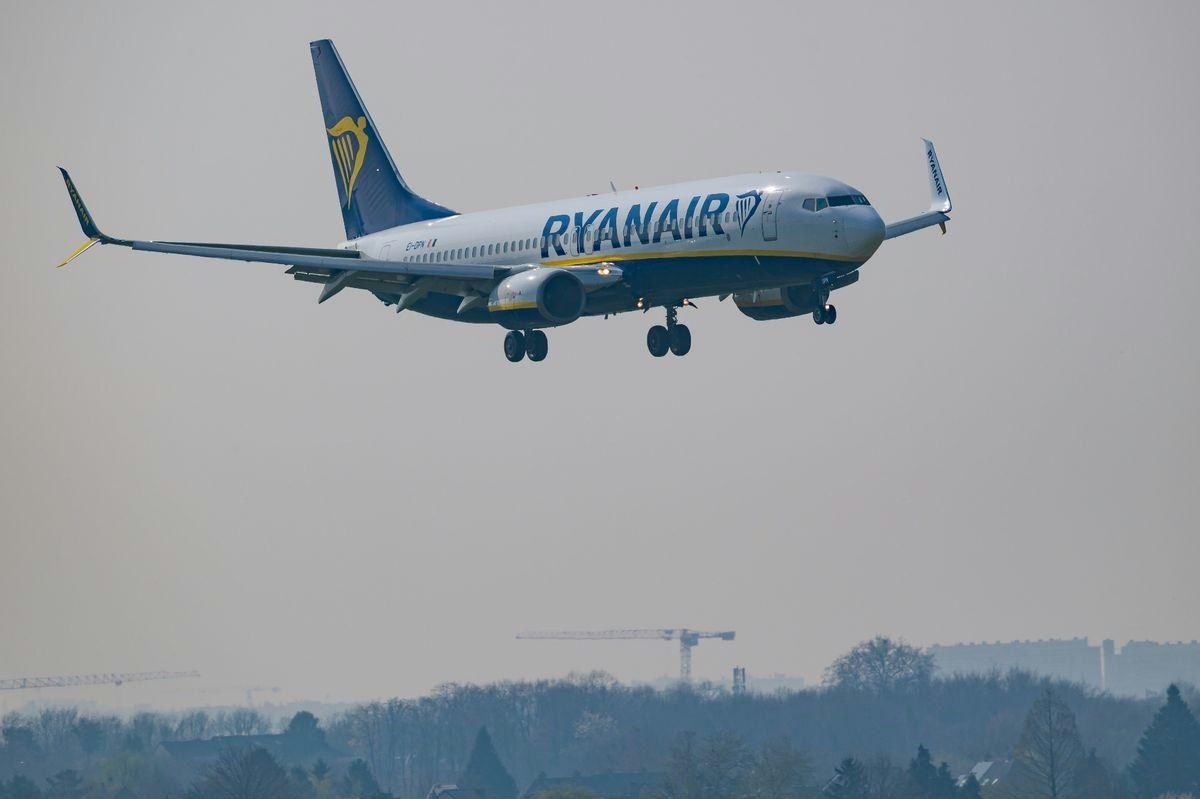
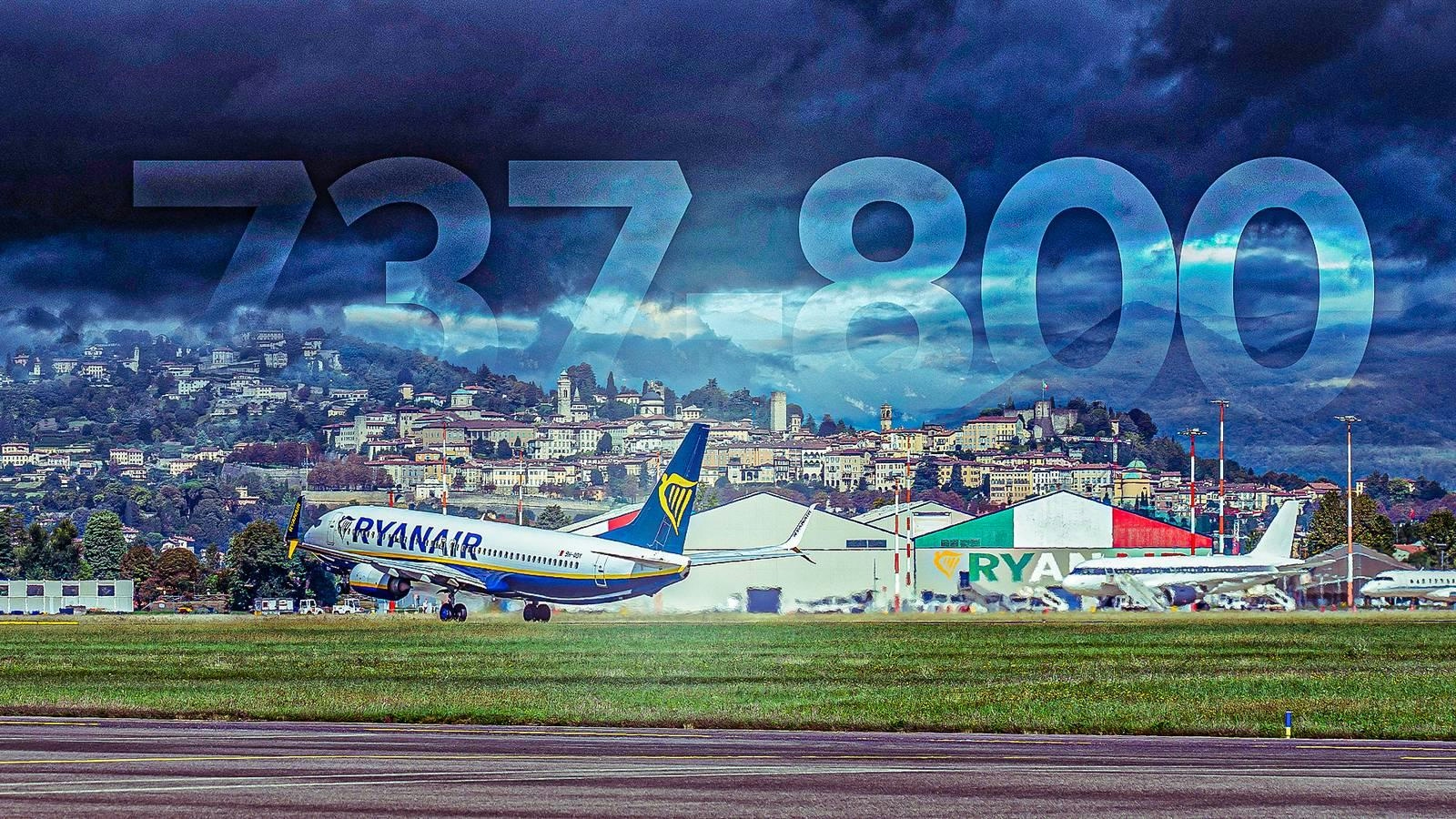
A Ryanair Boeing 737 Next Generation aircraft was compelled to execute an emergency landing shortly after departing Thessaloniki, Greece, en route to Memmingen, Germany, due to complications involving the right engine, cabin decompression, and a dislodged passenger window. The incident, which occurred on Friday morning, prompted the deployment of oxygen masks and a swift return to Thessaloniki. The flight, operated by Malta Air—a Ryanair subsidiary—landed safely, with one passenger requiring medical attention on the ground. The airline has not disclosed details regarding the passenger’s condition.
Local reports from Greece described a loud noise preceding the window’s detachment. Witnesses recounted a distressing moment when a Serbian man in his 60s was partially pulled out of the aircraft through the broken window before being rescued by fellow passengers. This harrowing episode highlights the critical importance of stringent safety inspections, particularly concerning engine maintenance and cabin integrity.
Investigation and Industry Response
The U.S. National Transportation Safety Board (NTSB) confirmed it was notified by the Aircraft Accident and Incident Investigation Committee of the Republic of North Macedonia, as the incident likely occurred within North Macedonian airspace. The NTSB indicated that the flight’s return was due to a right engine malfunction and cabin decompression. North Macedonia will lead the investigation, with the NTSB appointing an accredited representative to assist alongside advisors from the Federal Aviation Administration (FAA), Boeing, and General Electric Aerospace, the engine manufacturer.
The FAA has expressed its readiness to support both the Hellenic Civil Aviation Authority and the NTSB throughout the investigation. Boeing, which delivered the 737 NG involved in 2008, acknowledged the incident and is maintaining communication with Ryanair. CFM International, the joint venture between GE and Safran responsible for producing engines for the 737 NG and 737 MAX, has also pledged full cooperation and expressed concern for those affected.
Implications for Ryanair and the Aviation Industry
This emergency landing has intensified scrutiny on engine maintenance and safety protocols within the airline industry. Observers suggest that Ryanair’s maintenance practices and safety measures may face increased examination, potentially influencing the airline’s reputation and operational expenses. Competitors may respond by reinforcing their own safety inspections and adherence to engine maintenance standards to mitigate the risk of similar incidents.
Ryanair, Europe’s largest low-cost carrier, operates a fleet exceeding 400 Boeing 737 NG aircraft and over 200 737 MAX 8-200 “Gamechanger” jets, with an additional 300 Boeing 737 MAX 10 planes on order. While some reports speculate that engine component failure may have contributed to the incident, the event underscores the ongoing necessity for airlines to uphold rigorous safety standards and comprehensive inspection regimes to safeguard passenger well-being.
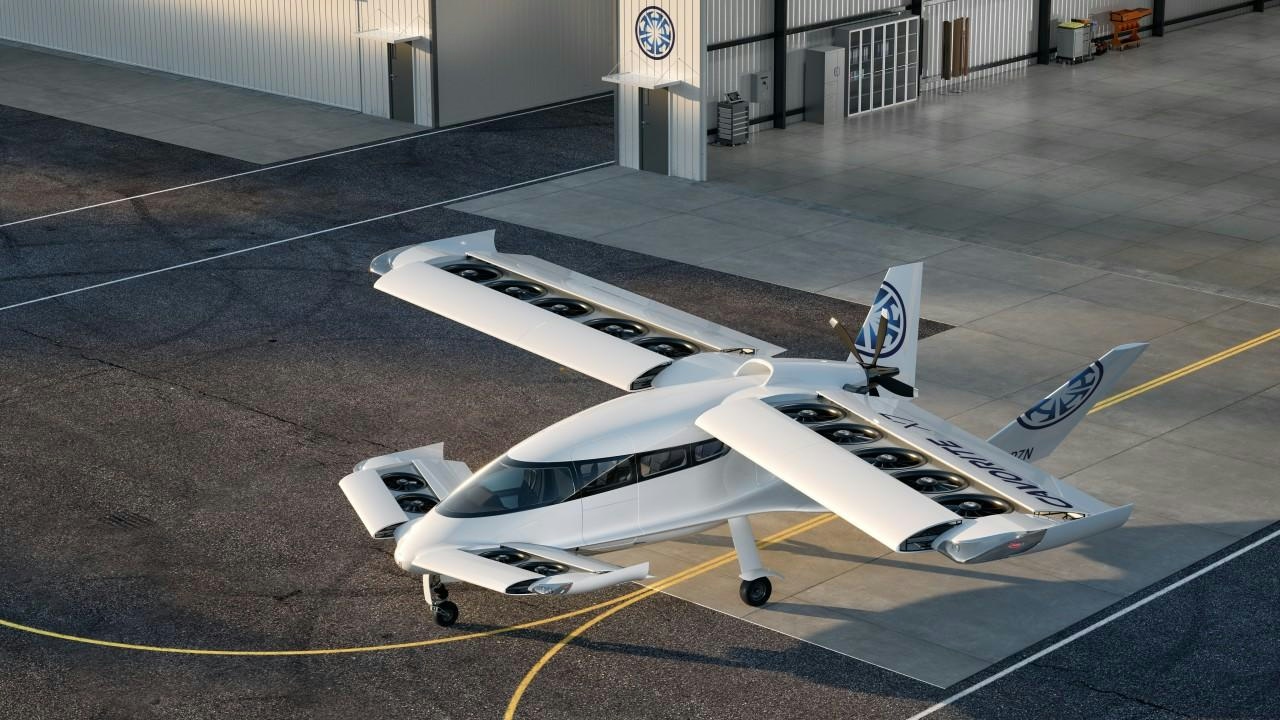
California Developers Construct Vertiports Ahead of Air Taxi Approval
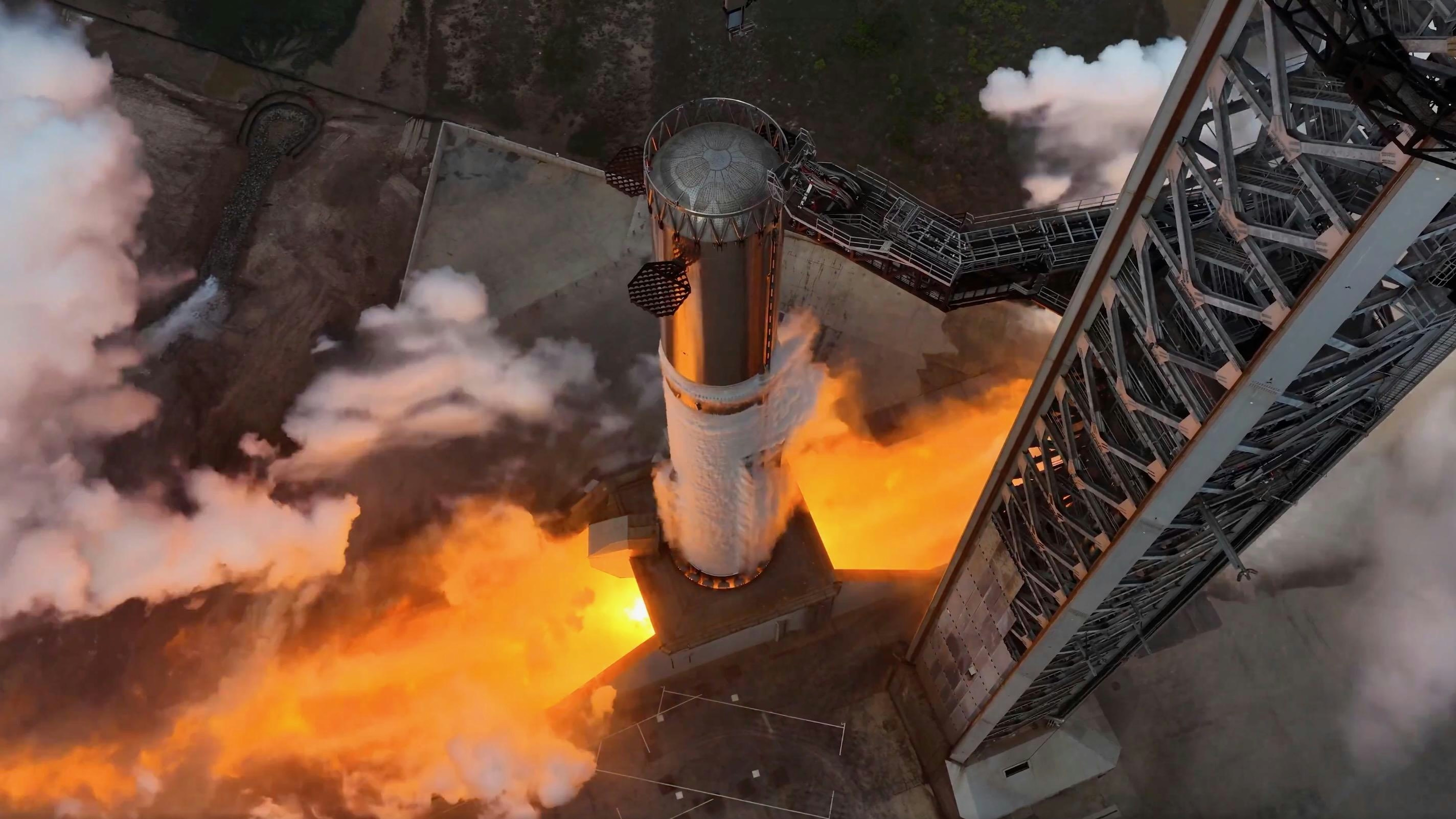
SpaceX Fires All 33 Engines in Starship Booster Test Ahead of Flight 13 Launch

Beta Completes Initial Test Flights in U.S. Air Taxi Pilot Program

Kenya Airways Reclaims Boeing 777 from Turkish Airlines
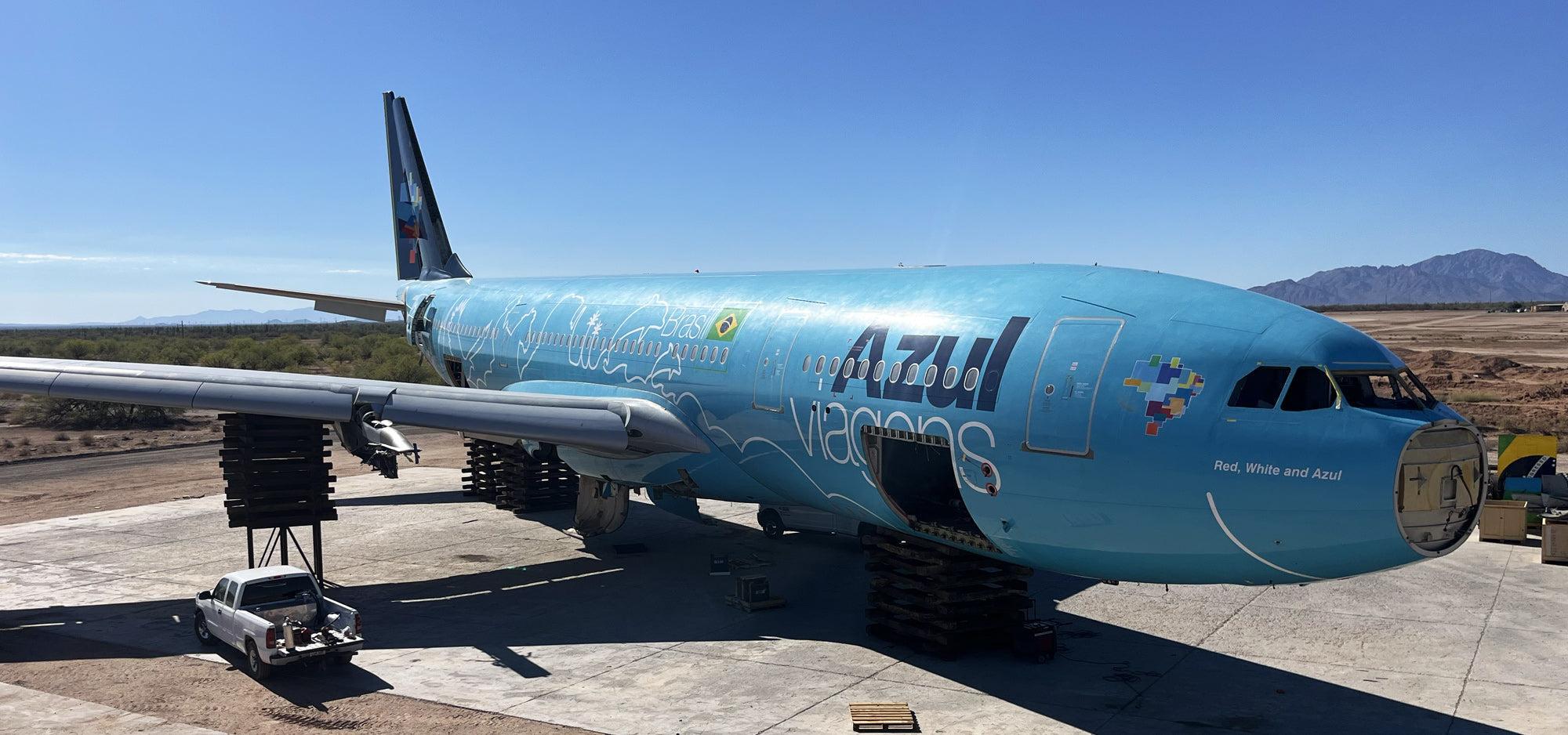
Azul Airlines and Major Carriers Revamp Widebody Fleets to Cut Costs and Expand Long-Haul Routes
Farnborough 2026 Highlights eVTOLs and Aircraft Innovation
Delta’s AI Assistant and Simplified Rebooking Improve Customer Satisfaction
Passenger Partially Ejected from Ryanair 737 Flight
Ryanair Passenger Injured After Midair Engine Failure Causes Cabin Window Damage
Airbus Develops Engine Aiming to Eliminate Aircraft Emissions
