
Zet AI‑inzichten om in gerichte actie

Trending
Categories
Reaching the Core of an Aircraft
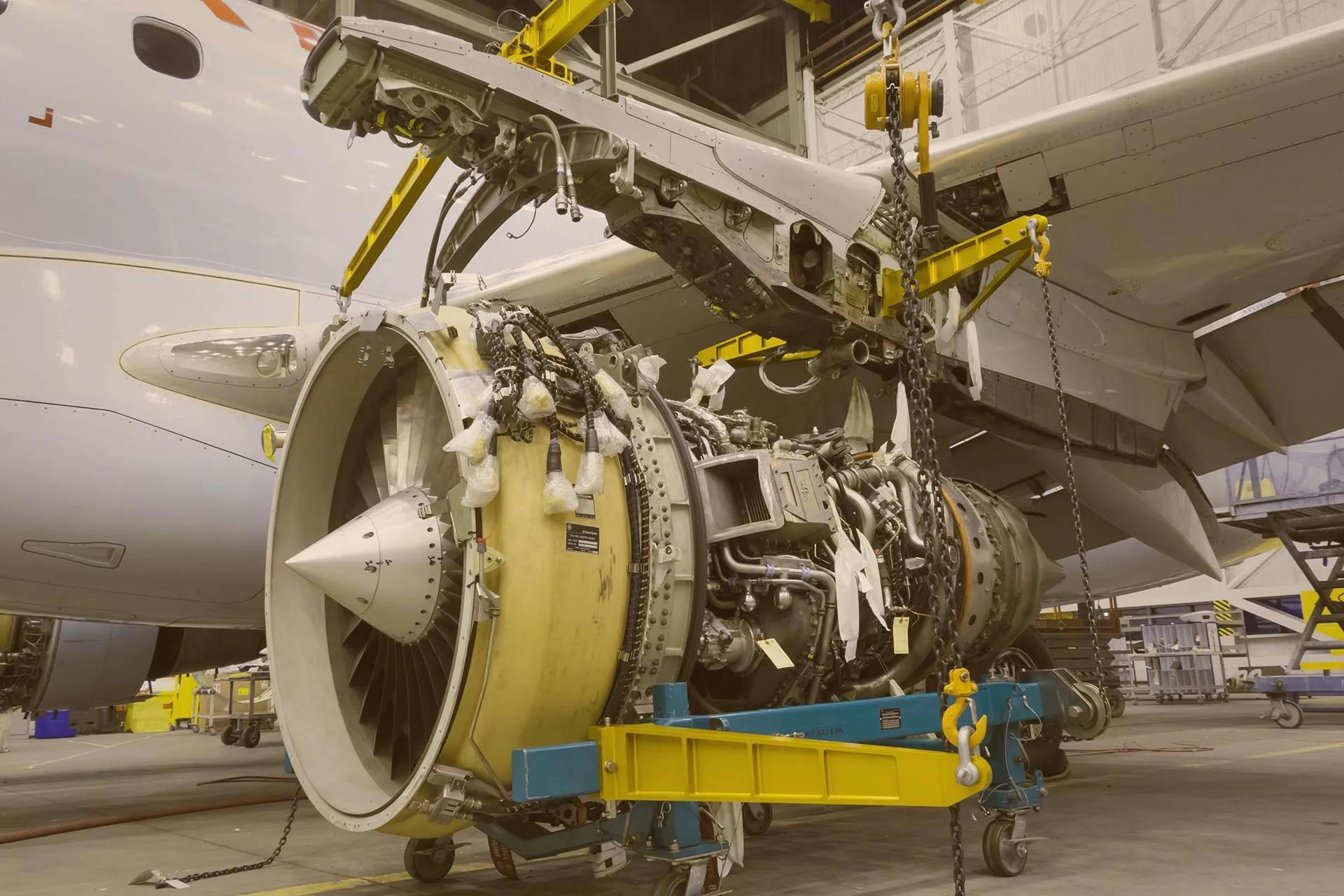
Reaching the Core of an Aircraft
From Humble Beginnings to Aviation Pioneer
Shan Xiaoming stands among China’s foremost aero-engine designers, having played a crucial role in advancing aircraft propulsion systems. Her path to this position, however, began far from the aerospace industry. Born in May 1965 in a small township in Guizhou province, Shan was raised in a family with no connection to aviation. Her father, a retired soldier, worked in local government, while her mother was employed at a food store. Reflecting on her early years, Shan notes, “Neither my parents, my brother, my two sisters nor I knew anything about aircraft.”
Despite these modest origins, Shan excelled academically, consistently ranking at the top of her class while assisting her family with farm work. In 1984, after completing the national college entrance examination, she faced the challenge of selecting a major without any prior exposure to the field. A single phrase in the Nanjing University of Aeronautics and Astronautics (NUAA) brochure—“Aero-engine is the heart of the aircraft”—captivated her imagination. “I thought to myself: I don’t know anything about it, but the ‘heart of an aircraft’ sounds really cool! So I decided right then: that’s the major I’m going to study,” she recalls.
Building a Career in Aero-Engine Design
At NUAA, Shan met her future husband, also a gifted student. After completing their bachelor’s degrees, he was assigned to an aero-engine factory in Zhuzhou, Hunan province, while Shan pursued a master’s degree at NUAA. Upon graduating in 1991, she declined offers from major cities and chose instead to join the Hunan Aviation Powerplant Research Institute in Zhuzhou. There, she embarked on her career in aero-engine design and testing, focusing on engine control technology—a specialization closely aligned with her postgraduate studies.
Over the next decade, Shan dedicated herself to engine testing and experimentation, steadily advancing to team leader and subsequently deputy chief designer for testing and metrology. In 2008, when the institute partnered with France’s Turbomeca (now Safran Helicopter Engines) to develop the WZ-16 turboshaft engine for medium-sized helicopters such as the AC352, Shan’s technical expertise and proficiency in English secured her the role of deputy chief designer for the program.
Navigating a Transforming Aerospace Landscape
Shan’s career has unfolded amid a rapidly evolving aerospace industry. The global expansion of C4ISR (Command, Control, Communications, Computers, and Intelligence, Surveillance, and Reconnaissance) aircraft has intensified the focus on situational awareness, fueling significant growth and new opportunities within the military aircraft sector. This trend is underscored by market forecasts and a 71% surge in aircraft orders in January 2026, reflecting renewed confidence in the industry. Meanwhile, commercial airlines such as JetBlue confront challenges stemming from fleet limitations, airport slot constraints, and heightened competition, even as the broader aerospace sector experiences a recovery.
Amid these complexities, Shan’s journey from a small-town student to a leader in aero-engine innovation exemplifies both personal determination and the dynamic transformations shaping the core of modern aviation.

Why AI Trustworthiness Depends on Its Surrounding Systems
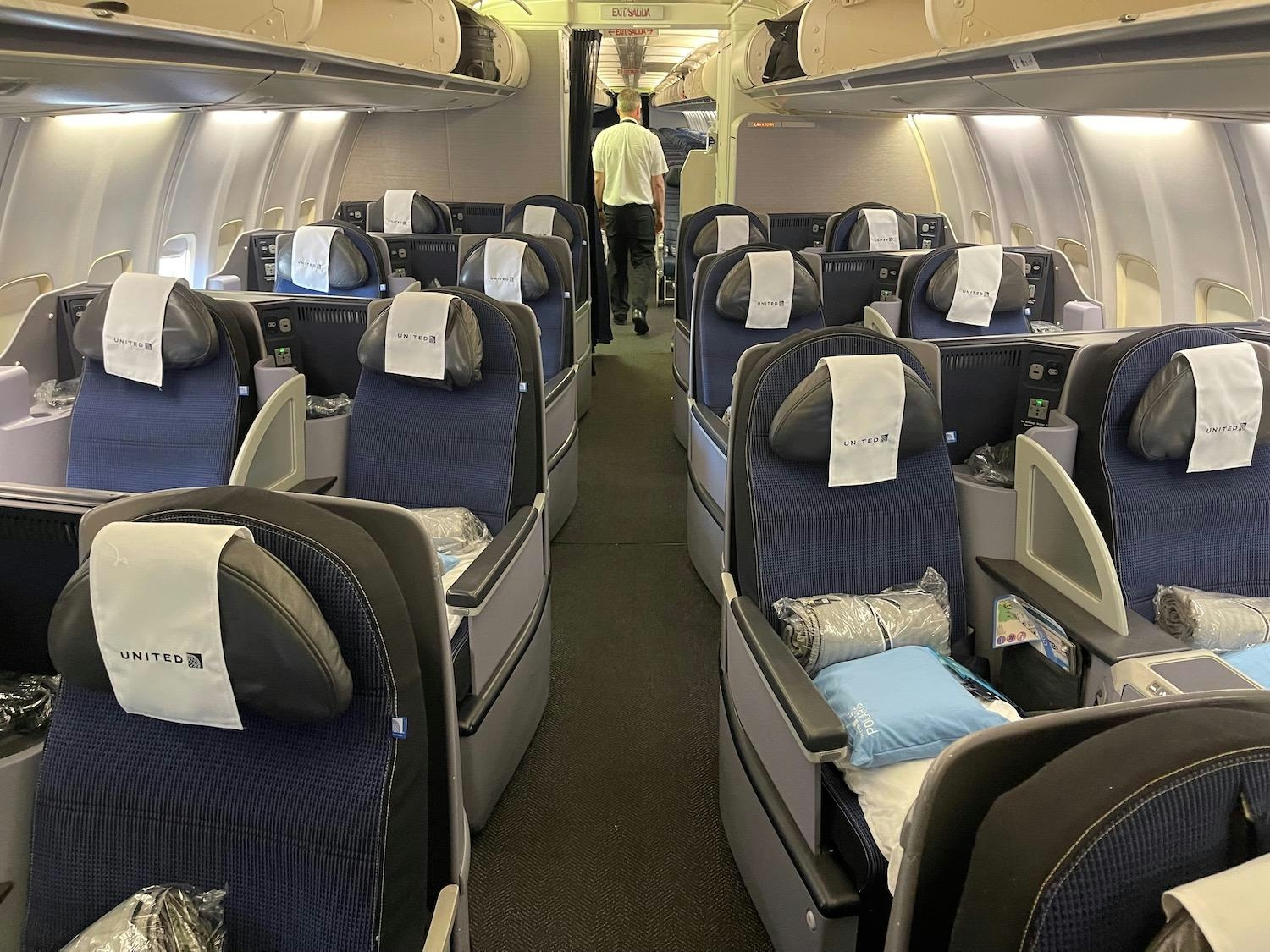
United Airlines’ Lie-Flat Boeing 757 Dominated Premium Transcontinental Routes and Its Upcoming Replacement
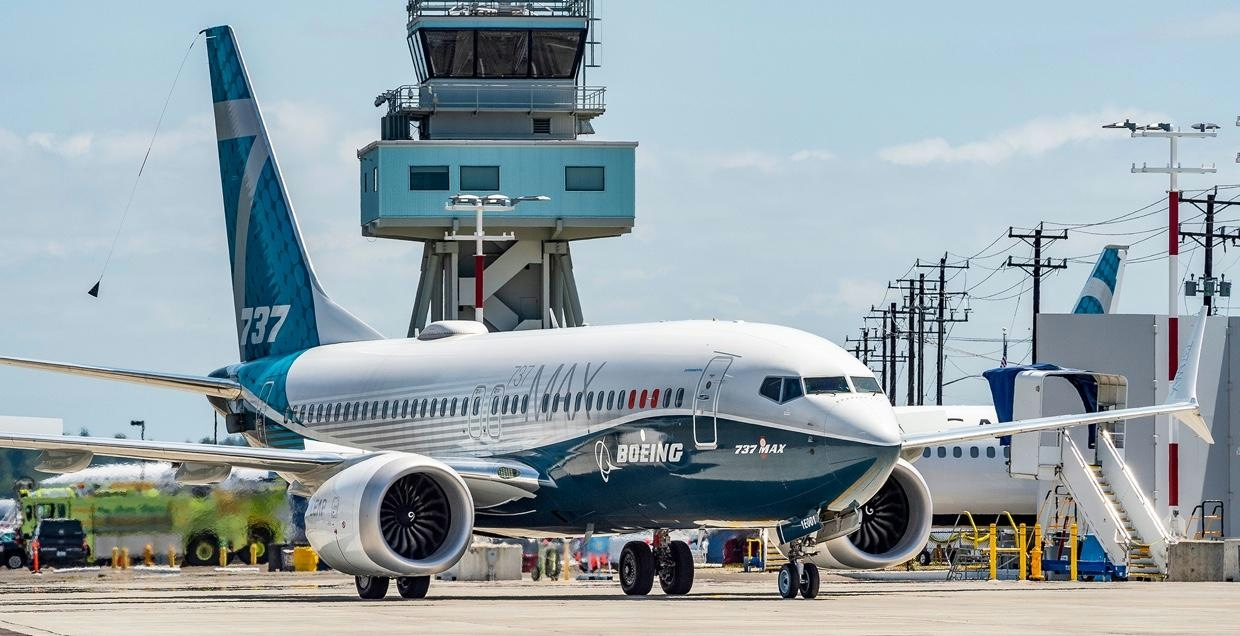
Boeing Completes Flight Tests for 737 MAX 7 and MAX 10, Aiming for 2027 Deliveries
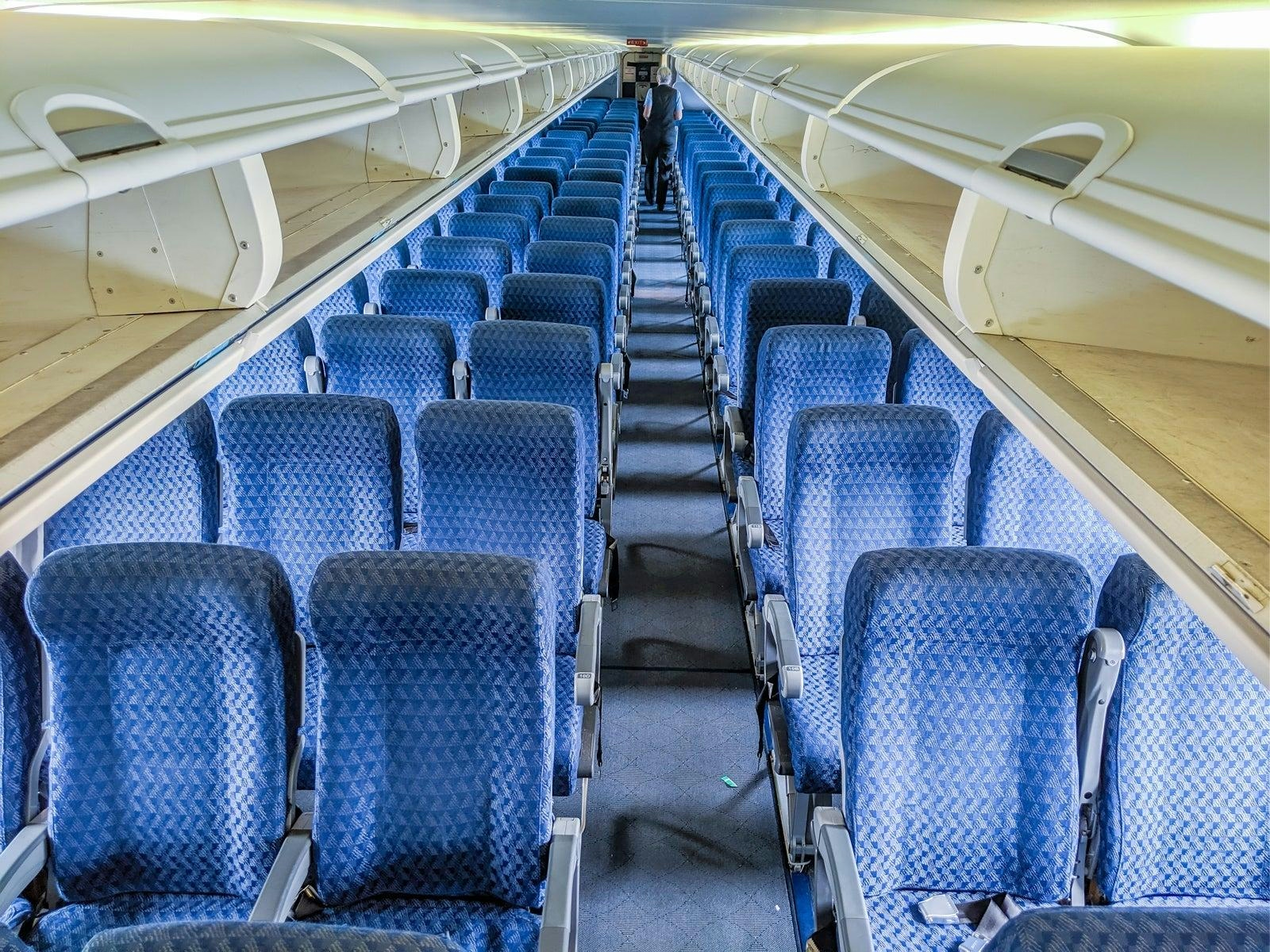
Why the McDonnell Douglas MD-80 Outlasted Its Successor

Alaska Airlines Expands Freighter Fleet to Nine Boeing 737-800BCFs
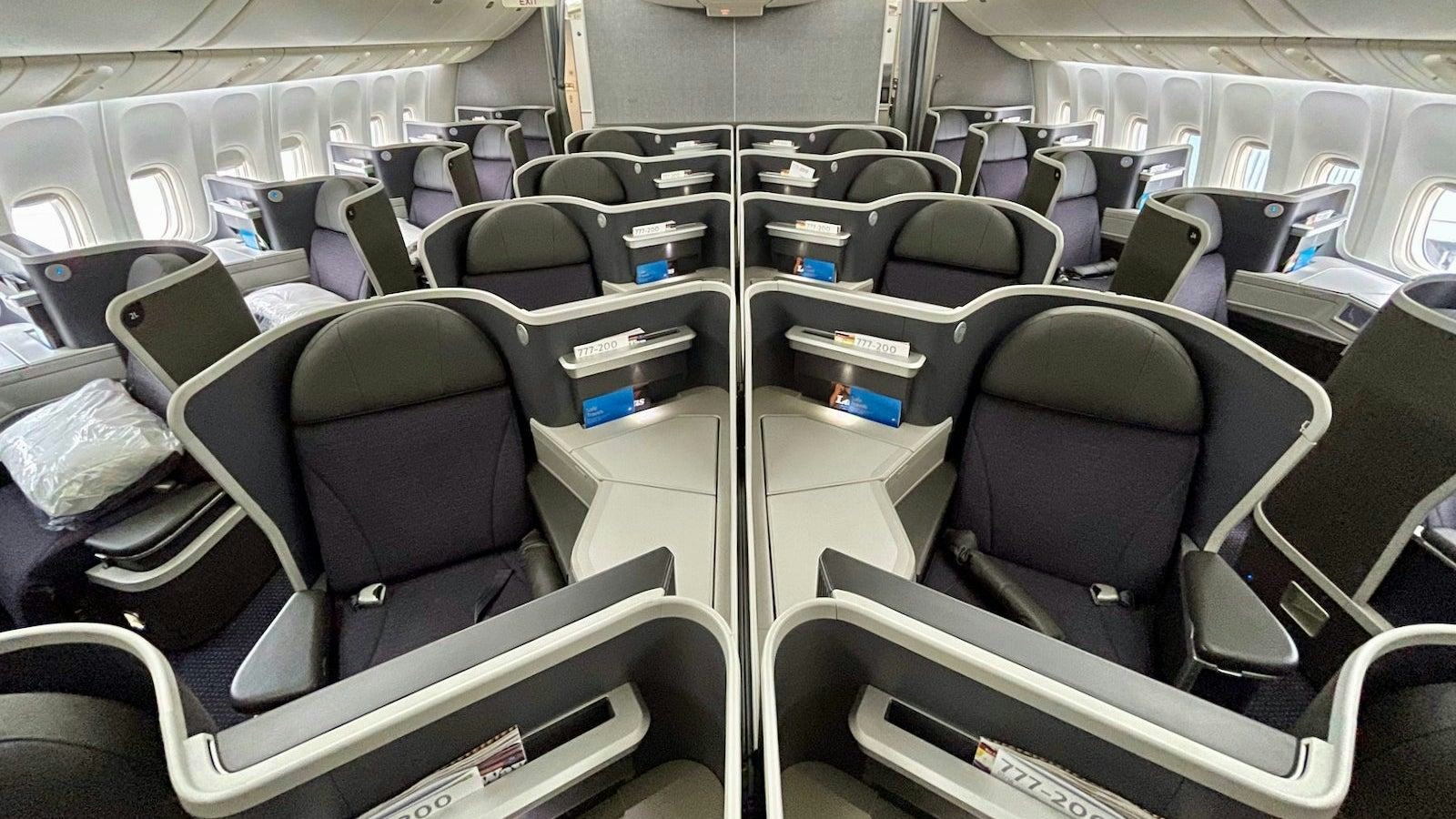
American Airlines Plans Widebody Aircraft Order to Boost Profits

How Airports Can Use AI to Improve Decision-Making
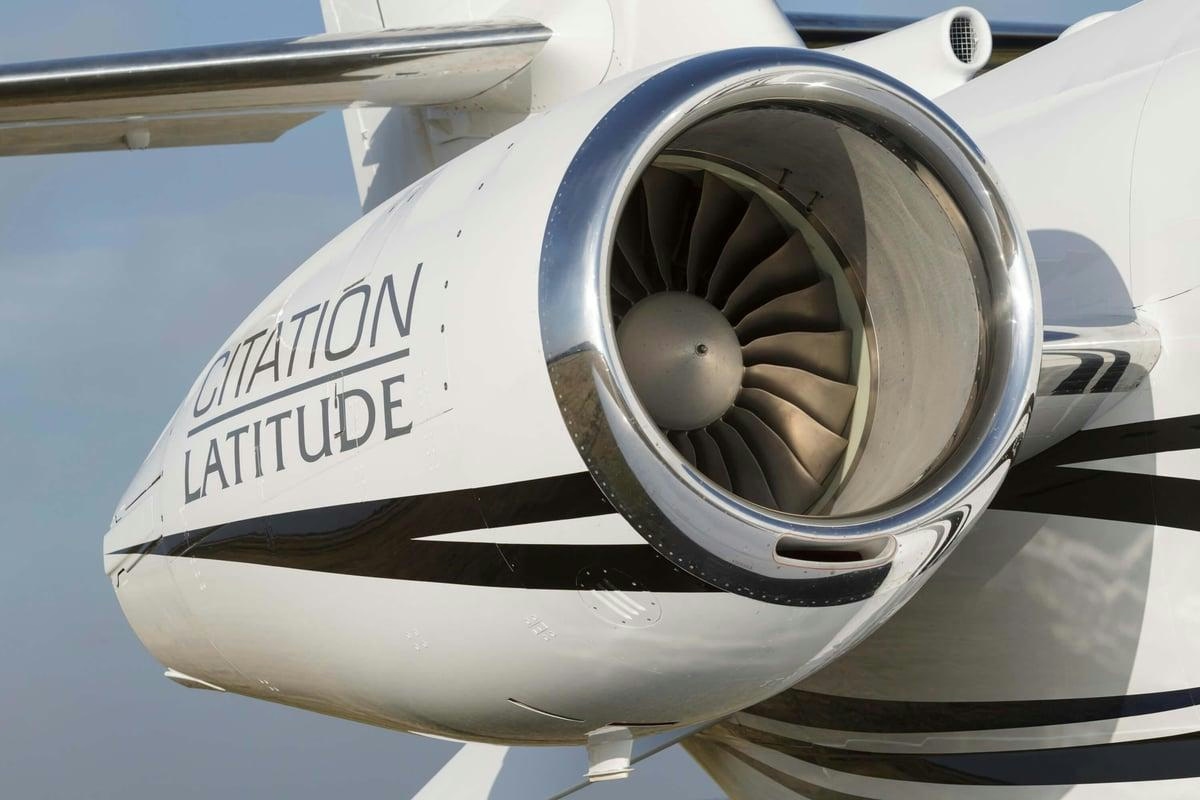
Textron Cites Workforce Challenges in Jet Delivery Delays
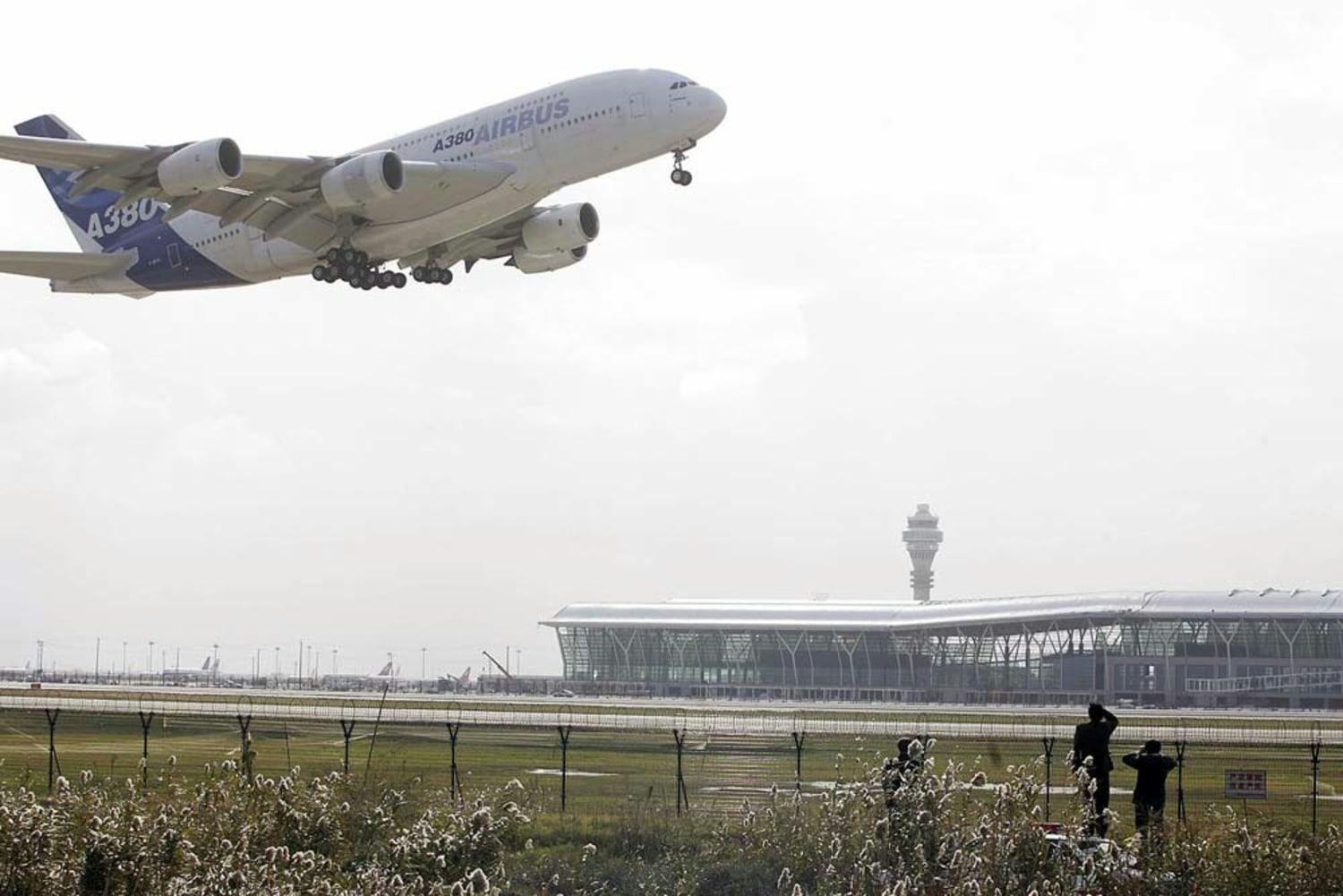
A380 Flight to China Delayed by 10 Hours

Ryanair Expands Partnership with AWS on AI Initiatives
