
Zet AI‑inzichten om in gerichte actie

Trending
Categories
Russia Tests Car Gasoline in Small Planes Amid Aviation Fuel Shortage
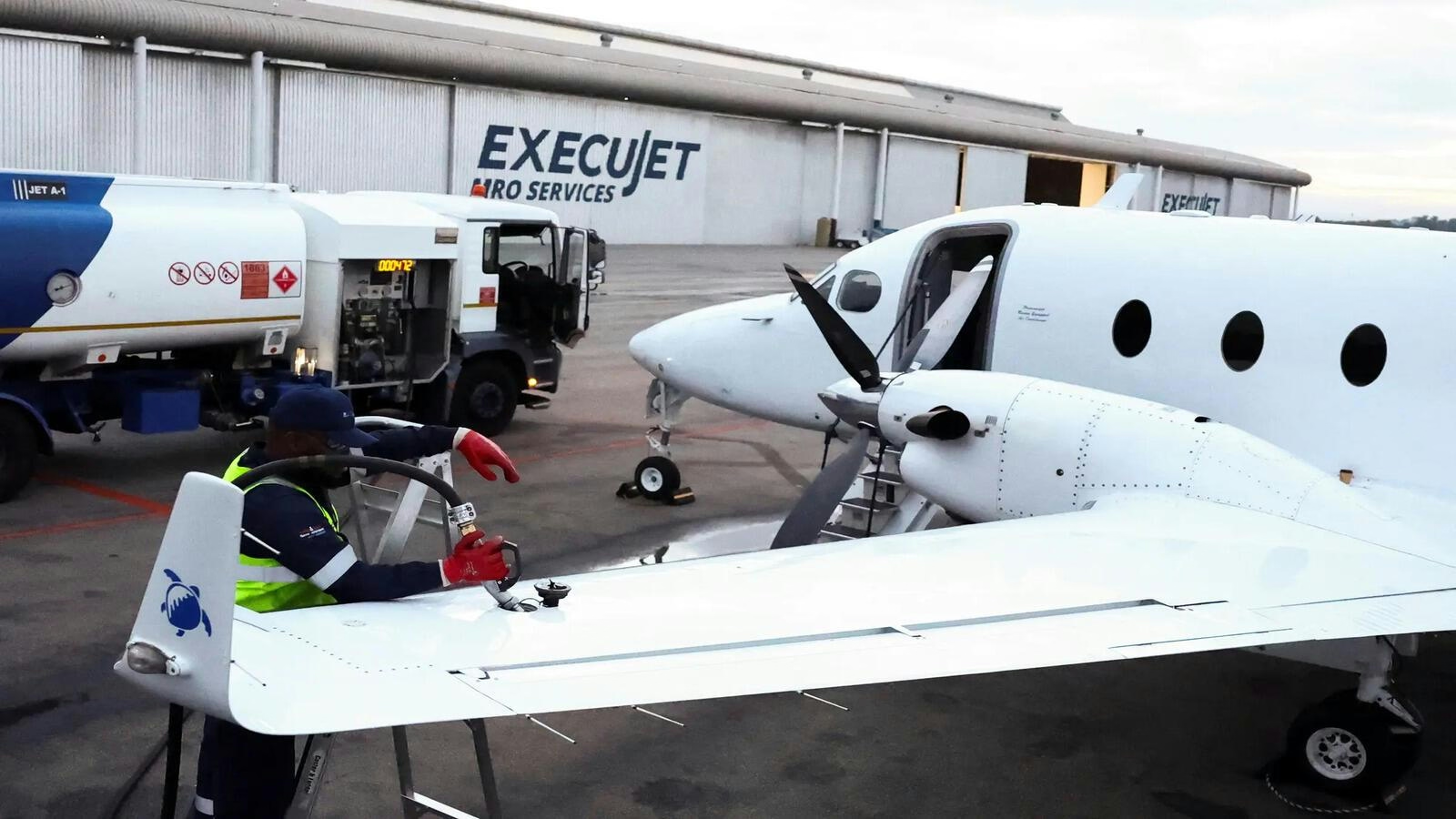
Russia Tests Automobile Gasoline in Small Aircraft Amid Aviation Fuel Shortage
Operators of light aircraft in Russia have begun experimenting with automobile gasoline as a substitute for traditional aviation fuel, responding to a growing scarcity and rising cost of aviation gasoline. According to a report by Russian media outlet Kommersant on June 22, the shortage is severely impacting the country’s small aviation sector. Several companies have already conducted test flights using lower-grade fuels, amid concerns that aviation gasoline supplies may become even more constrained in the coming months.
Causes and Impact of the Fuel Shortage
The current fuel crisis has been intensified by the Russian government’s ongoing ban on jet fuel exports, which is scheduled to remain in place until late November. Additionally, Ukrainian drone strikes targeting oil refineries and energy infrastructure have further disrupted fuel production and distribution. These attacks have led to gasoline rationing in regions such as Russian-controlled Crimea and have placed additional pressure on fuel availability across the country. Consequently, prices for alternative fuels used in small aircraft have surged, compelling operators to seek unconventional solutions to maintain flight operations.
In response to the crisis, the association representing An-2 aircraft operators has called for government intervention to regulate the prices of aviation kerosene and gasoline. The group intends to submit a formal appeal to Russia’s Transport Ministry by the end of June. Vladimir Antonov, president of the association, emphasized that fuel expenses constitute a disproportionately large share of operating costs for small aviation companies compared to major passenger airlines, thereby undermining the economic viability of their services and reducing demand.
Adaptations and Risks in Fuel Usage
Dmitry Toropov, CEO of LightAir, highlighted that access to aviation gasoline for small aircraft in Russia “has always been bad, but now it is getting worse.” At major airports, aviation gasoline is reportedly available only through select partners in cities such as Ufa and Volgograd. In other regions, operators are compelled either to transport fuel independently or rely on private flying clubs for supply.
Amid these challenges, some operators have begun using automobile gasoline as an alternative fuel source. Vadim Tsyganash, executive director of the aviation works association, noted that Russia’s aviation regulator has relaxed fuel supply requirements for light aircraft. With an official assessment certificate, certain planes are now permitted to use automobile gasoline instead of aviation-grade fuel. Some operators have replaced Rotax-912 engines with Chinese C100 analogues and initiated test flights using Euro-3 automobile gasoline. Early results from these tests indicate no immediate adverse effects on engine performance, although the limited accumulated flight time precludes definitive conclusions.
Nevertheless, experts caution that the use of unsuitable fuels can lead to engine detonation, diminished thrust, and accelerated contamination of exhaust systems. Industry participants estimate that aviation gasoline reserves in some Russian regions may last only one to one and a half months, while operators still face approximately four more months of agricultural aviation activity—much of which may now rely on Euro-3 gasoline.
Economic and Operational Consequences
Fuel costs can represent up to 30 percent of airline operating expenses. Sergey Alexandrovsky, CEO of Aeroflot, recently reported a 7 percent increase in the company’s fueling costs since the beginning of the year. According to Russia’s civil aviation register for 2026, there are currently 853 An-2 aircraft registered in the country. Amid persistent fuel shortages and unsuccessful attempts to develop a modern replacement, Russian authorities are reportedly considering the restoration of up to 700 Soviet-era An-2 aircraft currently held in storage.

Etihad and Swissport Extend Global Partnership
Sepehran Airlines B737 Returns to Mashhad After Tyre and Engine Issues

Etihad Deploys Widebody Fleet to Meet Strong Demand

Korean Air Finalizes $36.2 Billion Deal with Boeing

Australia’s RFDS Queensland Section Orders Six King Air 260Cs

Korean Air Finalizes Order for 103 Boeing Jets and Engines

Embraer E195-E2 Features Distinctive Engine Placement Among Regional Jets

What Passengers Can Expect on Boeing’s New 777X Jet

How Ethiopian Airlines Became Africa’s Leading Carrier Amid Gulf Competition

Joby Aviation Extends Autonomous Flight Capabilities with Cross-Country Tour
