
Zet AI‑inzichten om in gerichte actie

Trending
Categories
Safran Halts FCAS Engine Development to Focus on M88 T-REX for Rafale F5
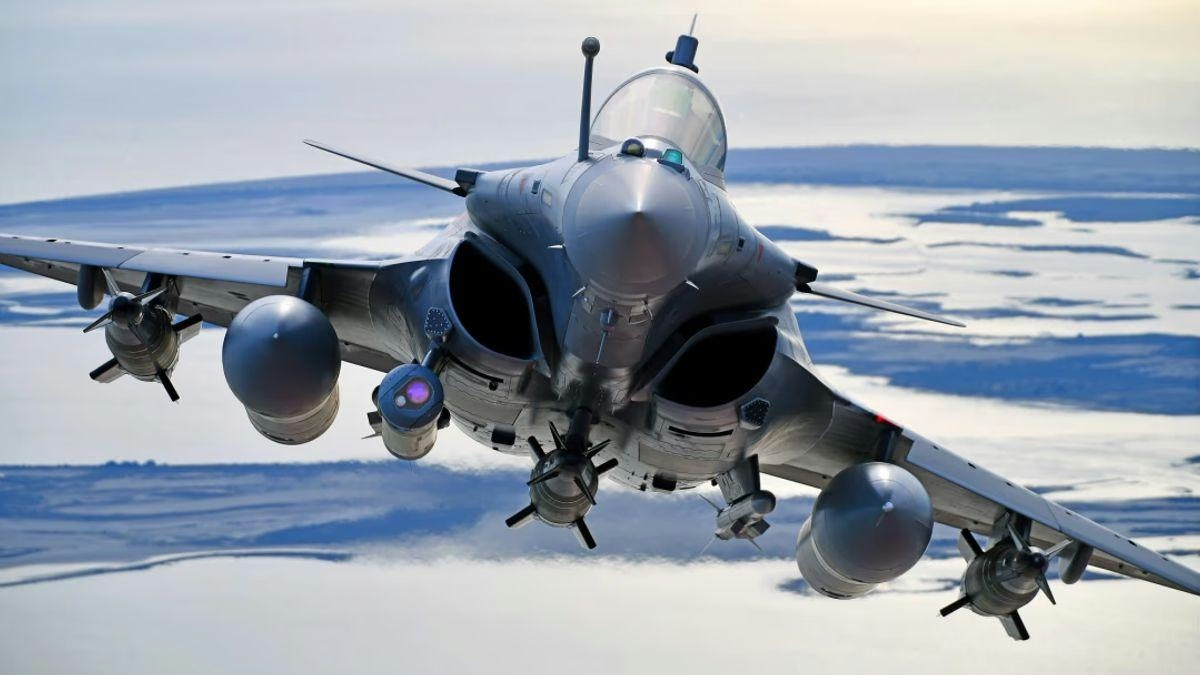
Safran Suspends FCAS Engine Development to Prioritize M88 T-REX for Rafale F5
French aerospace giant Safran has announced the suspension of its engine development efforts for the Future Combat Air System (FCAS), opting instead to concentrate its resources on advancing the M88 T-REX engine designed for the forthcoming Rafale F5 fighter jet. This strategic realignment signals a notable shift in France’s defense priorities and carries significant implications for both national and international defense initiatives.
Strategic Shift and Industry Implications
Previously engaged in a collaborative effort with Germany’s MTU Aero Engines and Spain’s ITP Aero on the Next Generation Fighter (NGF) engine for the FCAS program, Safran will cease receiving funding for this project. The company’s renewed focus on the M88 engine is viewed as critical to supporting the Rafale F5’s development, especially as France delays certain Rafale deliveries to reallocate resources toward the F5 upgrade. This decision reflects a clear pivot in France’s defense strategy, emphasizing domestic capability enhancement over multinational program commitments.
The reallocation of resources is likely to attract scrutiny from industry analysts and defense observers, who may question the potential repercussions for ongoing and future projects. The suspension of FCAS engine development risks delaying the broader FCAS program, a key pillar of European defense collaboration. Concurrently, Safran’s competitors might adjust their own development plans to capitalize on the void left by Safran’s withdrawal, potentially reshaping the competitive landscape in military propulsion technology.
National Priorities Versus International Collaboration
Safran’s decision also highlights the delicate balance between national defense imperatives and the dynamics of the global defense market. While prioritizing the M88 T-REX engine could bolster France’s domestic aerospace capabilities and ensure the timely progression of the Rafale F5, it may also strain international partnerships, particularly within the European defense framework. The move raises important questions about the future of collaborative projects and the extent to which national interests will influence multinational defense programs.
As Safran charts the course for its propulsion systems, this development underscores the complex interplay between technological innovation, resource management, and strategic defense objectives. The industry will be closely monitoring how this shift affects not only the Rafale program but also the broader trajectory of European defense cooperation.

Korean Air Finalizes $36.2 Billion Deal with Boeing

Korean Air Finalizes Order for 103 Boeing Jets and Engines

Embraer E195-E2 Features Distinctive Engine Placement Among Regional Jets

What Passengers Can Expect on Boeing’s New 777X Jet

How Ethiopian Airlines Became Africa’s Leading Carrier Amid Gulf Competition

Joby Aviation Extends Autonomous Flight Capabilities with Cross-Country Tour

Strengthening Europe's Aviation Supply Chain Amid Uncertainty
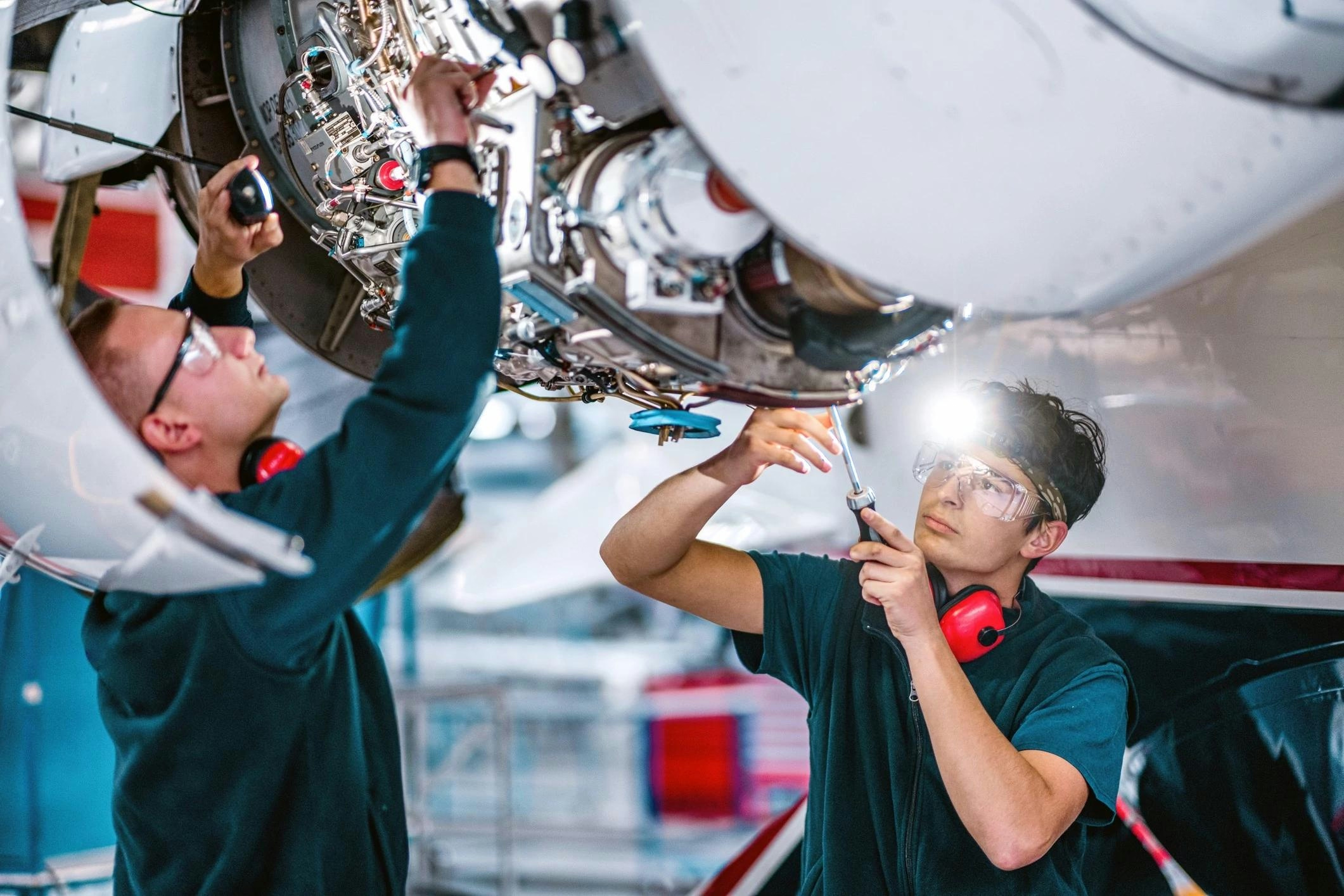
The Evolution of the Aircraft Maintenance Engineer Role
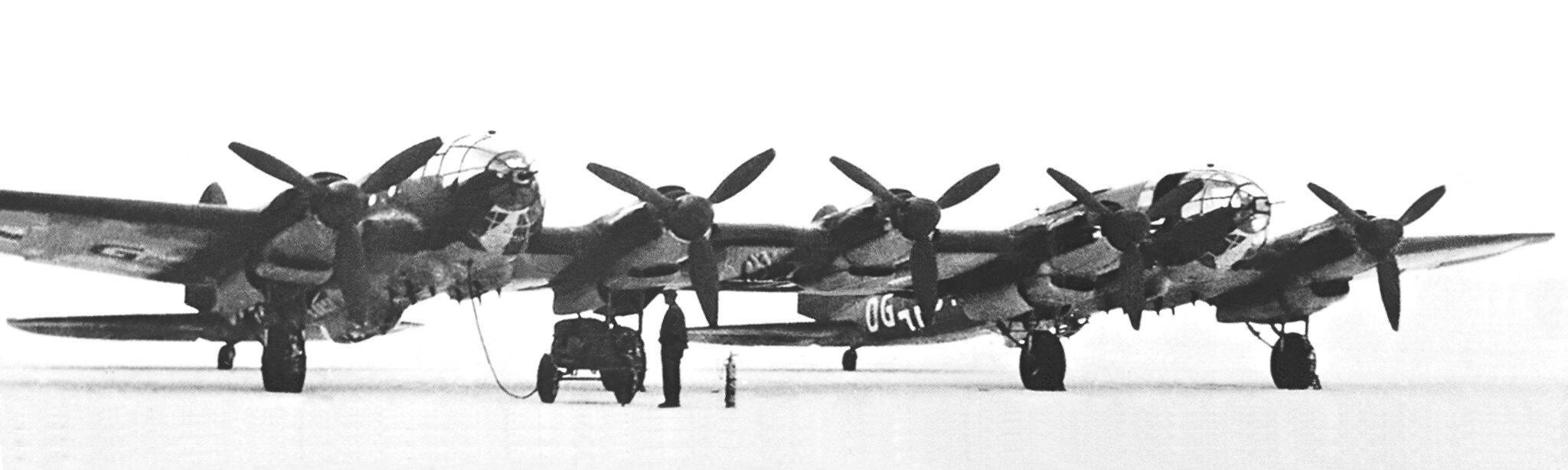
He 111Z Zwilling: Twin Fuselages, Five Engines, One Pilot
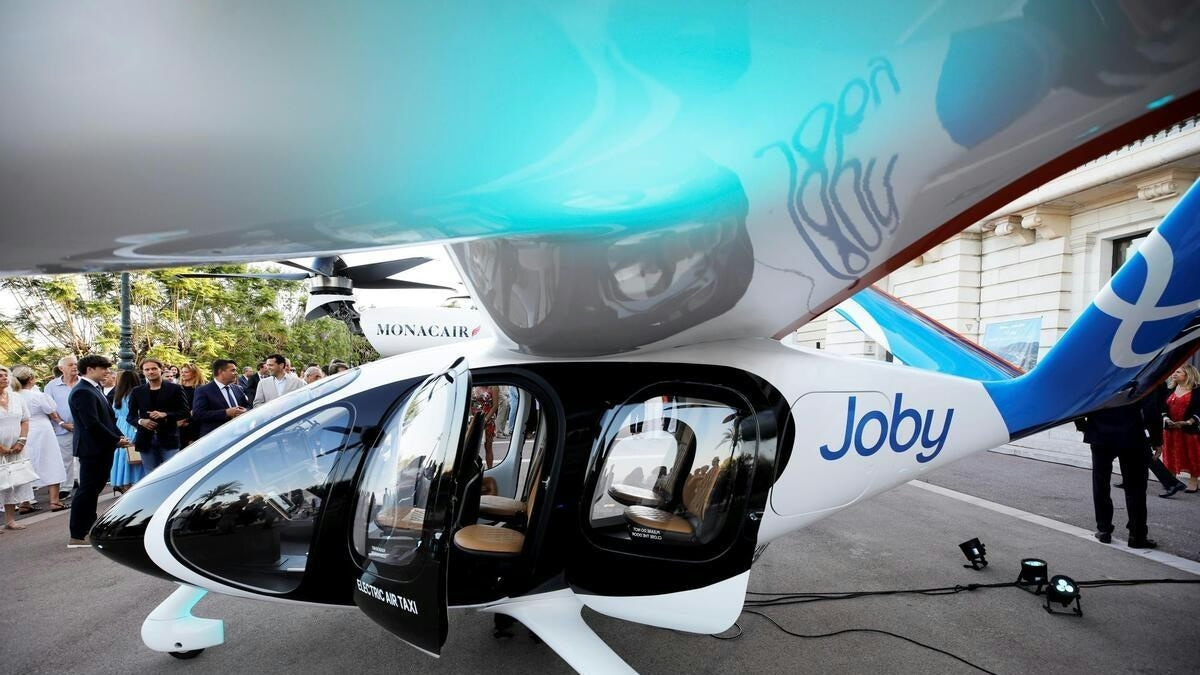
Monacair Plans Electric Air Taxi Service Between Monaco and Nice by 2029
