
Zet AI‑inzichten om in gerichte actie

Trending
Categories
The Five Stages of Airport Intelligence: A Roadmap to 2040

The Five Stages of Airport Intelligence: A Roadmap to 2040
Airport digital transformation initiatives frequently begin with a focus on specific technologies such as artificial intelligence, digital twins, autonomous vehicles, or computer vision. However, this technology-first approach often results in a fragmented collection of isolated solutions that yield only incremental improvements without significantly enhancing overall airport performance. In contrast, a maturity-based strategy prioritizes defining the operational capabilities an airport requires and then incrementally building toward those objectives, using technology as a means rather than an end.
The Airport Intelligence Maturity Framework provides a structured five-stage progression, ranging from basic connectivity to fully agentic operations. This framework equips airport leaders with a common language to sequence transformation efforts and measure progress effectively. Its importance is growing as airports prepare to accommodate up to 20 billion annual passengers by 2040, even as infrastructure expansion struggles to keep pace with demand.
The Importance of Sequencing in Digital Transformation
A persistent challenge within the aviation industry is the premature investment in advanced capabilities before establishing the foundational elements necessary for their success. For instance, predictive analytics tools are sometimes deployed before reliable, integrated operational data is available. Similarly, AI-driven resource optimization systems may be introduced without the collaborative governance structures required to implement their recommendations effectively. Digital twins, often heralded as transformative, can be built on data models that fail to accurately represent real-world airport operations.
This misalignment leads to what experts describe as the "pilot trap": impressive technology demonstrations that do not scale operationally, fostering skepticism about the true value of digital investments. Leading industry organizations—including the Airports Council International (ACI), the International Civil Aviation Organization (ICAO), SESAR, and EUROCONTROL—concur that sustainable transformation depends on the concurrent maturation of governance, operational processes, collaboration mechanisms, and digital capabilities. These elements must evolve in tandem to realize meaningful progress.
Level 1 — Connected Airport: Establishing the Foundation
The initial stage of the maturity framework centers on achieving operational visibility by integrating core systems and data sources. Information that was previously siloed—such as flight data, stand allocations, security queue measurements, and baggage tracking—is consolidated through shared platforms and dashboards. This integration provides stakeholders with a comprehensive, real-time view of airport operations.
The primary objective at this stage is to develop a reliable operational picture. Although decision-making remains largely manual, the quality of those decisions improves significantly when based on consistent, timely data rather than fragmented information and informal communication channels. While this stage may lack the allure of artificial intelligence or autonomous systems, it is an indispensable prerequisite. Advanced analytics and automation rely on trustworthy, integrated data; bypassing this foundational step often results in unreliable outputs and undermines stakeholder confidence in digital initiatives.
Navigating Challenges and Industry Responses
Implementing the five-stage roadmap presents considerable challenges. Achieving comprehensive data integration across diverse systems is a complex undertaking, and ensuring that intelligence remains actionable and timely requires continuous adaptation to evolving aviation regulations and technological advancements. The industry’s turbulent history has also engendered skepticism regarding the feasibility of such ambitious transformation plans.
Market reactions to the roadmap vary, ranging from cautious optimism to doubt, particularly concerning its scalability and practical implementation. Competitors may respond by adopting similar frameworks or developing proprietary technologies to secure a competitive advantage, thereby intensifying the race toward smarter, more resilient airports.
Ultimately, the discipline to adhere to the maturity framework sequentially—building robust foundations before layering advanced capabilities—is critical. As airports look ahead to 2040, this structured approach offers the most viable path to sustainable and scalable intelligence in an increasingly complex operational environment.

PD-8 Engine Encounters Corrosion Issues from Saltwater Exposure

Weekly Summary: August Deliveries, Year-to-Date Orders, and 4.1 Million Share Buyback
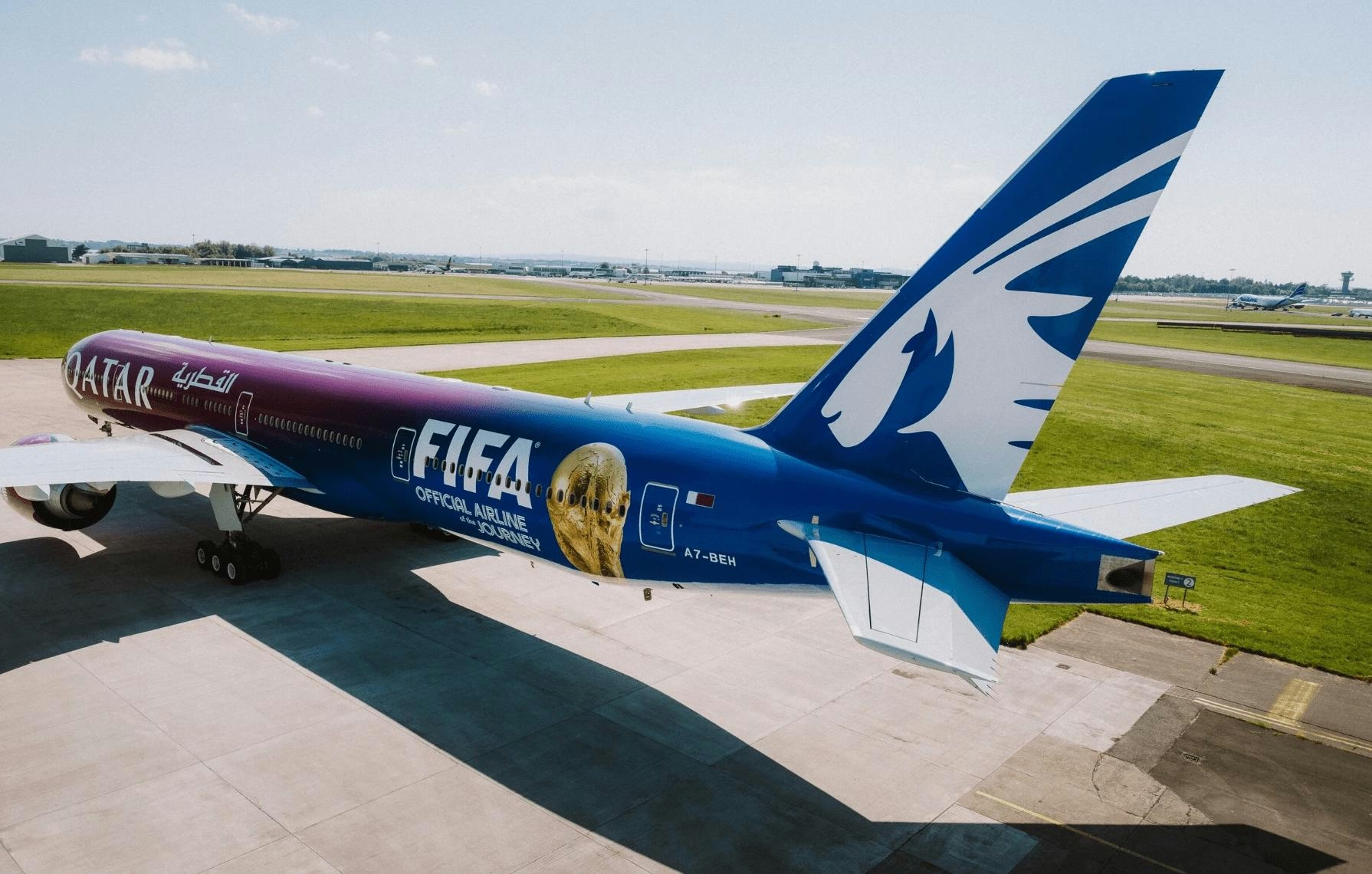
Linking Ireland’s Aircraft Leasing Industry to Elite Football
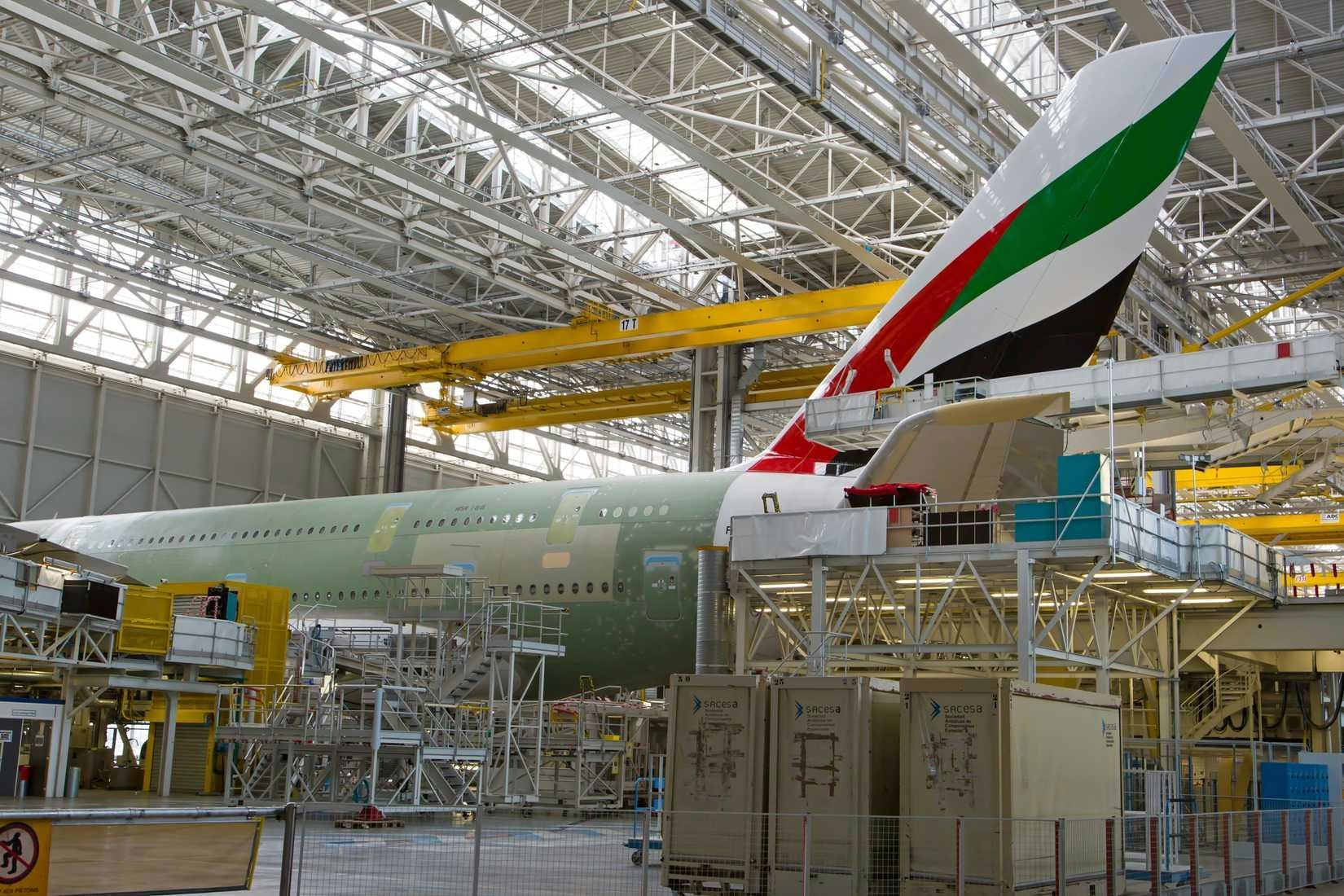
Airbus A380 at Tarbes Yields Over 90% of Parts for Active Fleets Through Careful Dismantling

flydubai Begins Dedicated Freighter Operations with Three Leased 737-800s
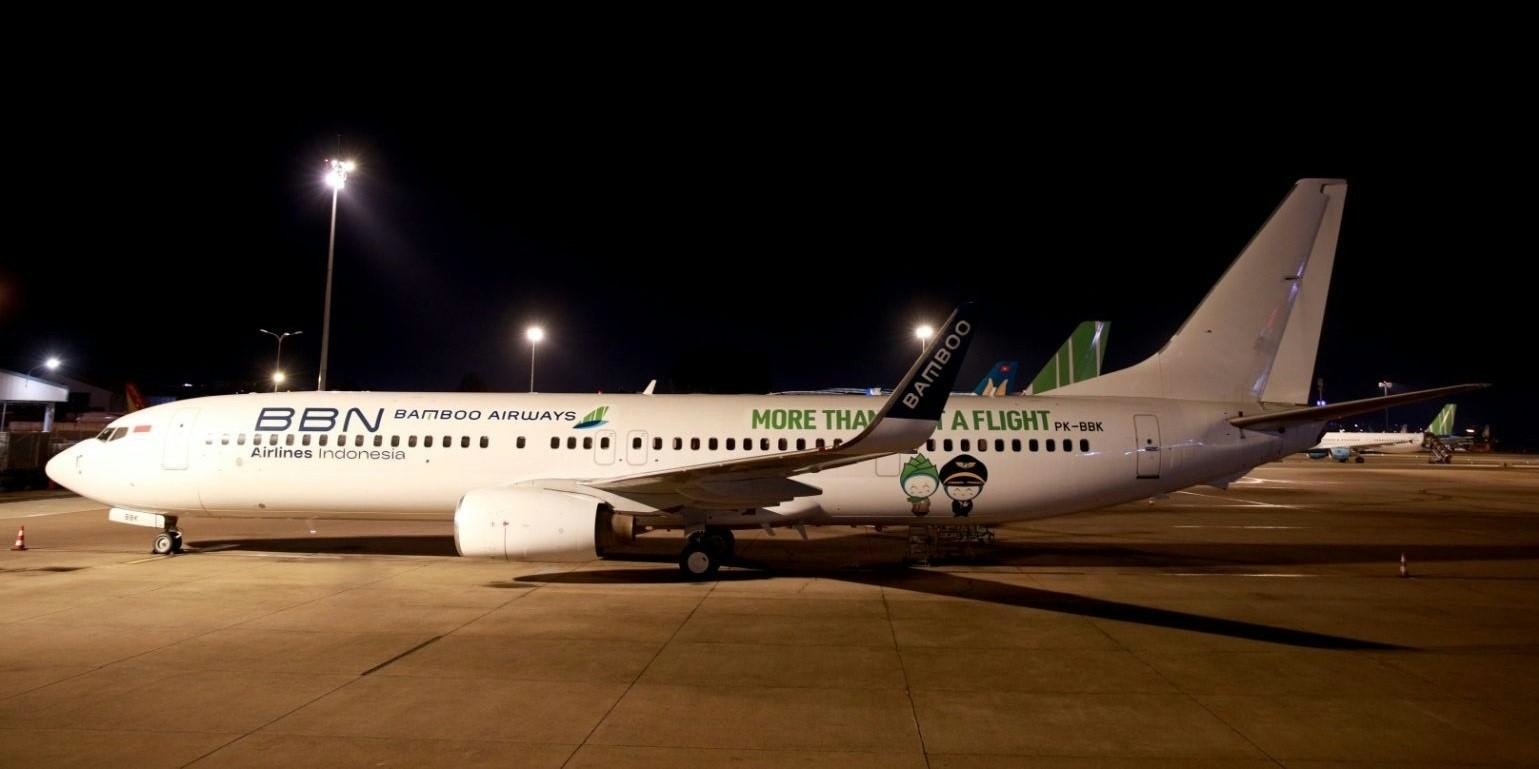
BBN Airlines Becomes IATA Member

FAA Orders Breeze Airways and Delta to Inspect Airbus A220 Fuel Hoses

Philippine Aviation Navigates Expansion and Costs Amid Fuel Price Volatility
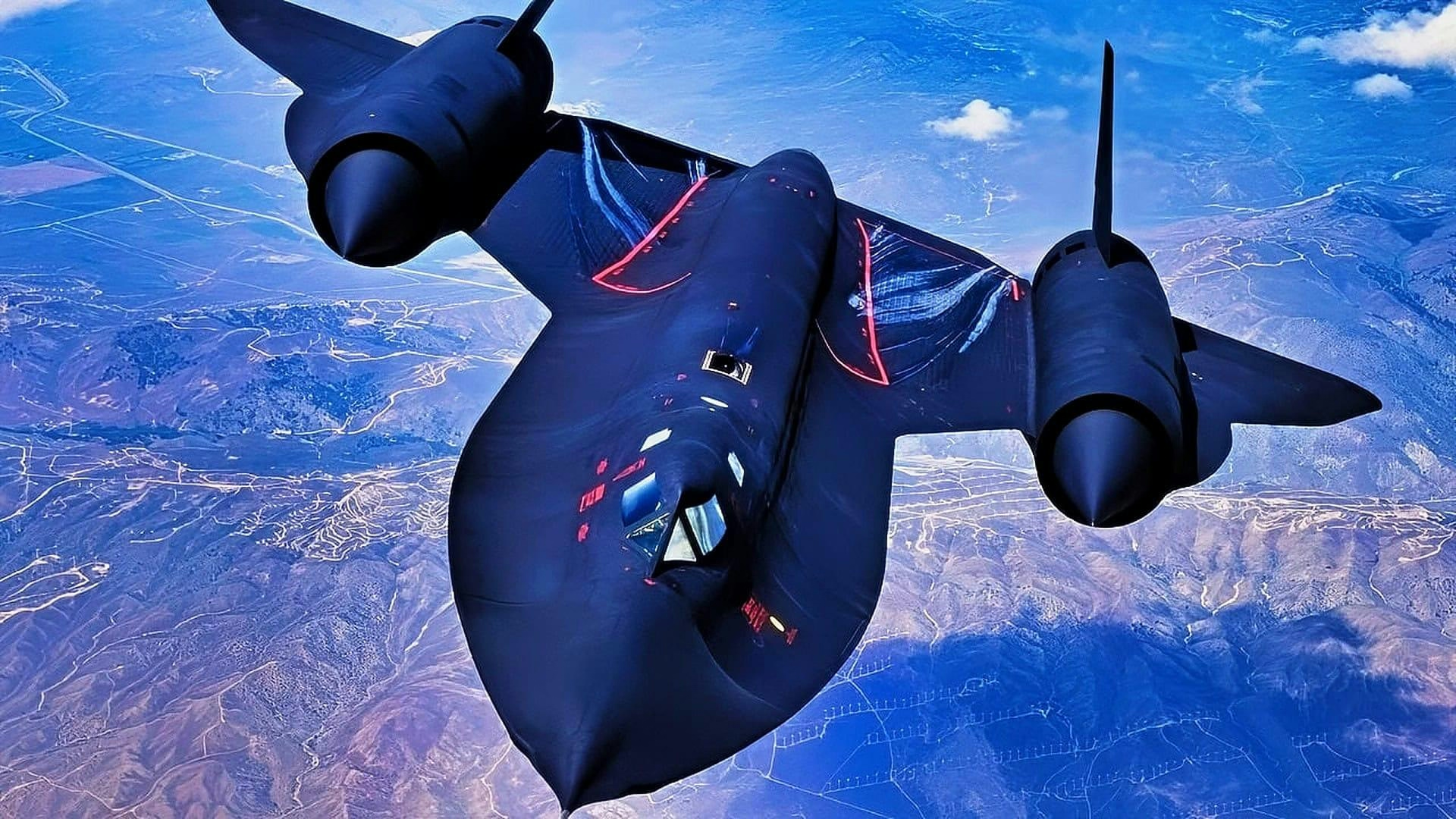
On April 26, 1971, an SR-71 Blackbird Flew Over 15,000 Miles in 10.5 Hours, Limited by Liquid Nitrogen Supply
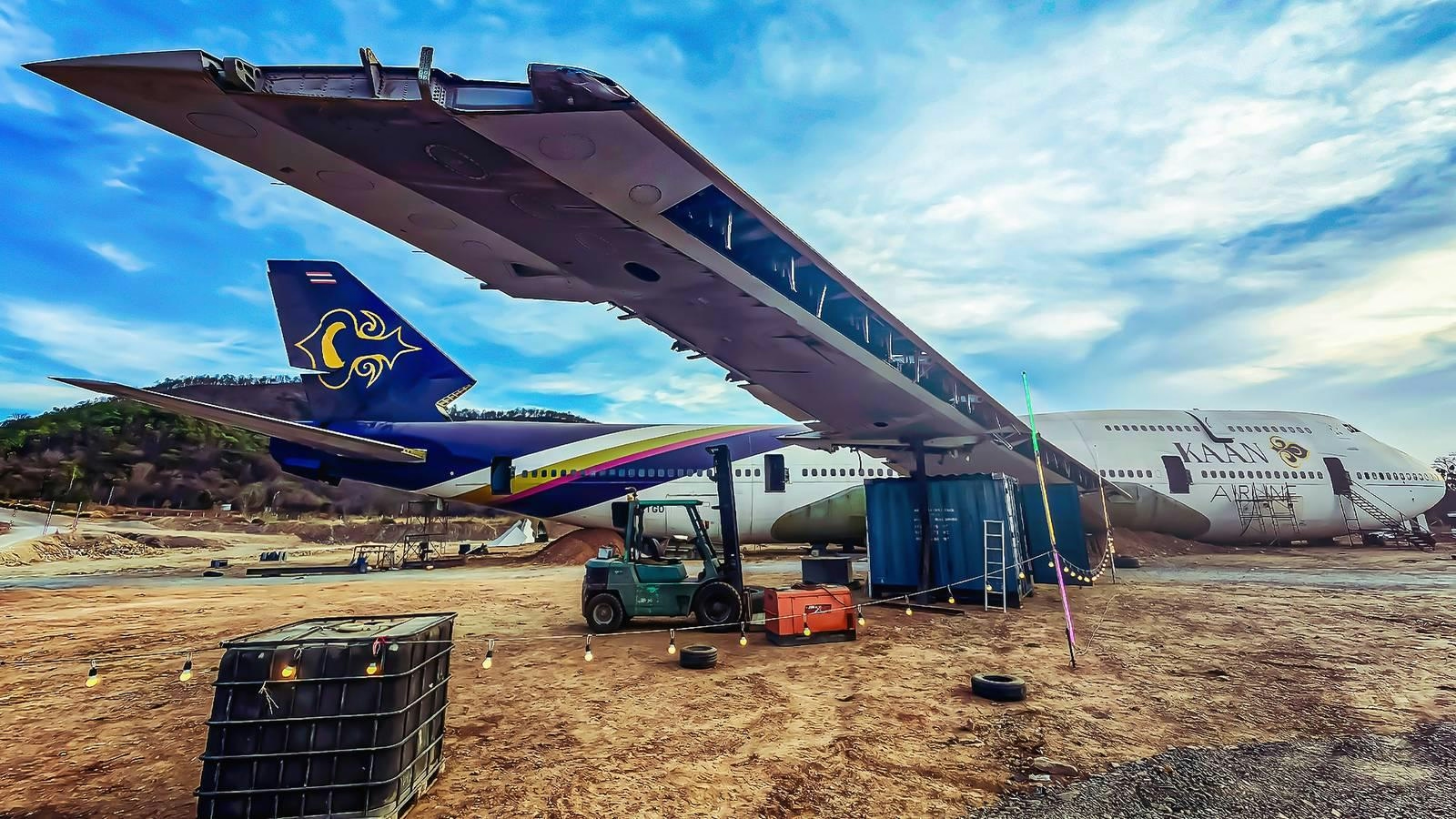
Boeing 747 Airframe Valued Less Than One Landing Gear Component
