
Zet AI‑inzichten om in gerichte actie

Trending
Categories
The Future of Boarding Begins Now
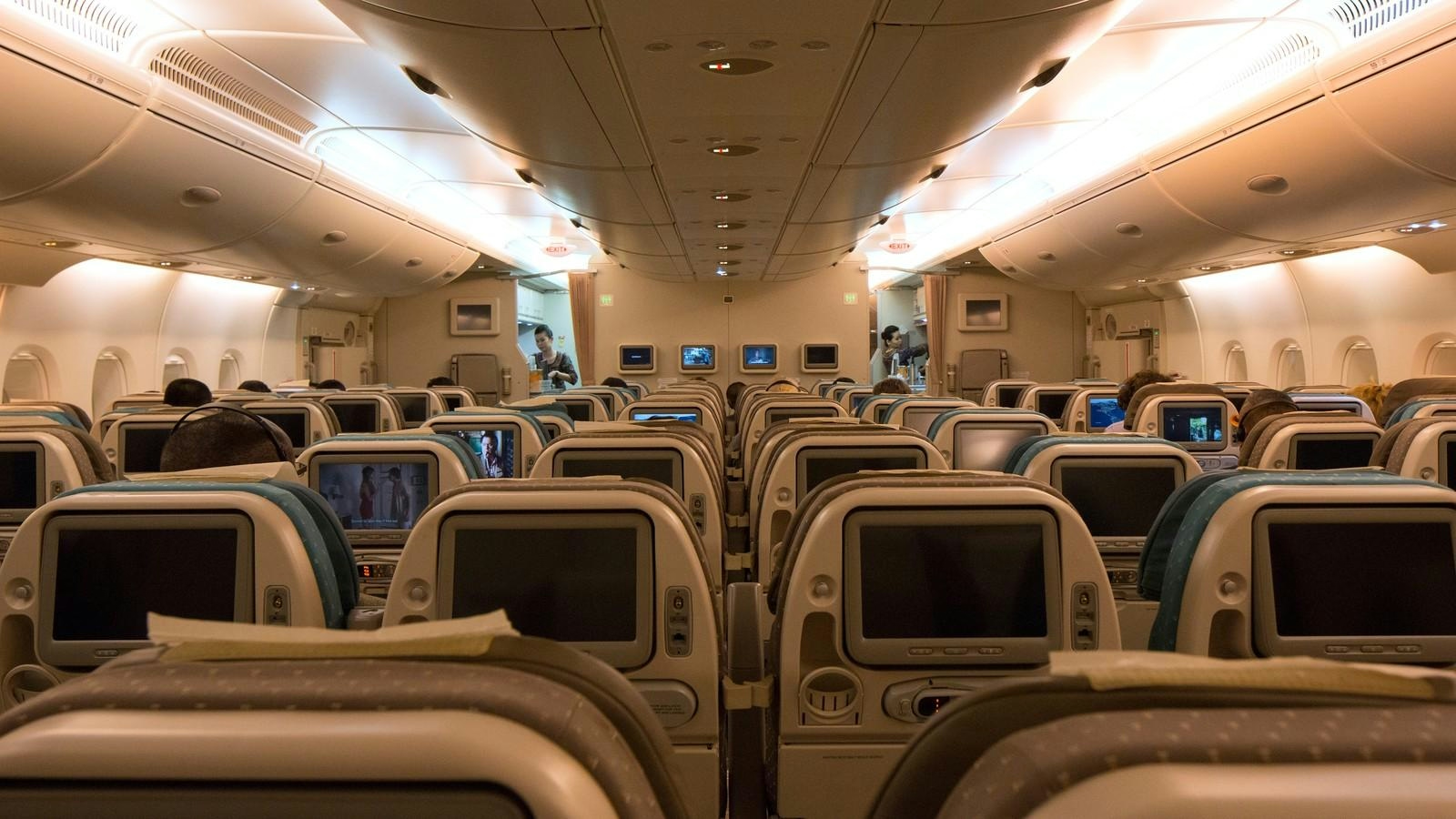
The Future of Boarding Begins Now
What was once confined to the realm of science fiction is now becoming a reality above Egypt’s skyline, as air-taxi services begin to take shape across the country. For decades, Egyptians have endured the frustration of relentless traffic congestion, where short trips often stretch into hours. The advent of air taxis—vehicles capable of soaring above the gridlock—offers more than a novel mode of transport; it presents a transformative vision of mobility for the future.
Emerging Technology and Public Reception
In recent years, Air Taxi Egypt has garnered increasing attention through public demonstrations and widespread social media engagement. What initially seemed like a distant, futuristic idea has become tangible, with some Egyptians already experiencing brief flights. The initial public reaction has often been one of disbelief. Youssef Adel, a 23-year-old university student, recalls his first encounter with the technology through an online video. “When I first saw a video of the air taxi online, I thought it was computer-generated,” he admits. Like many young Egyptians, Youssef discovered the innovation via social media rather than traditional news outlets. “At first, it felt like something from Dubai or Silicon Valley, not Egypt,” he explains. Yet, as his understanding deepened, so did his enthusiasm. “What excites me isn’t just the transportation—it’s what it represents. Seeing this in Egypt makes us feel like we’re part of the future, not just watching from afar.”
For others, the appeal of air taxis lies in their practical potential to alleviate daily challenges. Ahmed Nabil, a 42-year-old business development manager in Cairo, spends much of his week navigating the city’s notorious traffic. “There are days when I spend more time getting to a meeting than actually attending it,” he notes. “If someone offers a safe, reliable alternative that dramatically cuts travel time, people will listen.” However, he also recognizes the obstacles ahead. “Most technologies start as premium services. The real question is whether they become accessible enough to make a real difference.”
Architect Mariam Adel, 31, highlights the emotional dimension of transportation innovation. Reflecting on the early days of ride-hailing apps, she observes, “People underestimate how emotional transportation can be. The first generation of customers will use air taxis because they’re exciting. Long-term success will come when they’re no longer exciting—just normal.”
Broader Technological and Economic Context
The trajectory of air taxis is closely linked to wider technological and economic trends. The enthusiastic reception of foldable devices, such as the Samsung Galaxy Z Fold 8, demonstrates that while public interest in innovation can be high, maintaining sustained demand remains a challenge. Supply chain constraints, particularly concerning critical materials like platinum—vital for hydrogen technologies and clean-energy applications—pose potential risks to the scalability of both foldable technology and advanced transportation solutions.
Market dynamics further complicate the landscape. Profit-taking following major initial public offerings, exemplified by companies like SpaceX, alongside competitive strategies such as accelerated innovation cycles and strategic acquisitions—as seen in Biogen’s expansion into immunology through the acquisition of RayThera Inc.—underscore the complex environment in which emerging technologies must navigate.
As Egypt’s air taxis begin to take flight, they represent more than a leap forward in transportation. They embody the nation’s engagement with a rapidly evolving global landscape, where innovation, accessibility, and sustainability will ultimately determine which technologies become integral to everyday life.

Etihad and Swissport Extend Global Partnership
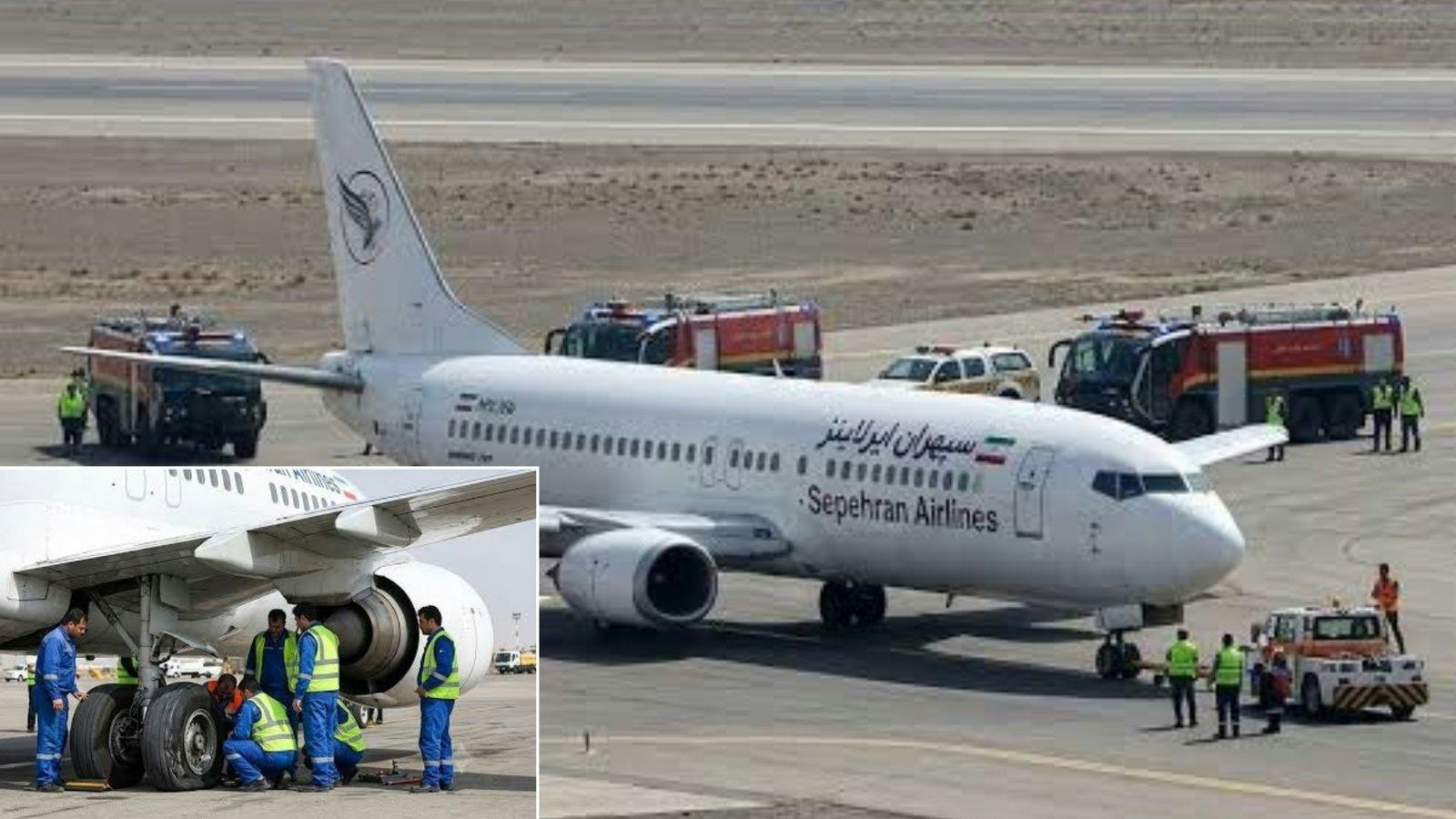
Sepehran Airlines B737 Returns to Mashhad After Tyre and Engine Issues

Etihad Deploys Widebody Fleet to Meet Strong Demand

Korean Air Finalizes $36.2 Billion Deal with Boeing
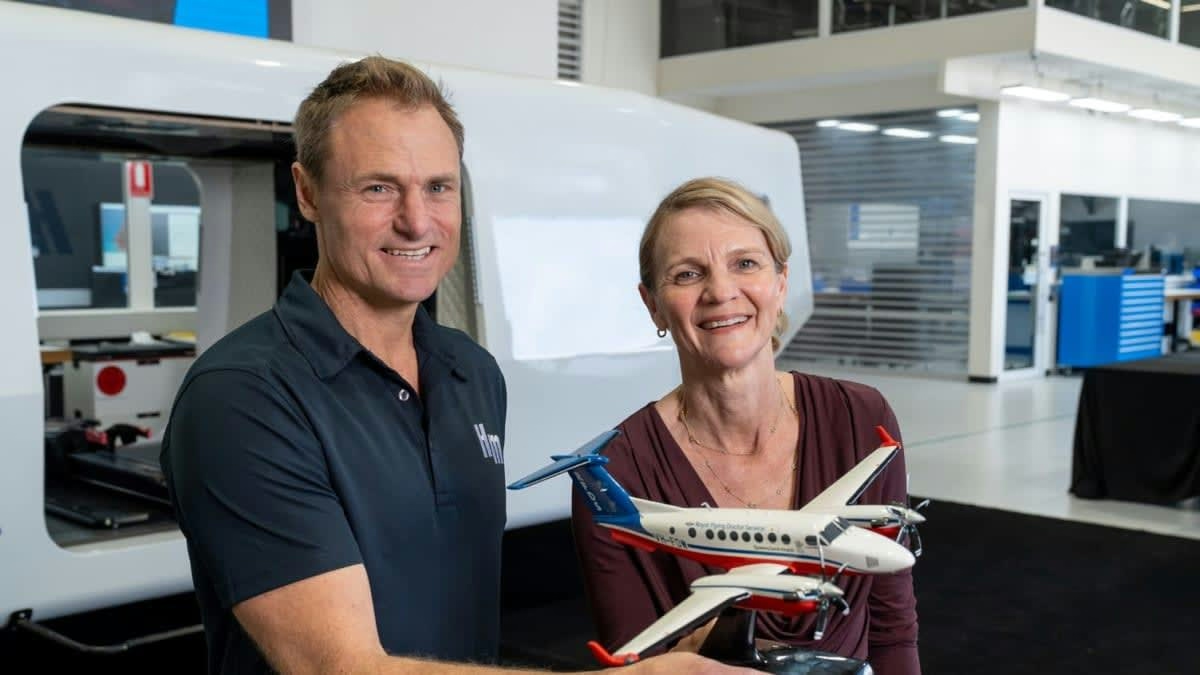
Australia’s RFDS Queensland Section Orders Six King Air 260Cs
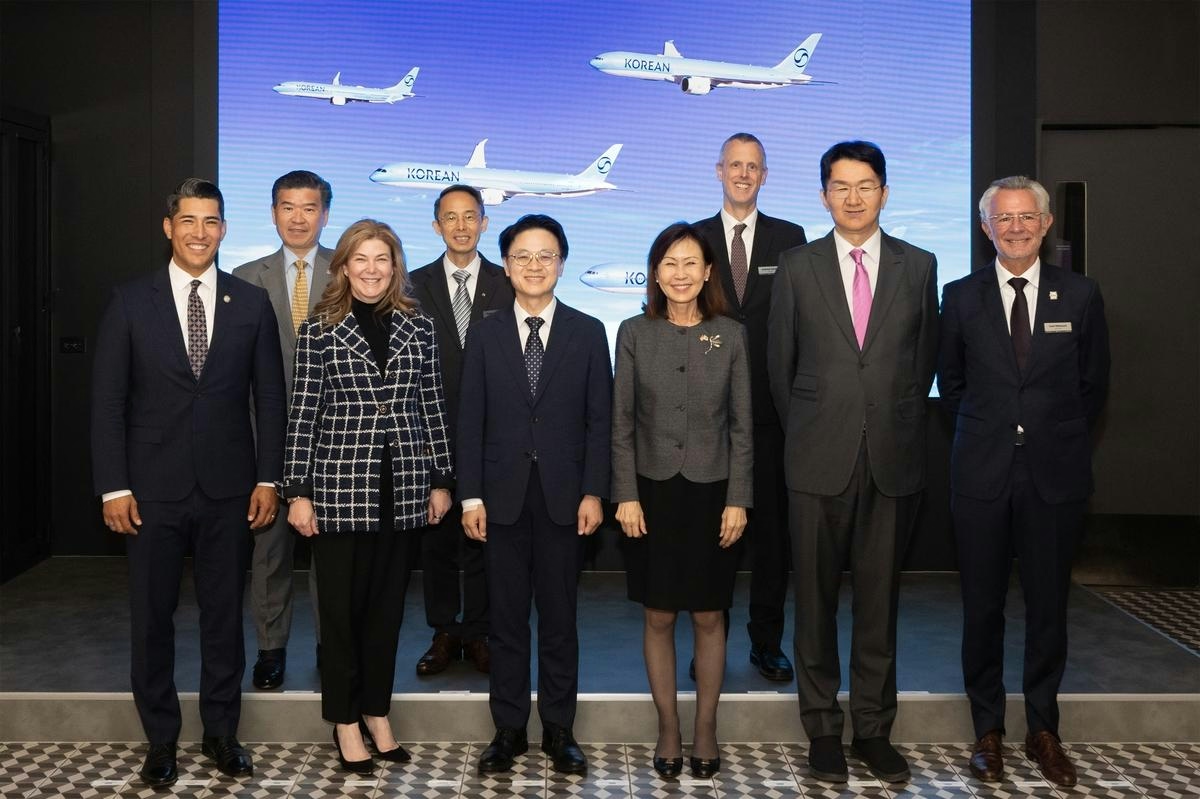
Korean Air Finalizes Order for 103 Boeing Jets and Engines

Embraer E195-E2 Features Distinctive Engine Placement Among Regional Jets

What Passengers Can Expect on Boeing’s New 777X Jet
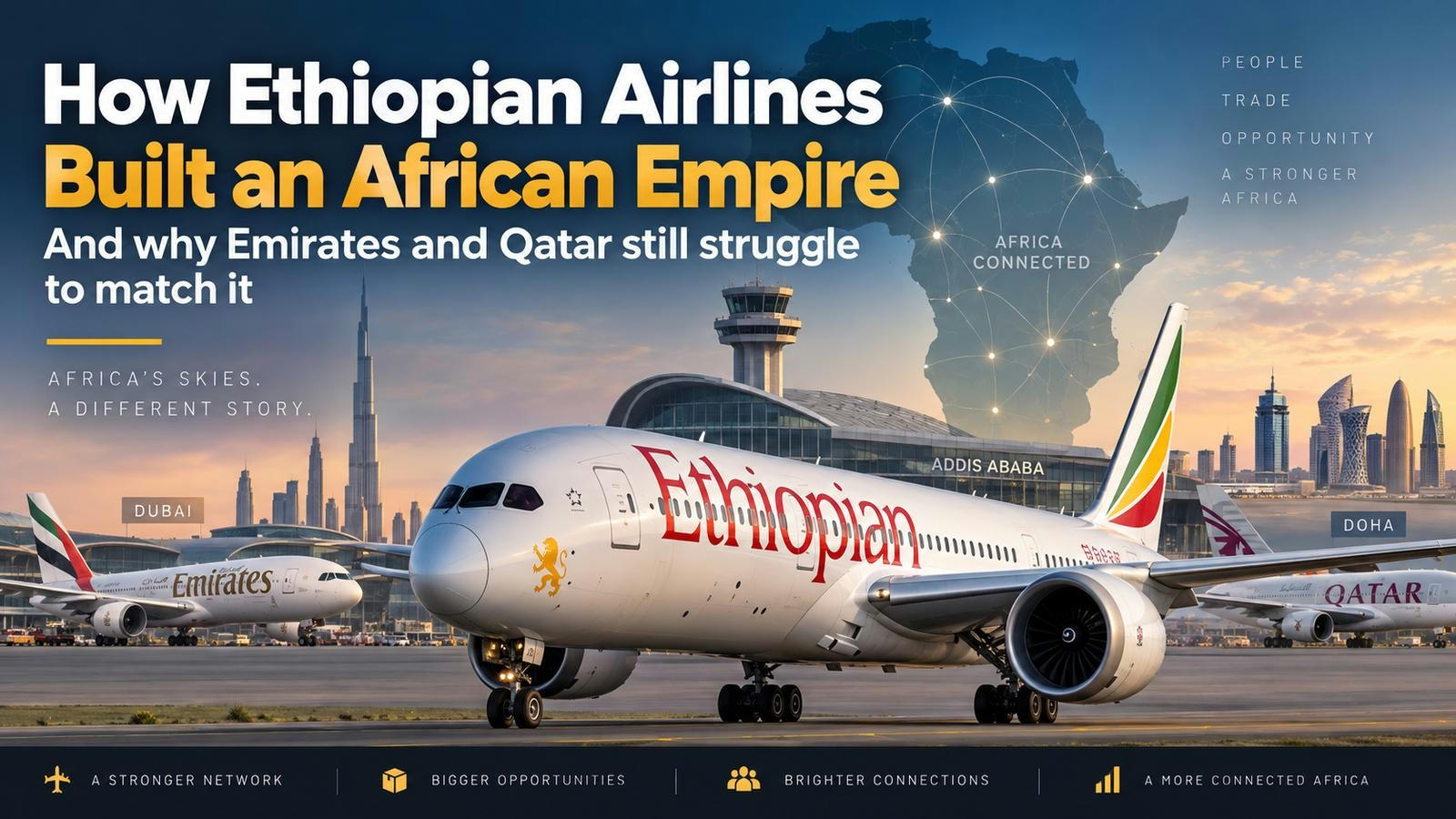
How Ethiopian Airlines Became Africa’s Leading Carrier Amid Gulf Competition

Joby Aviation Extends Autonomous Flight Capabilities with Cross-Country Tour
