
Zet AI‑inzichten om in gerichte actie

Trending
Categories
These Airlines Operate Planes With The World's Quietest Widebody Cabin
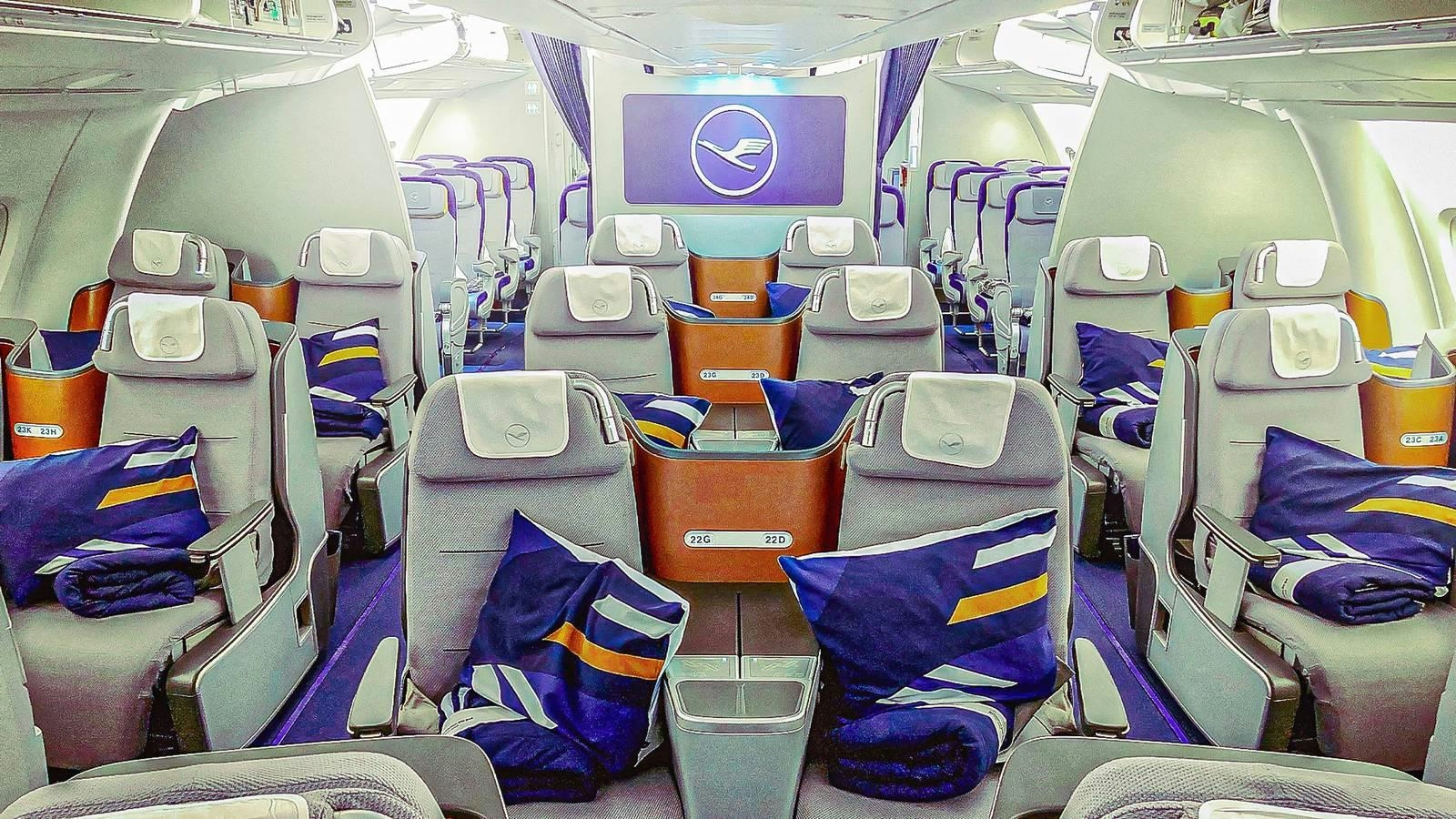
These Airlines Operate Planes With The World's Quietest Widebody Cabin
Emirates emerges as the largest operator among the select group of ten airlines still flying the Airbus A380, a model that has experienced a notable resurgence since the pandemic. Once considered on the verge of retirement from commercial service, the A380 remains highly favored by passengers, not only for its impressive size as the only full-length double-decker airliner capable of seating over 500, but also for its exceptionally quiet cabin environment.
The A380: Engineering for Silence
The Airbus A380 was conceived in the early 1990s to address growing airport congestion and to compete directly with the Boeing 747. Its distinctive double-decker design aligned well with the hub-and-spoke model, enabling airlines to efficiently transport large numbers of passengers to major airports. The aircraft’s development introduced several technological innovations, including the use of a full digital mock-up and the incorporation of carbon fiber reinforced plastics—advancements that later became standard in newer Airbus models such as the A350.
A key breakthrough in the A380’s design was the implementation of noise-reducing acoustic paneling. This technology was engineered to absorb the sound generated by air rushing around the expansive fuselage and the aircraft’s four Rolls-Royce Trent 900 or Engine Alliance GP7200 engines. Airbus has noted that these acoustic panels were so effective that they set a new industry benchmark for cabin quietness and were subsequently adopted in later aircraft designs.
Why the A380 Remains the Quietest
The A380’s reputation for having the quietest widebody cabin is the result of a combination of factors. The advanced acoustic paneling employs materials that absorb both engine noise and aerodynamic sounds. The aircraft’s considerable size places passengers farther from the engines and the outer surfaces, thereby reducing the noise perceived inside the cabin. Additionally, the high bypass ratio engines operate at slower rotational speeds, producing less noise compared to older engine designs. Aerodynamic refinements throughout the airframe further minimize sound as the aircraft moves through the air.
Multiple studies consistently rank the A380 ahead of other widebody jets in terms of cabin noise levels, making it a preferred choice for travelers seeking a more peaceful and comfortable flight experience.
Challenges and Industry Impact
Operating aircraft with the world’s quietest widebody cabins presents distinct challenges for airlines. Striking a balance between passenger comfort and operational costs is essential, as quieter technologies often require substantial investment. Airlines must also navigate evolving noise regulations and maintain technological advancements to remain competitive in the market.
Demand for quieter flights is increasing, with passengers showing a willingness to pay a premium for enhanced comfort. This trend has the potential to influence ticket pricing and shape airline strategies. In response, competitors are accelerating the development of quieter aircraft and advancing cabin noise reduction technologies to keep pace.
As the aviation industry faces slower growth and reassesses capacity planning, the strategic value of quiet cabins has become more pronounced. The A380’s legacy in cabin comfort continues to influence passenger expectations and drive innovation across the sector, even as the aircraft’s retirement approaches.

Etihad and Swissport Extend Global Partnership
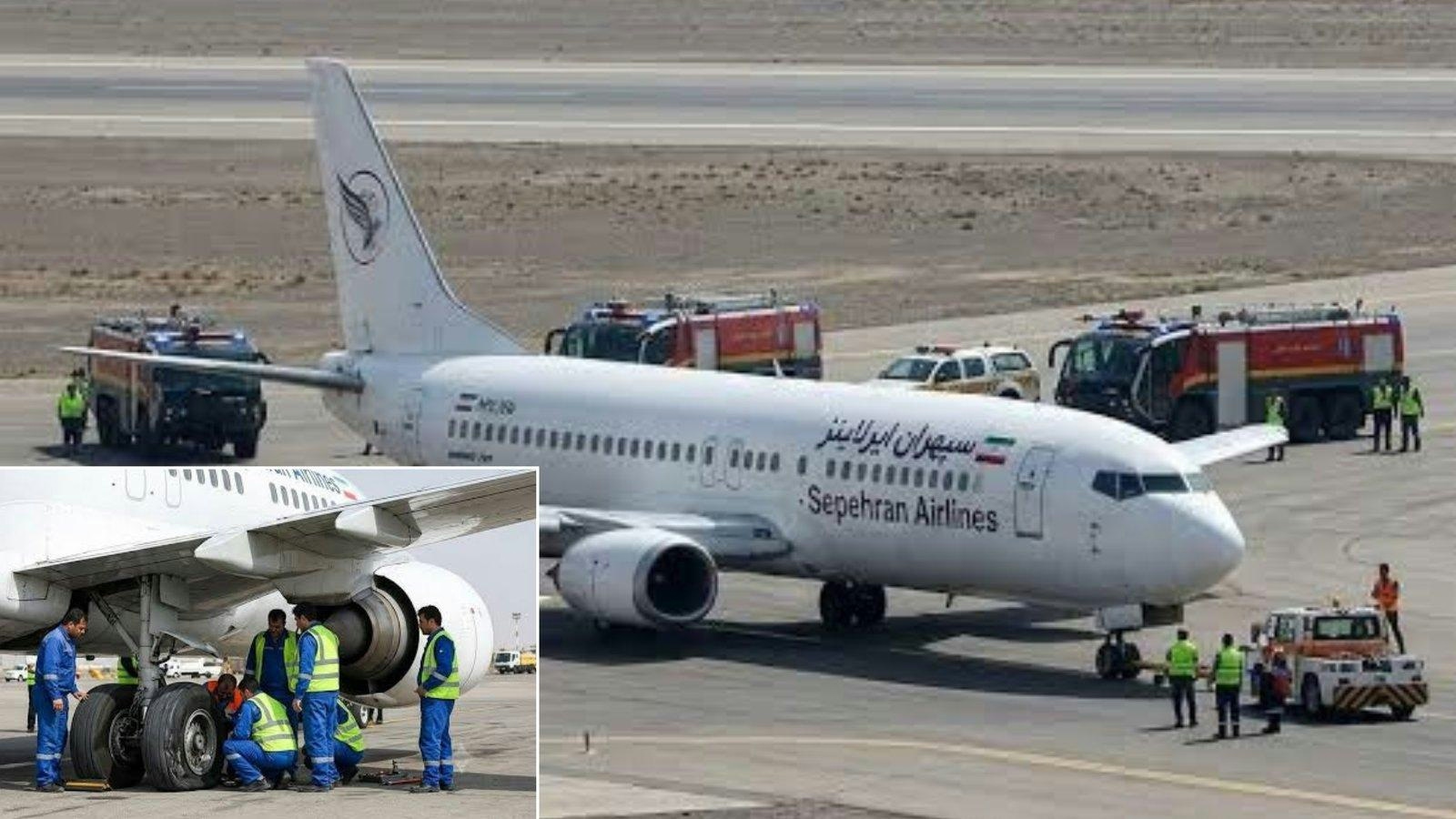
Sepehran Airlines B737 Returns to Mashhad After Tyre and Engine Issues

Etihad Deploys Widebody Fleet to Meet Strong Demand

Korean Air Finalizes $36.2 Billion Deal with Boeing

Australia’s RFDS Queensland Section Orders Six King Air 260Cs

Korean Air Finalizes Order for 103 Boeing Jets and Engines
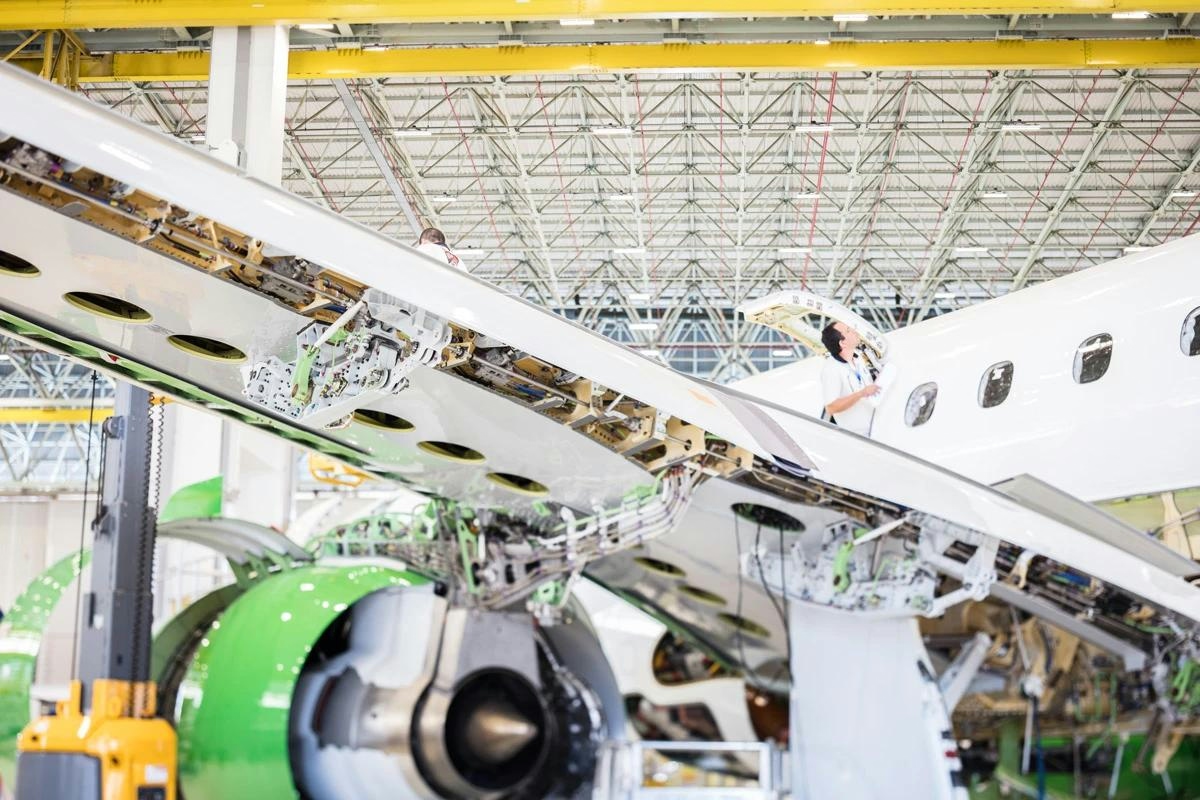
Embraer E195-E2 Features Distinctive Engine Placement Among Regional Jets
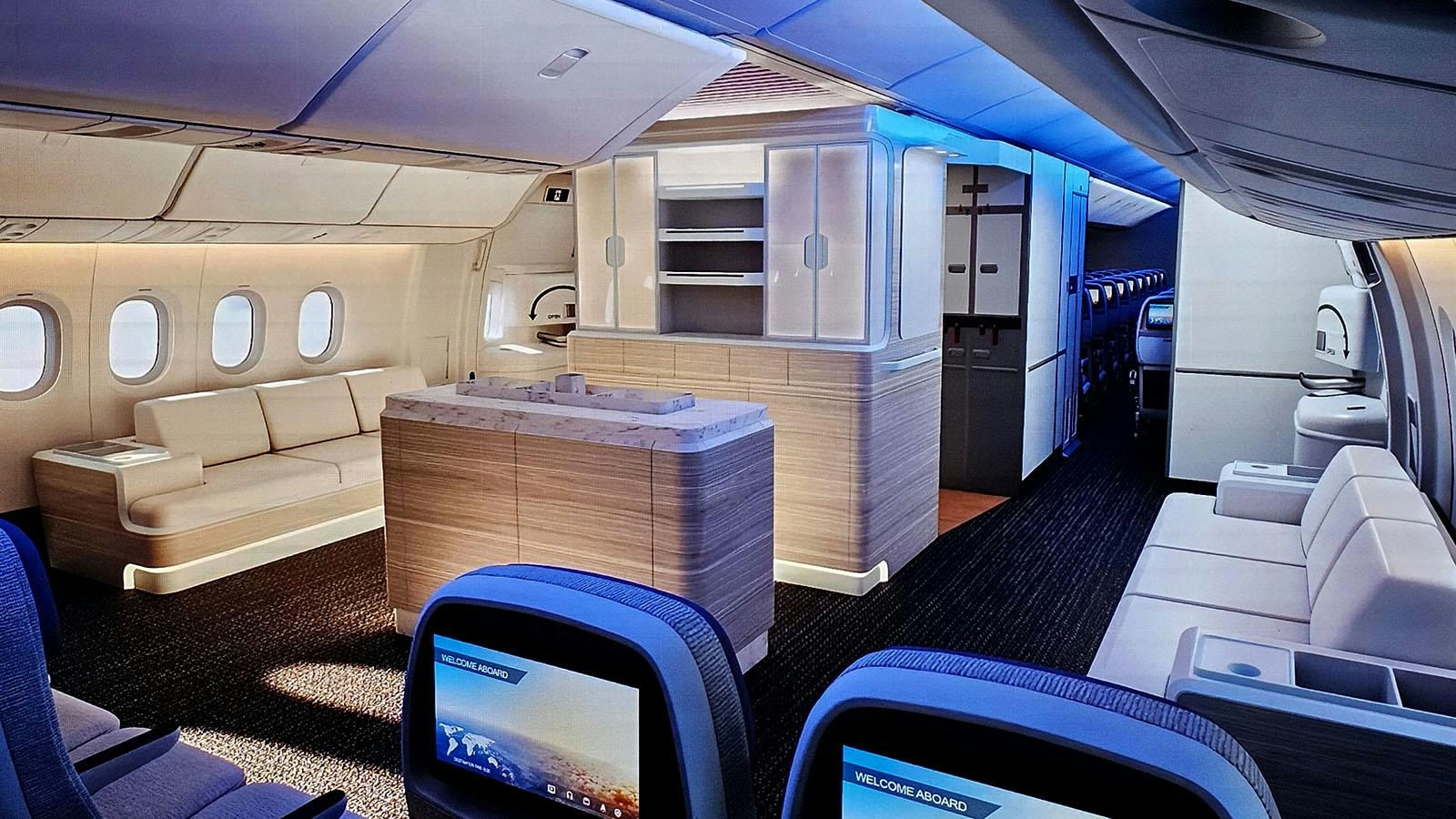
What Passengers Can Expect on Boeing’s New 777X Jet

How Ethiopian Airlines Became Africa’s Leading Carrier Amid Gulf Competition
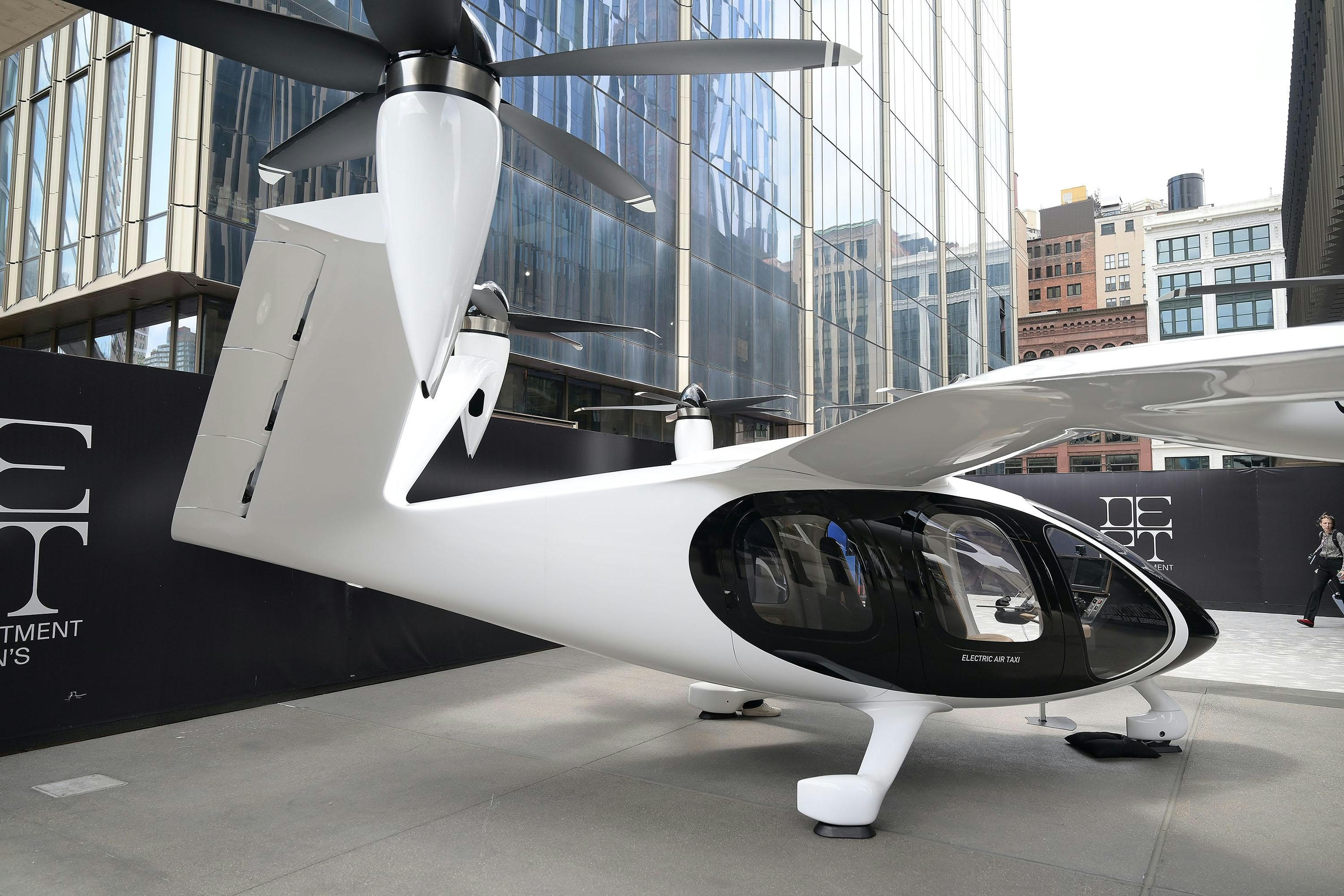
Joby Aviation Extends Autonomous Flight Capabilities with Cross-Country Tour
