
Zet AI‑inzichten om in gerichte actie

Trending
Categories
Transportation Secretary Duffy Dismisses AI Replacing Air Traffic Controllers

Transportation Secretary Duffy Affirms Human Role Amid AI Integration in Air Traffic Control
As the Department of Transportation (DOT) undertakes a comprehensive $12 billion modernization of the United States’ air traffic control system, Transportation Secretary Sean Duffy has firmly dismissed concerns that artificial intelligence (AI) will supplant human controllers. In an interview with CBS News, Duffy stated unequivocally, “That’s not gonna happen,” emphasizing that AI is intended solely as a supportive tool rather than a replacement for human management of airspace. He added, “Am I gonna replace a controller and have AI manage the airspace? The answer to that is hell no, that’s not gonna happen.”
AI as a Supportive Tool in Air Traffic Management
Secretary Duffy outlined that AI’s role will focus on enhancing operational efficiency by optimizing flight schedules and minimizing delays. The technology is designed to integrate airline timetables with Federal Aviation Administration (FAA) systems, enabling proactive adjustments well in advance. “This software will say, ‘Well, listen, we can see this 45 days out. Let’s move some of those flights a little bit later, or five, seven, 10 minutes earlier, and we can resolve the issue. And so then you are not delayed,’” Duffy explained. This approach aims to streamline air traffic flow without compromising the critical decision-making responsibilities of human controllers.
The ongoing modernization initiative, partially funded by last year’s Big Beautiful Bill, has already achieved notable milestones. The DOT reports that nearly half of all copper wiring has been replaced, approximately 270 radio sites have been upgraded, new surface awareness systems have been installed at 54 airports, and 17 control towers have transitioned from paper-based tracking to electronic flight strips.
Challenges and Industry Perspectives on AI Integration
Despite these advancements, the integration of AI into the air traffic control infrastructure faces significant hurdles. The software component alone is estimated to cost between $6 billion and $10 billion, with congressional approval for this funding still pending. The substantial financial requirements and the need for legislative backing have contributed to skepticism regarding the feasibility and timeline of the modernization efforts, especially in light of previous unsuccessful attempts to upgrade the system.
Industry experts and competitors have generally advocated for AI to function as an augmentation rather than a replacement of human controllers. They emphasize the importance of maintaining safety and operational efficiency, cautioning against excessive reliance on automation. The balance between technological innovation and human oversight remains a central concern.
The urgency of modernization has been underscored by recent high-profile incidents, including a fatal collision at New York City’s LaGuardia Airport last month. These events have drawn attention to the pressures on the air traffic control workforce and the inherent risks of human error. “We have human beings navigating, managing the airspace, and as human beings, we can make mistakes,” Duffy acknowledged. “That’s why I want to give additional tools to support the air traffic controllers.”
As the DOT advances this ambitious overhaul, the success of the program will hinge not only on technological progress but also on securing adequate funding and preserving the essential role of human judgment in air traffic management.
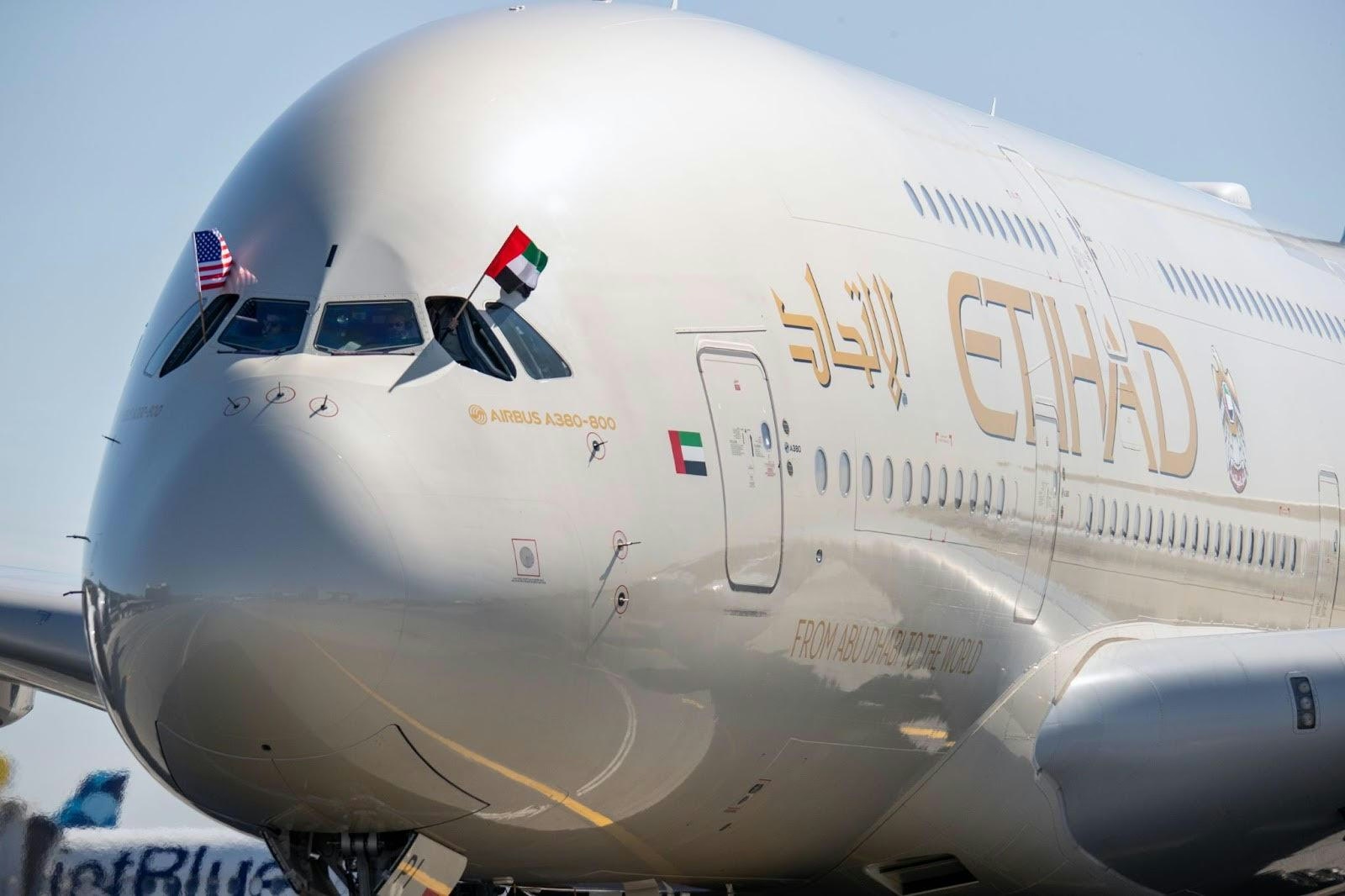
Etihad Airways Suspends Airbus A380 Flights on Key Route

Aditya Birla Group Seeks Approval for Aircraft Leasing in GIFT City
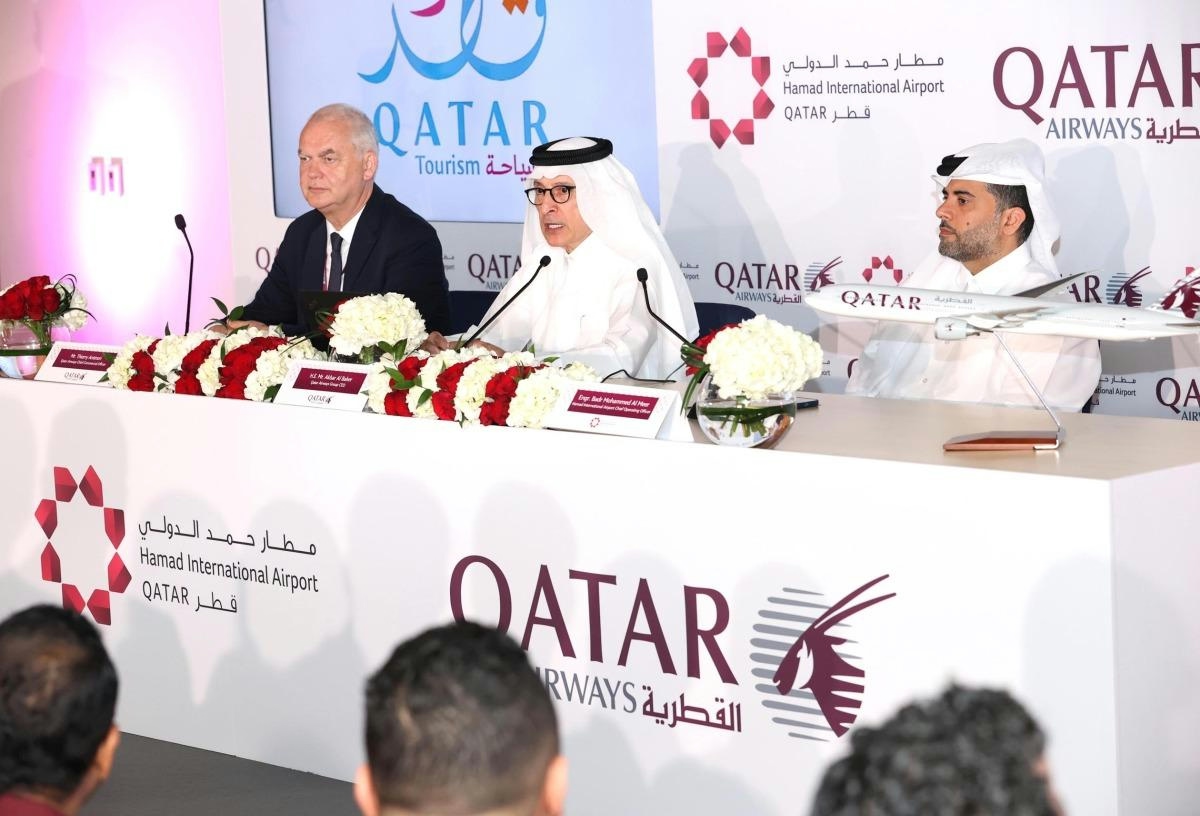
Qatar Airways Highlights Innovation and Connectivity at Arabian Travel Market 2026
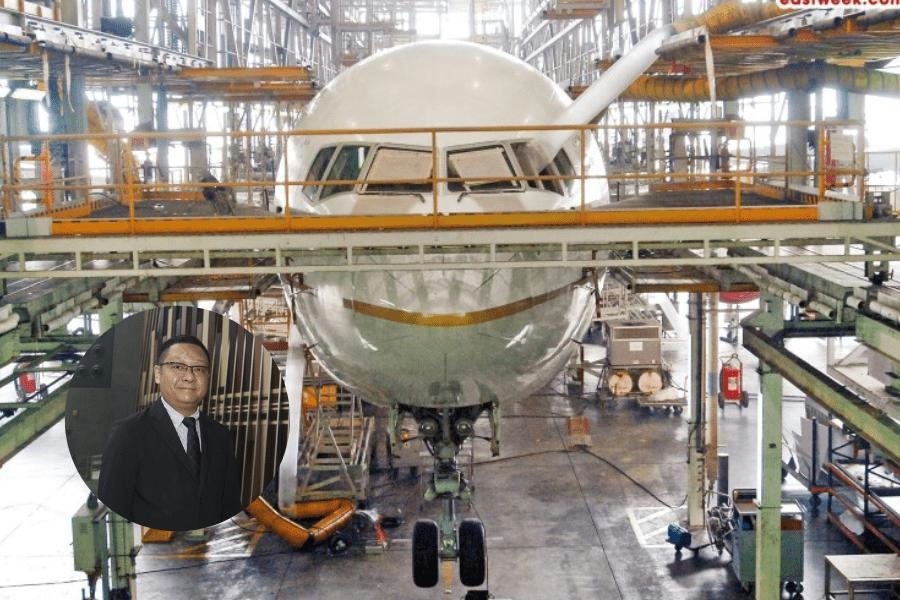
Hong Kong's Five-Year Plan Includes Andrew Fan's Aircraft Parts Processing Hub Proposal

ACIA Aero Leasing Delivers ATR72-600 to Air Nostrum
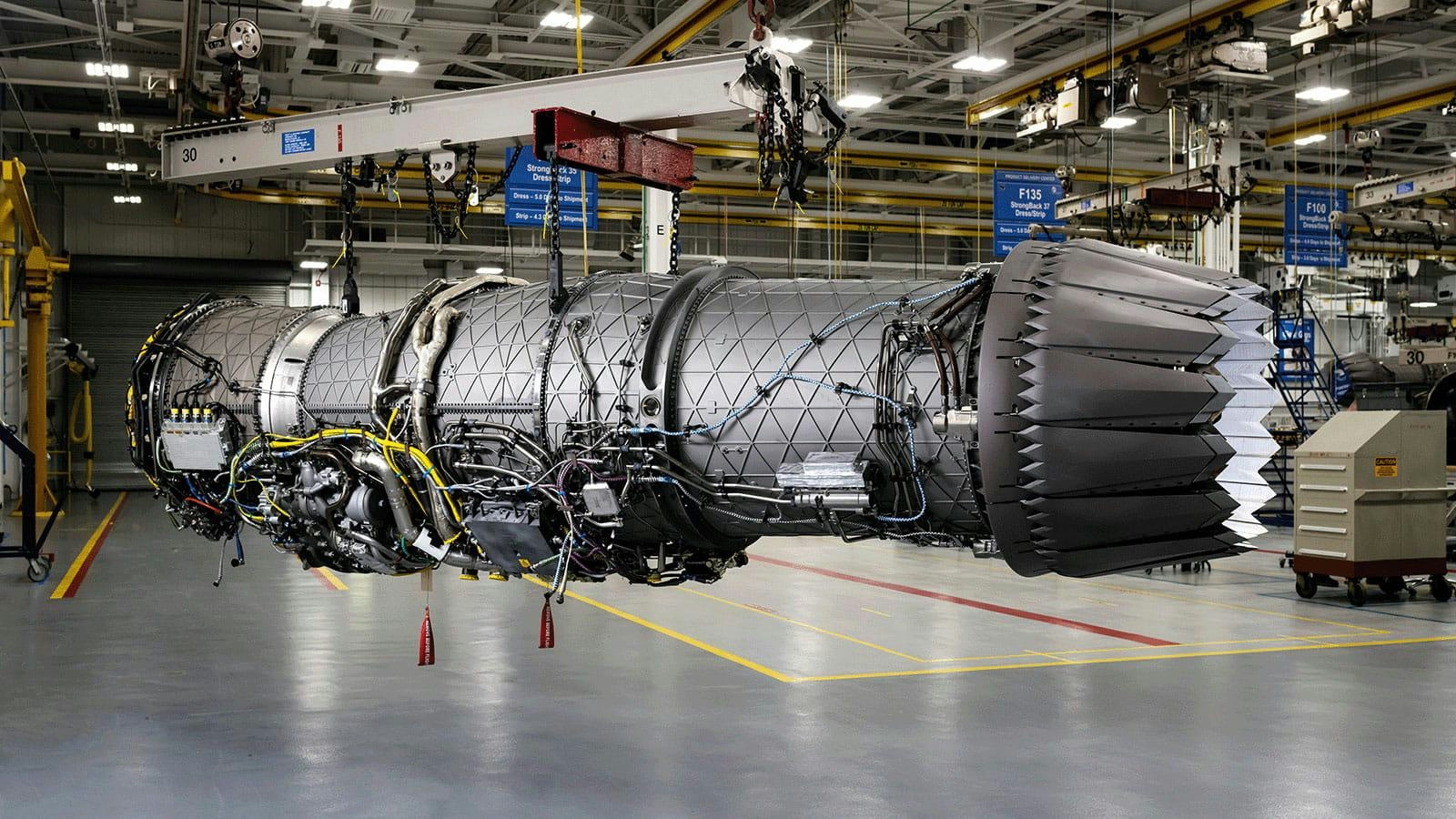
RTX Appoints Jill Albertelli as Head of Pratt & Whitney
TAT Technologies Joins Beyond Aero Hydrogen Aircraft Program

AURAK Study Highlights Barriers to Air Taxi Adoption in Emerging Economies
Xiamen Air Selects Altitude for 787 Maintenance at Heathrow
Etihad and Swissport Extend Global Partnership
