
Zet AI‑inzichten om in gerichte actie

Trending
Categories
TSA Aims to Use Technology for Smoother Travel in Coming Years
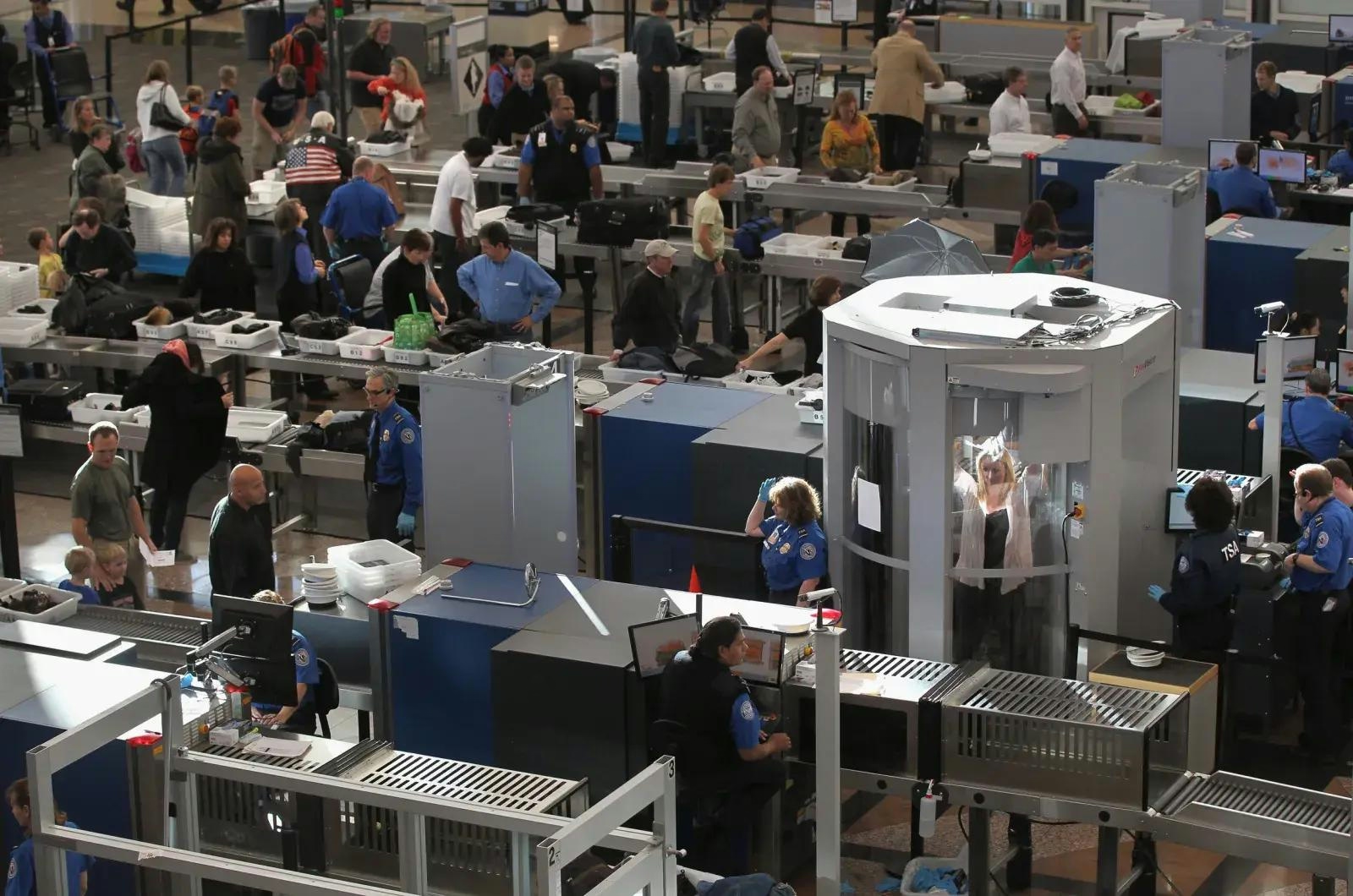
TSA’s Vision for a Seamless Travel Experience by 2030
The U.S. Transportation Security Administration (TSA) is actively pursuing a future where airport security processes become faster, more efficient, and less intrusive through the integration of advanced technologies. At the recent Skift Global Forum, Adam Stahl, the TSA’s acting deputy administrator, articulated a vision for 2030 in which the travel experience is “incredibly seamless,” driven by innovations designed to enhance convenience and security simultaneously.
Embracing Digital Identification and Artificial Intelligence
Central to this vision is the adoption of digital ID credentials derived from passports, which are currently available on select smartphones and expected to be more widely released soon. Stahl described a “touchless identity solution” already in use by several airlines at select U.S. airports, enabling travelers to pass through checkpoints without presenting physical identification or even removing their phones. This advancement aims to streamline the passenger journey, benefiting not only travelers but also airlines, airports, and the broader travel ecosystem.
Artificial intelligence (AI) is playing a pivotal role in TSA’s modernization efforts. Stahl highlighted two key initiatives: “Open Architecture,” an interface designed for baggage screening that allows multiple companies to deploy targeting algorithms to detect prohibited items such as firearms, liquids, and explosives; and “Image On Alarm Only,” an automated alert system that notifies staff exclusively when a potential threat is identified in baggage. The integration of these technologies promises to significantly enhance aviation security by acting as force multipliers for TSA personnel.
Biometric Technology and Implementation Challenges
Biometric technology, particularly facial recognition, is another focus area for the TSA. Already implemented at some checkpoints, facial recognition has proven popular and effective, improving passenger throughput while maintaining security standards. Stahl emphasized its cost-effectiveness and widespread traveler acceptance but also acknowledged the necessity of addressing privacy concerns and ensuring respectful handling of personal data.
Despite the promising potential of these technological advancements, the TSA faces several challenges in their deployment. Resistance from travelers accustomed to traditional procedures, the substantial costs associated with new system rollouts, and the need for comprehensive staff training may impede rapid adoption. Additionally, skepticism regarding the effectiveness and privacy implications of these innovations persists among some passengers.
Industry Implications and Future Outlook
The evolving security landscape is also influencing adjacent services and competitors. Companies such as AirHelp, which assist travelers during disruptions, may experience increased demand as passengers seek support navigating new systems. Meanwhile, competitors within the travel sector are likely to accelerate their own technology developments, potentially intensifying competition and fostering further innovation.
As the TSA advances its technology-driven agenda, the agency remains committed to balancing the imperatives of security, efficiency, and privacy. Navigating these complexities will be essential as the agency adapts to the rapidly changing dynamics of the global travel industry.

Etihad Airways Suspends Airbus A380 Flights on Key Route

Aditya Birla Group Seeks Approval for Aircraft Leasing in GIFT City

Qatar Airways Highlights Innovation and Connectivity at Arabian Travel Market 2026

Hong Kong's Five-Year Plan Includes Andrew Fan's Aircraft Parts Processing Hub Proposal

ACIA Aero Leasing Delivers ATR72-600 to Air Nostrum

RTX Appoints Jill Albertelli as Head of Pratt & Whitney

TAT Technologies Joins Beyond Aero Hydrogen Aircraft Program

AURAK Study Highlights Barriers to Air Taxi Adoption in Emerging Economies

Xiamen Air Selects Altitude for 787 Maintenance at Heathrow

Etihad and Swissport Extend Global Partnership
