
Zet AI‑inzichten om in gerichte actie

Trending
Categories
United Airlines: A History of a Major U.S. Carrier
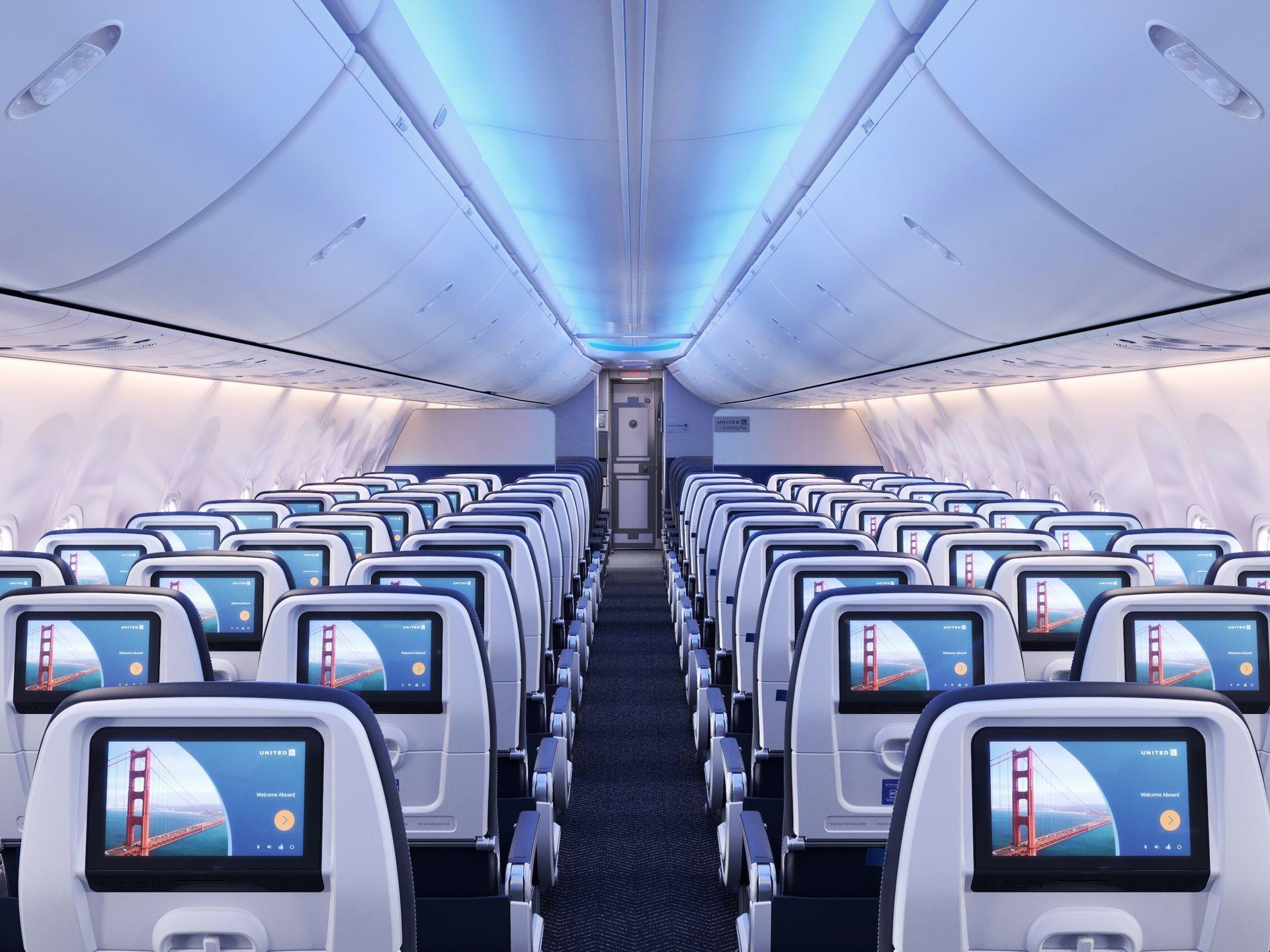
United Airlines: A History of a Major U.S. Carrier
United Airlines is one of the largest and most influential carriers in the United States, with a legacy defined by innovation, expansion, and continuous adaptation to the evolving commercial aviation landscape. Established in the 1920s, the airline has played a crucial role in connecting cities domestically and internationally, helping to shape the development of air travel over the past century.
Navigating Industry Challenges and Growth
Throughout its history, United has operated within a dynamic industry influenced by economic fluctuations, regulatory shifts, and intense competition. The airline has endured significant challenges, including periods of deregulation, labor disputes, and rapid technological advancements. In response, United has consistently adjusted its business strategies to align with changing market conditions. Its expansive route network and membership in the Star Alliance have solidified its position as a major player in both domestic and global markets.
Strategic Direction Amidst Changing Market Dynamics
In recent years, United Airlines has confronted new challenges and strategic decisions amid shifting industry dynamics. CEO Scott Kirby has explicitly ruled out pursuing major consolidation efforts following American Airlines’ rejection of a merger proposal. This stance marks a departure from previous periods characterized by large-scale airline consolidations. Instead, United is concentrating on selective opportunities, such as acquiring airport slots, gates, or other assets from competitors facing financial pressures due to rising fuel costs and market challenges.
Kirby has also dismissed speculation regarding a potential merger with JetBlue, citing the limited profitability of JetBlue’s routes as a significant deterrent. He further observed that the current phase of U.S. airline mergers appears to have concluded, with other major carriers—including Alaska, American, and Delta—showing little appetite for further consolidation. This cautious approach reflects a broader industry trend favoring stability and organic growth over aggressive expansion through mergers and acquisitions.
Embracing Innovation and Sustainability
United’s strategic approach highlights the complexities of the modern airline industry, where operational efficiency, customer experience, and adaptability are critical. The company continues to invest in fleet modernization, digital innovation, and sustainability initiatives to maintain its competitive advantage in a rapidly evolving environment.
From its origins as a mail carrier to its present status as a global airline, United’s history is marked by resilience and transformation. The company’s ongoing strategic choices, shaped by both internal leadership and external market forces, will play a defining role in its future trajectory.

Etihad and Swissport Extend Global Partnership

Sepehran Airlines B737 Returns to Mashhad After Tyre and Engine Issues

Etihad Deploys Widebody Fleet to Meet Strong Demand

Korean Air Finalizes $36.2 Billion Deal with Boeing
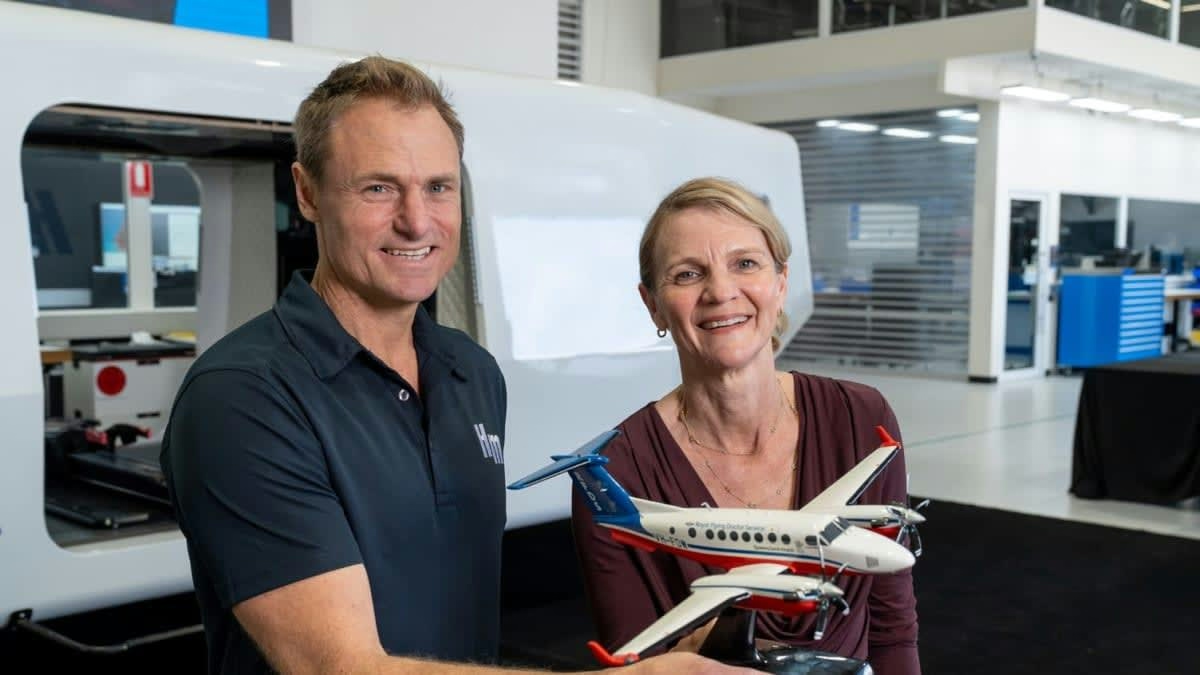
Australia’s RFDS Queensland Section Orders Six King Air 260Cs

Korean Air Finalizes Order for 103 Boeing Jets and Engines
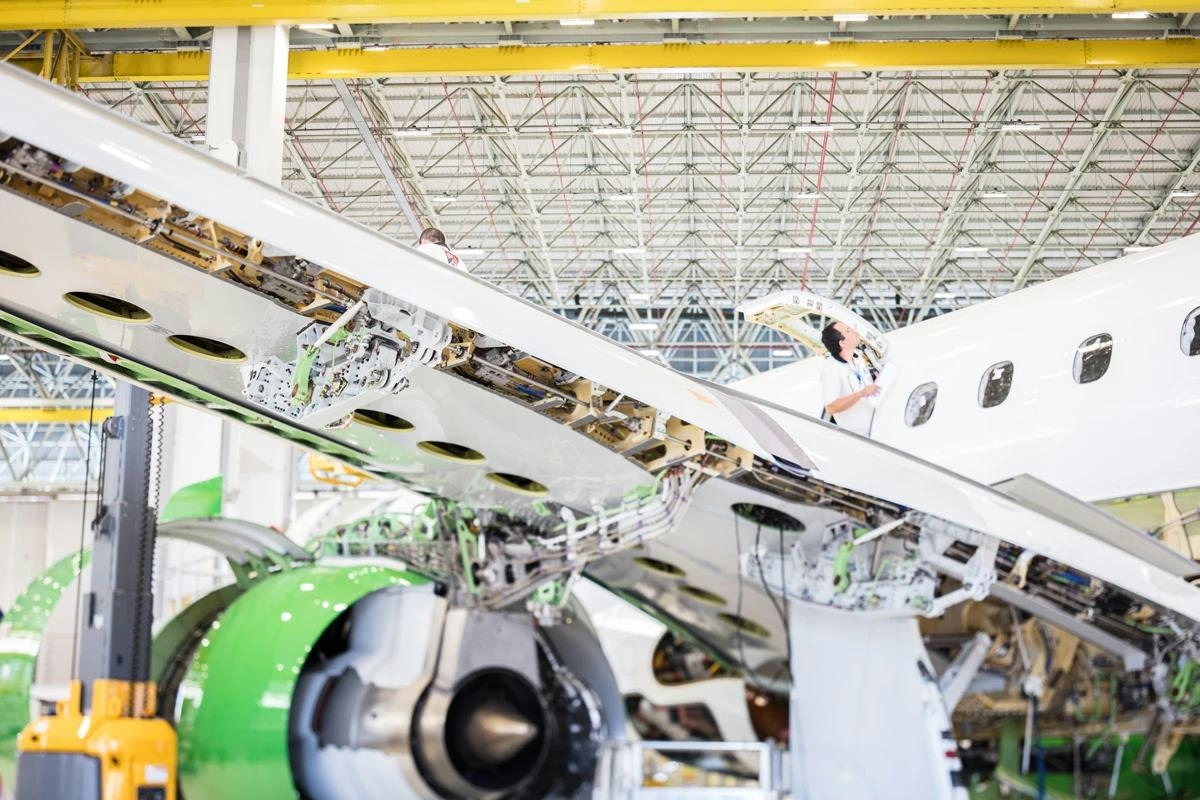
Embraer E195-E2 Features Distinctive Engine Placement Among Regional Jets

What Passengers Can Expect on Boeing’s New 777X Jet
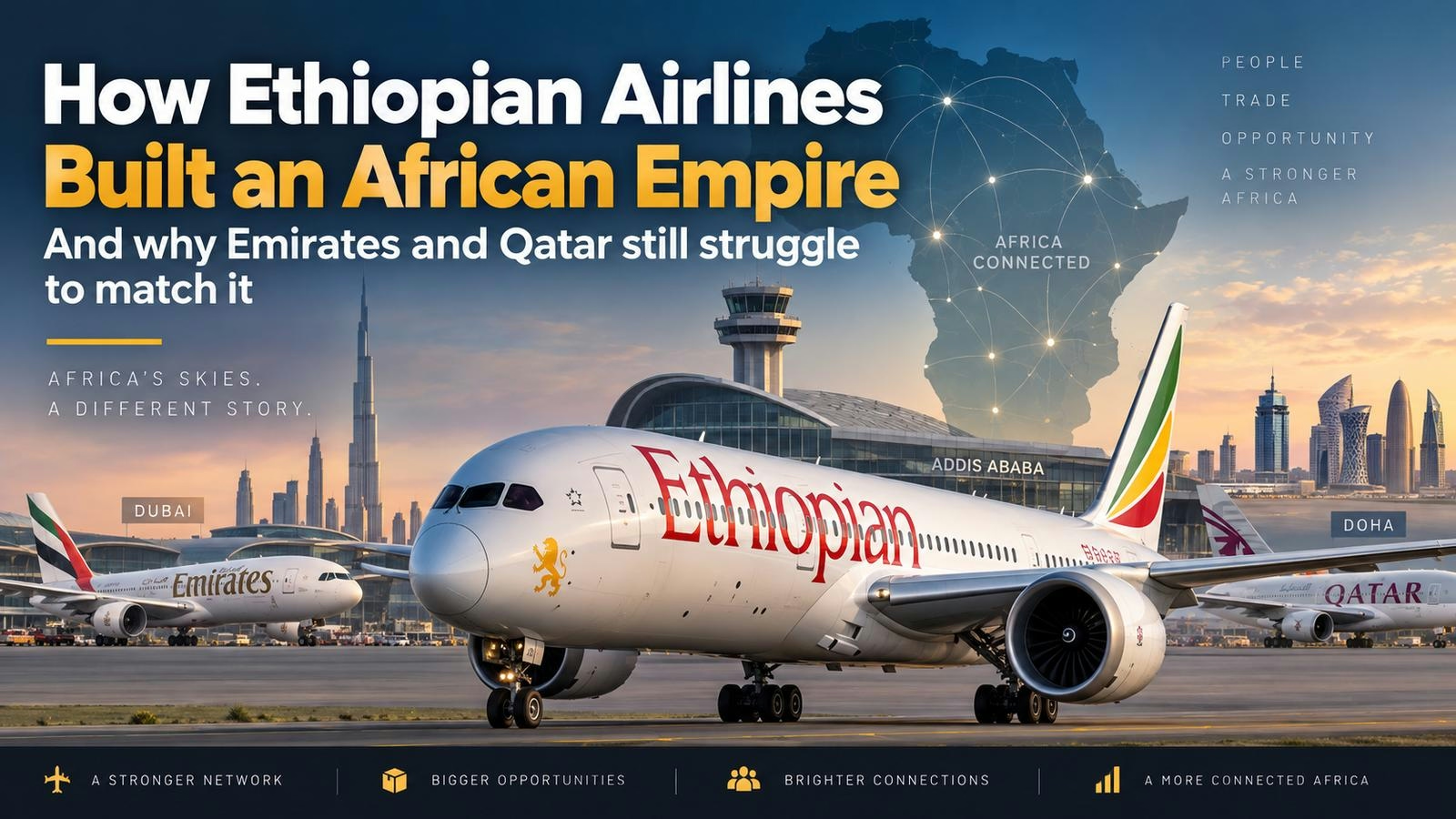
How Ethiopian Airlines Became Africa’s Leading Carrier Amid Gulf Competition

Joby Aviation Extends Autonomous Flight Capabilities with Cross-Country Tour
