
Zet AI‑inzichten om in gerichte actie

Trending
Categories
United Airlines CEO Criticizes Rolls-Royce Amid Aviation Contract Dispute
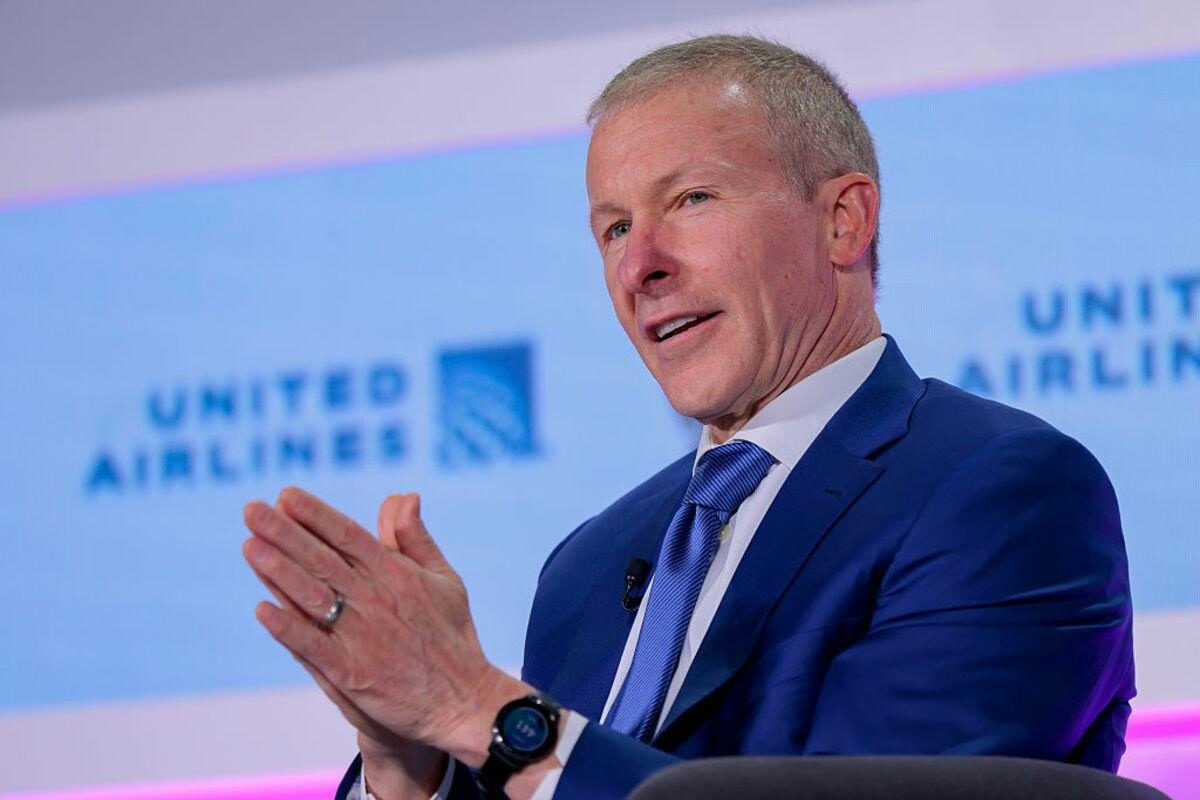
United Airlines CEO Criticizes Rolls-Royce Amid Aviation Contract Dispute
United Airlines CEO Scott Kirby has issued a rare and pointed public criticism of British engine manufacturer Rolls-Royce, escalating a significant contractual dispute that highlights vulnerabilities within the global aviation supply chain. The conflict centers on the pricing and reliability of Rolls-Royce’s Trent XWB engines, which power United’s Airbus A350 fleet. The dispute has already prompted United to cancel an order for 45 A350 aircraft, an unprecedented decision that underscores the gravity of the situation.
Contract Dispute and Its Implications
The core of the disagreement lies in Rolls-Royce’s attempt to revise its “power-by-the-hour” maintenance contracts by increasing rates to improve its profitability. These contracts require airlines to pay a fixed hourly fee for engine usage, with the manufacturer responsible for all maintenance and overhaul expenses. However, ongoing supply chain disruptions have caused prolonged engine downtimes, leaving aircraft grounded for months while airlines continue to pay premium fees for non-operational equipment.
Kirby has been unequivocal in his condemnation, stating that Rolls-Royce is “in the doghouse” and rejecting the new contract terms, which he argues unfairly transfer the financial consequences of supply chain failures onto airlines. The cancellation of United’s A350 order also exposes the risks inherent in exclusive engine supplier arrangements, as Rolls-Royce is the sole provider for the A350. This exclusivity leaves airlines exposed to significant operational vulnerabilities when supply issues arise.
Broader Industry Challenges
The dispute between United and Rolls-Royce reflects wider systemic challenges affecting the aerospace sector. Material shortages, particularly of aerospace-grade titanium and advanced composites, have slowed the production of critical engine components. Additionally, the pandemic has resulted in a substantial loss of skilled engineers and technicians, creating a persistent labor shortage. Modern engines, while more efficient, demand more frequent and intensive maintenance, placing further strain on repair facilities. Globally, airlines face billions of dollars in grounded aircraft awaiting replacement engines, undermining route profitability and operational flexibility.
Kirby’s criticism extends beyond Rolls-Royce to aircraft manufacturers, whom he accuses of exacerbating risks through reliance on single engine suppliers. He warns that such exclusivity agreements magnify vulnerabilities, especially as engine shortages increasingly constrain airline growth and fleet management.
Industry Response and Future Outlook
The public nature of the United-Rolls-Royce dispute has drawn widespread attention to issues of engine supplier reliability and supply chain resilience. Market analysts are closely monitoring how Rolls-Royce and competitors such as General Electric respond to growing demands for greater transparency and contractual flexibility. Airlines may increasingly pursue diversified engine partnerships or seek to renegotiate exclusivity clauses to reduce exposure to similar risks.
Competitors are also reevaluating their supplier strategies to avoid becoming embroiled in comparable conflicts. This episode signals a potential shift in industry dynamics, as airlines push back against monopolistic practices and advocate for more robust and responsive supply chains.
The dispute between United Airlines and Rolls-Royce represents more than a contractual disagreement; it serves as a critical juncture in the commercial aviation industry’s ongoing struggle with supply chain fragility and the challenges posed by exclusivity agreements. Both manufacturers and airlines face mounting pressure to adapt to these realities or risk further disruption in an already strained sector.

Etihad Airways Suspends Airbus A380 Flights on Key Route

Aditya Birla Group Seeks Approval for Aircraft Leasing in GIFT City

Qatar Airways Highlights Innovation and Connectivity at Arabian Travel Market 2026

Hong Kong's Five-Year Plan Includes Andrew Fan's Aircraft Parts Processing Hub Proposal

ACIA Aero Leasing Delivers ATR72-600 to Air Nostrum

RTX Appoints Jill Albertelli as Head of Pratt & Whitney

TAT Technologies Joins Beyond Aero Hydrogen Aircraft Program

AURAK Study Highlights Barriers to Air Taxi Adoption in Emerging Economies

Xiamen Air Selects Altitude for 787 Maintenance at Heathrow

Etihad and Swissport Extend Global Partnership
