
Zet AI‑inzichten om in gerichte actie

Trending
Categories
United Airlines Restarts Controversial AI Scheduling for Flight Attendants
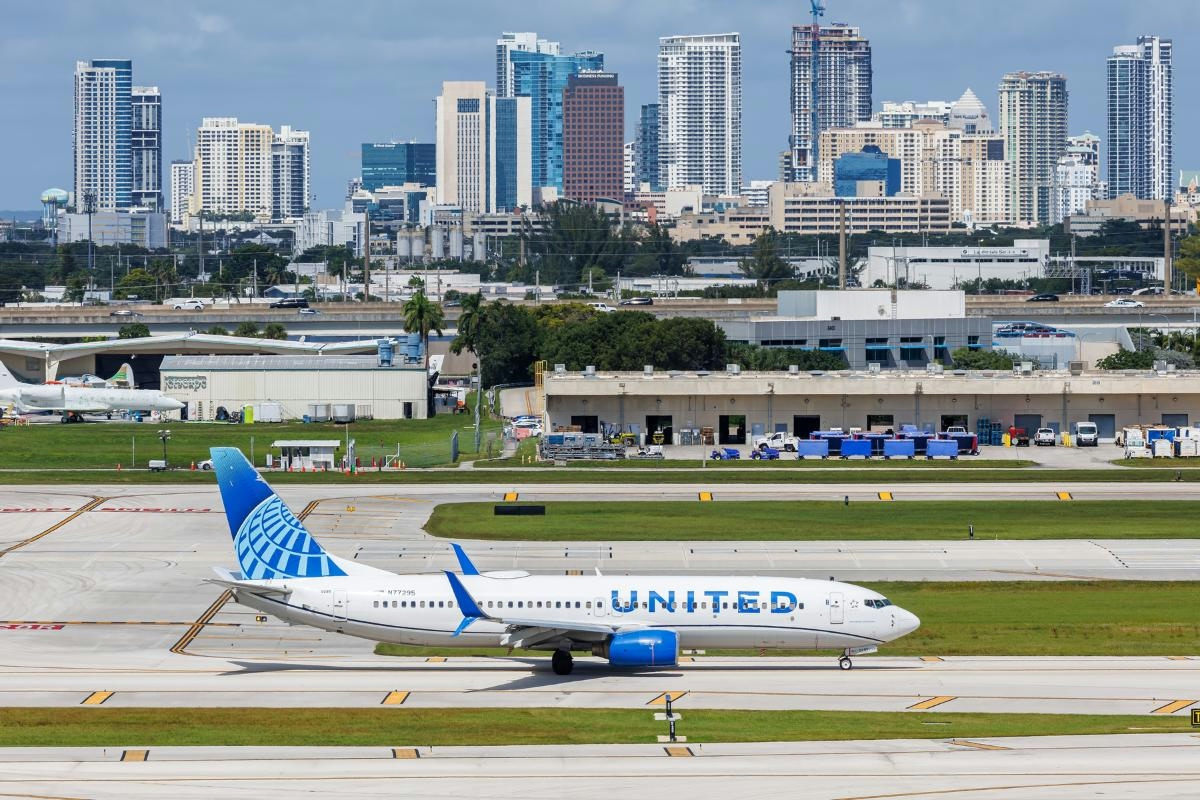
United Airlines Restarts Controversial AI Scheduling for Flight Attendants
United Airlines has reignited tensions with its flight attendants by announcing the reintroduction of an artificial intelligence-driven scheduling system, months after suspending the initiative amid union opposition. The Chicago-based carrier informed its flight attendants via email that it has initiated a “joint process with AFA to modernize bidding in a way that gives flight attendants more say in their schedules and more flexibility around what they value most.” This development coincides with renewed contract negotiations between United and the Association of Flight Attendants (AFA-CWA), following the union’s rejection of a tentative agreement in July.
The Preferential Bidding System and Union Concerns
The proposed scheduling tool, known as the Preferential Bidding System (PBS), is already employed by several major airlines worldwide. PBS enables crew members to submit detailed monthly preferences regarding destinations, layovers, days off, and aircraft types. While designed to better accommodate individual lifestyles, the system ultimately prioritizes the airline’s operational requirements, which can supersede personal preferences.
Traditionally, United’s flight attendants have relied on a seniority-based line bidding system, selecting from pre-constructed trips in order of seniority. This approach has been praised for its transparency and predictability, particularly benefiting less-senior employees who can realistically assess available trips. The union has consistently opposed the PBS, arguing that it diminishes transparency and risks disadvantaging junior staff.
Industry Trends and Competitive Pressures
United’s renewed push for AI-driven scheduling reflects broader trends within the airline industry, where companies are increasingly adopting AI and automation not only in crew scheduling but also in pricing strategies. This technological shift has attracted regulatory scrutiny and raised concerns about surveillance and personalized pricing models. Notably, major carriers such as Lufthansa Group and Tripadvisor have attributed significant workforce reductions to AI and automation, intensifying debates over job security and labor relations.
The competitive environment among U.S. airlines is also heating up. American Airlines, the market leader, has responded assertively to United’s initiatives. CEO Robert Isom recently underscored American’s strong market position and successful loyalty program in response to remarks from United CEO Scott Kirby. These exchanges underscore the high stakes as airlines leverage technology to secure operational efficiencies and financial gains.
Broader Implications of AI Adoption
Beyond aviation, the AI sector faces its own challenges. Alphabet CEO Sundar Pichai has cautioned against “irrationality” in the current surge of trillion-dollar AI investments, warning that overinvestment could have far-reaching consequences across multiple industries, including aviation.
As United moves forward with its plans to modernize scheduling, it must carefully balance the pursuit of operational efficiency with the concerns of its workforce. The outcome of ongoing negotiations with the flight attendants’ union will likely influence how airlines integrate automation technologies while maintaining constructive labor relations in an increasingly AI-driven industry.

Adobe Warns AI-Driven Trip Planning Challenges Travel Sites

The Global Parts Shortage
GE Aerospace's Robust Capital Position Fuels Higher Shareholder Returns
AI Advances Support Sustainable Aviation and Efficient Flight Paths
Airbus Faces Freighter Deadline Amid Weak Order Growth and Stagnant Shares
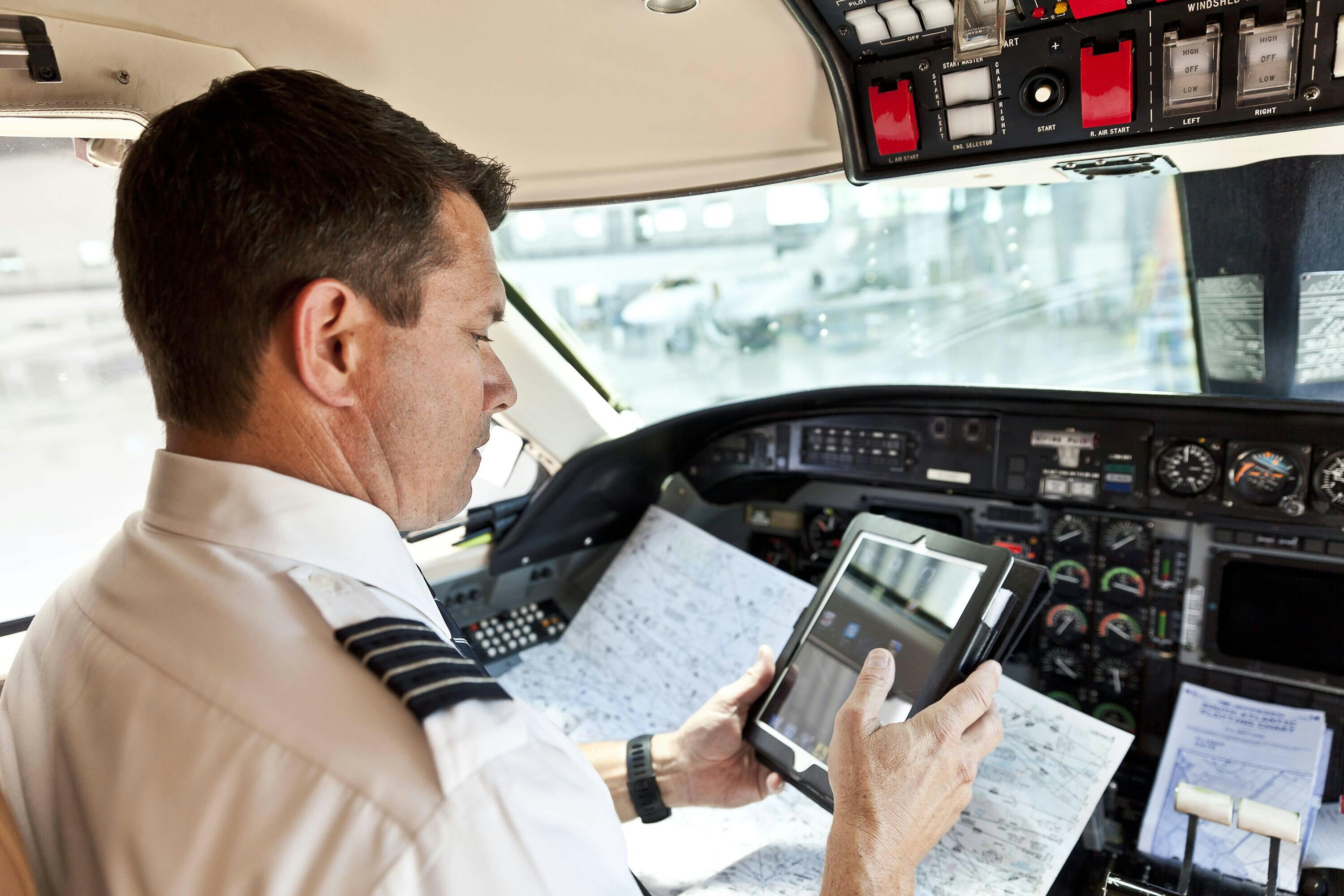
Integrated CNS System for Low-Altitude Aircraft

Chinese Robots Debut in Aviation and Military Roles at WRC 2026
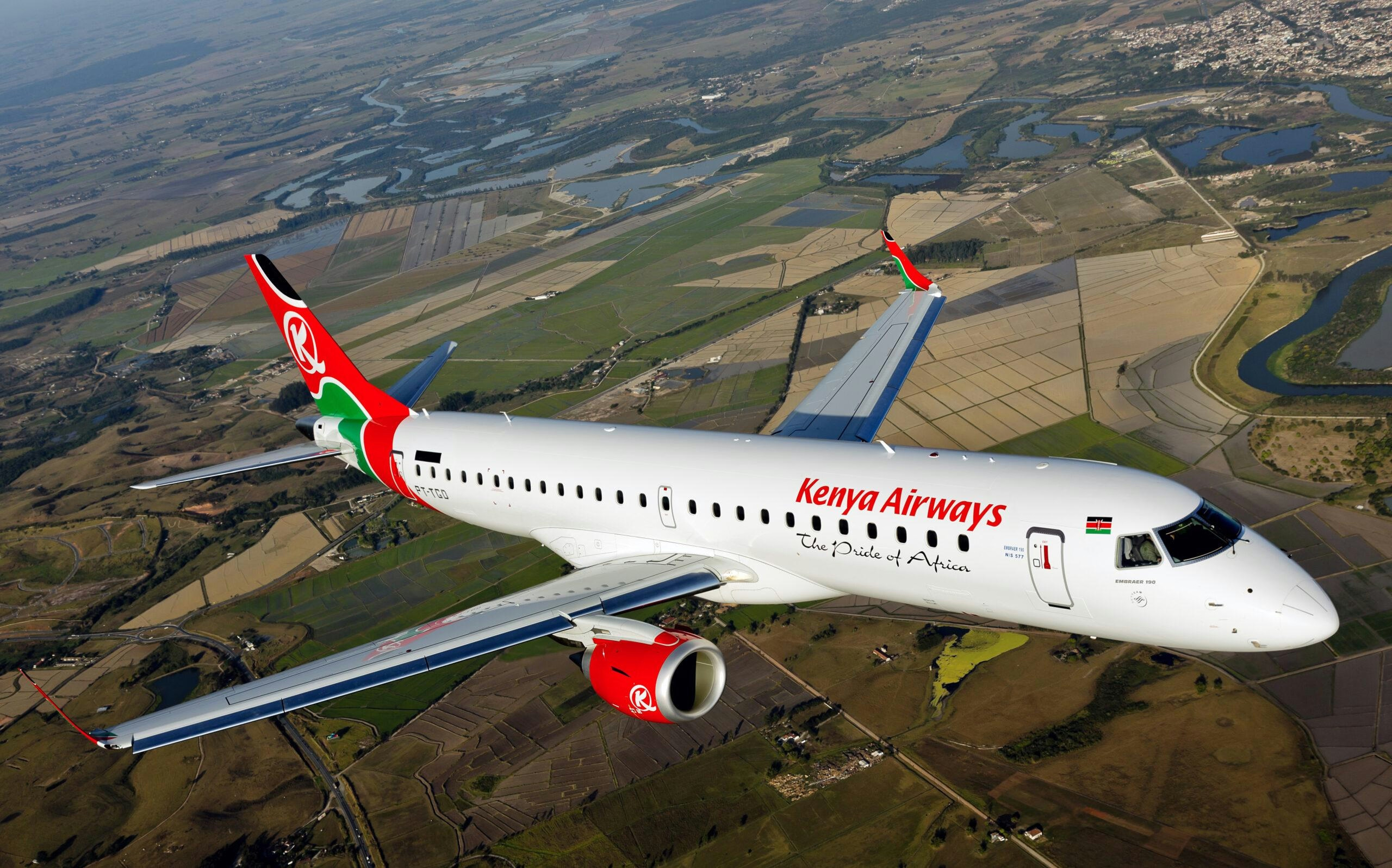
Kenya Airways Aims to Resume Operations of Grounded Fleet by Early 2027
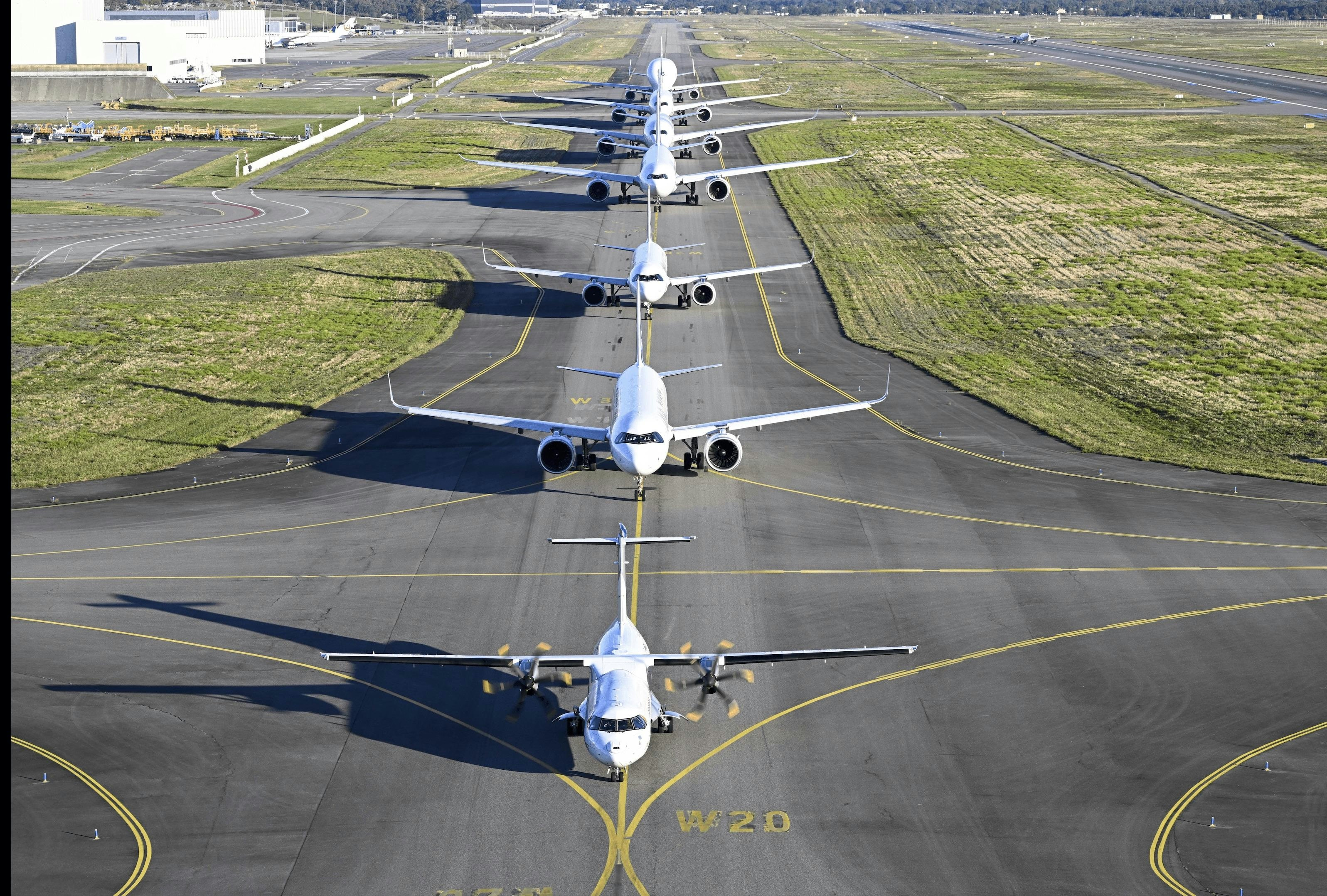
Avora Aviation Completes A320 Sale-Leaseback Agreement with FTAI
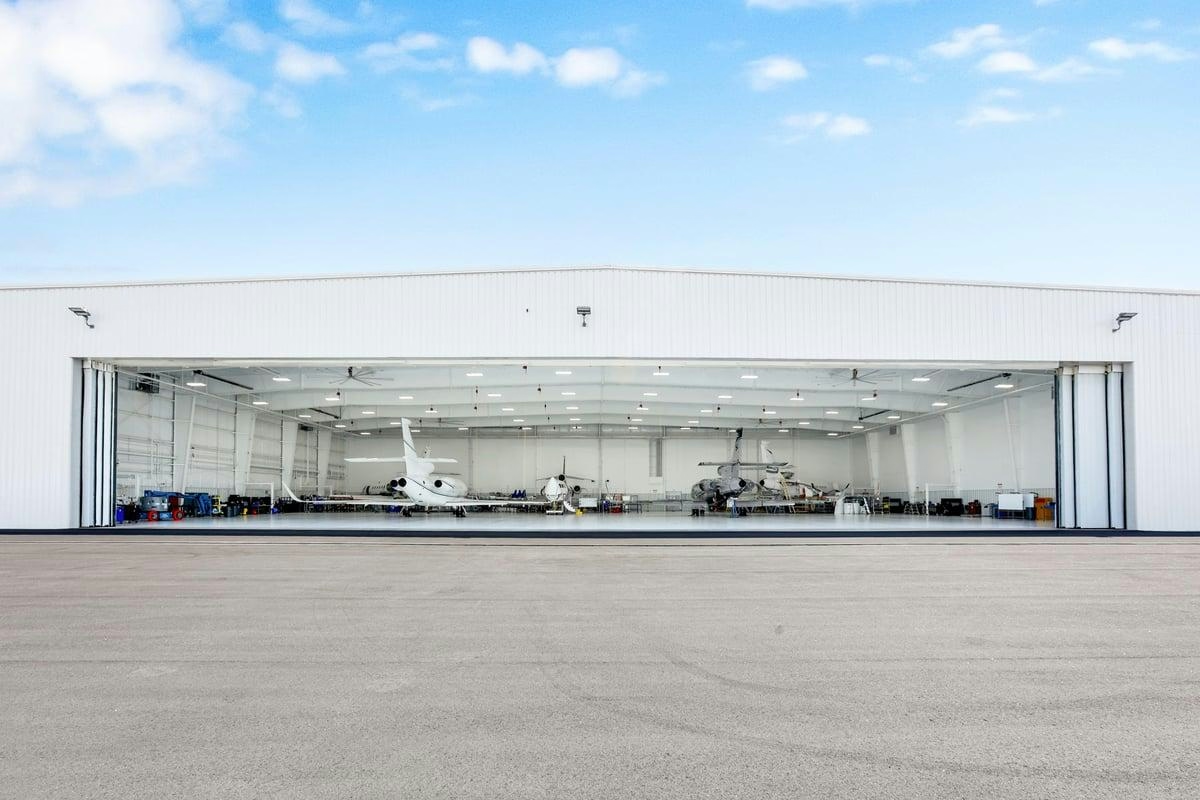
StandardAero Expands Bombardier Global MRO Services at Van Nuys Facility
