
Zet AI‑inzichten om in gerichte actie

Trending
Categories
U.S. Defense Supply Chains Respond to Increased Demand for NSN-Certified Aircraft Parts
U.S. Defense Supply Chains Respond to Increased Demand for NSN-Certified Aircraft Parts
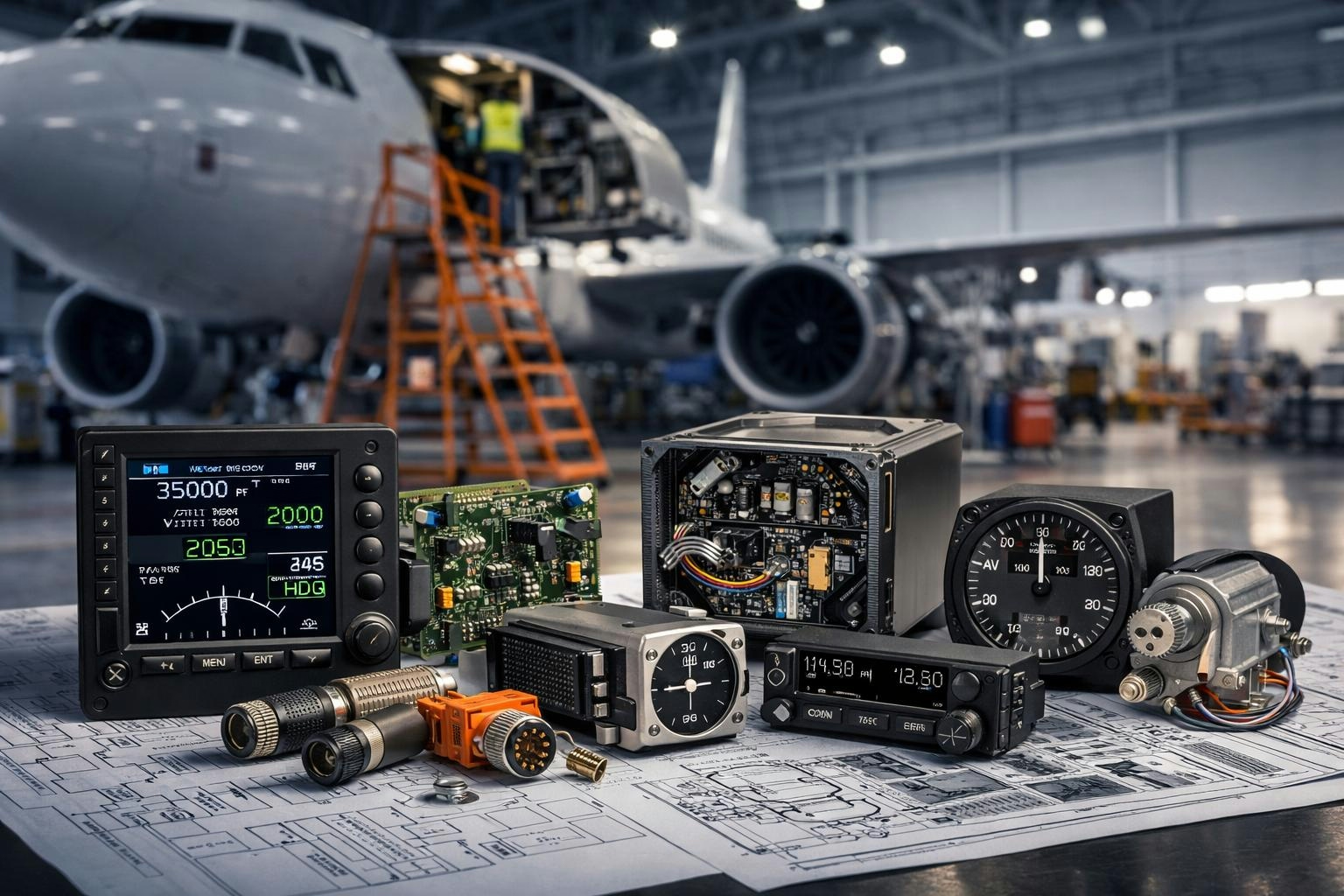
The U.S. defense sector is experiencing a significant surge in demand for National Stock Number (NSN)-certified aircraft components, prompting a transformation in supply chain operations. These standardized and traceable parts are vital to ensuring that military aircraft systems adhere to stringent quality and performance standards. As global geopolitical tensions intensify and operational readiness becomes paramount, the reliance on NSN-certified components has become increasingly critical.
The Importance of NSN-Certified Components in Defense Aviation
NSN-certified parts differ fundamentally from ordinary components, as they are specifically approved for defense and aerospace applications, guaranteeing reliability and compliance with rigorous standards. In the aviation domain, where even minor component failures can have severe consequences, the use of verified parts is indispensable. The expansion of defense budgets and modernization initiatives has further amplified the demand for these certified components, particularly as aging aircraft fleets require more frequent maintenance to sustain mission readiness.
Challenges Facing Supply Chains Amid Rising Demand
The escalating need for NSN-certified parts is placing considerable strain on traditional supply chains. Industry analyses reveal that the rapid growth of the space sector is exacerbating these pressures, with demand outstripping supplier capacity. Reports from the Aerospace Industries Association and PwC indicate that supply chains are increasingly stretched, while findings from RELEX show that 89% of manufacturers are adversely affected by tariffs and evolving trade policies. These dynamics have resulted in extended lead times and more inflexible supply commitments, complicating efforts to maintain consistent availability of critical components.
Military space programs, in particular, face additional challenges due to hidden supplier constraints and limited transparency in supply chain data, as highlighted by SpaceNews. This opacity underscores the urgent need for enhanced collaboration between defense agencies and industry partners to improve supply chain visibility and risk management.
Modernization Efforts and Strategic Adaptations
In response to these challenges, U.S. defense supply chains are adopting modernized procurement strategies. There is a discernible shift toward diversified sourcing to reduce reliance on single suppliers and mitigate the risk of delays. The integration of digital platforms and advanced search tools has enabled procurement teams to more efficiently identify and acquire certified components, thereby streamlining operations and reducing downtime.
Strengthening supplier networks has also become a strategic priority. Defense organizations are cultivating closer partnerships with manufacturers and distributors known for delivering high-quality, certified parts consistently. Supplier evaluations now place greater emphasis on certification status, delivery reliability, and traceability, ensuring that only the most dependable partners are incorporated into the supply chain.
Technological Investments and Inventory Management
Leading industry players, including Boeing Global Services, are investing in artificial intelligence and sophisticated inventory management systems to alleviate ongoing supply chain constraints. The application of predictive analytics and data-driven demand forecasting is fostering a more proactive approach, enabling supply chains to anticipate requirements rather than merely respond to shortages. Nonetheless, experts caution that a full return to pre-pandemic supply chain performance levels is unlikely within this decade, reflecting the persistent nature of these challenges.
Outlook for Defense Supply Chains
As the U.S. defense sector continues to grapple with rising demand for NSN-certified aircraft parts, supply chains are evolving through diversification, technological innovation, and enhanced collaboration with industry partners. Despite enduring obstacles such as supplier capacity limitations and global trade uncertainties, these adaptive measures are essential to sustaining the readiness and reliability of the nation’s military aviation capabilities.

Duncan Aviation Tests Gogo 5G on Citation Excel
Concorde’s Heir Prepares for First Engine Test

Airbus Shares Navigate Between Labor Strikes and Strong Order Book
PD-35 Gas Generator Demonstrates Cooler Operation Than GE9X

ExecuJet Malaysia Completes Falcon 8X C-Check
LATAM Airlines Obtains $505 Million Financing for 2026 Aircraft Deliveries

IndiGo Ventures Invests in Sarvam to Advance AI in Aviation

ADE Revenue Increases 29% Amid Growing MRO Demand

Willis Lease to Open Engine Repair Center in Malaysia

Matt Silverberg Appointed CEO of B&H Worldwide
