
Zet AI‑inzichten om in gerichte actie

Trending
Categories
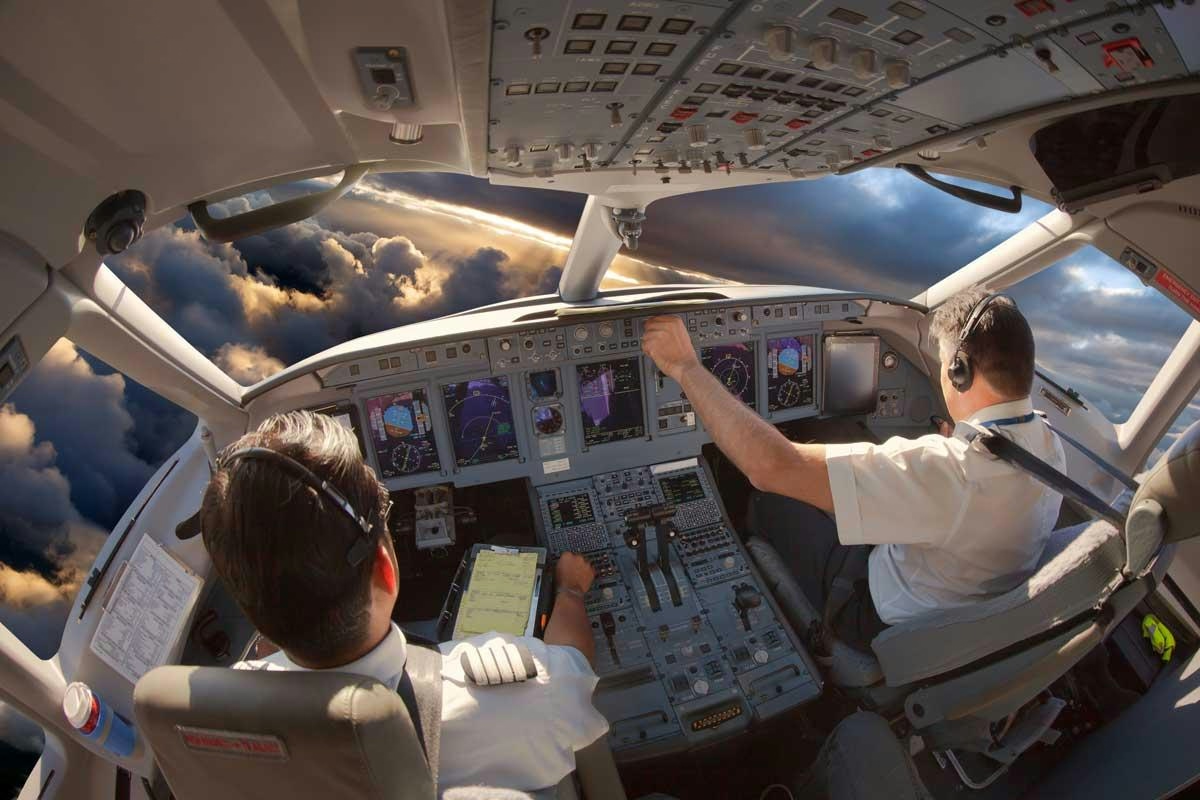
US Pilot Hourly Pay Ranges from $90 for Regional to $465 for Widebody Flights
US Pilot Hourly Pay Ranges from $90 for Regional to $465 for Widebody Flights
The hourly pay for pilots in the United States varies widely, reflecting a complex career trajectory shaped by experience, seniority, and aircraft type. A first-year regional airline first officer can expect to earn between $90 and $110 per flight hour under current contracts. In stark contrast, a senior widebody captain at a major airline may earn upwards of $465 per hour. This substantial disparity underscores the multifaceted nature of pilot compensation, which evolves not only through annual raises but also through critical career milestones such as upgrading to captain, transitioning from regional to major carriers, and moving between aircraft categories.
Pilot earnings are also highly sensitive to timing and career progression. Many pilots spend years accumulating flight hours before securing a position with an airline. Once hired, a regional first officer might advance to captain within approximately two years, though this promotion can be accompanied by a temporary pay reduction if the pilot moves to a major airline as a new first officer. From that point, seniority and aircraft assignments play a decisive role in shaping income potential. By the time a pilot attains the rank of senior widebody captain, their hourly compensation can be nearly five times that of a starting regional first officer.
Regional Starting Pay Has Risen Sharply
Entry-level pay for regional pilots has seen a marked increase in recent years, reflecting the industry's urgent need to attract and retain qualified personnel amid intense competition from major carriers. For instance, in 2026, SkyWest Airlines offers a first-year first officer rate of $92.73 per flight hour, while Endeavor Air provides $105.08. Most regional airlines now cluster their starting pay between $95 and $105 per hour. With a contractual guarantee of 75 flight hours per month following initial training, base annual earnings for regional first officers range from approximately $83,000 to $95,000, excluding additional flying hours, per diem allowances, bonuses, or other forms of compensation.
This represents a significant shift from previous decades when regional first officers often earned less than $40,000 annually. The sharp rise in starting pay is driven by the operational necessity of retaining pilots rather than voluntary wage increases. For example, SkyWest’s pay scale increases from $92.73 in the first year to $98.08 by the third year, making regional flying a more financially viable entry point than in the past.
Among regional carriers in 2026, first-year first officer hourly pay rates include $92.73 at SkyWest and Republic Airways, $105.08 at Endeavor Air, $99.00 at Envoy Air, and $102.00 at PSA Airlines.
Major Pay Jumps and Industry Challenges
The most significant increase in pilot compensation typically occurs upon upgrading to captain. Regional first officers often experience a shorter path to captaincy compared to their counterparts at major airlines, with promotions possible within 18 to 24 months depending on staffing levels and seniority.
Despite the rise in regional pay, disparities across the aviation industry continue to affect pilot recruitment and retention. Military flight pay caps have remained stagnant for decades, making commercial airline careers increasingly attractive and intensifying competition for experienced pilots. In response, airlines frequently adjust pay scales and operational strategies to attract and retain talent while managing costs and maintaining service quality.
Ongoing contract negotiations, such as those at Delta Air Lines, highlight the challenges of balancing pilot compensation demands with operational requirements. Scheduling disruptions and the need for competitive pay packages illustrate the evolving landscape of pilot remuneration in the United States, as both airlines and pilots navigate a market defined by opportunity and complexity.
NASA Chooses University Teams to Support Aviation Research
Hypersonic blast converts diamond to graphite, could aid defense armor
Achieving the AMES Rating in a Lockwood AirCam
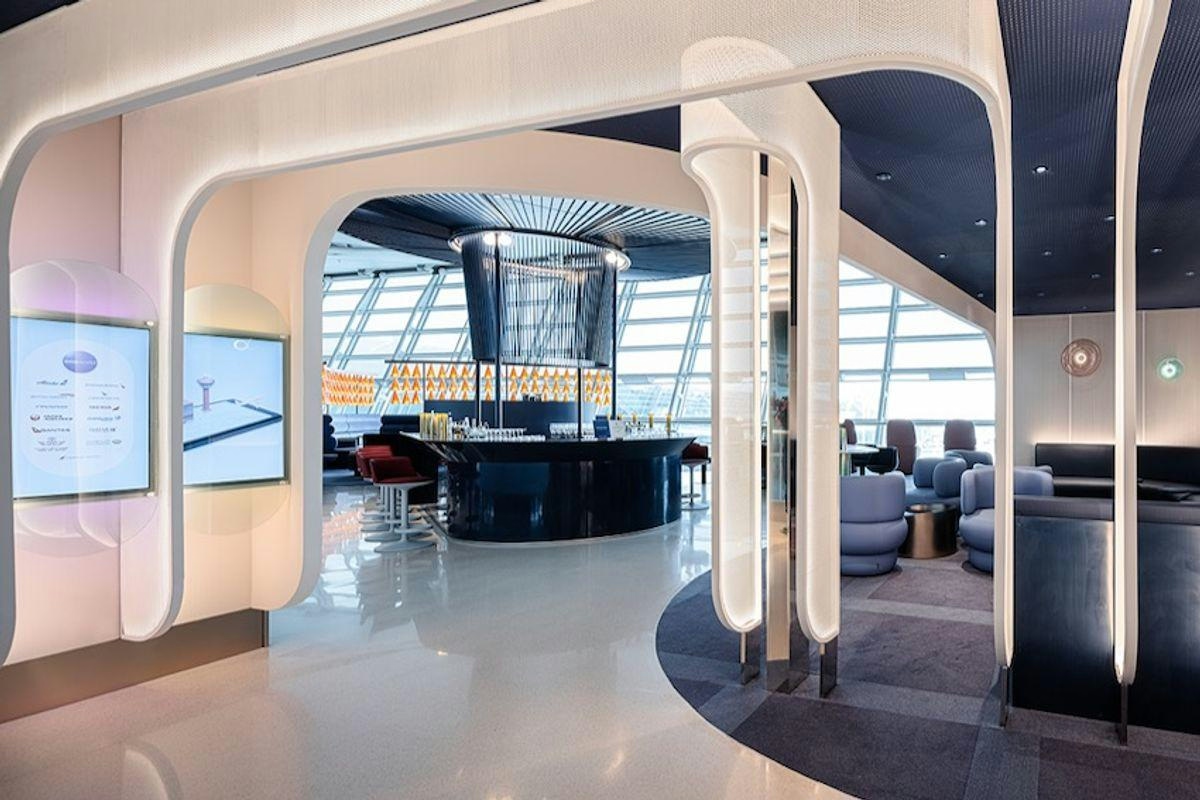
Oneworld on Digital Transformation and Passenger Experience in Airport Technology
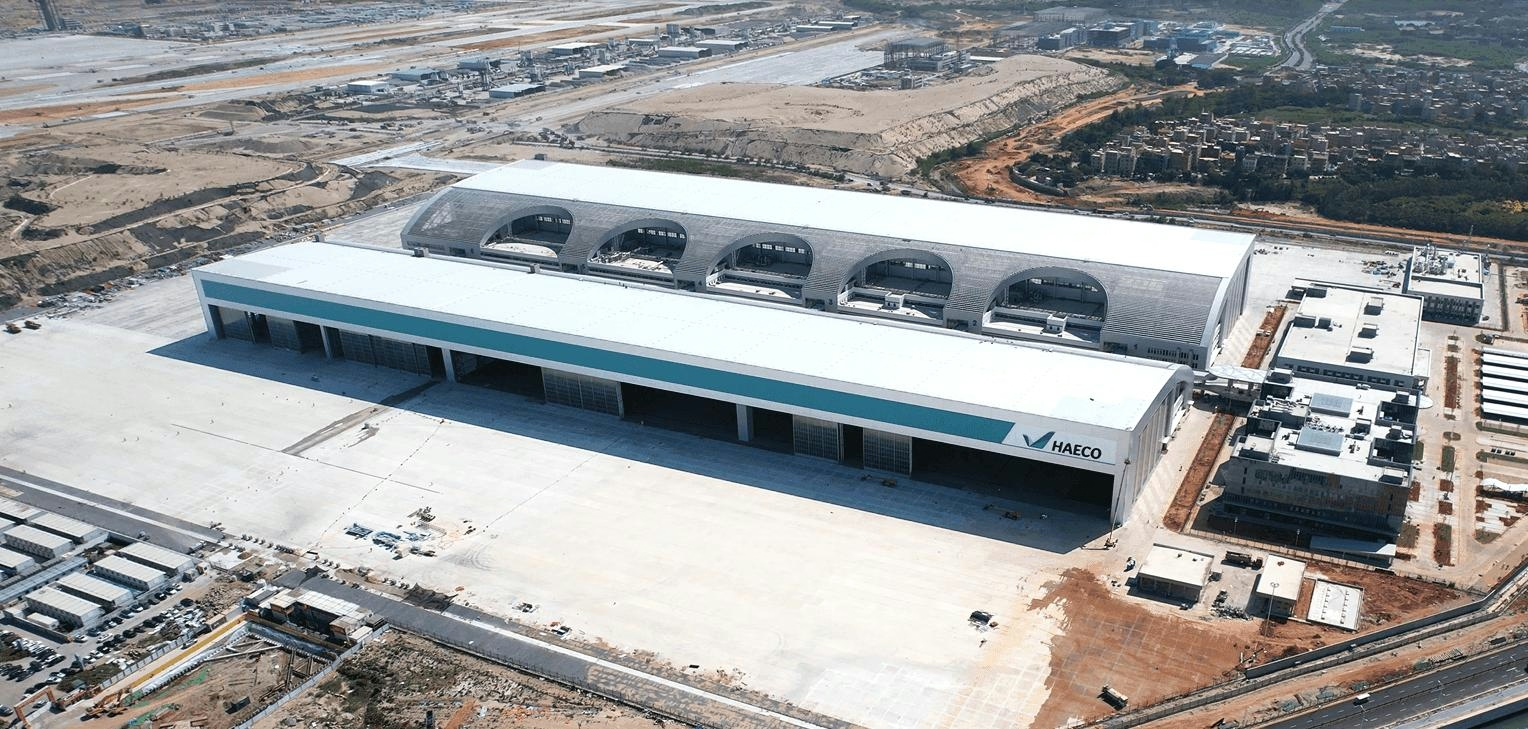
CALC and HAECO Establish Aircraft Engine Maintenance Center in Hong Kong
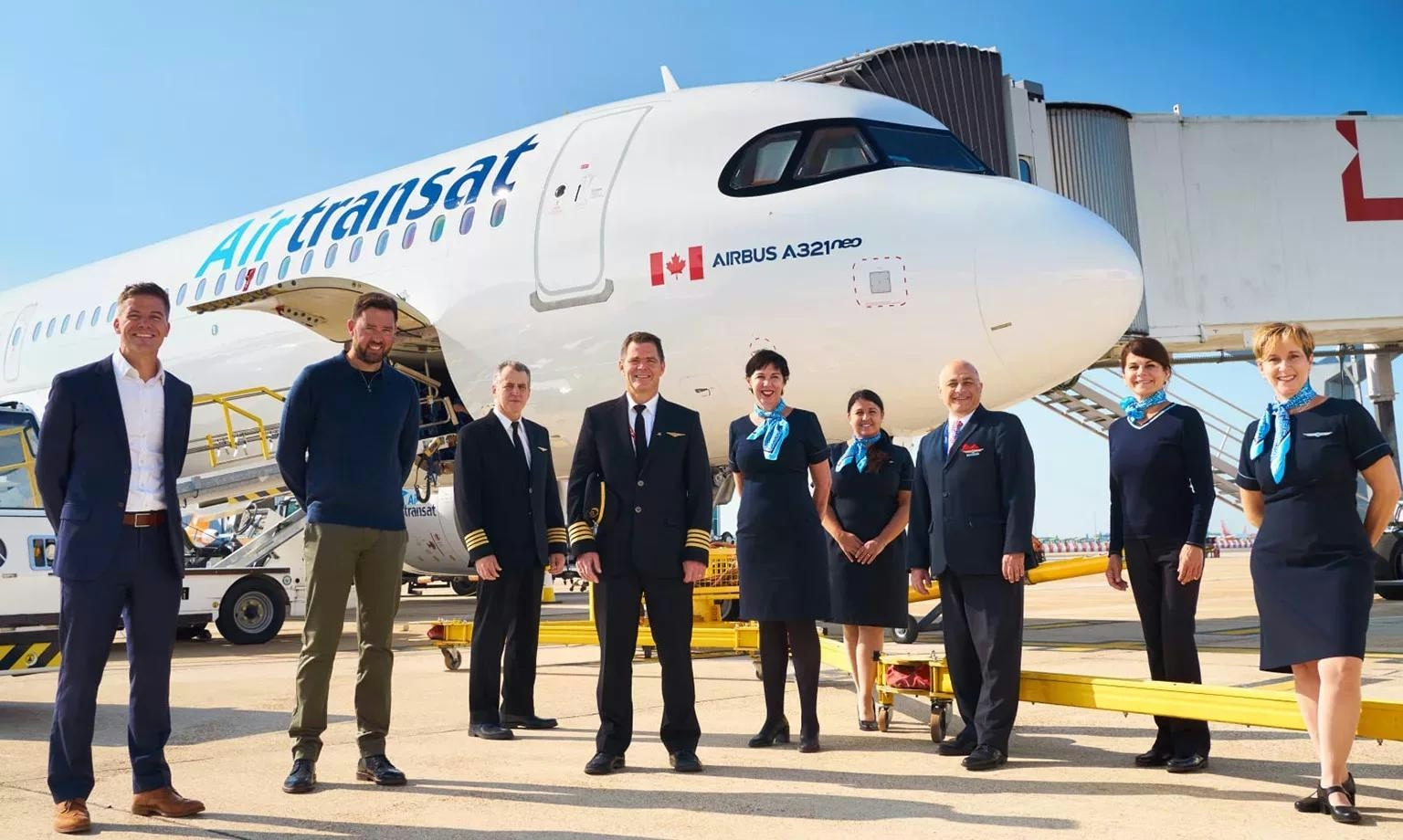
Air Transat Partners with StratosX to Address Flight Disruptions Using AI

Discover Airlines Introduces AI-Driven Storytelling for Families

Axinom Develops On-Board Cloud to Connect All Cabin Devices
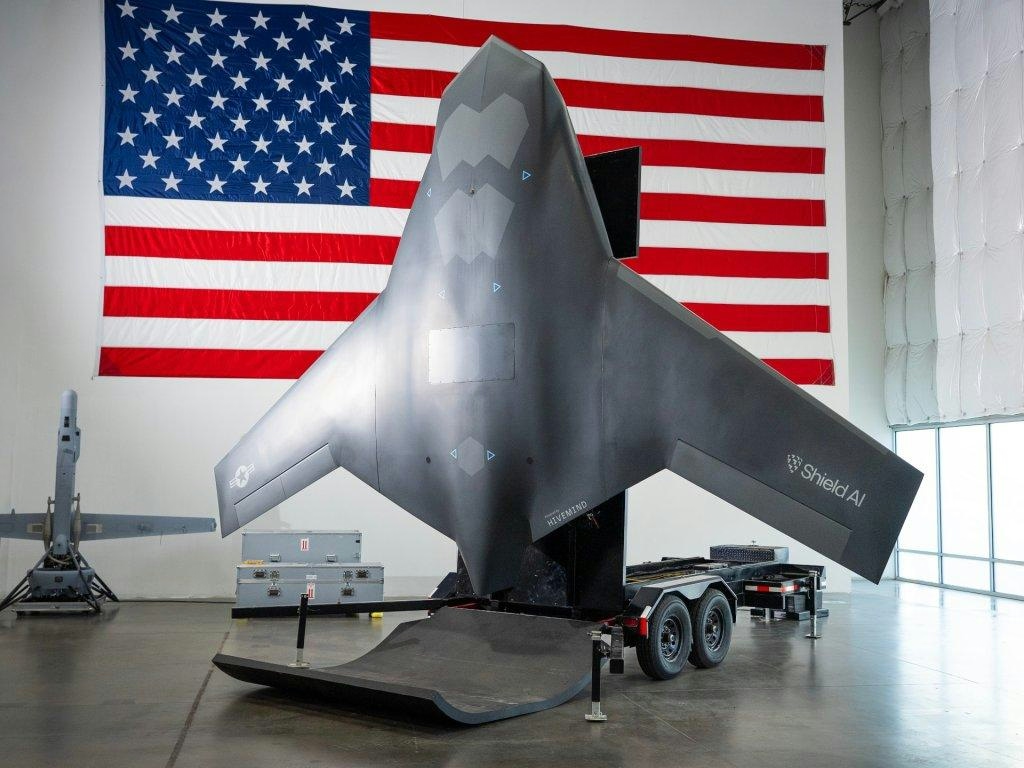
Navy Funds Shield AI’s X-BAT Program as Air Force Holds Back
Pem-Air Partners with Ramco to Digitalize Engine MRO Operations
