
Zet AI‑inzichten om in gerichte actie

Trending
Categories
Using AI in Aircraft Purchases

Using AI in Aircraft Purchases
Expert Guidance in a Complex Market
David G. Mayer, a member of the global Aviation Practice Group at Shackelford, McKinley & Norton in Dallas, provides comprehensive legal counsel on a broad spectrum of private aircraft matters. His expertise encompasses regulatory compliance, tax planning, purchases, sales, leasing, financing, risk management, insurance, aircraft management and operations, hangar leasing, and related corporate issues. Mayer regularly represents a diverse clientele, including corporations, high- and ultra-high-net-worth individuals, flight departments, lessees, borrowers, operators, sellers, purchasers, managers, lessors, and lenders.
Opportunities and Challenges of AI Integration
The integration of artificial intelligence (AI) into the aircraft acquisition process is reshaping industry practices, offering significant potential benefits alongside notable challenges. AI technologies promise to streamline due diligence procedures, optimize financing structures, and improve risk assessment capabilities. Despite these advantages, many stakeholders find it difficult to quantify the direct returns on AI investments. The complexity involved in measuring AI’s impact on transaction efficiency and cost reduction often complicates the justification for initial expenditures by both buyers and sellers.
Regulatory considerations further complicate the adoption of AI in aircraft purchases. As compliance requirements evolve, regulators are increasingly focused on ensuring transparency and accountability in AI-driven decision-making, particularly in high-value transactions. This heightened scrutiny may slow the pace of AI integration, as companies strive to align their systems with both domestic and international regulatory standards.
Market Dynamics and Industry Responses
The aviation sector’s response to AI’s expanding role has been cautious. Concerns about a potential bubble in the AI market have led investors to carefully monitor capital flows and regulatory developments. The risk of market concentration, where a limited number of dominant firms control critical AI technologies, has raised concerns about diminished competition and increased susceptibility to financial shocks. Some analysts warn that a surge in AI-driven debt could exacerbate the risk of a financial downturn, especially if regulatory pressures or shifts in investor sentiment trigger a market correction.
Industry reactions to AI adoption vary widely. While some companies actively embrace AI to secure a competitive advantage, others adopt a more conservative stance due to uncertainties surrounding the long-term costs and benefits. The prospect of a near-term market correction, coupled with intensified scrutiny of AI-related expenses, is prompting many aviation stakeholders to proceed with caution.
Throughout this evolving landscape, Mayer and his colleagues continue to assist clients in navigating the complexities of aircraft transactions, balancing the promise of AI with the inherent risks involved in its integration.
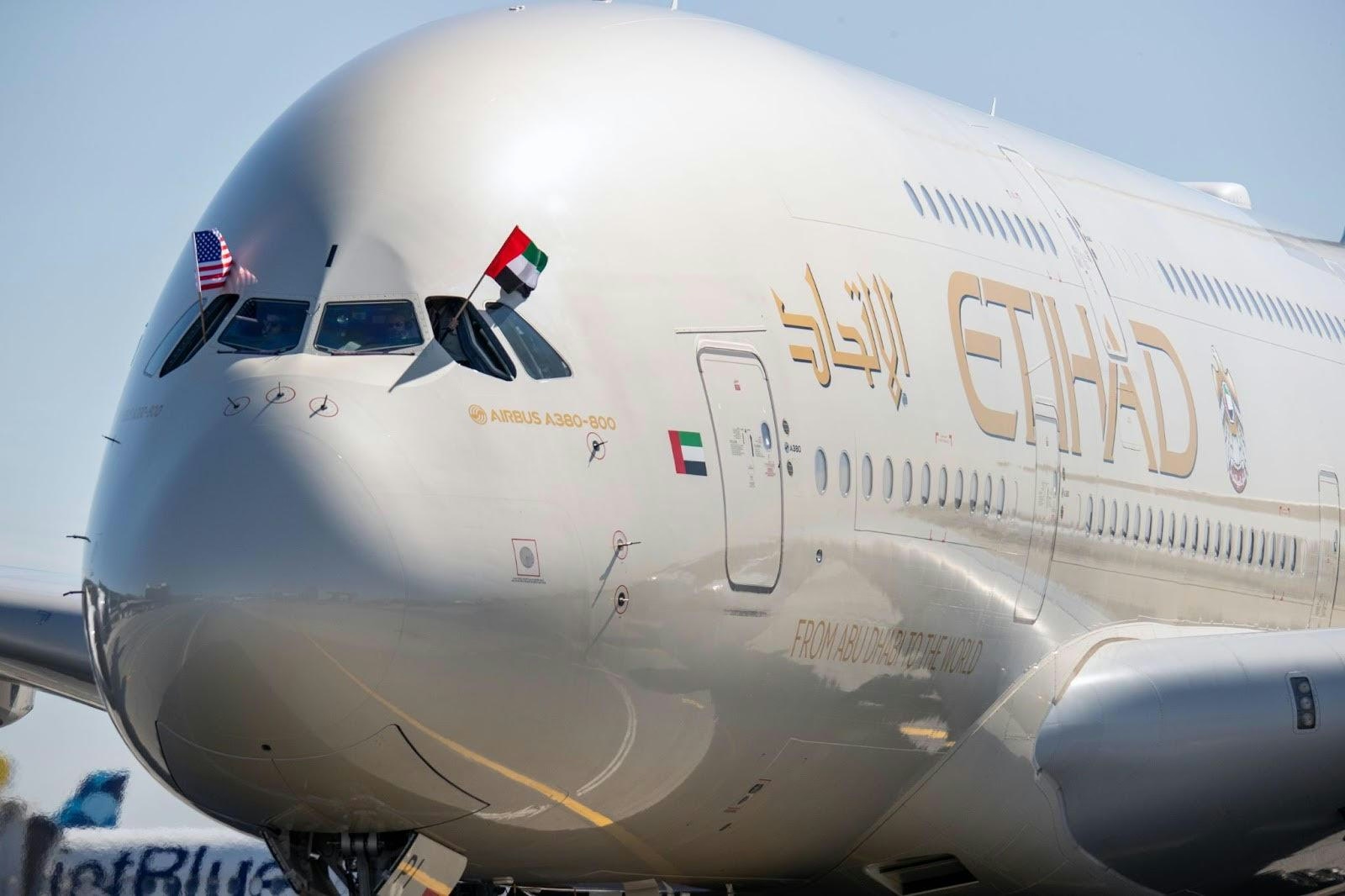
Etihad Airways Suspends Airbus A380 Flights on Key Route

Aditya Birla Group Seeks Approval for Aircraft Leasing in GIFT City

Qatar Airways Highlights Innovation and Connectivity at Arabian Travel Market 2026

Hong Kong's Five-Year Plan Includes Andrew Fan's Aircraft Parts Processing Hub Proposal

ACIA Aero Leasing Delivers ATR72-600 to Air Nostrum
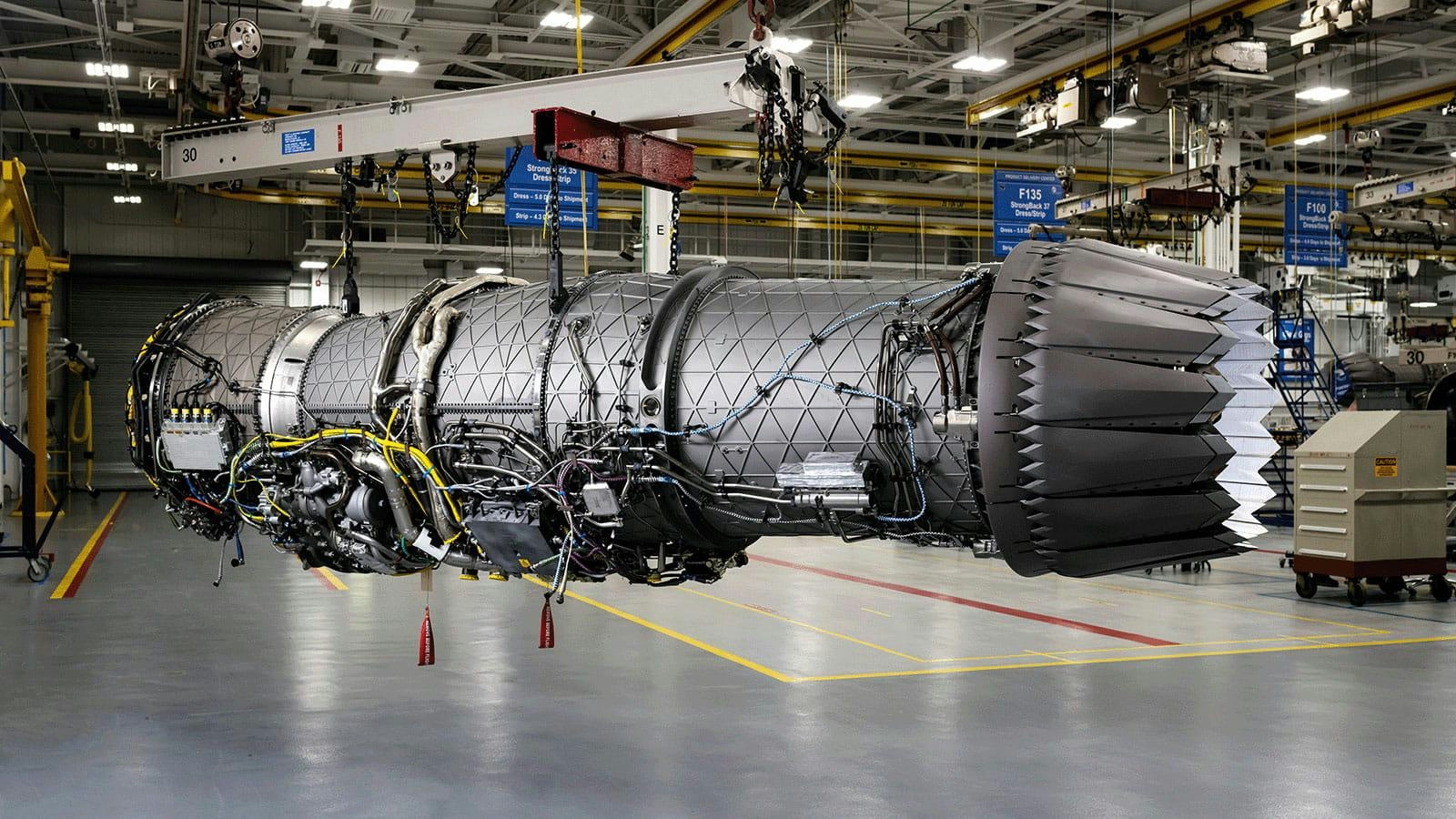
RTX Appoints Jill Albertelli as Head of Pratt & Whitney

TAT Technologies Joins Beyond Aero Hydrogen Aircraft Program

AURAK Study Highlights Barriers to Air Taxi Adoption in Emerging Economies
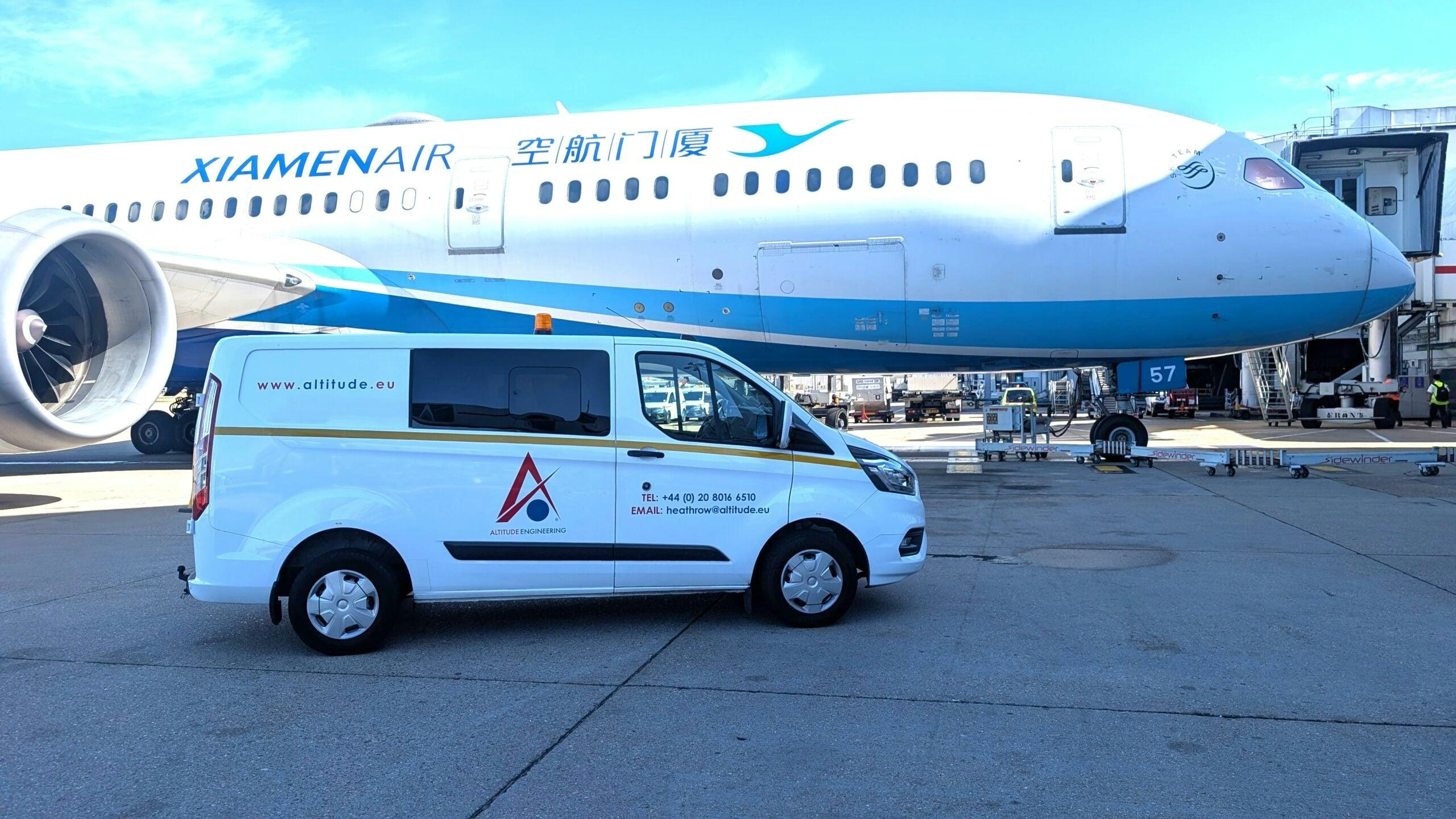
Xiamen Air Selects Altitude for 787 Maintenance at Heathrow

Etihad and Swissport Extend Global Partnership
