image

AeroGenie — Seu copiloto inteligente.

Pergunte qualquer coisa. Analise tudo. Aja imediatamente.

Tendências

Categories

Howmet Aerospace’s Role in Global Aviation and Its Market Valuation

August 18, 2025By ePlane AI
Howmet Aerospace’s Role in Global Aviation and Its Market Valuation
0
0
Howmet Aerospace
Aerospace Components
Aviation Market Valuation

Howmet Aerospace’s Integral Role in Global Aviation

Howmet Aerospace Inc. (NYSE: HWM) plays a pivotal yet often understated role in the global aviation industry. The company manufactures highly engineered components that are essential to nearly every modern aircraft, with its products installed in engines, wings, and fuselages. This critical involvement has established Howmet as a key supplier to both commercial and defense aviation sectors worldwide, underscoring its importance in the aerospace supply chain.

Financial Performance and Market Position

The company’s recent financial results highlight its strong market position amid a competitive and often volatile industry. In the second quarter of 2025, Howmet reported a net income of $407 million, or $1.00 per share, marking a substantial increase from $266 million, or $0.65 per share, in the same period the previous year. The adjusted operating income margin, excluding special items, rose to 25.3%, an improvement of 330 basis points year over year. These figures demonstrate Howmet’s capacity to enhance profitability and maintain operational efficiency despite ongoing challenges within the broader aerospace sector.

Howmet’s robust performance is particularly significant given the intense competition within the aerospace supply chain. Numerous suppliers compete for contracts from major aircraft manufacturers, and the sector remains highly sensitive to fluctuations in global aviation demand, which can be affected by economic cycles, geopolitical developments, and technological advancements. Nevertheless, Howmet’s financial results suggest the company is well-equipped to manage market volatility and seize emerging growth opportunities.

Strategic Strengths and Future Outlook

Industry analysts attribute Howmet’s resilience to several key factors, including its portfolio of long-term contracts, high barriers to entry in its market segments, and a strong reputation for quality and reliability. The company’s emphasis on innovation and capital efficiency has allowed it to sustain healthy margins and deliver consistent returns. As the aviation industry continues its recovery and transformation, Howmet’s strategic positioning and financial robustness may provide a distinct competitive advantage.

Looking forward, Howmet Aerospace’s ability to adapt to evolving market conditions will be critical. While competition and shifts in global demand remain potential challenges, the company’s recent performance reflects a solid foundation for continued growth. Investors and industry observers will be closely monitoring how Howmet leverages its core strengths to maintain and potentially expand its leadership role in the global aerospace market.
More news
Joby Begins Air Taxi Pilot Training Program in California
Joby Begins Air Taxi Pilot Training Program in California

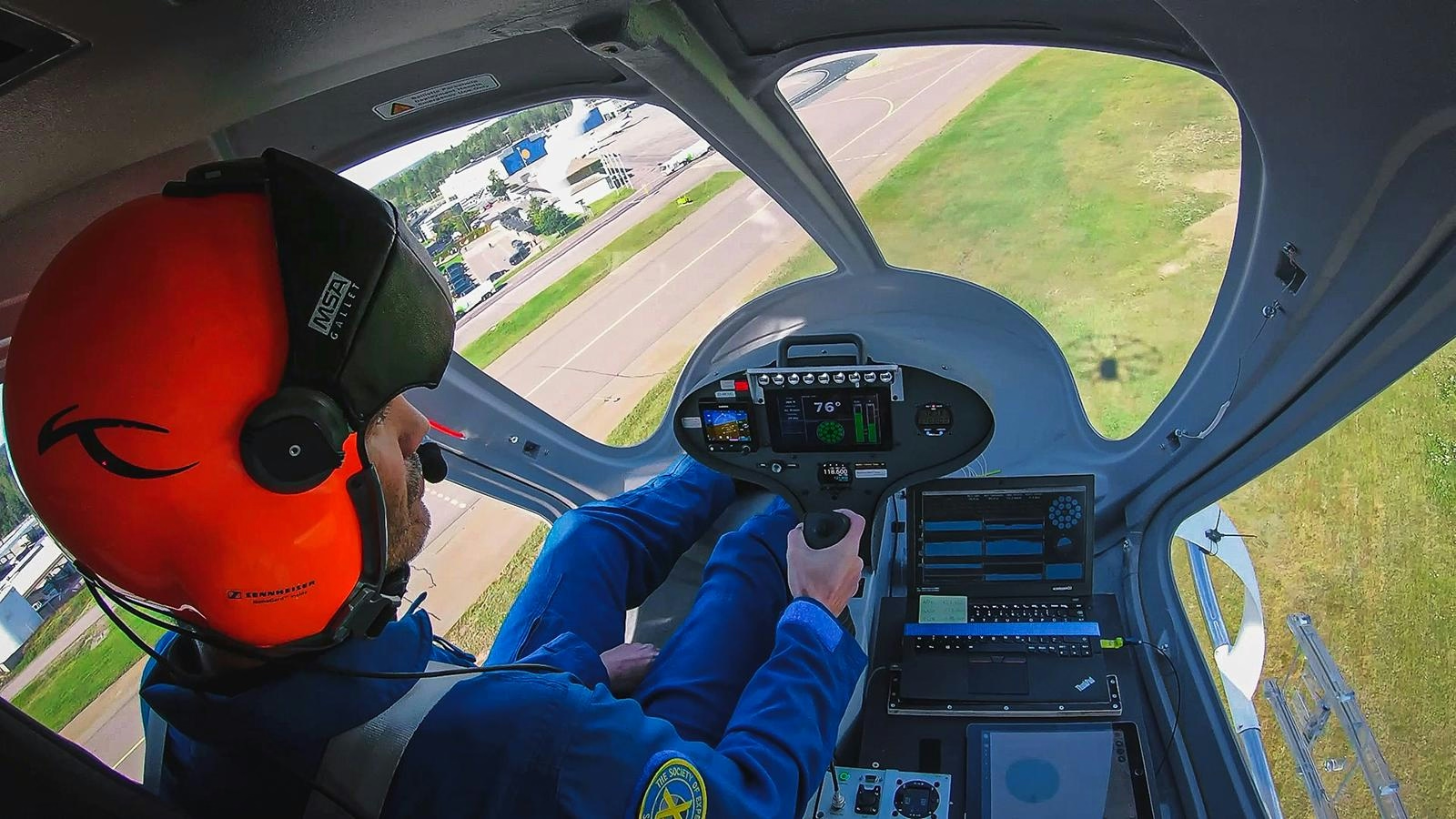
Joby Launches Advanced Air Taxi Pilot Training Program in California Joby Aviation has taken a pivotal step toward the commercialization of electric vertical takeoff and landing (eVTOL) air taxi services by inaugurating its pilot training program in California. In collaboration with global pilot training leader CAE, Joby has completed the installation of the first of two advanced flight simulators at its expanded training facility in Marina, California. These simulators are specifically designed to equip pilots with the skills necessary to meet the unique operational demands of eVTOL aircraft and are integral to the Federal Aviation Administration’s (FAA) certification process. Cutting-Edge Simulator Technology and Training Capacity The newly installed simulators incorporate CAE’s Prodigy Image Generator technology and are powered by Epic Games’ Unreal Engine, creating a hyper-realistic training environment. Pilots benefit from detailed three-dimensional urban visuals combined with high-fidelity audio and vibration systems, enabling them to experience the complexities of navigating congested cityscapes. This immersive environment is critical for mastering the precise control required to safely operate within narrow air taxi corridors and dynamic urban airspace. Joby’s training infrastructure is designed for scalability, with the capacity to train up to 250 pilots annually. The first simulator, a fixed-base device, offers a 300 by 130-degree field of view, immersing pilots in simulated urban environments that closely mirror real-world conditions. A second simulator, a full-motion device scheduled for delivery later this year, will further enhance pilot preparedness by simulating turbulence, urban obstacles, and other operational challenges. Both simulators are being developed to meet rigorous FAA standards. One is classified as a Level 7 Flight Training Device, while the other is designated as a Level C Full Flight Simulator. These certifications are essential milestones in Joby’s pursuit of regulatory approval for commercial air taxi operations. Navigating Regulatory and Market Challenges While the launch of the training program represents a significant milestone, Joby continues to face considerable challenges on the path to full-scale operations. Regulatory hurdles remain substantial as the FAA works to establish comprehensive certification standards for eVTOL aircraft and pilot training. Additionally, safety concerns and technological limitations require ongoing innovation and extensive testing to ensure operational reliability. Market response to Joby’s advancements has been largely positive. Industry analysts forecast strong growth in the eVTOL sector, and investor confidence is reflected in Joby’s stock performance. The company’s ambitious plans to double its manufacturing capacity by 2027 demonstrate its commitment to meeting anticipated demand, although this expansion may encounter logistical and financial challenges. Competition within the electric air taxi market is intensifying, with rivals such as Archer Aviation advancing their own pilot training and certification initiatives. Joby’s partnership with CAE, established in 2022, positions the company to scale its operations effectively and maintain a competitive advantage as the race to commercialize urban air mobility accelerates. With the launch of its new training program and deployment of advanced simulator technology, Joby is laying the foundation for a transformative era in aviation, aiming to safely and efficiently introduce air taxi services to urban centers in the near future.
Joby Receives First CAE Flight Simulator to Enhance Air Taxi Pilot Training in Marina
Joby Receives First CAE Flight Simulator to Enhance Air Taxi Pilot Training in Marina

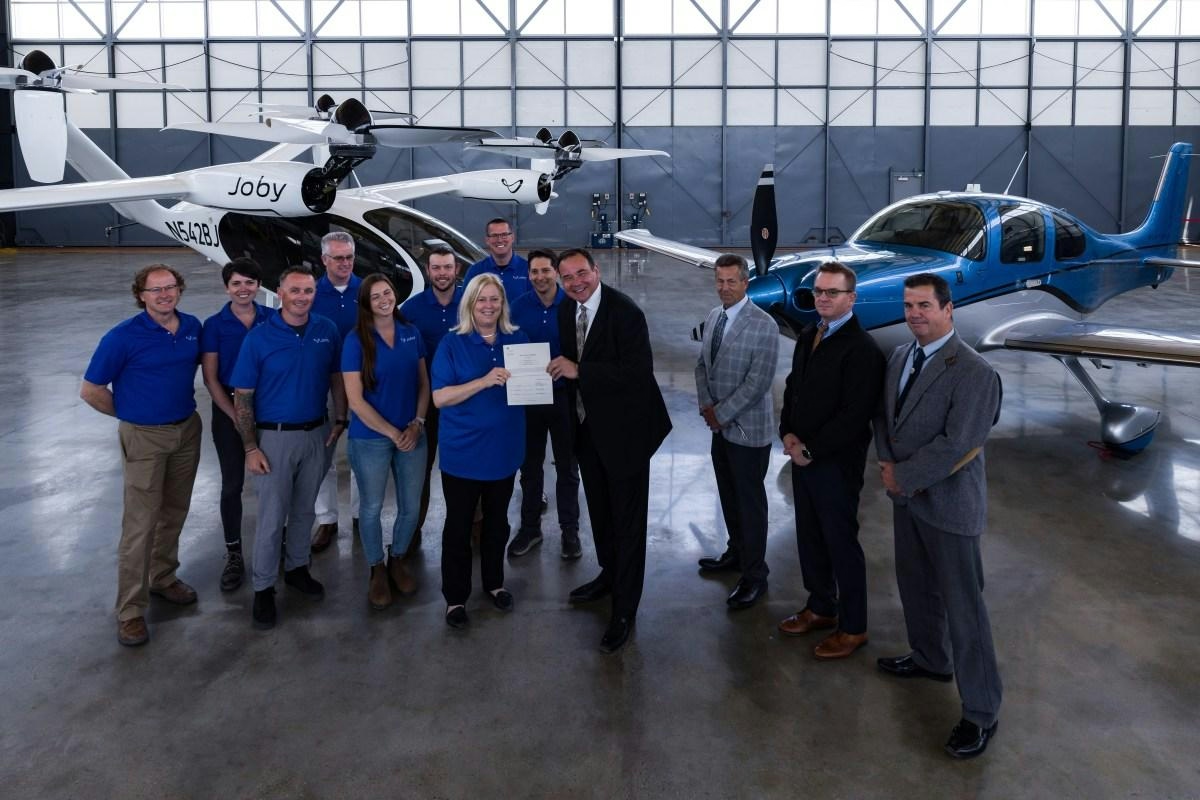
Joby Receives First CAE Flight Simulator to Enhance Air Taxi Pilot Training in Marina Santa Cruz-based Joby Aviation has marked a pivotal advancement in its electric air taxi program with the delivery of its first CAE flight simulator at Marina Municipal Airport. This state-of-the-art simulator is intended to expedite pilot training as the company prepares to launch commercial operations both domestically and internationally. Advancing Pilot Training and Aircraft Development Joby’s electric aircraft, capable of carrying up to four passengers alongside a pilot and luggage, are powered by six electric motors and feature vertical take-off and landing (VTOL) capabilities. The company emphasizes that its aircraft operate at noise levels 100 times quieter than conventional helicopters, aiming to provide a more comfortable and less intrusive urban air mobility experience for passengers and surrounding communities. During recent test flights at Marina, Joby engineers gathered essential performance data, closely monitoring the behavior of motors, propellers, and batteries across various speeds. According to a Joby engineer, the company develops computer models to predict aircraft performance under different configurations. By comparing these models with real-world data, Joby refines its simulations to enhance future aircraft performance. The newly installed CAE simulator replicates the physical cockpit of Joby’s air taxi and runs the same software as the actual aircraft, offering pilots an immersive and realistic training environment. This setup enables pilots to rehearse a wide range of scenarios, including system failures, within a safe and controlled setting. The engineer highlighted the aircraft’s robust safety design, noting that if a primary system fails, secondary and even tertiary backup systems are in place to ensure continued operation. Regulatory Challenges and Market Outlook Joby anticipates commencing passenger flights in Dubai as early as next year. However, commercial operations in the United States remain contingent upon securing Federal Aviation Administration (FAA) certification, a process that presents significant regulatory challenges. The broader electric vertical take-off and landing (eVTOL) industry continues to grapple with stringent safety standards and cost-related hurdles. Despite these obstacles, market analysts maintain a positive outlook on the sector’s growth potential. Joby’s recent initiatives, including plans to double manufacturing capacity and a strategic partnership with Toyota, have solidified its position as a leader in the emerging eVTOL market. Competitors are responding with increased investments and new alliances, intensifying the race to commercialize air taxi services. As Joby advances its technology and expands pilot training capabilities, the company remains at the forefront of an industry poised to transform urban transportation. The realization of widespread air taxi adoption will depend on overcoming regulatory barriers and ensuring that these services are both accessible and affordable to the public.
Review of Airbus Widebody Aircraft

Review of Airbus Widebody Aircraft

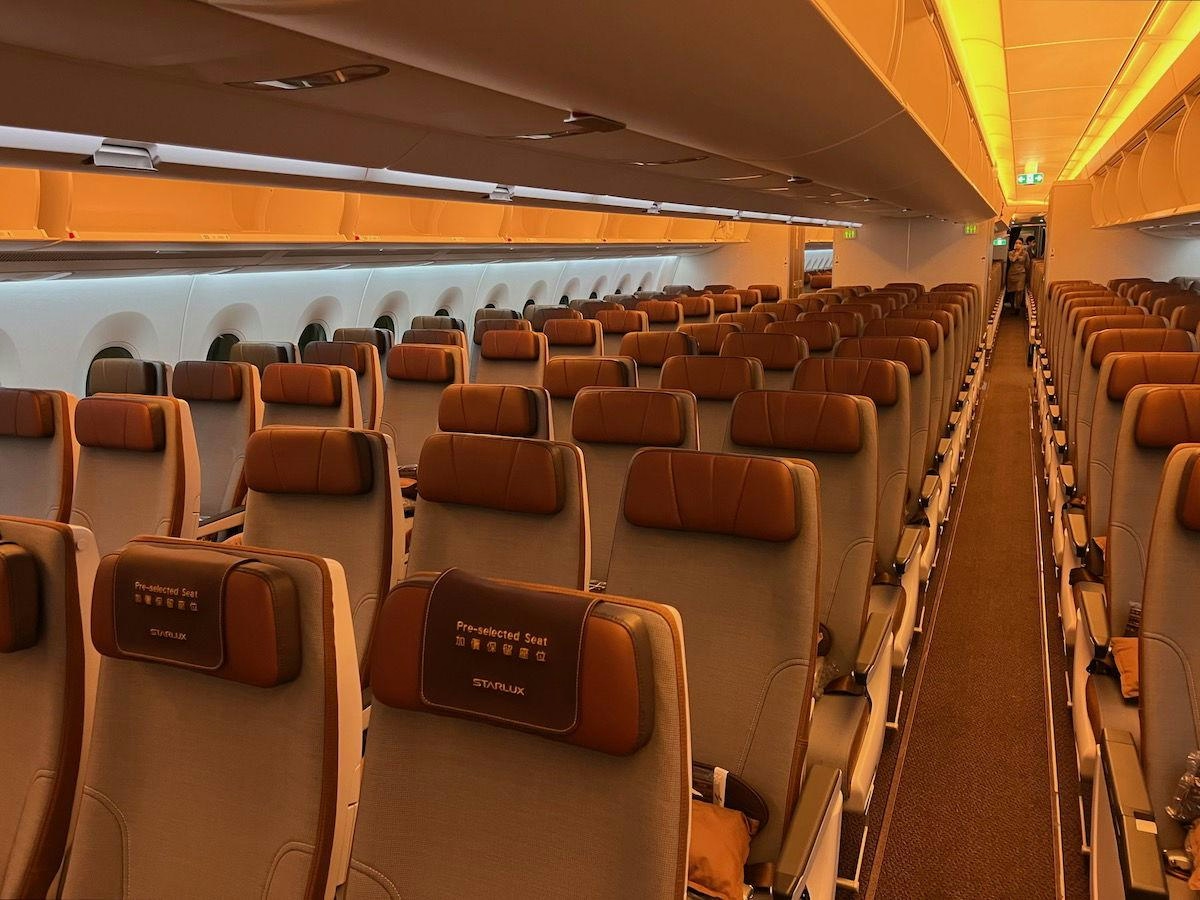
Review of Airbus Widebody Aircraft Market Position and Competitive Landscape As Airbus enters 2026, the company maintains a commanding presence in the single-aisle market, with the A321neo family continuing to dominate global sales. The A321neo remains the industry’s best-selling aircraft, enjoying a near-monopoly with no direct competitor anticipated for at least another year. This sustained success has strengthened Airbus’s order book and production capacity, enabling the manufacturer to meet robust demand effectively. In contrast, the widebody segment presents a more challenging competitive environment for Airbus, primarily due to Boeing’s strong foothold. Although Boeing’s 777-9 program faces delays and has yet to receive certification, the 787 family has solidified its position as a formidable rival. The 787’s impressive payload and range capabilities have resonated with airlines, which continue to place orders despite production setbacks and program difficulties. This ongoing demand validates Boeing’s strategic decision to focus on the 787 following the discontinuation of the A380. Regulatory and Industry Developments The competitive dynamics between Airbus and Boeing are further complicated by increasing regulatory scrutiny. Recent actions by the Federal Aviation Administration (FAA), including the review of Boeing’s 737 MAX 10 and the emissions waiver granted for the 777F, highlight a growing emphasis on environmental compliance. These regulatory pressures present challenges for both manufacturers and are likely to influence future aircraft development and certification schedules. Simultaneously, significant industry moves are reshaping market dynamics. Boeing’s $4.7 billion acquisition of Spirit AeroSystems signals a strategic push toward greater vertical integration, which may affect production quality and timelines across the aerospace sector. Meanwhile, Airbus continues to secure substantial orders, exemplified by China Airlines’ recent agreement to purchase five additional A350-1000 aircraft. Such transactions reinforce Airbus’s standing in the widebody market amid evolving regulatory and competitive pressures. Fleet Modernization and Future Outlook The introduction of new aircraft models underscores the intensity of competition in the widebody and single-aisle markets. The deployment of the A321XLR by Qanot Sharq and Philippine Airlines’ addition of the A350-1000 to its fleet illustrate the ongoing demand for next-generation aircraft that offer enhanced efficiency and extended range. These developments reflect airlines’ strategic efforts to modernize their fleets and adapt to shifting market requirements. Looking ahead, Airbus’s widebody aircraft face the dual challenge of competing with Boeing’s established 787 family and navigating a rapidly evolving regulatory environment alongside shifting industry alliances. While Airbus’s dominance in the single-aisle segment remains secure for the time being, maintaining a competitive edge in the widebody market will require continued innovation and strategic agility.
Nomad Technics Completes Maintenance on Challenger 650

Nomad Technics Completes Maintenance on Challenger 650

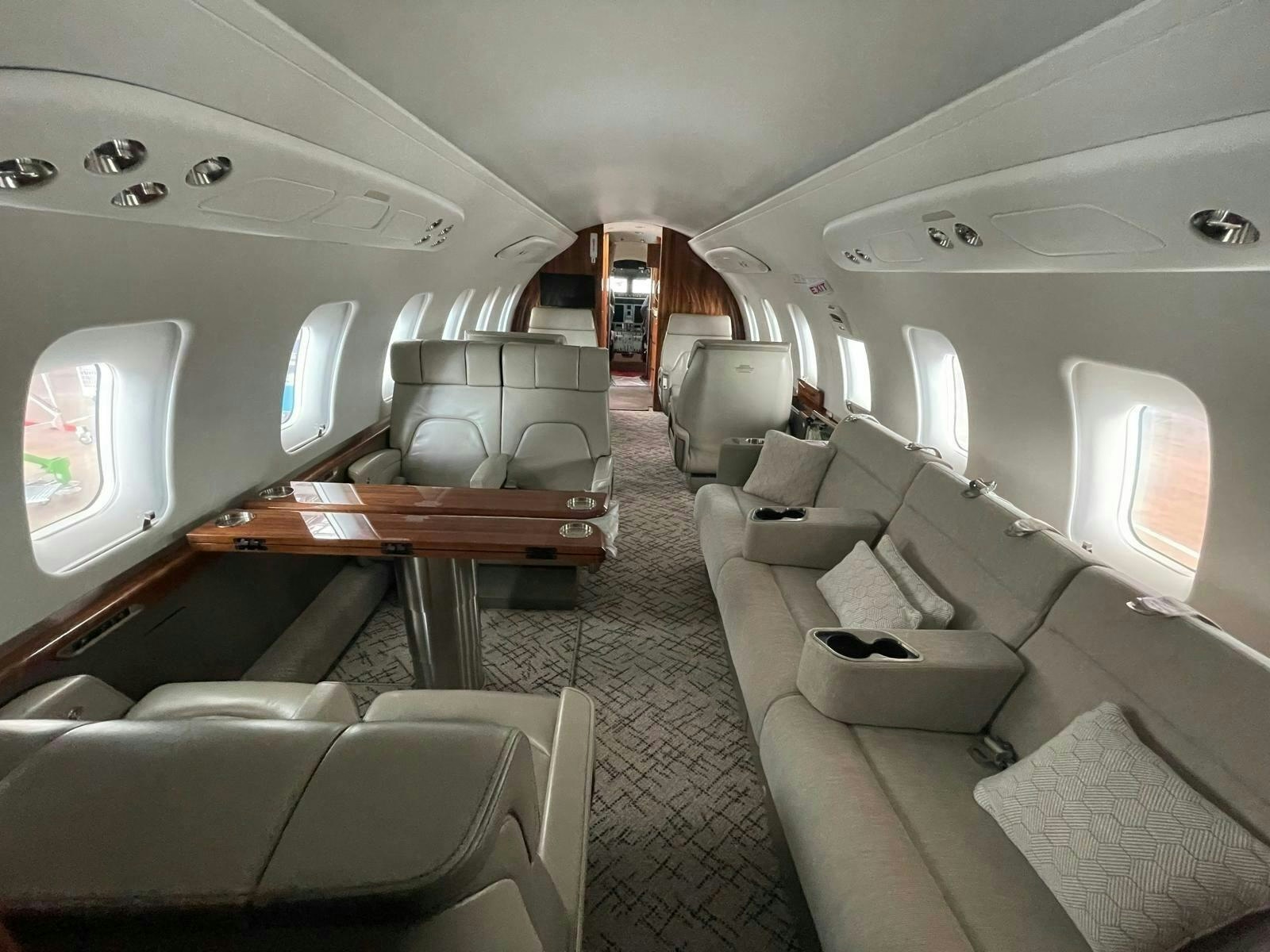
Nomad Technics Completes Comprehensive Maintenance on Challenger 650 Nomad Technics, an EASA Part-145 approved organisation, has successfully completed an extensive maintenance programme on a Bombardier Challenger 650, returning the aircraft to full airworthiness after a prolonged period of inactivity. The project involved a thorough overhaul of both engines, a scheduled 48-month inspection, and a series of additional inspections and functional tests tailored to the specific condition of the aircraft. Beyond the technical work, the company also refurbished the cabin interior, including newly upholstered seats, replacement of the carpet, and repairs to damaged woodwork, ensuring the aircraft was restored to optimal operational and aesthetic standards before redelivery. Navigating a Competitive and Evolving Market This accomplishment occurs amid intensifying competition within the business aviation maintenance sector. Key players such as ExecuJet and Duncan Aviation are expanding their service offerings to include advanced connectivity solutions like Starlink, reflecting a broader industry trend towards integrating cutting-edge technology onboard. Bombardier itself continues to incorporate smart routers into its jets, while recent acquisitions of Challenger models by prominent operators such as NetJets and the Royal Canadian Air Force underscore the growing demand for sophisticated business aircraft. Market volatility, influenced by recent Federal Reserve signals and elevated asset valuations, has increased scrutiny on investments in business aviation. Maintenance providers now face mounting pressure to distinguish their services and retain market share. In response, competitors are likely to accelerate enhancements to their technical capabilities and onboard technology offerings, as clients increasingly seek providers that can deliver both technical excellence and advanced connectivity. Nomad Technics’ successful completion of the Challenger 650 maintenance programme highlights its dedication to providing comprehensive solutions that address the full spectrum of operator needs. As the business aviation landscape continues to evolve, the company’s ability to offer tailored, high-quality maintenance services will be essential in meeting the expectations of discerning clients and navigating the challenges of a dynamic industry.
CFM56 Engine Repurposed to Power AI Data Centers
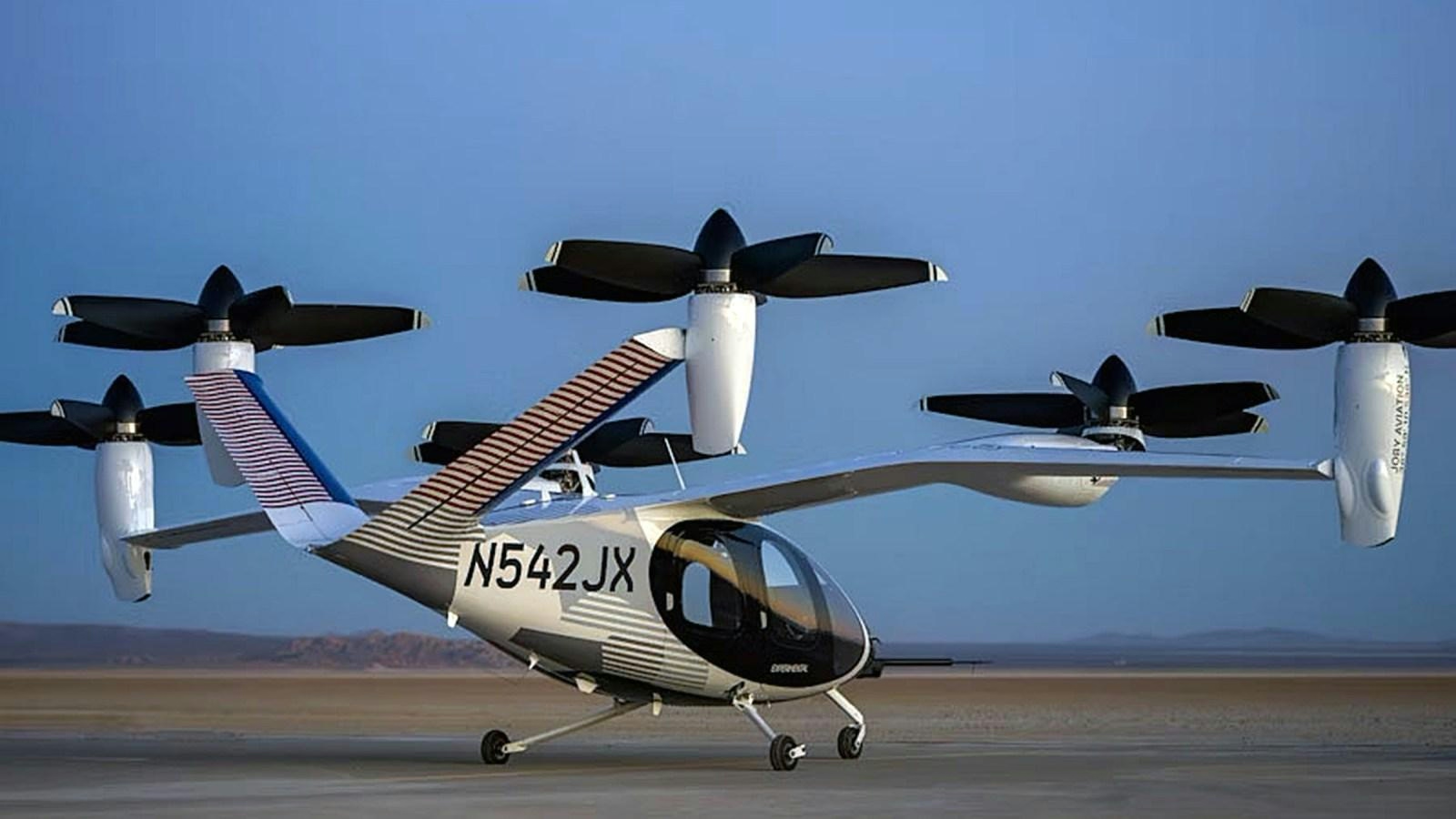
CFM56 Engine Repurposed to Power AI Data Centers

CFM56 Jet Engine Repurposed to Power AI Data Centers The escalating energy demands of artificial intelligence data centers are prompting innovative adaptations within the aeroderivative gas turbine industry, as aviation technology is increasingly repurposed for industrial applications. In a significant development, New York-based FTAI Aviation has unveiled an industrial power variant of the widely utilized CFM56 aircraft engine, targeting the urgent electricity needs of AI hyperscalers, according to Aviation Week Network. FTAI’s Industrial Power Solution FTAI’s new product, branded as FTAI Power, is a 25-megawatt aeroderivative gas turbine derived from later production models of the CFM56 engine family. Unlike conventional industrial turbines designed from the ground up, FTAI’s approach involves remanufacturing engines that have previously served in commercial aviation. This strategy aims to provide rapid and cost-effective power capacity, a compelling proposition for data center operators grappling with unprecedented energy consumption. This announcement coincides with a broader trend of similar initiatives in the sector. For instance, Boom Supersonic recently introduced its Superpower industrial gas turbine, based on its Symphony turbofan engine. While Boom’s 42-megawatt unit represents a newly engineered industrial configuration, FTAI’s solution leverages existing engine inventories to prioritize speed and scalability. David Moreno, FTAI’s Chief Operating Officer, highlighted the explosive growth of AI infrastructure as a driving force behind the urgent need for flexible and immediate power solutions. Drawing on a fleet exceeding 1,000 engines and planning further acquisitions, FTAI anticipates producing CFM56-based power turbines at scale, potentially exceeding 100 units annually. Technical and Market Considerations Although FTAI has not disclosed which specific CFM56 variant will be adapted, the company manages substantial numbers of CFM56-5B and CFM56-7B engines. Both variants share a common core but differ in thrust ratings and aircraft applications: the -5B powers the Airbus A320 family, while the -7B is used on Boeing 737 Next Generation jets. According to Aviation Week Network’s Fleet Discovery database, over 24,000 CFM56-5 and -7 engines have been produced by the GE Aerospace–Safran CFM joint venture. Adapting the CFM56 for data center power generation presents notable challenges. Modifications to the low-pressure system and the mechanisms for power extraction in this new industrial configuration remain undisclosed. Additionally, regulatory compliance and integration with existing data center infrastructure will be critical hurdles. Market reception is expected to be mixed; while some traditional data center operators may express skepticism, others seeking cost-effective and rapidly deployable power solutions could demonstrate strong interest. Competitive Landscape and Industry Outlook Competitors are likely to respond by developing similar aeroderivative turbines or enhancing their current product lines. Established industry players such as GE Vernova, Baker Hughes, and Mitsubishi Power already offer turbines derived from aviation cores, including the GE90, CF6, and Pratt & Whitney JT8D. With global demand for power generation equipment accelerating—Blackridge Research projects the gas turbine sector to reach $84.5 billion by 2030—new entrants like FTAI and Boom are positioning themselves to compete in a rapidly evolving market. Their success will depend on overcoming technical and regulatory challenges and convincing data center operators of the reliability and efficiency of aviation-derived power solutions.
Joby Aviation Prepares for Air Taxi Pilot Training Ahead of CES 2026
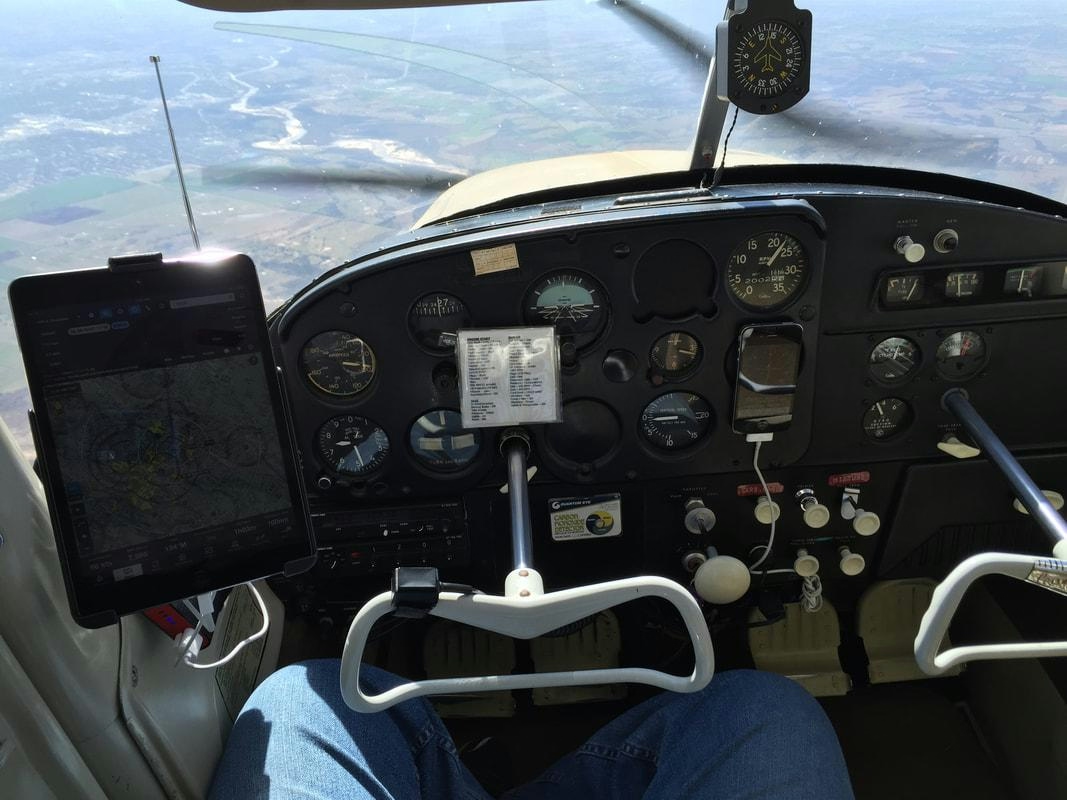
Joby Aviation Prepares for Air Taxi Pilot Training Ahead of CES 2026

Joby Aviation Advances Pilot Training Ahead of CES 2026 Joby Aviation (NYSE: JOBY) is intensifying its efforts to launch commercial urban air mobility services, announcing significant progress in pilot training as it prepares for a prominent presence at CES 2026. The company revealed plans to install the first of two advanced CAE flight simulators at its expanded pilot training facility in Marina, California. This development represents a critical step toward securing regulatory approval and initiating commercial operations. Enhancing Pilot Training and Facility Expansion The new simulators, featuring Level 7 and Level C certifications and developed in partnership with CAE, are designed to facilitate the certification process for commercial pilots seeking powered-lift type ratings. These ratings are essential for operating Joby’s all-electric eVTOL (electric vertical takeoff and landing) aircraft. The Marina facility, which has recently doubled its production capacity, now functions as a comprehensive hub for manufacturing, testing, and pilot training. This expansion aligns with Joby’s broader strategy of vertical integration, allowing the company to maintain stringent safety standards by managing all aspects of its service internally—from aircraft hardware to pilot preparation. Navigating Regulatory and Market Challenges Despite these advancements, Joby faces significant challenges on the path to commercialization. Securing Federal Aviation Administration (FAA) certification remains a complex and critical hurdle. Concurrently, the company is working to scale manufacturing operations to meet its ambitious goal of producing four aircraft per month by 2027. The competitive landscape in the eVTOL sector is intensifying, with rivals such as Archer Aviation and Vertical Aerospace making notable progress. Vertical Aerospace’s recent stock surge following a key materials agreement highlights the dynamic nature of this emerging market. Investor confidence in Joby remains robust, with the company’s stock appreciating by more than 50 percent over the past six months. Analysts anticipate further gains as Joby approaches its planned commercial launch in late 2026. The company aims to double its manufacturing capacity by 2027 to support a global rollout of its air taxi service. Looking Ahead to CES 2026 This week, attention turns to Las Vegas, where Joby CEO JoeBen Bevirt is scheduled to speak at CES 2026. Bevirt is expected to discuss the integration of physical artificial intelligence and software-defined mobility, underscoring Joby’s vision for the future of urban transportation. The company’s advancements in pilot training and its high-profile engagement at CES signal a significant shift as urban air taxis move closer to becoming a practical reality. As Joby Aviation continues to address regulatory, competitive, and operational challenges, its recent initiatives highlight both the potential and complexity involved in bringing electric air taxis to commercial service.
Fuel Exhaustion Caused by Incorrect Fuel Selector Installation

Fuel Exhaustion Caused by Incorrect Fuel Selector Installation

Fuel Exhaustion Incident Highlights Risks of Incorrect Fuel Selector Installation A recent accident involving a Cessna 172 near Terrell, Texas, has brought renewed attention to the dangers posed by fuel exhaustion linked to improper fuel selector installation. The incident underscores significant safety and operational challenges within the aviation industry. Sequence of Events Leading to the Accident The pilot departed Arlington Municipal Airport (KGKY) after refueling with 12.75 gallons of 100LL aviation fuel, reporting that both wing tanks were “topped off.” The flight was intended to build flight hours, with planned stops at East Texas Regional Airport (KGGG) and Terrell Municipal Airport (KTRL). Upon landing at KGGG and subsequently at KTRL, the pilot attempted to refuel at Terrell but discovered the fuel pumps were “out of order.” Notably, KTRL does not offer self-service fueling; all refueling is conducted by a technician using a fuel truck, with after-hours service available only by prior arrangement—a request that was not made on the night of the accident. Using a fuel measurement stick, the pilot estimated approximately four gallons remained in the right tank and twelve gallons in the left. Choosing to proceed to Mesquite Metro Airport (KHQZ) for refueling, the pilot observed a “rough” engine idle before takeoff but decided to continue after the engine appeared to stabilize at higher throttle settings. Shortly after departing Runway 18 at KTRL, at an altitude of roughly 400 to 450 feet above ground level, the engine lost all power. Although the pilot briefly restarted the engine, it failed again, necessitating an emergency landing in a nearby field. The aircraft sustained substantial damage, but both occupants escaped with only minor injuries. Investigation Findings and Industry Implications Post-accident examination revealed approximately two gallons of fuel remaining in the left tank and a mere quarter gallon in the right. The fuel selector was positioned on “both,” and no external fuel leaks were detected. The pilot reported observing a “steady stream” of fuel from the left side after landing. These findings suggest that incorrect fuel selector installation and fuel management errors contributed directly to the engine failure. This incident highlights the critical safety risks and operational disruptions that can arise from improper fuel system installation and inadequate fuel management. Beyond the immediate threat to life, such events impose significant financial burdens on operators. In response, the aviation sector is experiencing heightened scrutiny of safety protocols, with insurance providers reportedly increasing premiums for companies engaged in aviation and transportation. Competitors within the industry are accelerating innovation in fuel management technologies and reinforcing quality control measures to mitigate the risk of similar occurrences. These efforts coincide with ongoing energy reforms that are already exerting pressure on profit margins, further challenging resources allocated to fuel management and safety enhancements. The accident serves as a stark reminder of the essential need for correct fuel system installation, comprehensive preflight inspections, and strict adherence to fueling procedures to maintain flight safety and operational integrity.
American Airlines to Offer Free Wi-Fi to Select Passengers
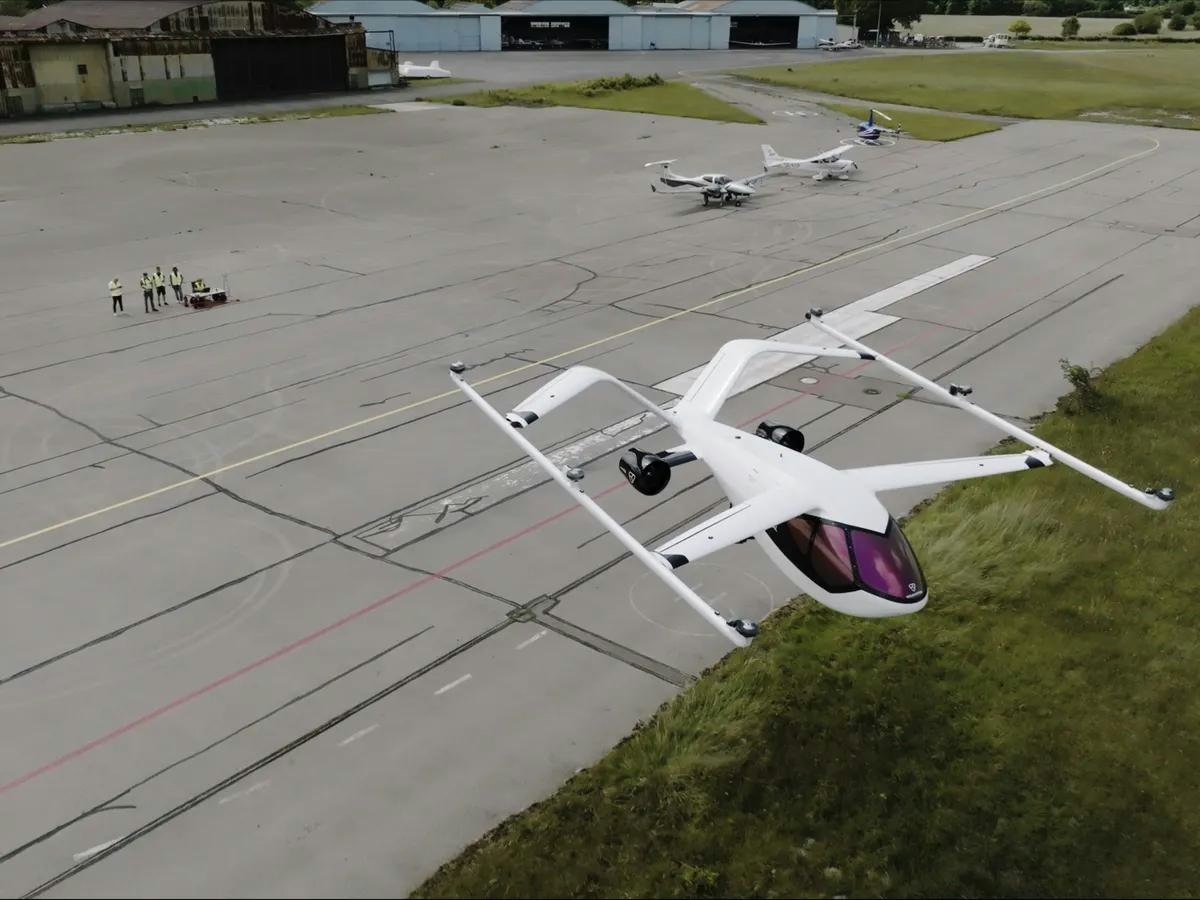
American Airlines to Offer Free Wi-Fi to Select Passengers

American Airlines to Provide Complimentary Wi-Fi for AAdvantage Members American Airlines has announced plans to offer free Wi-Fi access to members of its AAdvantage loyalty program, joining a growing number of U.S. carriers providing complimentary in-flight internet services. The initiative will commence on January 6, initially available on narrowbody aircraft and two-class regional jets, with the airline aiming to extend the service to nearly its entire fleet by spring. Details of the Wi-Fi Service and Access Access to the free Wi-Fi will be exclusive to passengers enrolled in the AAdvantage program. The service is sponsored by AT&T and delivered through partnerships with Intelsat and Viasat. Heather Garboden, American Airlines’ chief customer officer, emphasized the importance of connectivity for modern travelers, stating that free high-speed Wi-Fi is no longer a luxury but a necessity. She highlighted that once the rollout is complete, every AAdvantage member will be able to stay connected, stream content, and share experiences throughout their journey without additional cost. This move aligns American Airlines with competitors such as Delta Air Lines, which was the first major U.S. legacy carrier to offer free Wi-Fi fleetwide to loyalty program members, and United Airlines, which has implemented similar services. Historically, American charged passengers for onboard internet access, with prices starting at $10 per flight or through monthly and annual subscription plans. Some T-Mobile customers currently benefit from complimentary access, and paid Wi-Fi options will remain available on select flights during the transition period. Industry Implications and Competitive Landscape The introduction of free Wi-Fi is anticipated to particularly attract business and premium travelers, potentially driving increased demand and revenue for American Airlines. Nevertheless, the airline faces considerable challenges, including the substantial costs associated with installing and maintaining the necessary Wi-Fi infrastructure, as well as the technical complexities involved in delivering reliable, high-speed connectivity across a diverse fleet. Ensuring a seamless internet experience will be crucial as the service expands. In response, competitors may accelerate their own Wi-Fi enhancements or introduce additional benefits to maintain market share. For instance, Alaska Airlines currently offers Wi-Fi for purchase at $8 per flight and is in the process of installing Starlink technology, with plans to provide free Wi-Fi to members of its Atmos loyalty program by 2027. Breeze Airways offers Wi-Fi for purchase on select Airbus A220 flights, while Allegiant Air does not currently provide Wi-Fi services. What Passengers Should Know Free Wi-Fi will be available exclusively to AAdvantage loyalty program members starting January 6, with coverage expanding to most of the fleet by spring. Passengers must be enrolled in the program and log in during their flight to access the service. Paid Wi-Fi options will continue to be offered on certain flights until the full rollout is complete. As airlines increasingly prioritize enhancing the passenger experience, complimentary in-flight Wi-Fi is rapidly becoming an industry standard. American Airlines’ phased implementation represents a significant development in the ongoing effort to keep travelers connected at cruising altitude.
The Growing Role of eVTOL Aircraft

The Growing Role of eVTOL Aircraft

The Growing Role of eVTOL Aircraft Electric vertical take-off and landing (eVTOL) aircraft, powered by advancements in battery technology, are rapidly reshaping the future of urban air mobility. These aircraft, which share the vertical take-off, hovering, and landing capabilities of helicopters, have become increasingly practical for short-range air taxi services. Recent improvements in battery energy density now enable eVTOLs to cover distances ranging from 32 to 80 kilometers, making them a viable option for point-to-point urban and regional travel. Expanding Market Demand and Industry Developments The demand for eVTOL air taxis has surged since the early 2020s, driven primarily by growing urban congestion and the need for faster, more direct transportation options. Major airlines are actively pursuing opportunities to connect key international airports such as London Heathrow, New York JFK, and Paris Charles de Gaulle with nearby regional cities. In March 2025, Virgin Atlantic announced a strategic partnership with Joby Aviation to offer air taxi services linking regional cities to major UK hubs including Heathrow and Manchester airports. This momentum was further underscored in August 2025 when Joby Aviation completed the first eVTOL air taxi flight within US Federal Aviation Authority (FAA) controlled airspace, operating between Marina and Monterey airports in California. By December, Vertical Aerospace unveiled plans to launch the United Kingdom’s first eVTOL air taxi service by 2029, proposing routes that would connect Canary Wharf with Heathrow, Gatwick, Oxford, and Cambridge. The sector’s rapid growth has attracted substantial investment and fostered a competitive environment. Alongside Joby Aviation, companies such as Archer Aviation, Vertical Aerospace, Beta Technologies, and Wisk are advancing their own eVTOL projects. Market confidence is reflected in the formation of partnerships and the development of dedicated vertiport networks, with Joby Aviation’s proposals gaining particular traction. Interest is also expanding beyond traditional markets, with the Gulf region emerging as a notable area for state-funded infrastructure investments aimed at supporting widespread eVTOL adoption. Regulatory and Infrastructure Challenges Despite the optimism surrounding eVTOL technology, the industry faces significant regulatory and infrastructural challenges. The FAA’s certification process for eVTOL aircraft remains ongoing, while the UK Civil Aviation Authority (CAA) is working toward establishing a comprehensive regulatory framework expected by 2028. In September 2025, the UK CAA published the eVTOL Delivery Model, which outlines key objectives including the establishment of agreed type classifications, the introduction of new and amended legislation governing flight operations and pilot licensing, updated guidance protocols, and enhanced systems for processing license applications and safety reports. Infrastructure development is critical to the success of eVTOL services, particularly the creation of vertiports and their integration with existing transportation networks. In the near term, eVTOL air taxi services are anticipated to primarily serve high-net-worth individuals, as affordability for the broader public remains a challenge. This emerging market dynamic could disrupt traditional charter flight providers and executive jet manufacturers, given eVTOLs’ potential for significantly lower carbon emissions and reduced operating costs. While the prospect of fully autonomous eVTOL operations remains under discussion, the immediate priorities for the sector are regulatory approval, infrastructure rollout, and market expansion. As competition intensifies and investment continues to grow, eVTOL aircraft are positioned to assume an increasingly prominent role in the future of urban and regional mobility.
Joby Aviation Receives First of Two Advanced Flight Simulators from CAE

Joby Aviation Receives First of Two Advanced Flight Simulators from CAE

Joby Aviation Receives First of Two Advanced Flight Simulators from CAE Milestone in Pilot Training and FAA Certification Joby Aviation, Inc. (NYSE: JOBY) has taken delivery of the first of two advanced flight simulators developed in collaboration with CAE (NYSE: CAE) (TSX: CAE), marking a significant advancement in the company’s efforts to secure Federal Aviation Administration (FAA) certification for its S4 electric vertical take-off and landing (eVTOL) air taxi. These simulators are integral to Joby’s pilot training program and are expected to expedite the company’s transition into commercial service. The initial simulator, a fixed-base training device, is scheduled for installation this month at Joby’s pilot training facility in Marina, California. A second, full-motion simulator is anticipated to arrive later this year. Together, these units will have the capacity to train up to 250 pilots annually, a critical component as Joby prepares for its inaugural commercial flights planned for later in 2024. Bonny Simi, President of Operations at Joby, emphasized the importance of the simulators in the FAA certification process, noting that they are being delivered on schedule to support pilot training ahead of the company’s commercial launch. The first simulator is expected to achieve certification as a Level 7 Flight Training Device, while the second will meet the standards of a Level C Full Flight Simulator. Advanced Technology and Development Both simulators incorporate CAE’s Prodigy Image Generator, which utilizes Epic Games’ Unreal Engine to render highly detailed three-dimensional urban environments with a 300-by-130-degree field of view. The systems also simulate real-world flight conditions through integrated audio cues, turbulence, and vibration. Development of the simulators began in 2022, with Joby conducting component and software testing at facilities in California and Costa Rica. The delivery of these simulators represents a crucial step not only for regulatory approval but also for scaling Joby’s operational capacity. The company plans to double its U.S. manufacturing output by 2027, reflecting its commitment to meeting growing demand and regulatory requirements. Market analysts have responded positively, projecting substantial growth for Joby within the advanced air mobility sector by 2026. Nonetheless, the company continues to face challenges, including the demanding FAA certification process and the necessity for extensive pilot training. Competitors are expected to respond by investing in simulator technologies and expanding production to maintain competitiveness. CAE’s Expanding Role in Aviation Training CAE, with a market capitalization of $10.25 billion and a stock increase exceeding 34% over the past year, is broadening its footprint in both civil and defense aviation training. Alexandre Prévost, President of Civil Aviation at CAE, stated that the simulators “set a new benchmark for training infrastructure in urban air mobility.” In addition to its partnership with Joby, CAE recently reported strong financial results for the second quarter of 2025, surpassing market expectations with adjusted earnings per share of $0.23 and revenue of $1.24 billion. The company also secured a $270 million CAD contract to deliver the Future Air Mission Training System for the Royal Australian Air Force and entered into a global cooperation agreement with Saab for training and simulation related to the GlobalEye Airborne Early Warning and Control aircraft. Joby Aviation aims to operate its own air taxi service while also selling aircraft to other operators, positioning itself as a leader in the emerging electric air taxi market. The delivery of these advanced simulators marks a pivotal step in Joby’s progression toward commercial operations and industry leadership.
Ask AeroGenie