
Orquesta conocimientos de IA para convertirlos en acción

Tendencias
Categories
Airlines Face Challenges Using AI to Scan Bags in 2026
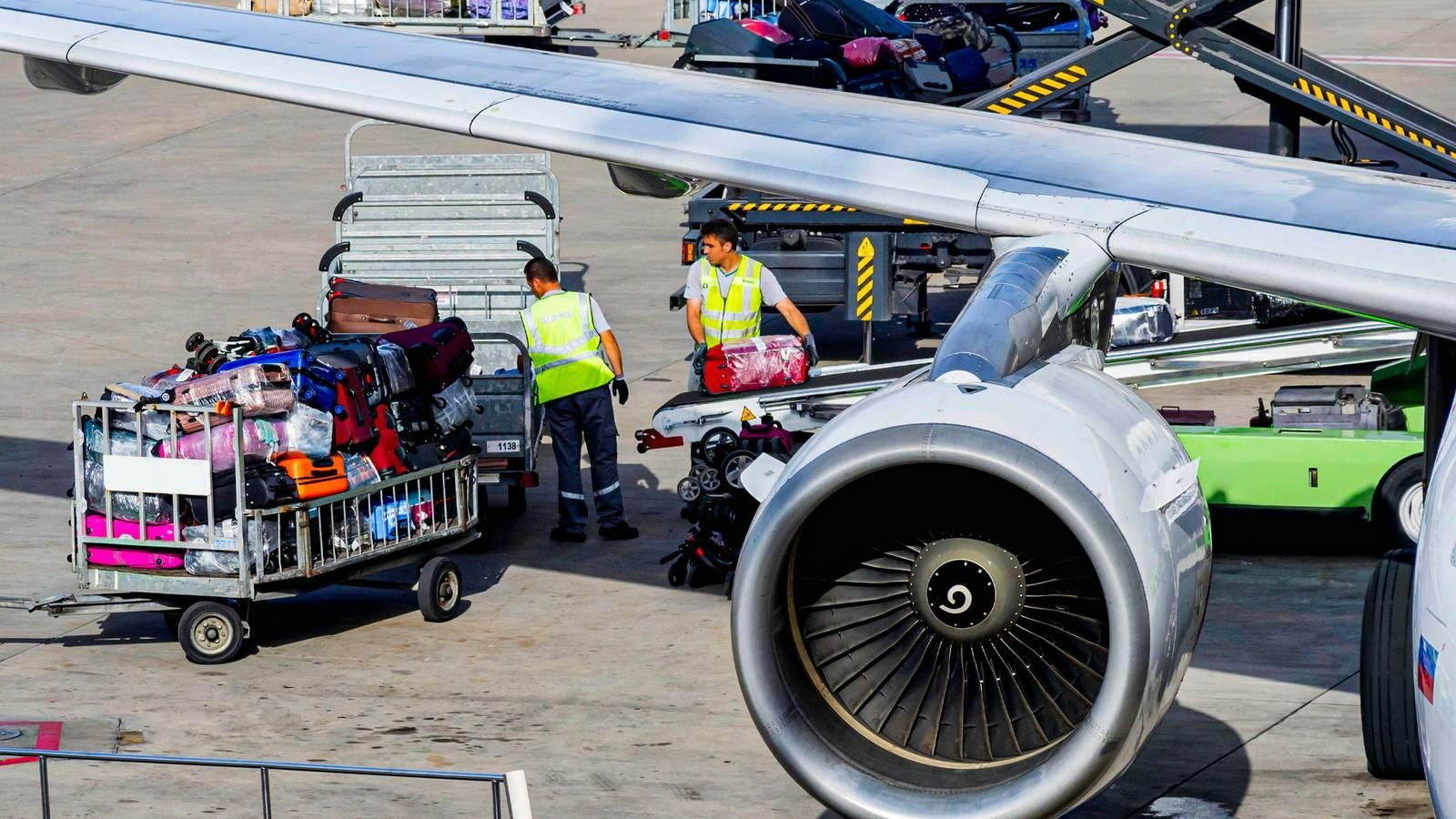
Airlines Confront Challenges in AI-Driven Baggage Scanning for 2026
A quiet technological transformation is underway in the aviation industry, as airlines increasingly employ advanced camera systems capable of identifying suitcases by their unique dents, scratches, and blemishes. This innovation, initially developed to combat a dramatic 74.7% increase in mishandled baggage between 2021 and 2022, is revolutionizing baggage handling processes. However, it also introduces new tensions between carriers and passengers.
The Shift to AI and Automation in Baggage Handling
Faced with acute labor shortages and a surge in passenger volumes, airlines have accelerated their transition from experimental automation to widespread deployment of artificial intelligence and computer vision technologies. Modern baggage systems now incorporate biometric identification of luggage and robotic loading mechanisms, replacing the error-prone manual methods of the past. High-resolution cameras generate a digital fingerprint for each bag, enabling airlines to track and route luggage even when traditional paper tags are lost or damaged.
This technological adoption is a direct response to an unsustainable rise in baggage mishandling, with the global rate reaching 7.6 incidents per thousand passengers in 2022. Leading carriers such as Delta have integrated AI-driven tools that anticipate and resolve potential issues before bags go missing. Real-time digital management allows airlines to adjust to delays and gate changes with unprecedented accuracy, significantly reducing the millions of lost bags reported annually.
Emerging Challenges and Industry Concerns
Despite these advancements, the introduction of AI in baggage handling presents new challenges. The same computer vision systems that enhance tracking capabilities also measure carry-on dimensions with extreme precision, potentially ending the era of lenient, human discretion at check-in counters. This heightened scrutiny may lead to stricter baggage enforcement policies, fundamentally altering the passenger experience.
Airlines are also grappling with concerns about the scalability of human oversight in increasingly automated processes. There is growing apprehension about overreliance on AI without sufficient technical expertise to manage, maintain, and improve these complex systems. The long-term viability of such technologies remains uncertain if the industry cannot attract and retain the specialized talent required to oversee them.
Market reactions to AI-related disruptions pose additional risks. Technical failures or operational missteps could rapidly undermine passenger confidence and provoke adverse responses from consumers and investors alike. Industry observers note that competitors are closely monitoring these developments, with some predicting heightened scrutiny of AI applications and potential consolidation. Smaller carriers, such as JetBlue, may find it challenging to keep pace with larger airlines that possess greater resources and resilience.
While innovations like electronic bag tags and autonomous ramp vehicles are easing physical demands on ground crews and enhancing accuracy, they also necessitate unprecedented levels of visual data collection. Each bag becomes a digital data point, scanned and analyzed multiple times before departure. This results in improved operational reliability but introduces a complex set of challenges as airlines strive to balance efficiency, passenger satisfaction, and the intricacies of AI integration.
As the aviation sector approaches 2026, the promise of AI-powered baggage handling is evident, yet the obstacles remain significant. The coming years will be critical in determining whether airlines can deploy these technologies sustainably, achieving operational improvements while maintaining a seamless travel experience for passengers.

Etihad Airways Suspends Airbus A380 Flights on Key Route

Aditya Birla Group Seeks Approval for Aircraft Leasing in GIFT City

Qatar Airways Highlights Innovation and Connectivity at Arabian Travel Market 2026

Hong Kong's Five-Year Plan Includes Andrew Fan's Aircraft Parts Processing Hub Proposal

ACIA Aero Leasing Delivers ATR72-600 to Air Nostrum

RTX Appoints Jill Albertelli as Head of Pratt & Whitney

TAT Technologies Joins Beyond Aero Hydrogen Aircraft Program

AURAK Study Highlights Barriers to Air Taxi Adoption in Emerging Economies

Xiamen Air Selects Altitude for 787 Maintenance at Heathrow

Etihad and Swissport Extend Global Partnership
