
Orquesta conocimientos de IA para convertirlos en acción

Tendencias
Categories
Budapest Transport Museum Acquires Rolls-Royce Aircraft Engine
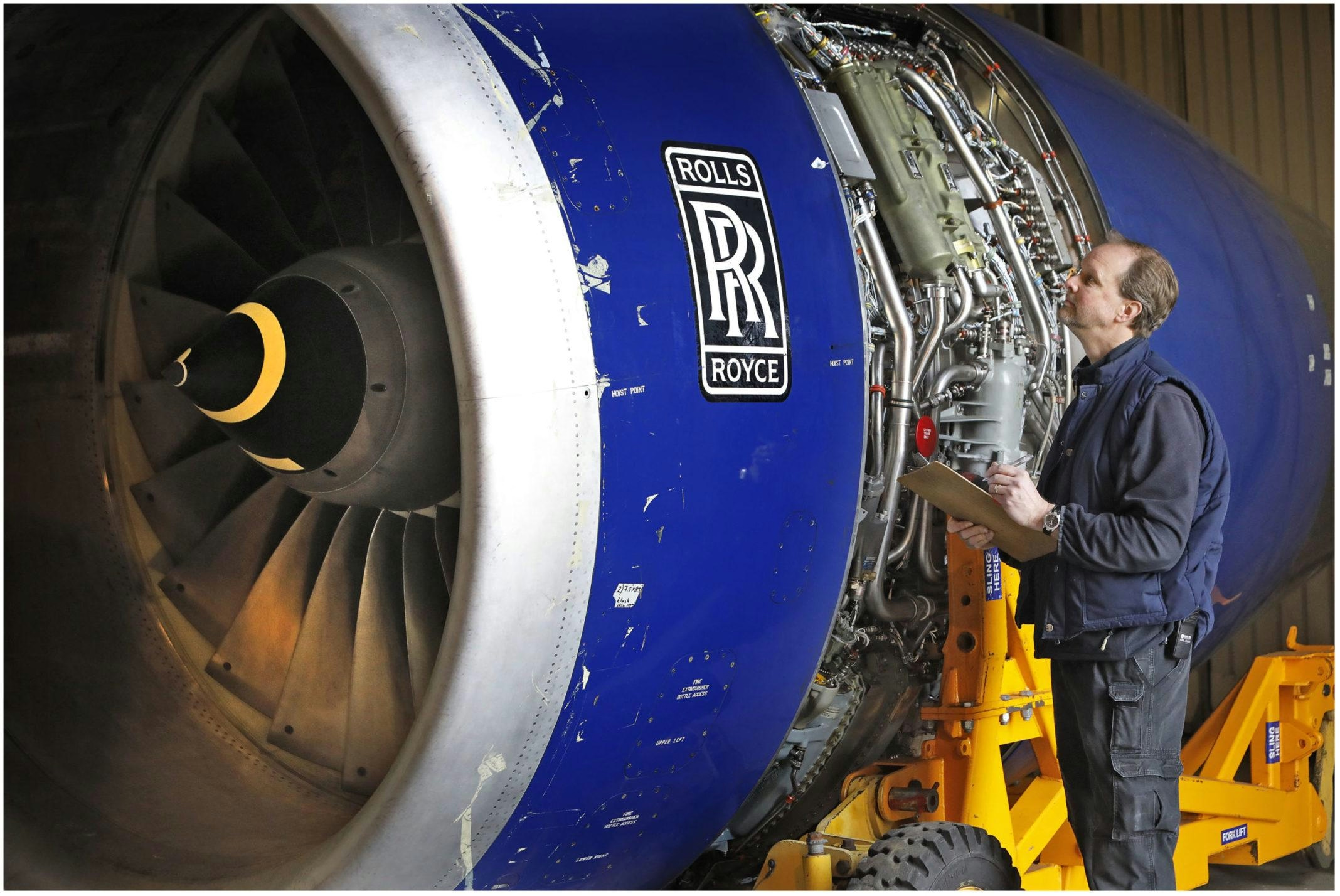
Budapest Transport Museum Acquires Rolls-Royce Aircraft Engine
The Hungarian Museum of Science, Technology and Transport has significantly enriched its collection with the addition of a Rolls-Royce RB211 aircraft engine, a landmark in aviation history. After serving for four decades, this engine will become a central exhibit in the museum’s permanent display, illustrating the evolution of jet propulsion and engineering excellence.
A Historic Engine Finds a New Home
The RB211 engine was transferred directly from the hangar of Aeroplex Central European Aircraft Technical Center Ltd. to the museum’s newly established exhibition space in Kőbánya, Budapest, situated on the grounds of the Northern Train Maintenance Depot (Északi Járműjavító). It will feature prominently in the museum’s temporary exhibition focused on safe and cooperative transportation. Until recently, this large and advanced gas turbine engine powered a DHL Boeing 757 aircraft, retiring only a year ago with the airline’s consent before being donated to the museum.
The Rolls-Royce RB211 is celebrated as a milestone in jet aviation, emblematic of British engineering innovation and reliability. Initially developed for the Lockheed L-1011 TriStar, the engine later powered several iconic long-haul aircraft, including select models of the Boeing 747, 757, and 767. The RB211 remained in active service until July 2025, marking the end of its operational life. Alongside the museum’s acquisition, two RB211 engines will continue to serve educational purposes at the Aeroplex Training Center in Budapest, supporting the practical training of future aviation professionals.
Context and Significance
The museum’s decision to exhibit the RB211 coincides with a period of renewed confidence in Rolls-Royce’s market position, particularly following the successful introduction of the Trent 1000 XE engines, which addressed earlier durability challenges. This resurgence in reliability enhances the museum’s appeal to aviation enthusiasts and historians who closely monitor the legacy and technological progress of major engine manufacturers. The acquisition also highlights Rolls-Royce’s broader strategic initiatives, including expanding maintenance capacity and pioneering hydrogen-powered engine testing, underscoring the company’s leadership in sustainable aviation technology and intensifying competition within the aerospace industry.
Aeroplex Central European Aircraft Technical Center Ltd., a subsidiary of 4iG Space and Defense Technologies Ltd., specializes in the maintenance, repair, and overhaul of Airbus and Boeing aircraft. Operating from its Budapest base, Aeroplex offers comprehensive hangar-level maintenance, line care, and equipment repairs, reinforcing the city’s status as a regional hub for aviation expertise.
By incorporating the RB211 engine into its collection, the Budapest Transport Museum not only preserves a pivotal chapter in aviation history but also emphasizes ongoing innovation and the dynamic evolution of aerospace technology.

Etihad Airways Suspends Airbus A380 Flights on Key Route

Aditya Birla Group Seeks Approval for Aircraft Leasing in GIFT City

Qatar Airways Highlights Innovation and Connectivity at Arabian Travel Market 2026

Hong Kong's Five-Year Plan Includes Andrew Fan's Aircraft Parts Processing Hub Proposal

ACIA Aero Leasing Delivers ATR72-600 to Air Nostrum

RTX Appoints Jill Albertelli as Head of Pratt & Whitney

TAT Technologies Joins Beyond Aero Hydrogen Aircraft Program

AURAK Study Highlights Barriers to Air Taxi Adoption in Emerging Economies

Xiamen Air Selects Altitude for 787 Maintenance at Heathrow

Etihad and Swissport Extend Global Partnership
