
Orquesta conocimientos de IA para convertirlos en acción

Tendencias
Categories
China Airlines Introduces AI-Powered Cargo Customer Service
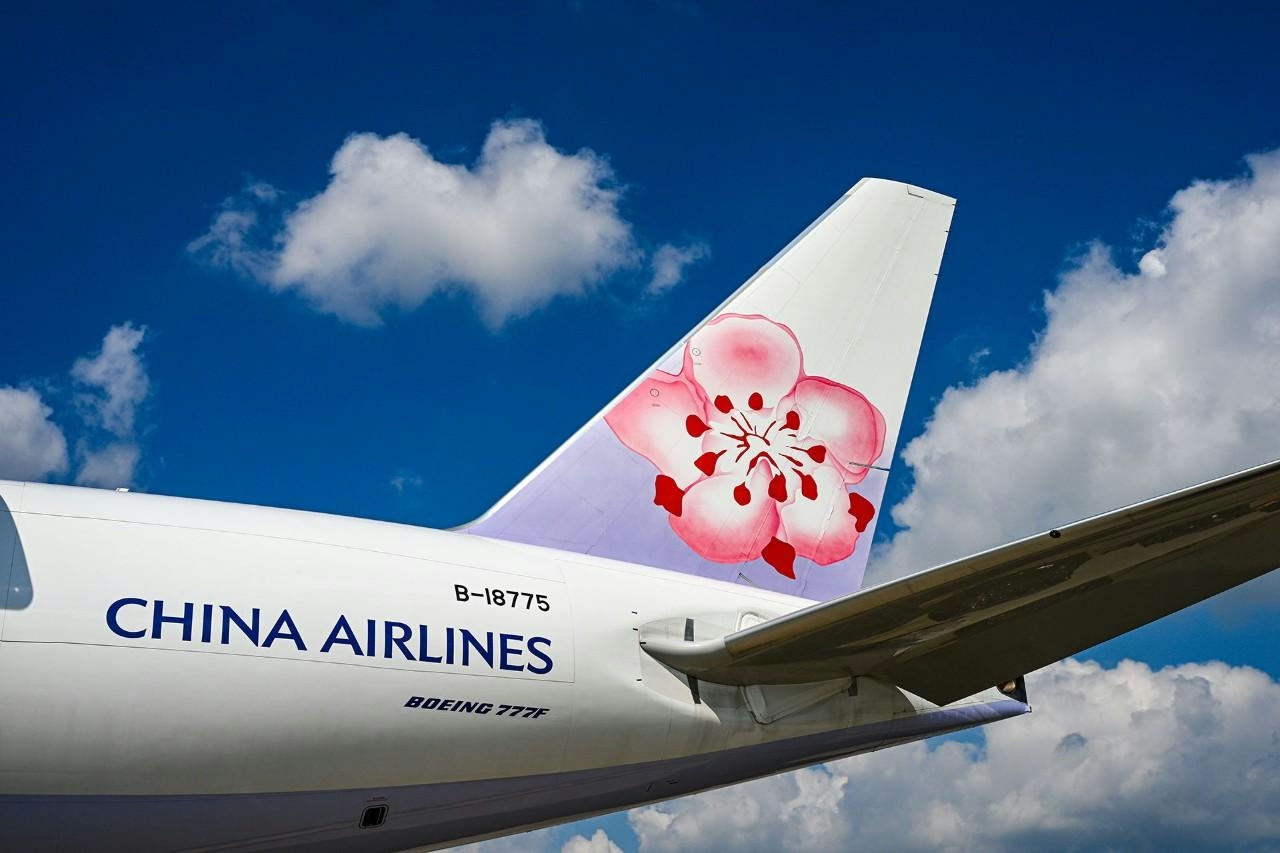
China Airlines Launches AI-Powered Cargo Customer Service Platform
China Airlines has introduced an advanced AI-driven customer service platform designed to enhance its cargo operations. The new system aims to streamline shipment tracking, provide detailed flight information, and offer regulatory guidance to clients across the globe. By integrating real-time shipment tracking with operational systems, the platform delivers comprehensive flight status updates and scheduling details. Additionally, it consolidates cargo regulations from official government and regulatory sources, ensuring users receive accurate and up-to-date professional advice.
A notable feature of the platform is its capacity to comprehend complex, multilingual spoken queries, thereby expanding accessibility for the airline’s international clientele. The system operates on a cloud-based smart load-balancing architecture, which optimizes computing resources by reducing demand during off-peak hours and maintaining stable performance during periods of high traffic. China Airlines emphasizes that these technical innovations contribute to energy efficiency and a reduction in carbon emissions.
Technical Considerations and Industry Implications
The integration of a generative conversational AI layer with live scheduling and tracking systems presents considerable engineering challenges. Experts highlight the necessity of robust data validation and provenance mechanisms to guarantee that the AI’s responses—particularly those related to schedules and regulatory information—are both accurate and auditable. Developing such platforms typically involves creating streaming connectors, establishing canonical event models for shipment states, and implementing rigorous test harnesses to simulate high-concurrency query scenarios. These measures are essential to ensure the system’s correctness and maintain quality of service under heavy load.
Despite the anticipated benefits in cost reduction and operational efficiency, industry observers caution that significant challenges remain. The ability of AI to manage complex, high-stakes decisions without human oversight is still limited. Furthermore, transitioning from traditional customer service tools to AI-driven systems may introduce operational and training difficulties for the airline’s workforce.
Market responses are expected to focus on the potential efficiency gains, though skepticism persists regarding AI’s capacity to fully replace human agents in customer service roles. Recent incidents, such as Air Canada’s chatbot delivering incorrect information and governance issues at Samsung, underscore the risks associated with exclusive reliance on AI for customer interactions. Competitors may respond by accelerating their own AI adoption or by emphasizing the continued importance of human oversight in customer service.
As China Airlines implements its AI-powered cargo customer service platform, it faces the challenge of balancing technological innovation with reliability and customer trust. The airline must carefully navigate the opportunities and risks inherent in deploying advanced AI within critical operational functions.

Etihad and Swissport Extend Global Partnership
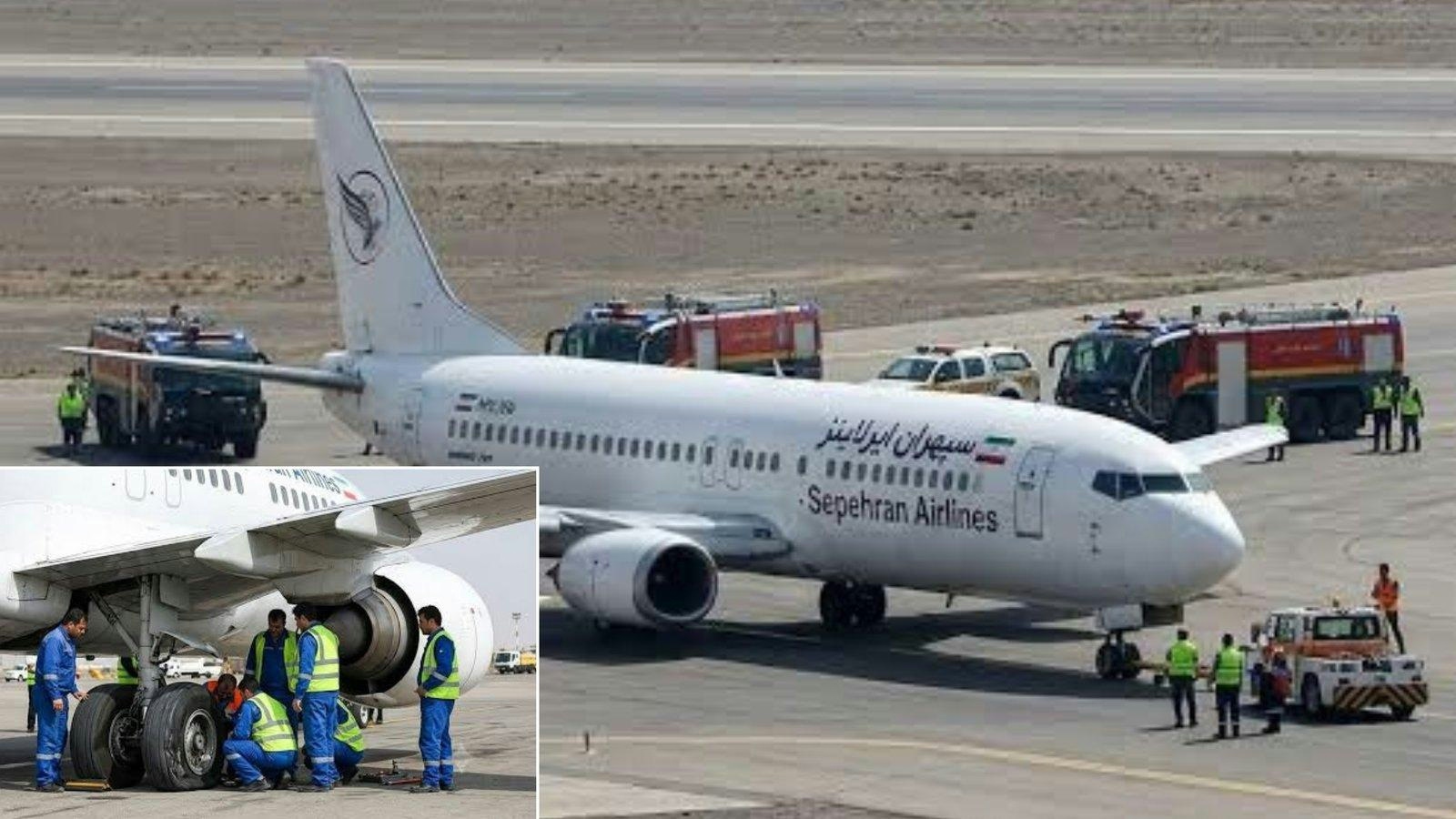
Sepehran Airlines B737 Returns to Mashhad After Tyre and Engine Issues

Etihad Deploys Widebody Fleet to Meet Strong Demand
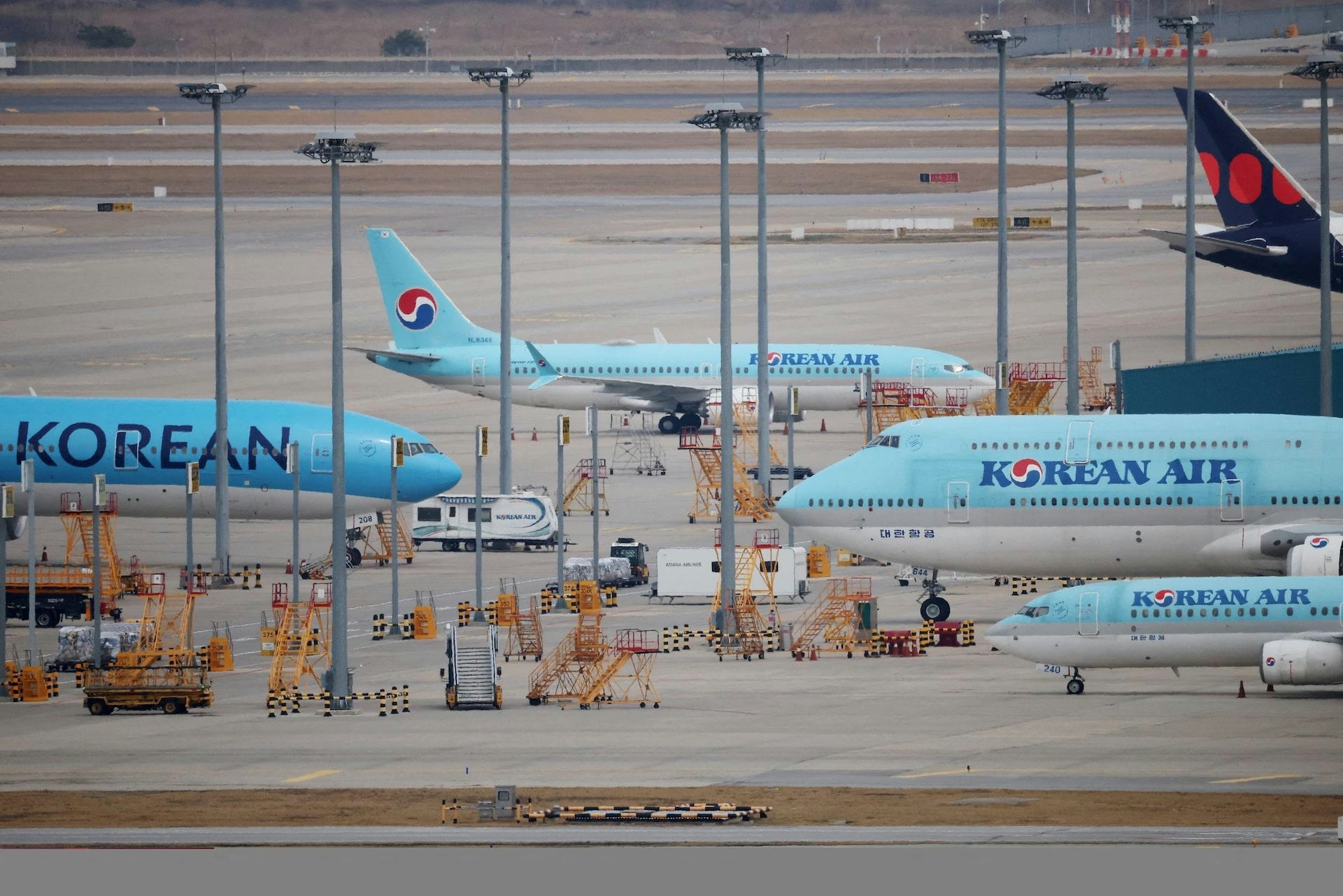
Korean Air Finalizes $36.2 Billion Deal with Boeing

Australia’s RFDS Queensland Section Orders Six King Air 260Cs

Korean Air Finalizes Order for 103 Boeing Jets and Engines
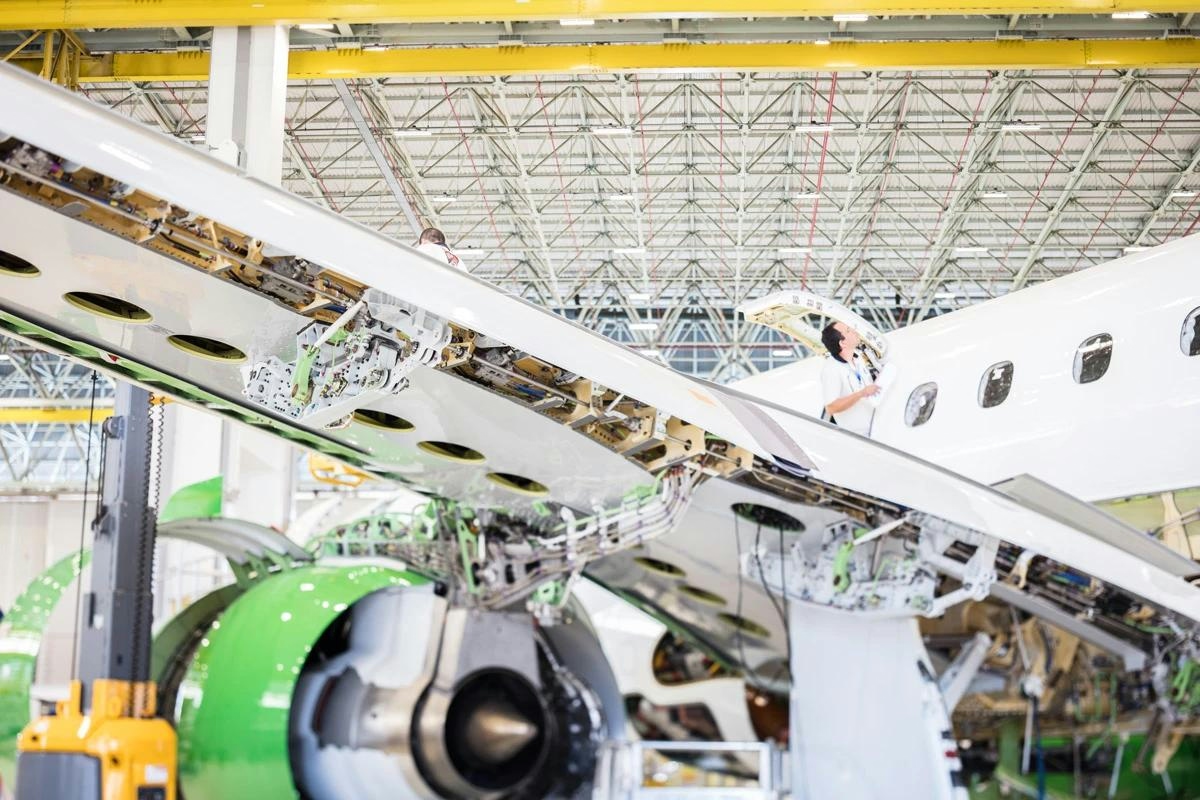
Embraer E195-E2 Features Distinctive Engine Placement Among Regional Jets
What Passengers Can Expect on Boeing’s New 777X Jet

How Ethiopian Airlines Became Africa’s Leading Carrier Amid Gulf Competition
Joby Aviation Extends Autonomous Flight Capabilities with Cross-Country Tour
